






Health Ministry Warns Against Misuse of Clozapine Amongst Young People
The antipsychotic drug can cause severe complications and requires close medical supervision.

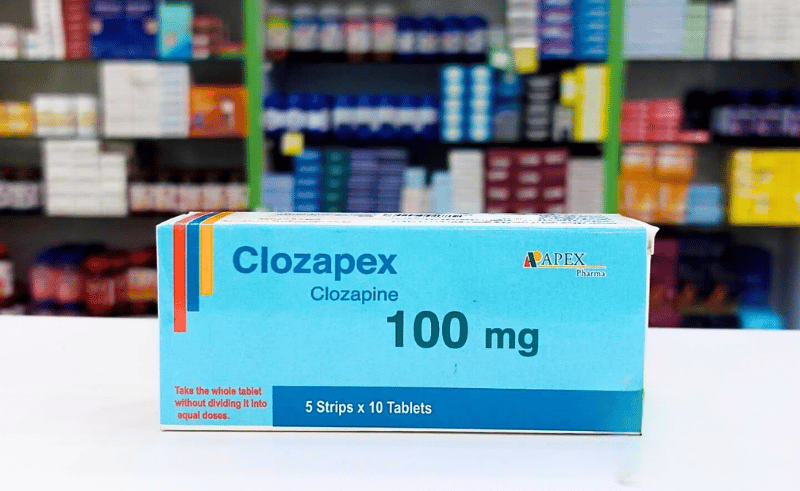
The Ministry of Health and Population has warned against the unsupervised use of the antipsychotic medication Clozapine, particularly among teenagers and young adults, citing the risk of serious and potentially life-threatening complications.
According to the ministry, Clozapine is not a treatment for stress or sleep disorders but a high-risk psychiatric medication prescribed only in specific cases under strict medical supervision. Patients taking the drug require regular blood tests and clinical monitoring.
The ministry said possible side effects include a dangerous drop in white blood cell counts, which can weaken the immune system and increase the risk of severe infections.
Other complications include inflammation of the heart muscle, irregular heartbeat, low blood pressure, seizures, and serious effects on the nervous and respiratory systems, some of which may develop without early warning signs.
Families were urged to keep medications out of children's reach and to seek medical advice promptly if they notice signs of psychological distress or suspect misuse.
The ministry also advised young people not to rely on information circulating on social media and stressed that professional psychological support remains the safest response to emotional or mental health difficulties.
The warning follows reports from the Al-Azhar Observatory for Combating Extremism, which said it had identified a growing social media trend involving the misuse of Clozapine among adolescents and young adults.
According to the observatory, videos featuring the drug alongside melancholic music and mahraganat tracks have portrayed its use as a form of escape or intoxication.
The observatory said many of those participating in the trend are not psychiatric patients but young people facing academic, emotional or social pressures. It warned that such content promotes harmful behaviour and encouraged parents to maintain open communication with their children and ensure medications are stored safely.
- Previous Article SceneNoise x Amsterdam Dance Event Present CROSSFADE: Egypt
- Next Article The Intricate Beauty of Ben Youssef Madrasa