




War, fire and neglect nearly ended these ancient trading halls
From Doha's lantern-lit alleys to Aleppo's restored vaults, these seven historic souqs across the Middle East were rebuilt, reimagined, and brought back to life after war, fire, or years of neglect.
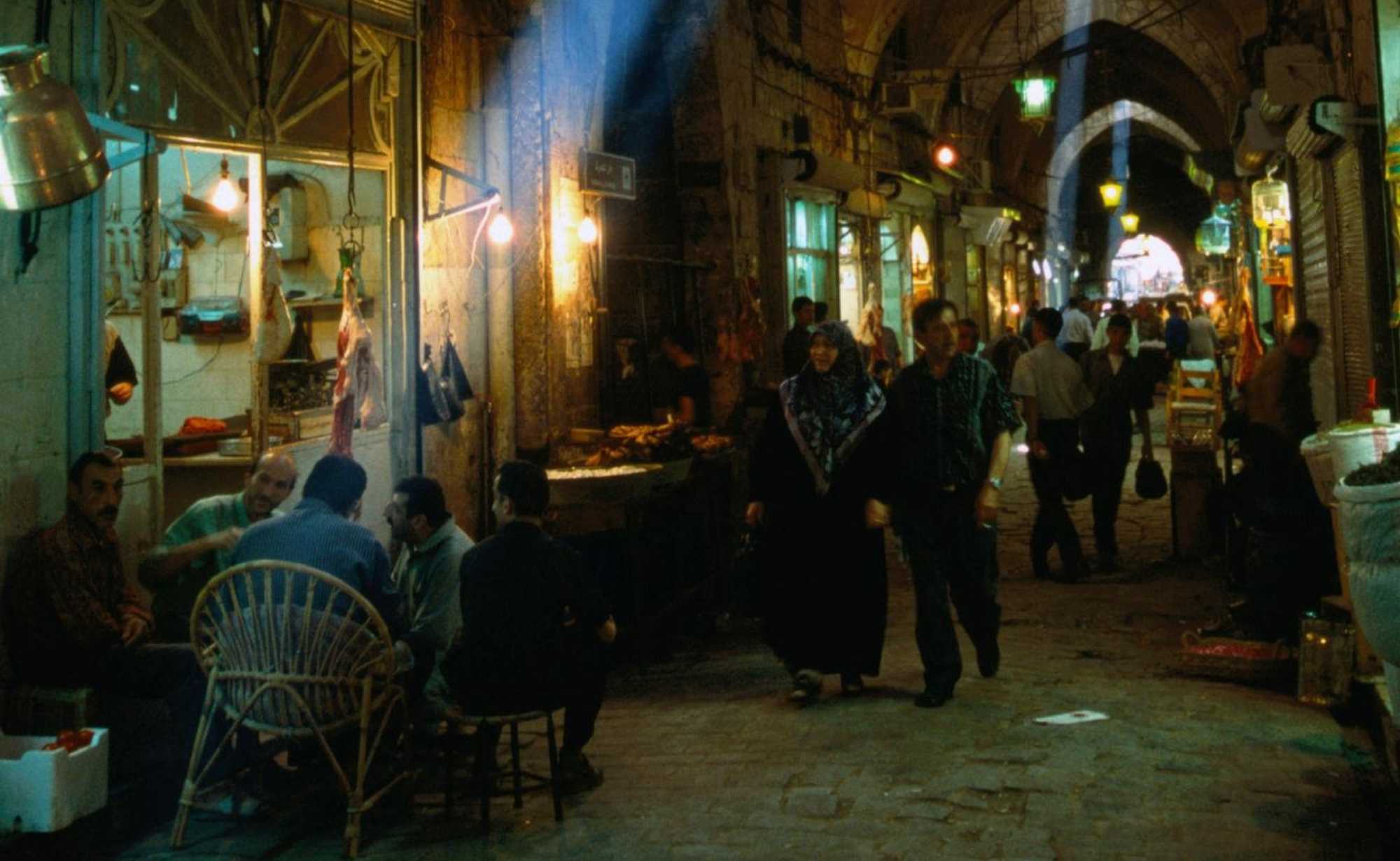
Every ancient trading city carries a souq that went quiet at some point. The stalls shuttered, the roofs sagged, and the regulars drifted off, chased away by war, by oil money, or by the slow indifference that kills a market as surely as any bombardment. What's strange is how many of them came back. Some were rebuilt plank by plank, faithful to the last beam. Others returned as something their old traders would barely recognise. Seven of them, and the different ways they clawed their way back into use.
Souq Waqif, Qatar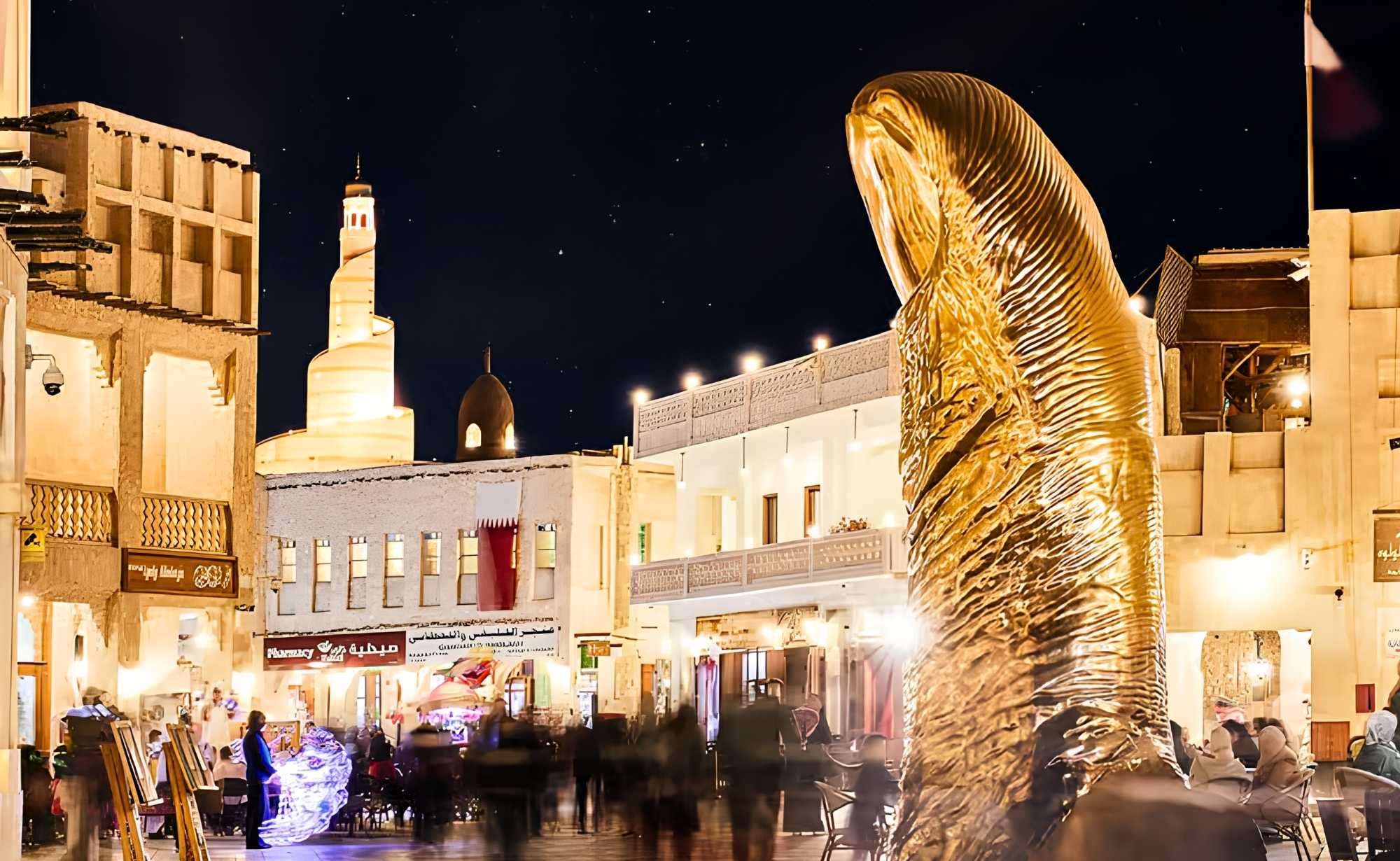 Before Doha had a skyline anyone bothered to photograph, Souq Waqif was a rough little trading post on the banks of a seasonal wadi, the place you came to haggle over livestock and sacks of spice. By the end of the 20th century it had more or less given up the ghost, and a fire in 2003 tore through what was left. The restoration that followed rebuilt it in the old materials, mud and timber, keeping faith with how it had always looked. The gamble paid off. The lanes are busy again now, thick with the smell of shisha smoke and cardamom, spice sellers calling out over one another the way they presumably always did.
Souq Al Wakrah, Qatar
Before Doha had a skyline anyone bothered to photograph, Souq Waqif was a rough little trading post on the banks of a seasonal wadi, the place you came to haggle over livestock and sacks of spice. By the end of the 20th century it had more or less given up the ghost, and a fire in 2003 tore through what was left. The restoration that followed rebuilt it in the old materials, mud and timber, keeping faith with how it had always looked. The gamble paid off. The lanes are busy again now, thick with the smell of shisha smoke and cardamom, spice sellers calling out over one another the way they presumably always did.
Souq Al Wakrah, Qatar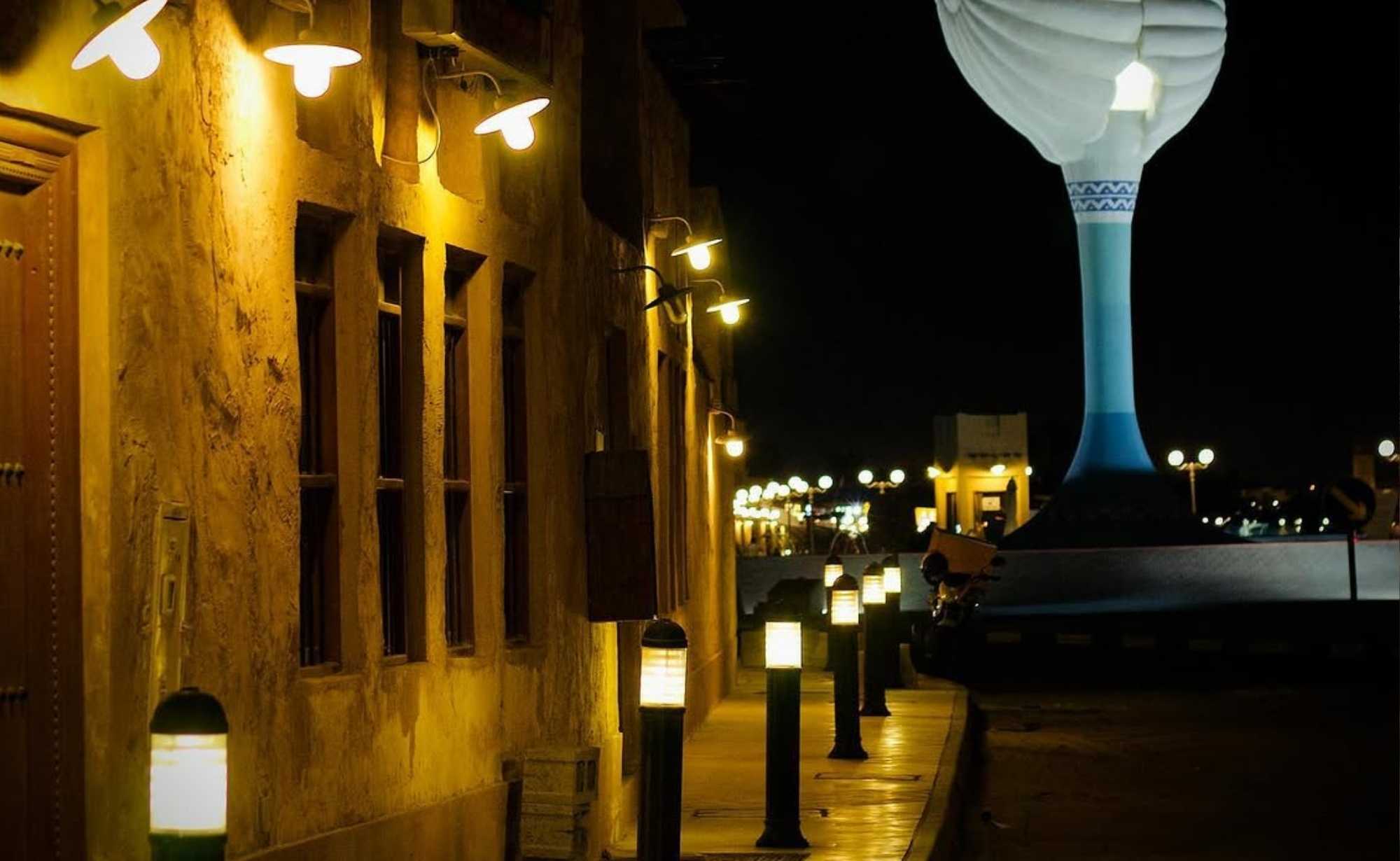 South of the capital, Al Wakrah took that same instinct and aimed it at a whole fishing village. The reconstruction leaned on the same craftsmen and techniques that had brought Souq Waqif back, rebuilding the settlement close to what it once was. More than a hundred units trade along the coast today, selling crafts and clothes and food within earshot of the water that gave the town its reason to exist in the first place.
Souq Al-Mubarakiya, Kuwait
South of the capital, Al Wakrah took that same instinct and aimed it at a whole fishing village. The reconstruction leaned on the same craftsmen and techniques that had brought Souq Waqif back, rebuilding the settlement close to what it once was. More than a hundred units trade along the coast today, selling crafts and clothes and food within earshot of the water that gave the town its reason to exist in the first place.
Souq Al-Mubarakiya, Kuwait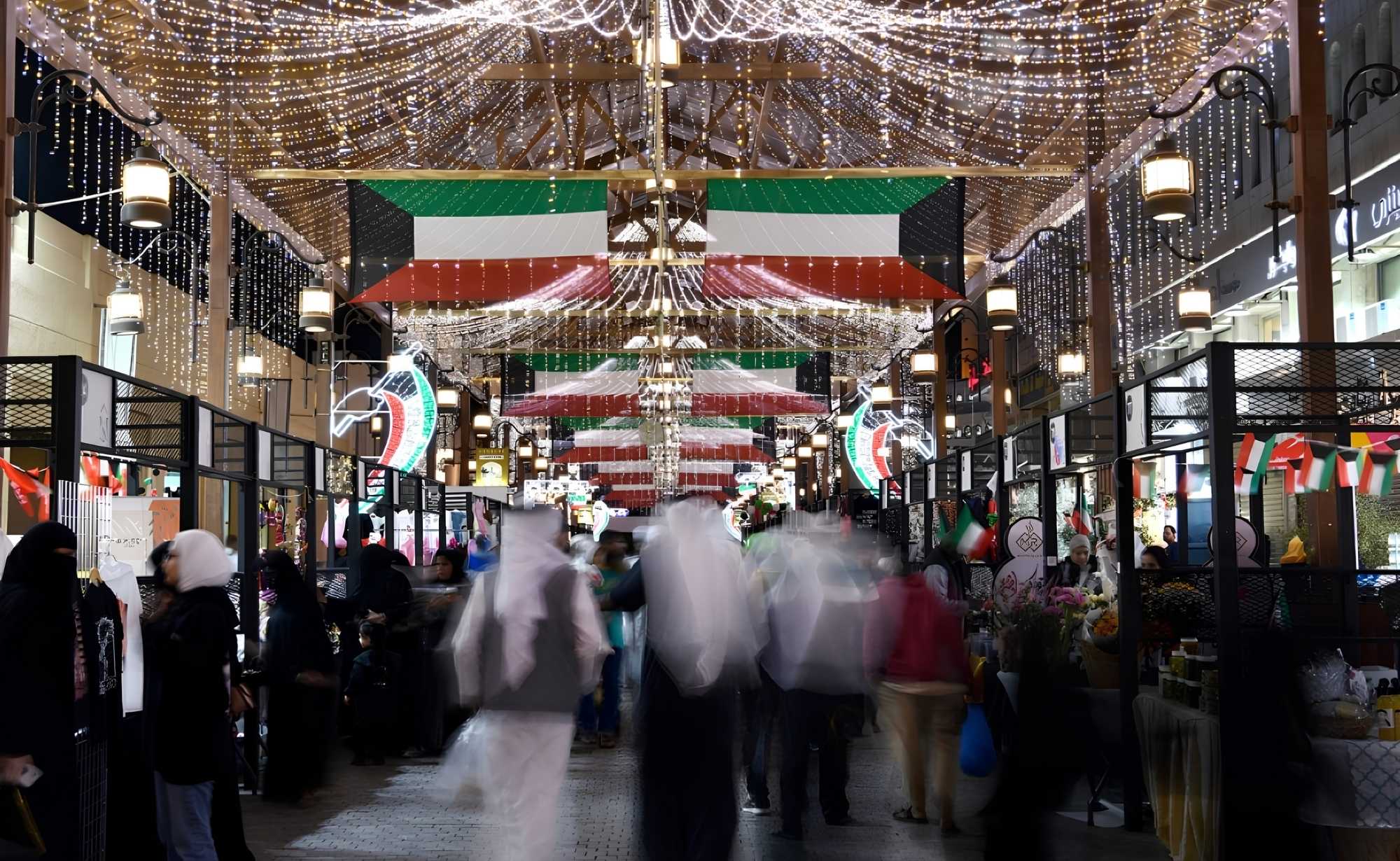 Al-Mubarakiya was doing business more than two centuries ago, back when Kuwait ran on pearls and dhows and there was no oil to speak of yet. The Iraqi invasion of 1990 tore through it. The repairs that followed put its old bones back in place and slipped in a few concessions to the present, softer lighting, corners where children can be parked while the adults shop. The bargaining over gold and spices carries on much as it did.
Muttrah Souq, Oman
Al-Mubarakiya was doing business more than two centuries ago, back when Kuwait ran on pearls and dhows and there was no oil to speak of yet. The Iraqi invasion of 1990 tore through it. The repairs that followed put its old bones back in place and slipped in a few concessions to the present, softer lighting, corners where children can be parked while the adults shop. The bargaining over gold and spices carries on much as it did.
Muttrah Souq, Oman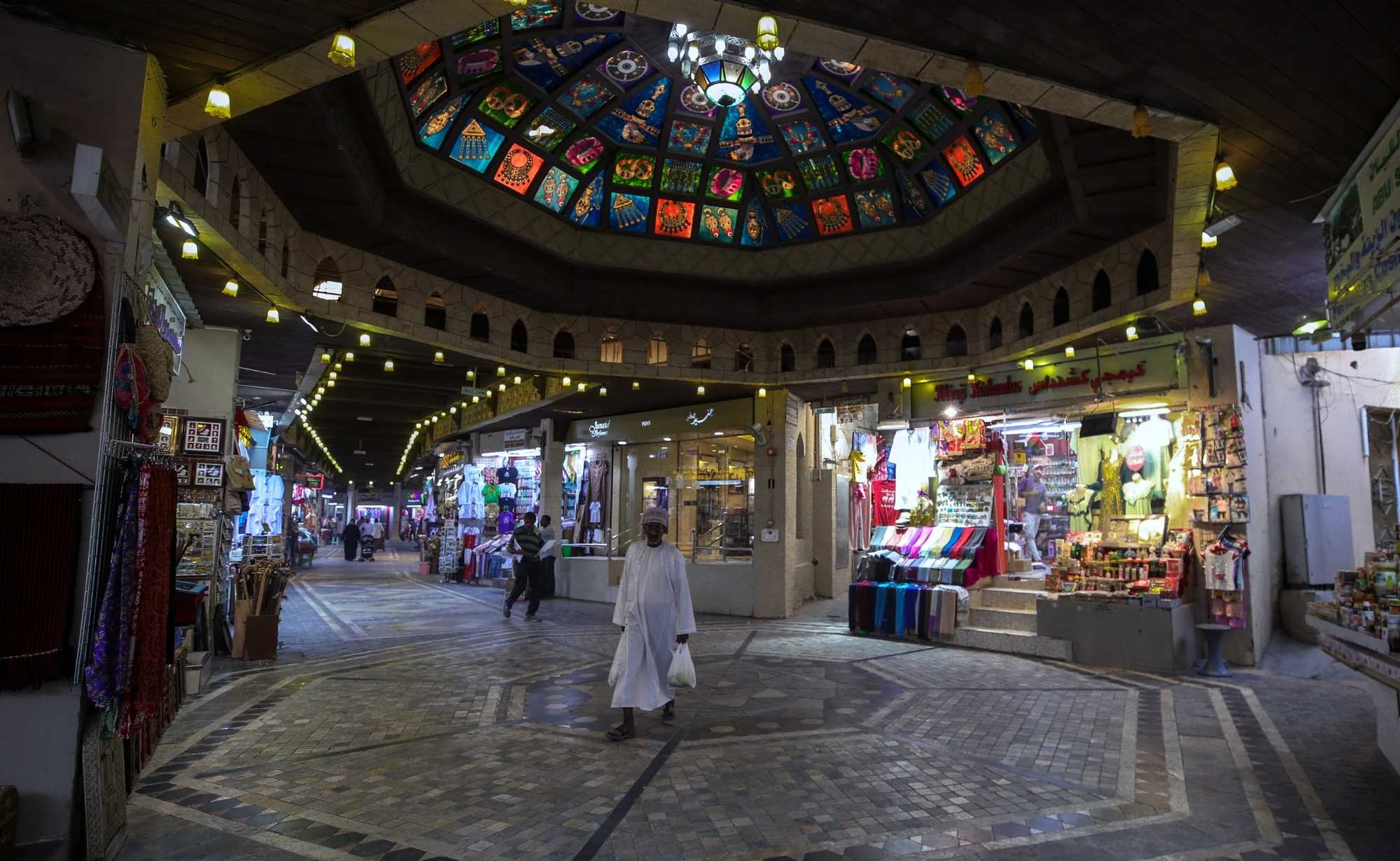 Behind the Muttrah Corniche in Muscat sits one of the oldest working markets in the Arab world, roughly two centuries old, laid out in a rambling 'Y' by Sultan Said bin Sultan. So little daylight makes it through the timber roof that traders christened it Souq Al Dhalam, the Market of Darkness. Dhows and camel caravans once unloaded here from India, Persia, and East Africa. The stock has modernised, Omani silver next to imported cloth, and the covered lanes still hold that older weight, the sense of a place goods have been passing through for a very long time.
Qasaba of Radwan Bey, Egypt
Behind the Muttrah Corniche in Muscat sits one of the oldest working markets in the Arab world, roughly two centuries old, laid out in a rambling 'Y' by Sultan Said bin Sultan. So little daylight makes it through the timber roof that traders christened it Souq Al Dhalam, the Market of Darkness. Dhows and camel caravans once unloaded here from India, Persia, and East Africa. The stock has modernised, Omani silver next to imported cloth, and the covered lanes still hold that older weight, the sense of a place goods have been passing through for a very long time.
Qasaba of Radwan Bey, Egypt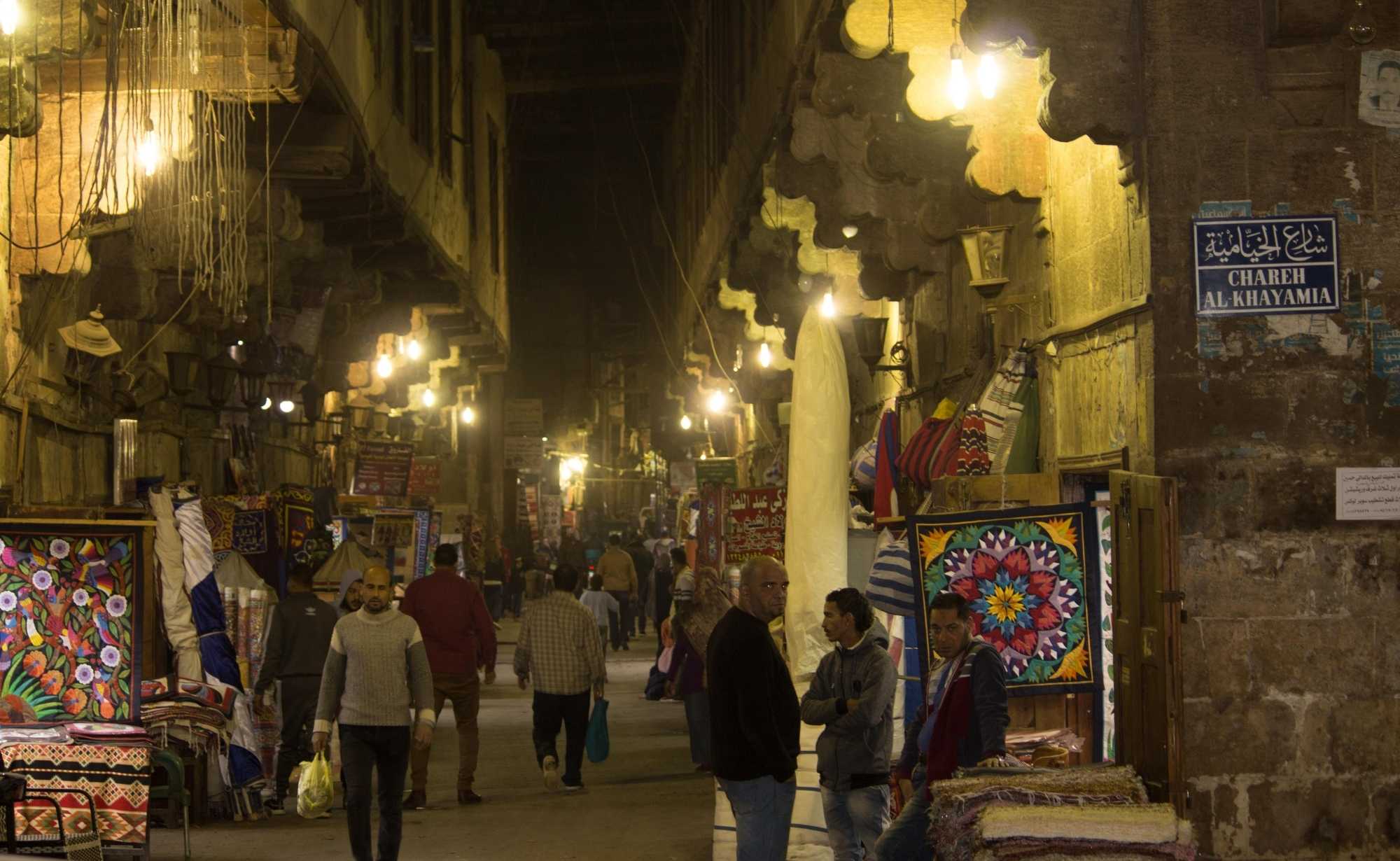 Just south of Bab Zuweila, in Cairo's Darb al-Ahmar, runs the last covered market street left in the city, put up by the Mamluk emir Radwan Bey. Shoemakers had it first. Then came the appliqué craftsmen who stitched it into the Street of the Tentmakers, al-Khayamiya, the name it still answers to. A round of restoration between 2002 and 2004 patched the street facades and braced the sagging wooden ceiling. Down at the southern end, fragments of Radwan Bey's own mansion are still standing, one of the few things left in the neighbourhood that reaches all the way back to Ottoman rule.
Souq al-Saqatiyya, Syria
Just south of Bab Zuweila, in Cairo's Darb al-Ahmar, runs the last covered market street left in the city, put up by the Mamluk emir Radwan Bey. Shoemakers had it first. Then came the appliqué craftsmen who stitched it into the Street of the Tentmakers, al-Khayamiya, the name it still answers to. A round of restoration between 2002 and 2004 patched the street facades and braced the sagging wooden ceiling. Down at the southern end, fragments of Radwan Bey's own mansion are still standing, one of the few things left in the neighbourhood that reaches all the way back to Ottoman rule.
Souq al-Saqatiyya, Syria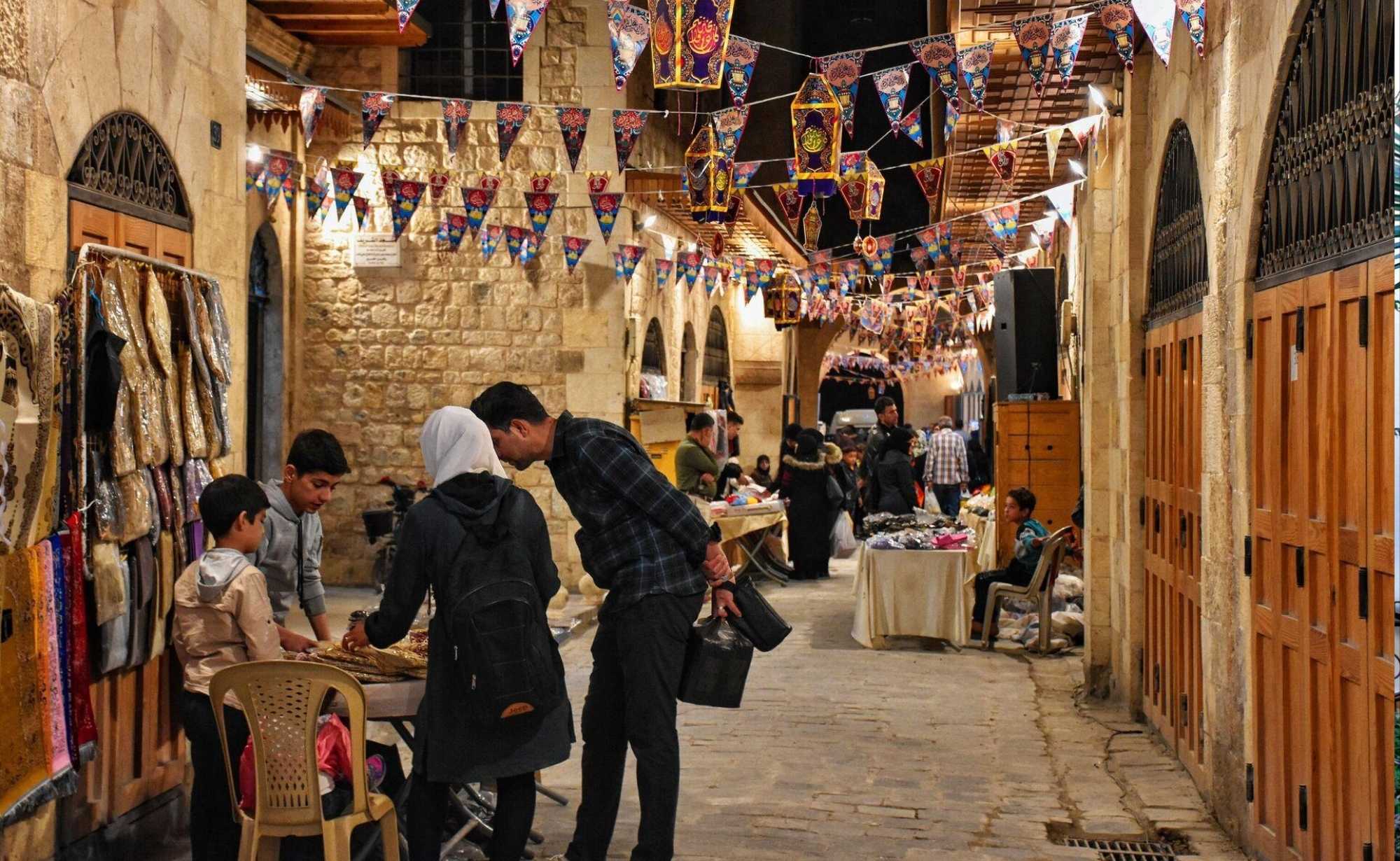 Aleppo's central souq was once the largest medieval market complex in the region, a UNESCO-listed tangle of vaulted stone that the civil war left in pieces. A 150-metre run of it, fifty-two shops in all, became a test case. Between late 2018 and 2019 the Aga Khan Trust for Culture rebuilt the vaulted roof and the main passage, put the infrastructure back in working order, and brought three shops fully back to life, a small proof that the rest could follow if anyone found the will and the money to do it.
Khalifa Traditional Souq, Abu Dhabi
Aleppo's central souq was once the largest medieval market complex in the region, a UNESCO-listed tangle of vaulted stone that the civil war left in pieces. A 150-metre run of it, fifty-two shops in all, became a test case. Between late 2018 and 2019 the Aga Khan Trust for Culture rebuilt the vaulted roof and the main passage, put the infrastructure back in working order, and brought three shops fully back to life, a small proof that the rest could follow if anyone found the will and the money to do it.
Khalifa Traditional Souq, Abu Dhabi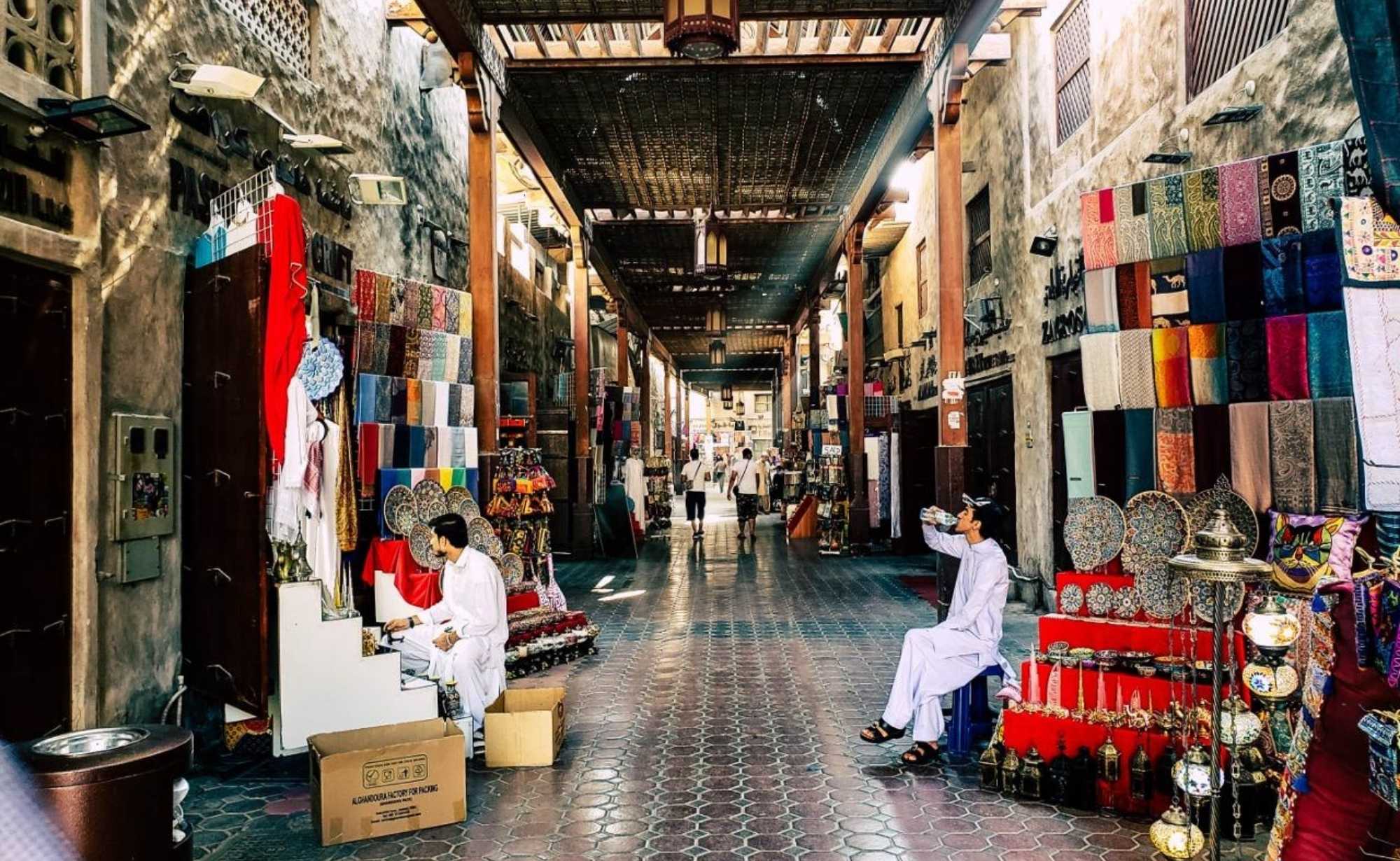 This souq skips the ruin-and-recovery story entirely. It was built new, engineered to feel old, heritage lines married to a lightweight ETFE roof that shrugs off the Gulf heat and pours daylight over the stalls beneath. Call it revival in reverse, a market conjuring the memory of markets that earned their patina the hard way.