





Business for Teens Teaches Egypt's Kids to Think Like Entrepreneurs
What if business education started before university? This startup is making the case.
For this installment of NextGen, our series spotlighting emerging entrepreneurs across the region, we focus on Business for Teens, a Cairo-based startup delivering business education to young people between the ages of 10 and 16. The premise isn't to turn every student into a founder, it's to instill a way of thinking that serves them regardless of the path they choose, whether that's engineering, medicine, or something else entirely.
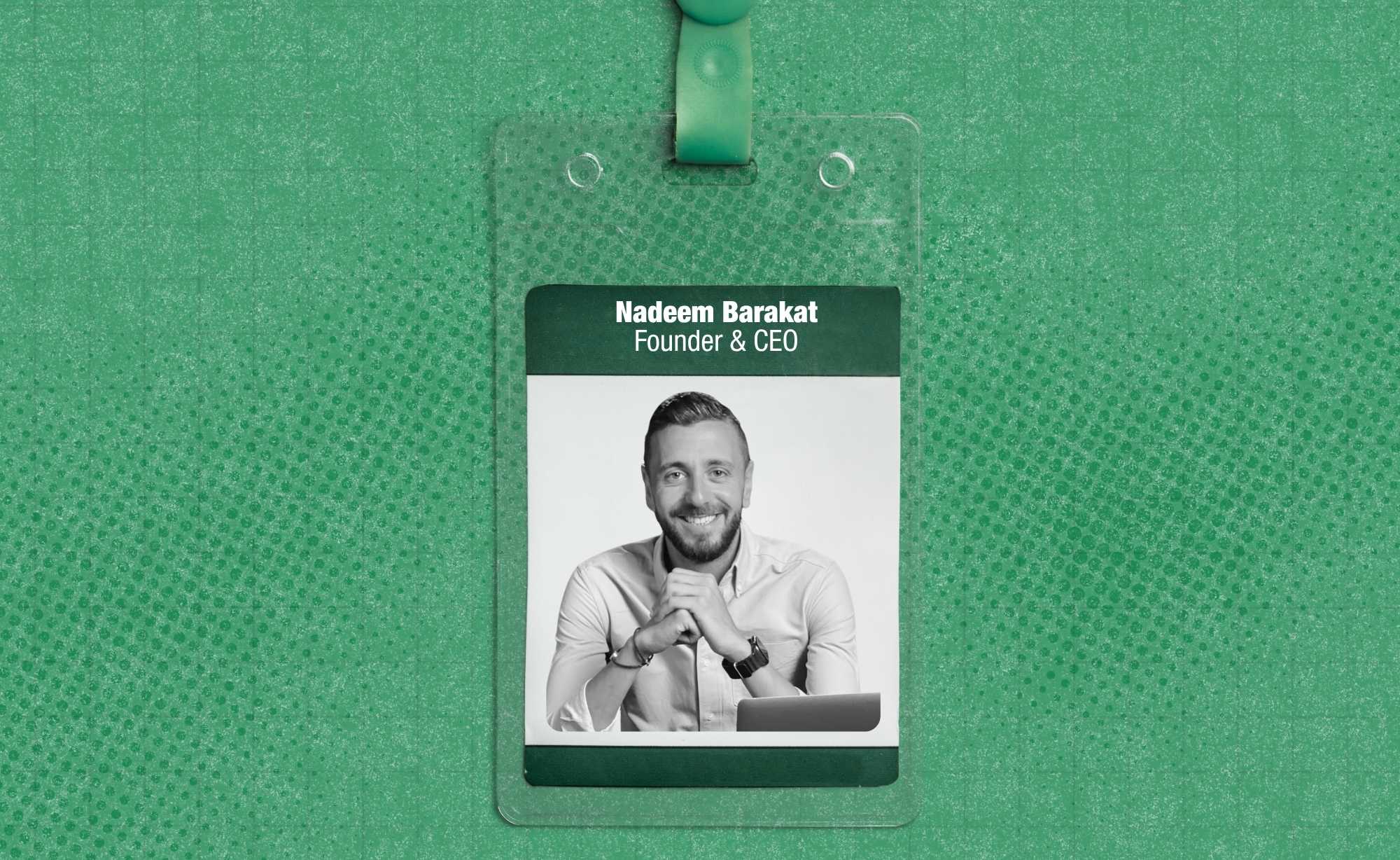
Founder and CEO Nadeem Barakat identified a gap that many take for granted: most people's first real exposure to business comes in university, or later. By then, a lot of formative years have already passed. For him, the goal isn't just teaching business concepts, it's giving young people earlier contact with the real world, so they can better understand their own strengths and interests before major decisions arrive.
For Barakat, the idea was deeply personal. "I've been working since I was 15, and I had to learn everything the hard way because I had no business knowledge," he explains. Looking back, he believes starting his career early was the most valuable experience he could have had. Now, he wants to give young people that same early exposure because, as he puts it, "I believe it can be life changing."
Business for Teens delivers its programmes in person, introducing students to the fundamentals of financial literacy and entrepreneurship - how money works, how to save, how to set goals, and how to invest. Having started in Cairo, the startup has since expanded across Egypt, working with both local and international schools. "Schools are eager to offer extracurricular programmes like this because they recognise the value of business thinking," Barakat says.
The company began with small public programmes, encouraging parents to enrol their children. Its first cohort consisted of just 15 students. "The response surprised us," Barakat recalls. "We found that many kids already had some exposure to business through Shark Tank, TikTok, or even selling products on Instagram."
That early momentum soon opened new doors. One of the parents introduced Barakat to a school interested in offering the programme, marking the company's first B2B partnership. "That led us into partnerships with schools," he says. "Over the past year, we've worked with 12 schools and taught around 1,000 students."
As demand grew, so did the team. While still relatively small, Business for Teens has dedicated programme managers who oversee school partnerships, team members focused on instructor recruitment and support, and a quality assurance role responsible for maintaining consistency across programmes.
Recruiting instructors has become one of the company's biggest priorities. Rather than hiring traditional teachers, Business for Teens works with business professionals who have full-time industry experience. Each instructor completes three stages of training: learning the curriculum, learning how to teach, and learning how to work with teenagers.
Alongside its financial literacy curriculum, the startup also runs Speak to Win, a programme centred around public speaking and business pitching. Students identify a real-world problem, develop a business solution complete with financial and marketing strategies, then present their ideas to a panel of judges in a Shark Tank-style final.
Yet the biggest outcome, according to Barakat, isn't business knowledge. "Parents consistently tell us their children become more confident, communicate better, and improve their problem-solving skills," he says. "Those transferable skills are often the greatest benefit."
As the company continues to grow, maintaining quality has become Barakat's biggest challenge. Instructors remain one of the programme's core pillars, and the team has invested heavily in curriculum development, recruitment, and training. The long-term ambition is to build a "plug-and-play" system that allows the company to scale its instructor network without compromising the quality of its programmes.
Looking ahead, Business for Teens hopes to reach 100,000 students. One of its biggest ambitions is making these programmes accessible to underserved communities across Egypt. Barakat describes access to this kind of education as a privilege. "We would like to work with the government and NGOs to make them accessible to students who otherwise wouldn't have the opportunity."
- Previous Article SceneNoise x Amsterdam Dance Event Present CROSSFADE: Egypt
- Next Article FII Institute Sets October Dates for 10th Riyadh Conference