





How Rima Abu Rahma Keeps Gaza's Boxing Women Fighting
She took on her own society to build Gaza Boxing Women, facing down threats to burn it to the ground. Now she keeps it alive from thousands of miles away.
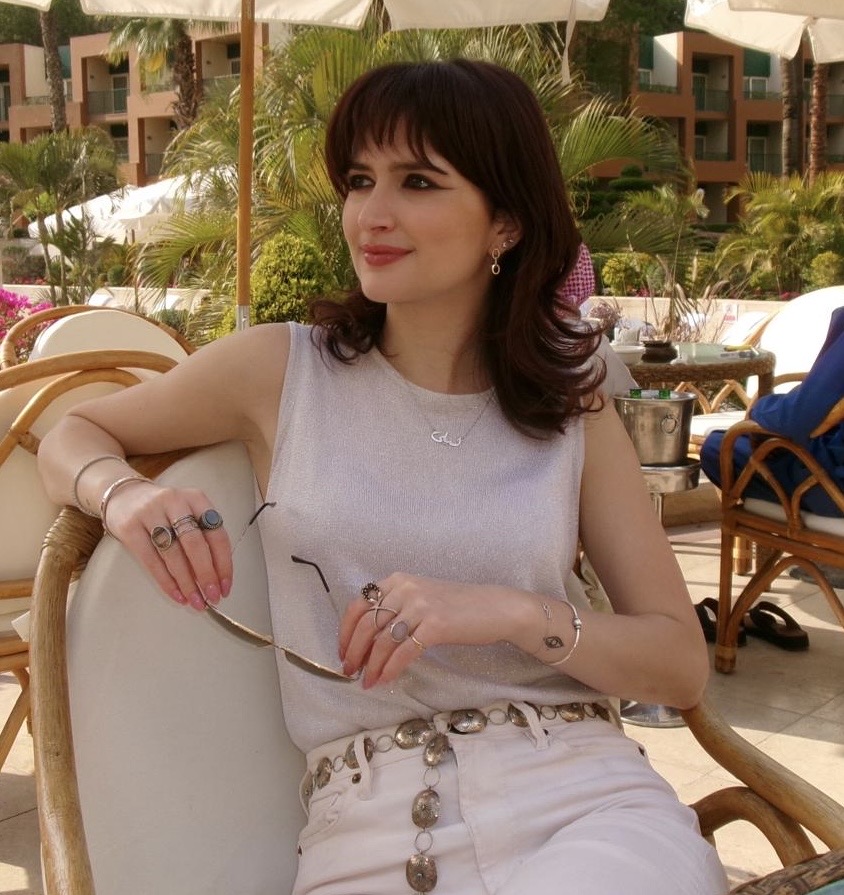
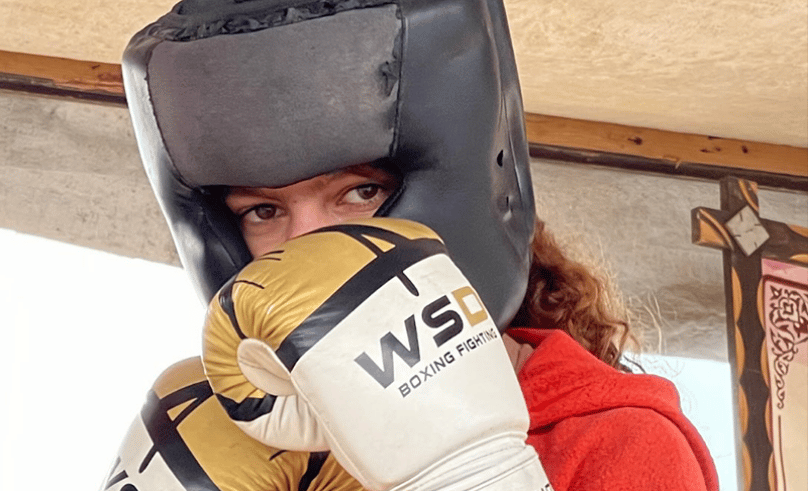
Boxing during a genocide did not seem to make sense to Rima Abu Rahma, the founder of Gaza Boxing Women. Gathering in large groups would put the girls at risk of being targeted by Israeli bombs. And beyond the lack of showers and athletic wear that any sport necessitates—how could they exercise without healthy food and clean water? “But, they insisted,” Abu Rahma said over a Zoom call from France, where she runs the organisation.
She told the story of how their original club in Gaza City was destroyed, and the girls who trained in it scattered across Gaza in displacement. When some of them reunited in the south a few months later, they knew coach Osama Ayoub was living nearby. Which led them to his tent with a question: “Can we start training again?”
With Abu Rahma’s go-ahead and promise to fund operations, Ayoub accepted. He reclaimed his place as the head coach of Gaza’s first female boxing club, where he had been training its members since it opened in 2020. Now, Ayoub had to restart practice without the boxing gloves and sandbags he was used to in their club. He turned pillows into makeshift punching bags and chairs into a boxing ring on the hot sand. The girls wore the clothes they had on them–jeans, sneakers, or no shoes at all, it didn’t matter. For one hour, they ducked Ayoub’s jabs, threw their own, and learned how to take someone out with a nasty uppercut.
-7734f7c1-896f-45a3-8613-ddd8989e762e.png) Ayoub visited different families in the area to spread the word, and soon, Gaza Boxing Women swelled to 60 members between five and 33 years old—more than they had before Israel's genocidal war against Gaza began.
“Training is an hour of remembering what life was like before October 7th,” Abu Rahma said.
On October 8th, 2023, Abu Rahma was supposed to be on her way home after completing a year-long master’s in France. She had moved out of her apartment, left her job, and flown to Egypt where she would enter Gaza through the Rafah Border Crossing. But that morning, she called the taxi driver that would take her from Cairo. “Why are you cancelling the trip?” he asked her, to which she answered: “Maybe you should watch the news.”
With one week left on her French visa, she made her way back to Europe and hastily applied for a PhD that would allow her to stay in the country longer. She already had the degree in mind, but not this quickly after her master’s, and certainly not under these circumstances.
“I’ve been locked out of Gaza ever since,” Abu Rahma said. Her parents and extended family are all still back home.
She and a team of volunteers run Gaza Boxing Women from abroad. Their distance from Gaza has turned out to be an asset, allowing them to manage the club steadily when those inside it could not.
Ayoub visited different families in the area to spread the word, and soon, Gaza Boxing Women swelled to 60 members between five and 33 years old—more than they had before Israel's genocidal war against Gaza began.
“Training is an hour of remembering what life was like before October 7th,” Abu Rahma said.
On October 8th, 2023, Abu Rahma was supposed to be on her way home after completing a year-long master’s in France. She had moved out of her apartment, left her job, and flown to Egypt where she would enter Gaza through the Rafah Border Crossing. But that morning, she called the taxi driver that would take her from Cairo. “Why are you cancelling the trip?” he asked her, to which she answered: “Maybe you should watch the news.”
With one week left on her French visa, she made her way back to Europe and hastily applied for a PhD that would allow her to stay in the country longer. She already had the degree in mind, but not this quickly after her master’s, and certainly not under these circumstances.
“I’ve been locked out of Gaza ever since,” Abu Rahma said. Her parents and extended family are all still back home.
She and a team of volunteers run Gaza Boxing Women from abroad. Their distance from Gaza has turned out to be an asset, allowing them to manage the club steadily when those inside it could not.
-6abbf615-f451-4971-af26-4b64981e3c77.png) Back in 2020, Abu Rahma was looking to learn self-defence. “Boxing was the only thing that caught my attention, but there weren’t any accessible options for women,” she said. “While I was scrolling on Facebook, I saw photos of Osama training young girls. So, I contacted him.”
She drove half an hour to find him in person, where he was training. "Hey coach, this is Rima, I want you to train me,” she said. He laughed. Training young girls was one thing, an adult woman was another.
“Where are we going to train?” he asked, shaking his head. “The government, the society…”
“He was not against the idea itself,” Abu Rahma said. “It was just very radical in Gazan society for women to do a sport like boxing, and it could put everyone in danger if it wasn’t handled correctly.”
Back in 2020, Abu Rahma was looking to learn self-defence. “Boxing was the only thing that caught my attention, but there weren’t any accessible options for women,” she said. “While I was scrolling on Facebook, I saw photos of Osama training young girls. So, I contacted him.”
She drove half an hour to find him in person, where he was training. "Hey coach, this is Rima, I want you to train me,” she said. He laughed. Training young girls was one thing, an adult woman was another.
“Where are we going to train?” he asked, shaking his head. “The government, the society…”
“He was not against the idea itself,” Abu Rahma said. “It was just very radical in Gazan society for women to do a sport like boxing, and it could put everyone in danger if it wasn’t handled correctly.”
-7e26b3d5-657a-414e-b8fa-0bd9ee902c43.png) But he agreed, and soon Abu Rahma was getting her friends and sisters to train with her in the basement of a small boxing gym. They quickly outgrew the space as their numbers increased with the help of social media and were eventually able to raise enough money to open their own club in Gaza City.
"We didn't know that women wanted to box in Gaza,” Abu Rahma said. “I don't think the women knew it themselves, either."
But as the community grew, so did their visibility. And Ayoub’s fears started to come true.
“We started receiving threats on social media. People threatened to burn down the club and cut our heads off. It was violent,” Abu Rahma said. “Everyone was looking to me for answers, but I didn’t know what to do. I was only 21.”
This was the moment Abu Rahma understood she was building more than a club; she was leading a movement to normalise women's boxing in Gaza.
But he agreed, and soon Abu Rahma was getting her friends and sisters to train with her in the basement of a small boxing gym. They quickly outgrew the space as their numbers increased with the help of social media and were eventually able to raise enough money to open their own club in Gaza City.
"We didn't know that women wanted to box in Gaza,” Abu Rahma said. “I don't think the women knew it themselves, either."
But as the community grew, so did their visibility. And Ayoub’s fears started to come true.
“We started receiving threats on social media. People threatened to burn down the club and cut our heads off. It was violent,” Abu Rahma said. “Everyone was looking to me for answers, but I didn’t know what to do. I was only 21.”
This was the moment Abu Rahma understood she was building more than a club; she was leading a movement to normalise women's boxing in Gaza.
-6370c832-3e60-4769-a6b0-f6c6247cb43d.png) “Our fight was inside the ring and outside the ring,” she said.
Abu Rahma, her father, and Ayoub started by talking to the parents. They explained that it was a good thing for a woman to know how to defend herself. “And no, your daughter isn’t gaining ‘manly muscles’, she’s just getting fed, more comfortable and happier in her body,” Abu Rahma told them. She brought in leaders from all corners of society, from feminist NGOs to mukhtars, the Arabic word for a respected local leader.
“Our plan was working well, until the war destroyed everything,” Abu Rahma said.
During the genocide, they have lost members and coaches to Israeli bombardment. Then came the famine. One day, a girl on the team could barely punch—her hits had lost their power. When someone asked what was wrong, she admitted: “I haven't had a proper meal in three days.”
“We couldn’t ignore the humanitarian situation in Gaza,” Abu Rahma said. Through donations, Gaza Boxing Women now makes sure the girls eat a meal after each training, drink clean water, and receive new clothes.
“It shouldn’t be the job of a boxing club to do humanitarian work, but we couldn’t overlook it,” Abu Rahma said. “We make sure the women are training and are treated with dignity.”
“Our fight was inside the ring and outside the ring,” she said.
Abu Rahma, her father, and Ayoub started by talking to the parents. They explained that it was a good thing for a woman to know how to defend herself. “And no, your daughter isn’t gaining ‘manly muscles’, she’s just getting fed, more comfortable and happier in her body,” Abu Rahma told them. She brought in leaders from all corners of society, from feminist NGOs to mukhtars, the Arabic word for a respected local leader.
“Our plan was working well, until the war destroyed everything,” Abu Rahma said.
During the genocide, they have lost members and coaches to Israeli bombardment. Then came the famine. One day, a girl on the team could barely punch—her hits had lost their power. When someone asked what was wrong, she admitted: “I haven't had a proper meal in three days.”
“We couldn’t ignore the humanitarian situation in Gaza,” Abu Rahma said. Through donations, Gaza Boxing Women now makes sure the girls eat a meal after each training, drink clean water, and receive new clothes.
“It shouldn’t be the job of a boxing club to do humanitarian work, but we couldn’t overlook it,” Abu Rahma said. “We make sure the women are training and are treated with dignity.”
-1b175bd9-d78e-406a-b1b5-dff76f6aca80.png) As the only team of their kind in Gaza, the girls have only ever competed with each other. Abu Rahma imagines Gaza Boxing Women becoming an official team, traveling to competitions abroad, and representing Palestine on an international stage.
But Abu Rahma’s dreams are laced with grief. “I wish they would just have the normal conditions of anyone who wants to do sports,” she said, “anywhere in the world."
As the only team of their kind in Gaza, the girls have only ever competed with each other. Abu Rahma imagines Gaza Boxing Women becoming an official team, traveling to competitions abroad, and representing Palestine on an international stage.
But Abu Rahma’s dreams are laced with grief. “I wish they would just have the normal conditions of anyone who wants to do sports,” she said, “anywhere in the world."
- Previous Article SceneNoise x Amsterdam Dance Event Present CROSSFADE: Egypt
- Next Article The Intricate Beauty of Ben Youssef Madrasa