





Glasgow Museums Remove Mummies From Display Over 'Lack of Consent'
Kelvingrove and The Hunterian have restricted public viewing of Egyptian remains following a reassessment of museum ethics.
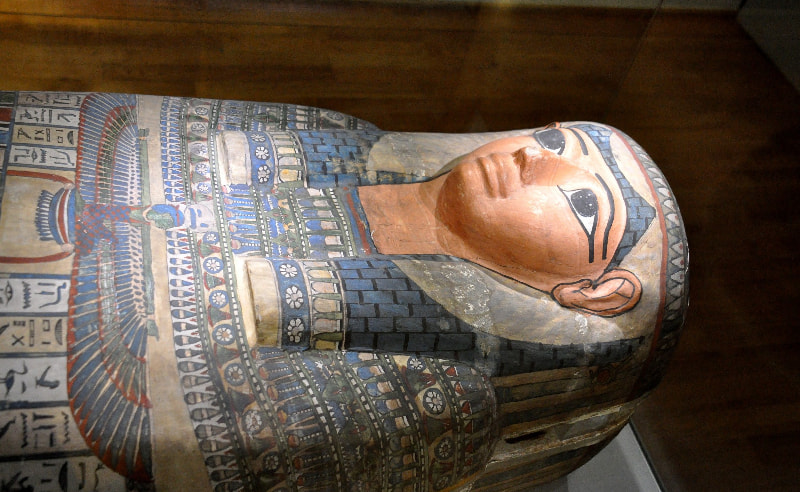
Two museums in Glasgow have taken ancient Egyptian human remains out of public view following a reassessment of how such material should be displayed.
Kelvingrove Art Gallery and Museum removed the mummified remains of the priest Nekht, along with a mummified male head, right foot and right hand recovered from the Valley of the Kings. Nekht is thought to have lived between 1985 and 1797 BC and was excavated at Beni Hasan before being donated to Glasgow in 1923.
Glasgow Life, which manages Kelvingrove, said the decision reflected the absence of documented consent from the deceased or their descendants. Its draft policy proposes limiting display of human remains to cases where informed consent can be established.
At The Hunterian, the remains of Lady Shep-En-Hor have been covered with a specially designed textile while her sarcophagus remains on display. The museum said it reached the decision after consulting Egyptologists, although questions remain over whether the remains inside the coffin are actually hers.
The changes follow updated guidance from the International Council of Museums placing greater emphasis on the dignity of human remains and consultation with descendant communities. Both Glasgow institutions said they would consider repatriation if approached by a relevant country or institution.
- Previous Article Turuq Innovations Secures Seed Investment From Den VC
- Next Article Prospa to Headline PopUp x Vertex's Party in Beirut Dec 29th