





Cairo Studio Its Kitch Turns Digital Play Into 3D-Printed Designs
Its Kitsch turns 3D-printed objects into playful, bold pieces that change with colour, light, and imagination.
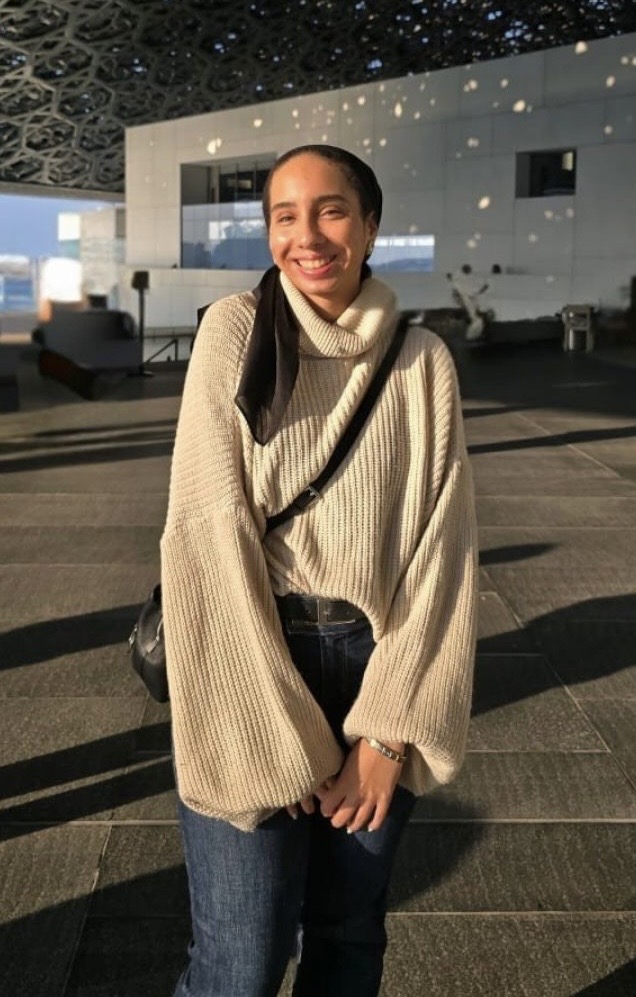
Cairo-based design studio Its Kitsch began with a collection of ideas that had been sitting in files, sketches, and half-finished models for years, ideas that never moved forward and were often slowed down by hesitation or the need for everything to feel resolved before it is made. For Farah Nammar and Shorouk Elzeftawy, the studio became a way to stop holding on to those pauses and start producing instead.
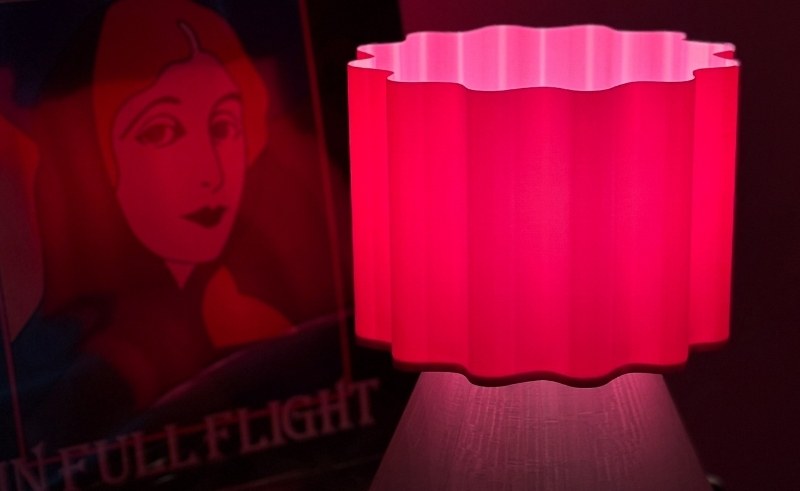
“We always wanted to do something on our own. We get bored very easily. We try to do everything, so we thought, let’s do everything, but put it under a brand so we can have our freedom of creativity,” Nammar tells SceneHome.
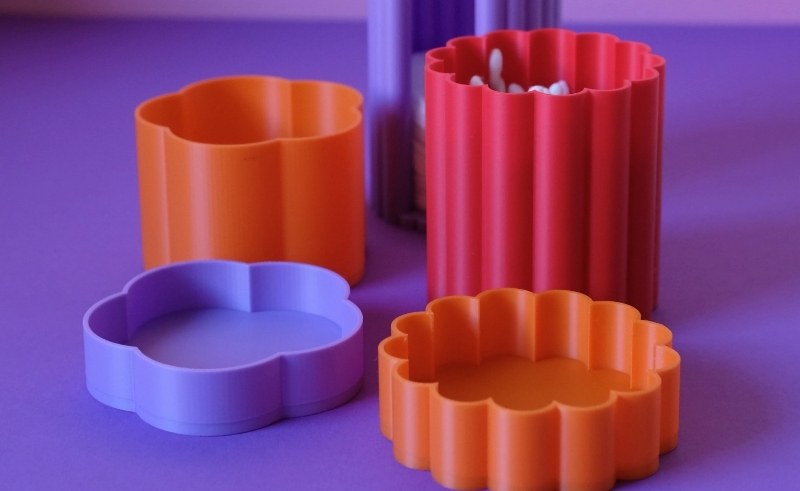
3D printing became the tool that made this possible, connecting digital design and physical production in a direct way where a form on screen can quickly become an object in hand, and the process remains open as shape comes first, followed by colour, material, and light. “We tend to do things that look like you wouldn’t find them anywhere. It’s the mix of weird colours, and somehow it stands out. It’s not rigid, it doesn’t have to follow all the rules,” Elzeftawy explains.
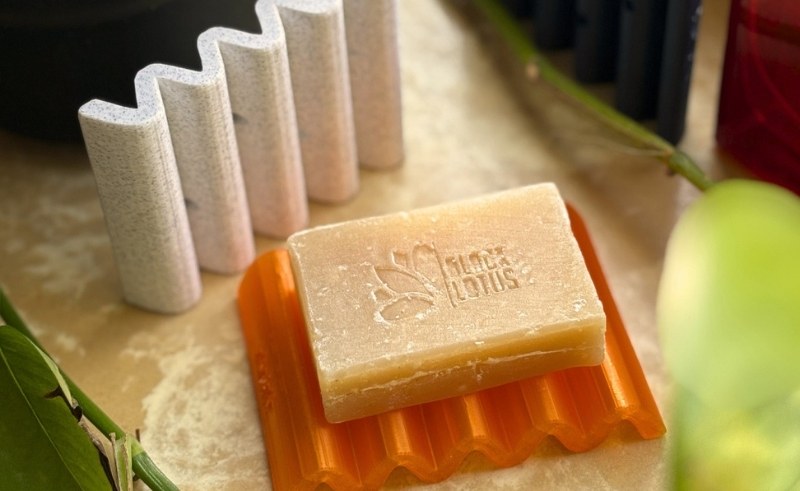
The work often starts with simple geometric studies as the designers test how curves, density, and repetition behave once printed, producing forms that can feel compact or open depending on structure. Lighting became one of the first directions they explored because it changes how these forms are read, and a piece can shift completely once illuminated. “When you look at the piece without light and then with light, it’s a completely different piece. The colour changes everything,” Nammar notes.
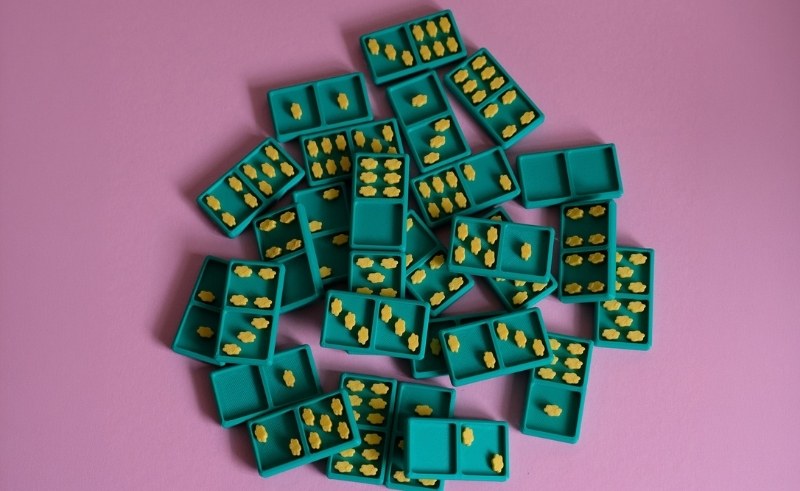
Each object is adjusted through testing as the printer introduces limits that become part of the design process itself, where thickness, structure, and support are not fixed at the beginning but shaped through repetition and iteration, meaning nothing is final on the first attempt.
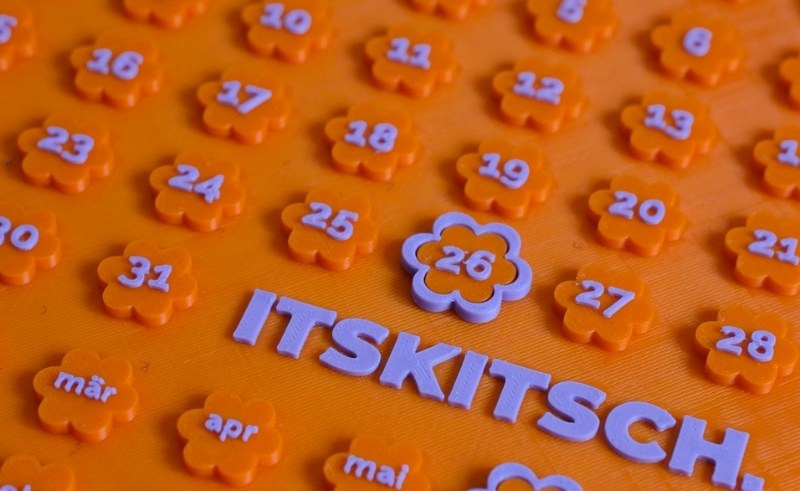
Material choice is part of this process as PLA and recycled filaments are used to balance appearance and production quality, with each object made on demand so nothing is produced without use, keeping the process direct while reducing excess material.
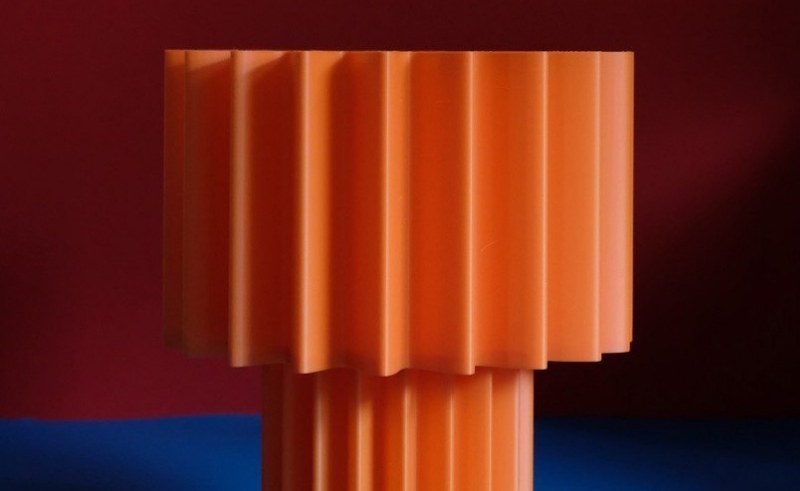
The studio is now also looking at how these printed parts can move into clothing and accessories as small modules are designed to attach to garments or function as standalone pieces. “Right now we are exploring the fashion element, how you can implement 3D-printed objects in apparel. You can change the module and it becomes a new piece,” Elzeftawy says.
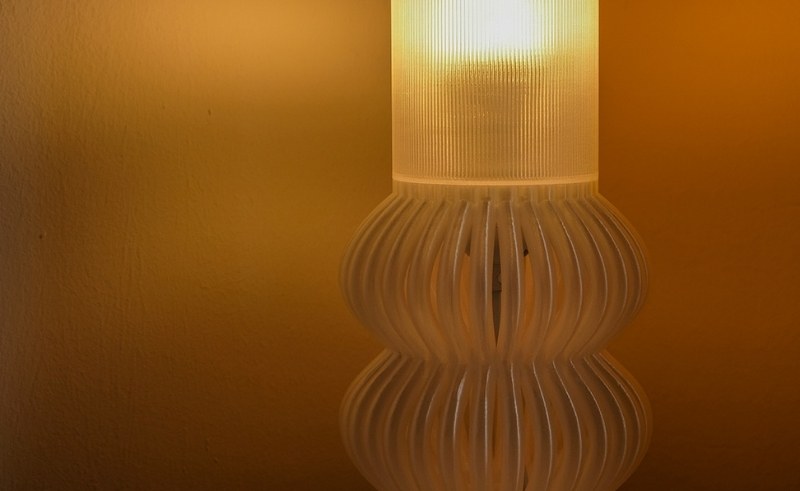
The work is also shaped through images as objects appear on Instagram through product shots that document both process and result, allowing the visual language to stay consistent while the work exists across physical and digital spaces at the same time.