





Egyptian-British Chef Meedu Saad Built Impala From His Memories
Egyptian British Chef Meedu shares the childhood memories and travels that inspired new Soho restaurant Impala
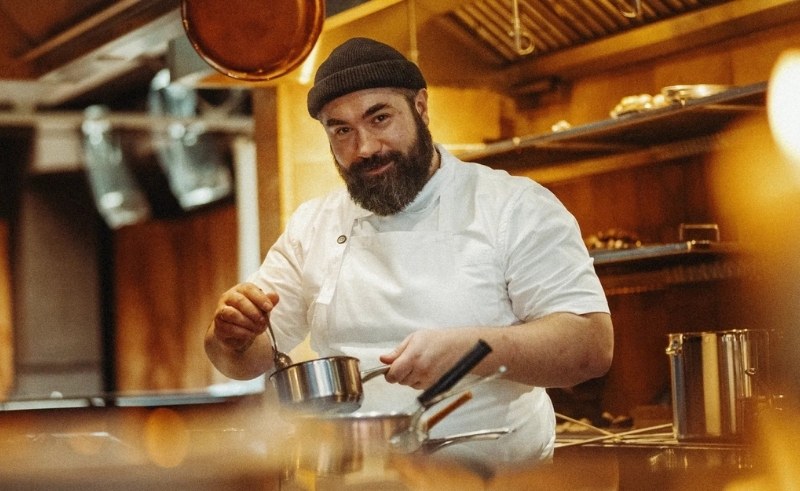
Impala is a London-based restaurant designed out of memory. The kind that comes back in flashes: a grandmother’s kitchen floor, a kebab shop in Ismailia, the smell of fresh samna baladi, mangoes picked on a farm.
“I spent a lot of my time with my grandmother and aunts around the kitchen,” Saad, the founder of Impala tells SceneEats. “Looking back, I definitely would have spent more time and asked more questions, to try to preserve some of the traditions. My dad’s sister, Fifi, was an incredible cook,” he says. “And they didn’t have a lot, but you could not have better food. They would get crabs and boil them on the table, and then my uncle would bring out a mango from under the bed, wrapped in newspaper.”
Then, with a breath between recollections, Saad pauses. “But actually, I think what I’m proud of about Impala is that it was built on memories. It’s the way I remember my grandmother and aunt and their cooking. Maybe if I went back now, and they were still alive, their cooking wouldn’t be that great,” he laughs.
 That is the magic of it all: the way a child looks at mundane summer evenings through rosy sunglasses, until every meal a grandmother touches becomes almost divine. Impala is not necessarily trying to recreate an exact recipe, but the feeling we remember from a meal.
Born and raised in North London, Saad spent much of his childhood moving between Tottenham and Egypt. “I felt like I was two different people in two different places,” he says. London was home, but Egypt offered something else: a familial warmth, late nights playing outside with cousins, a looseness that felt freer than the streets he knew in North London. “I grew up in a rough neighborhood. Egypt was sort of a bit of a break from that,” he says. “The people are really warm and have a great sense of humour. They like to take the mickey,” he laughs.
And then, of course, there was the food. In Egypt, as in so many families, love often arrives too hot and insistently plated. “That’s a big thing when you go and visit family,” Saad says. “They’re like, come, we’re going to eat, and then they feed you too much food.”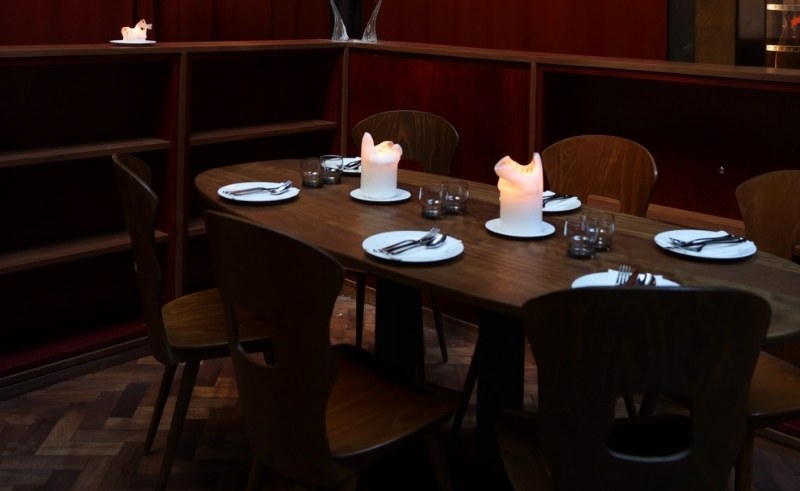 And so when asked by his business partner and founder of Super 8, Ben Chapman, what restaurant he would like to build, Saad flippantly said North African, something a bit closer to home. But it clicked into place when Saad became a father. “That was a real key point for me to be like, right, I want to learn more about my culture and who I am and where I'm from. And how do I do that? Food has always been like a gateway for me to understand culture.”
Saad did not begin the project by chasing authenticity in its most literal sense. “I was keen to cook from memory, rather than going back to Egypt and trying to find the recipe as it was,” he says. “Sometimes the memory you have is better than the reality.”
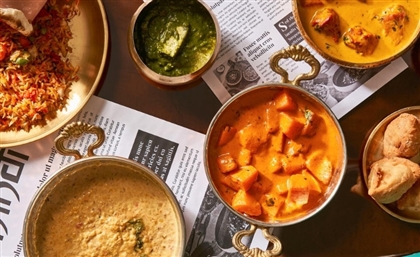
The result is a restaurant full of beautiful contradictions, much like Saad himself. “Impala is a London restaurant,” he says. “It pulls from my childhood in Egypt, but also across North Africa.” It is not fusion in the blunt sense of two cuisines forced together. Instead, just like Saad’s scatter box identity, the menu is a compilation of fragments from Saad’s life.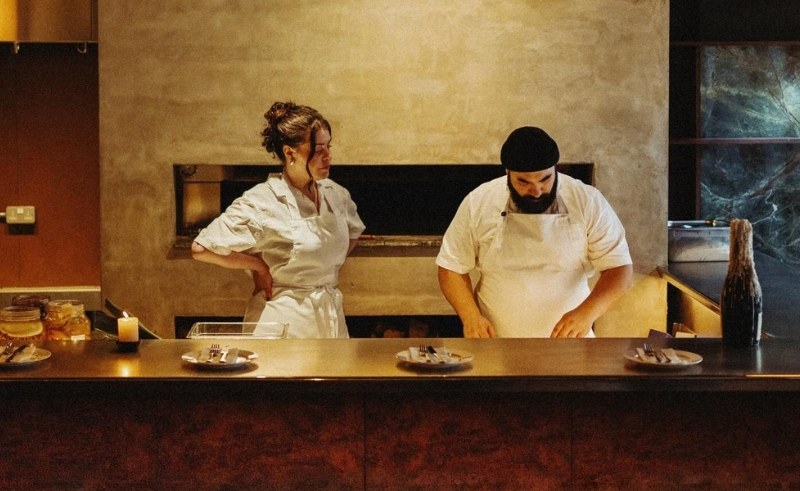 His pastilla nods to Morocco but also to Egyptian goulash, the meat pastry he remembers making in his grandmother’s kitchen. The bird’s tongue pasta is cooked more like a risotto, silkier than the bran-baked versions of memory, yet still connected to Helmi, a kebab place in Ismailia where he remembers sitting upstairs among grilled meats and pasta in clay pots. “As soon as I hear the name of it, it just instantly transports me,” he says.
The duck, one of the restaurant’s core dishes, comes from a summer when Saad was around 14 or 15, staying near Ismailia with his cousin and helping out on a mango farm. At lunchtime, there would be these lavish meals: roast pigeon, roast ducks, rice, fruit, the aroma of samna baladi. “I knew I needed a dish that one, was delicious, and two, really came from a place in my mind that had a lot of memory,” he says.
Five years in the making, Impala is also the product of deep research, travel and years of professional muscle memory. For one of his research trips, he took a small team through Cairo, Faiyum, Ismailia and Port Said: to staples like Café Riche, Al Horreya, Friday markets, community ovens, fish markets and Nawaya Farm. These trips gave texture to the memories, becoming part of Impala’s language.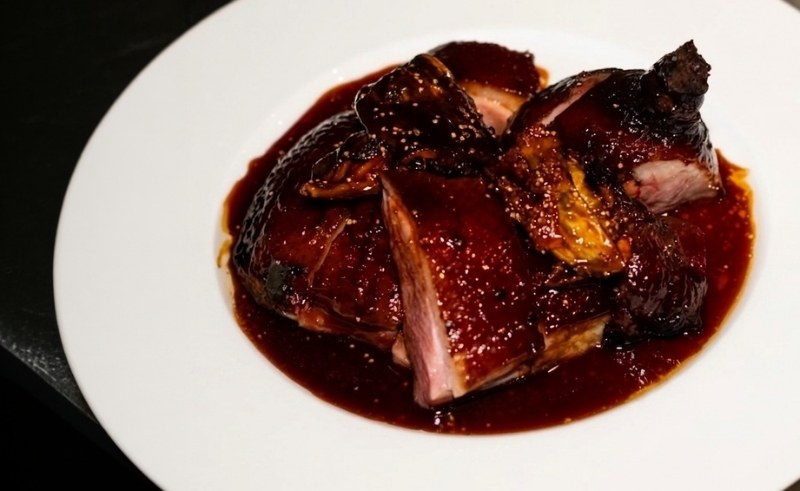 On the other hand, cooking Thai food at Smoking Goat and Kiln, he says changed the way he looks for acidity, while his French classical training informs his approach to balance. He also travelled through Istanbul, Athens, Tokyo, Marseille, Italy and the south of France, drawn especially to diasporic food cultures where second-generation cooks create something rooted in heritage but undeniably shaped by where they live. “It’s not fusion,” he says. “It’s more than that, because it is their identity.” Impala’s menu lives in this overlap: North London and Cairo, childhood and craft, nostalgia and creative skill.
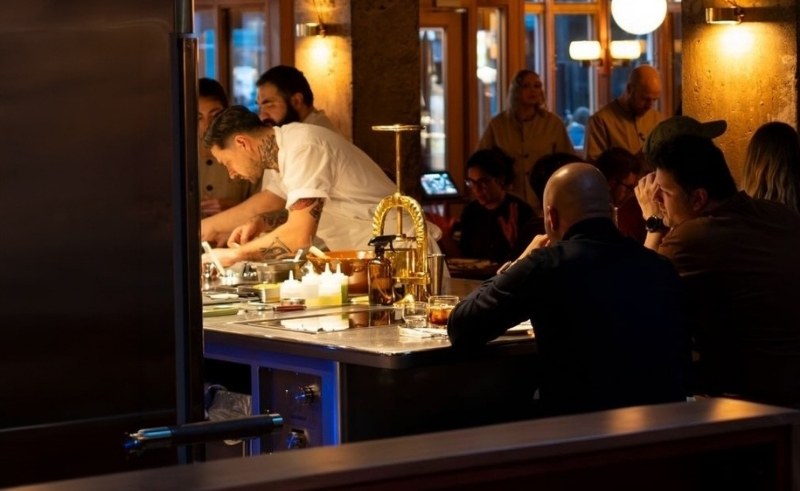
To make these dishes come to life Saad works closely with head of sourcing and development Song Su Kim, treating the supply chain as part of the creative process. Early on, he says, they identified some key items we wanted to try and source directly, “I sent Kim to Tunisia, where she sourced some incredible harissa from both Djerba and Nabeul, as well as dried fruit and a powdered muluhiya that now helps shape the menu’s North African vocabulary.” Elsewhere, the restaurant works with Maltby & Greek for Cretan produce—olive oil, sheep’s cheese—while also building from his long-standing relationships with UK farms. For Saad, these relationships are deliberately reciprocal: “We see them as part of our team. It has to be a symbiotic relationship” he says. “When they’re having a good year, we’re having a good year.” If a farmer calls with too many courgettes, “we’re like, yeah, we need to design a dish that has courgettes.”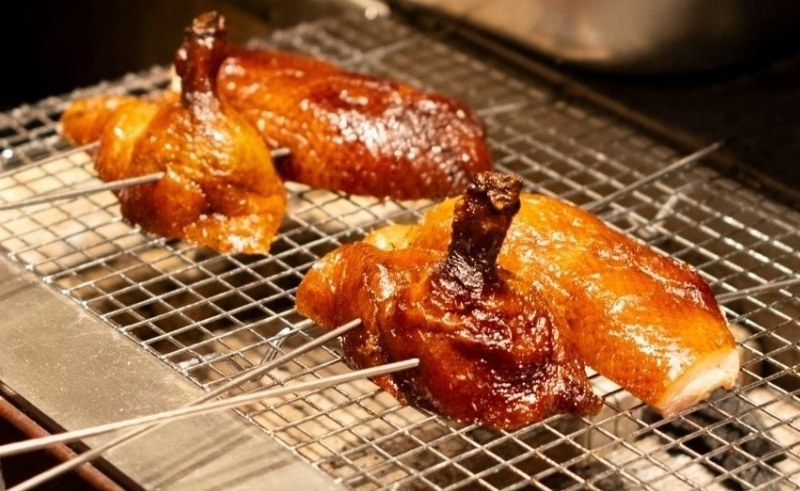 Then there is the interior design of the restaurant. The space started as a refurbished garage in the heart of Soho, transformed with a modernist Italian mid-century touch, and then designed to let Cairo’s energy seep in sideways. Guests move through the kitchen and past the pillars to reach the back room, a gesture inspired by the feeling of walking through Cairo’s alleyways mixed in with heat and noise just have to pass to get to your favourite hidden gem. “That’s Cairo, right?” Saad says. “We wanted that energy in Impala.” It is all set under a dark, candlelit atmosphere. “We wanted the restaurant to be romantic,” he says. “There’s something really lovely about just seeing the light from the kitchen or the light from the candle.” It may make the menu harder to read, he jokes, but if everything tastes good, perhaps that hardly matters.
Reflecting on all the recent opening of Impala Saad is overwhelmed with gratitude, but also admits it’s all a bit daunting. “It’s pretty scary doing something that is this personal.” But that is also what gives it its charge. Impala is not a postcard from Egypt, nor a London chef’s neat interpretation of North Africa. It is the delicious, flickering contradiction of a life lived with a foot in two places and a chef cooking from the spaces in between.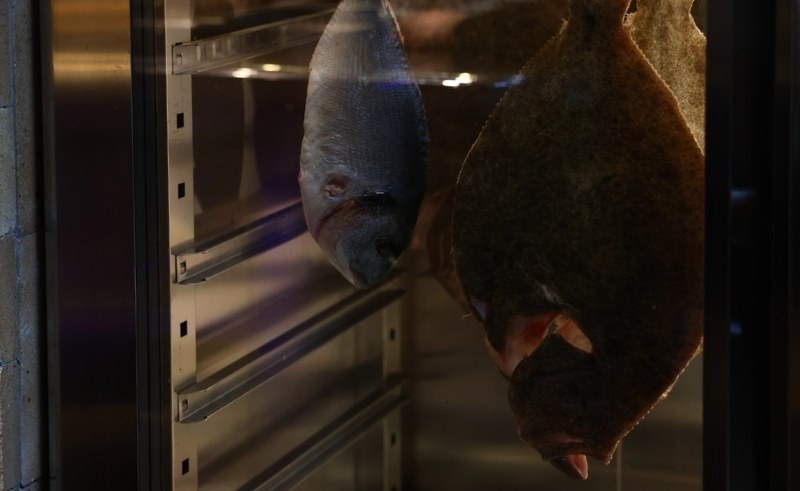
- Previous Article SceneNoise x Amsterdam Dance Event Present CROSSFADE: Egypt
- Next Article UAE Launches Sovereign AI Platform for Secure Infrastructure