





Ptolemaic Bath & Roman Villa Found in Alexandria Excavation
Excavations uncover Ptolemaic bath Roman villa and Byzantine layers, offering new insight into Alexandria’s urban development.

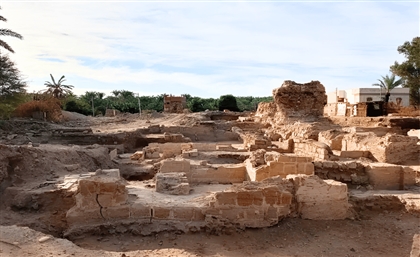
A salvage excavation in Moharram Bek in central Alexandria has uncovered a circular public bath dating to the late Ptolemaic period alongside the remains of a Roman residential villa, with architectural layers extending into the Byzantine era.
The excavation, conducted by the Supreme Council of Antiquities, identified a continuous sequence of occupation at the site spanning the Ptolemaic, Roman, and Byzantine periods.
Among the main findings is a circular bath of the tholoi type, as well as sections of a Roman villa featuring mosaic flooring in multiple styles.
Officials said the discovery contributes to a clearer understanding of how urban life in ancient Alexandria developed across successive historical phases.
The site combines residential and service architecture, including water installations such as a small bathing pool connected to the villa and supported by an integrated water management system.
The mosaic floors incorporate both Opus Tessellatum and Opus Sectile techniques, reflecting a range of artistic influences present in Alexandria during the Ptolemaic and Roman periods.
Archaeologists noted that these features point to the city’s role as a centre of cultural and artistic exchange.
The findings also help address a gap in archaeological study in the south-eastern sector of ancient Alexandria. Researchers said the results support earlier attempts to map the city’s historical layout, including work by Mahmoud Bey El Falaki, which used astronomical measurements and topographical analysis to reconstruct the urban plan.
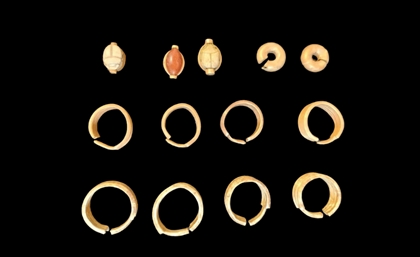
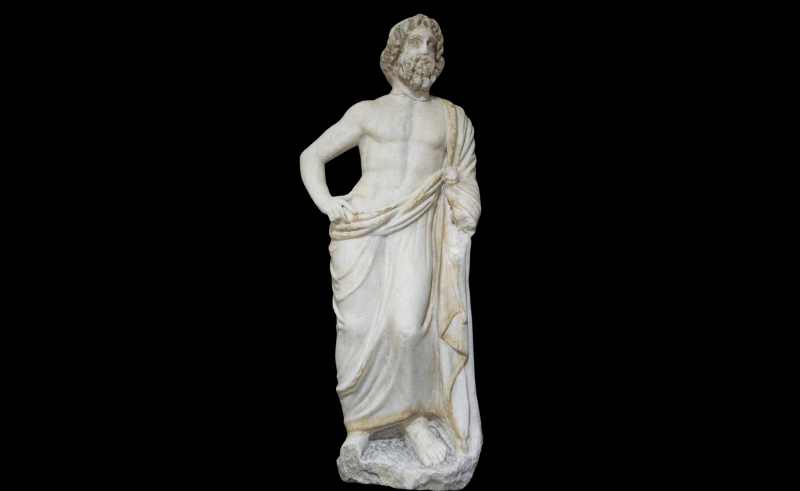
Artefacts recovered from the site include marble statues of deities such as Bacchus and Asclepius, and a headless figure believed to represent Minerva. Additional finds include coins, lamps, pottery vessels, and stamped amphora fragments, indicating active commercial and cultural connections across the Mediterranean.
Initial conservation work has begun on the artefacts, with plans under study to display selected pieces at the Greco Roman Museum.