





This Egyptian Brand Makes Pretty Things for the Happily Single
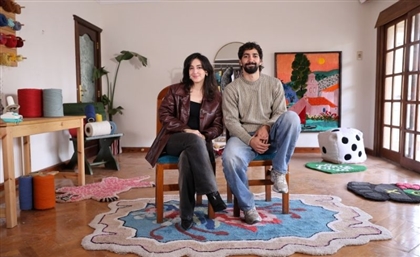
In a market where most homeware comes built for a lifetime of sharing, in sets too big for one, Maryam Youssef, the founder of Pretty Things, designs homeware for the happily single.

Whenever someone moves houses, or leaves their childhood home, or gets married, a sudden monumental emphasis is placed on the furniture and homeware they buy. Pretty much overnight, it no longer becomes a matter of collecting trinkets to build a home over time, it becomes a mission to split up elements of your selfhood into purchasable home accessories. For many Arab girls, that process is one they get to enjoy, and become overwhelmed by, only when engaged.
Assuming the social constraints of eternal single living for women suddenly vanished, the joy of building a home from scratch would still not be the same as when done with a partner. Homeware comes in 64-piece dinnerware sets and 20-piece linen bundles, which, for a single person, is simply impractical. For people who want to decorate their home for one, there is an unexpected compromise: either settle for the bland single plate, or invest in homeware built for a villa about 200 sqm larger than your apartment.
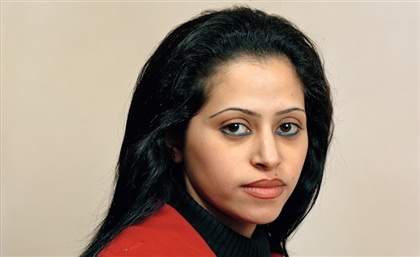
Maryam Youssef, the founder of Egyptian homeware brand Pretty Things, found herself in that exact position when she got engaged. She happily ran around time, collecting trinkets and homeware that allowed her to wear her heart on her walls. When she called off her engagement, she was devastated; she felt like this lovely thing - the ability to furnish her home according to her own taste - was suddenly taken away from her. For a while, she attempted to fit sets too large into her parents’ home, to no avail. So, she explored a new design model: pretty things for one.
“To me, and to a lot of my girl friends, the process of putting together your home is one of the most enjoyable parts of being engaged,” Youssef tells SceneHome, “So I decided to create products that anyone can buy and seamlessly integrate into their family homes without overstepping their mum’s China, no husband needed.”
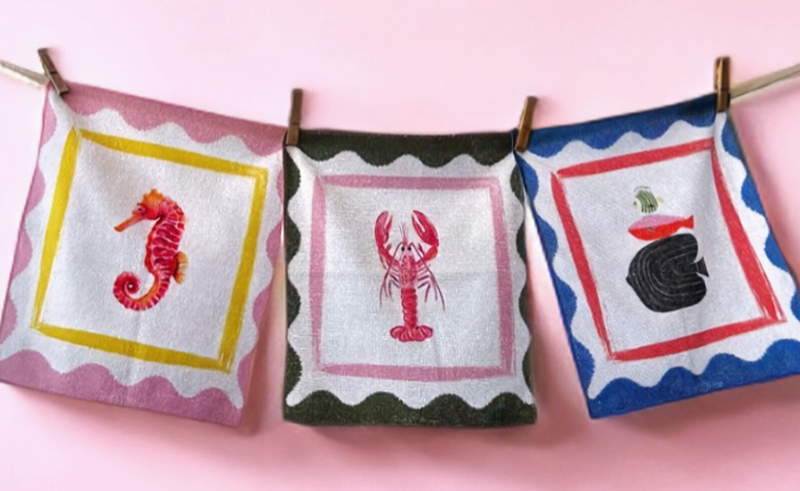
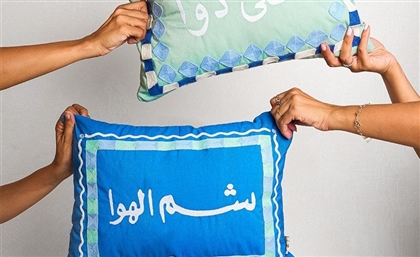
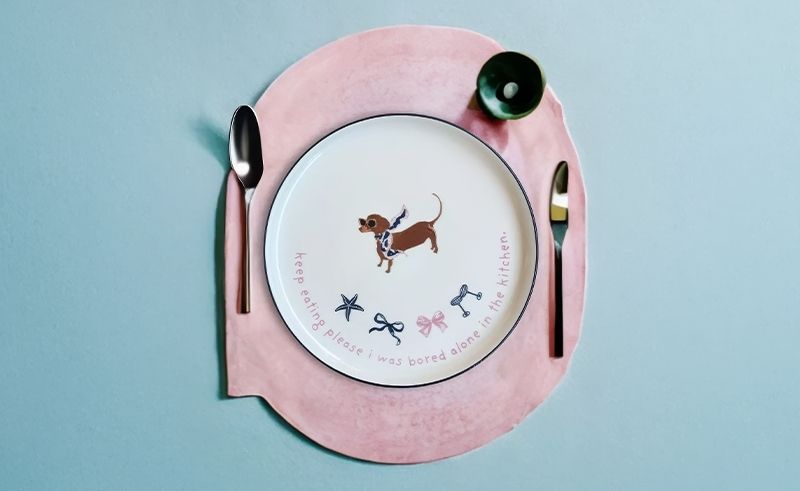
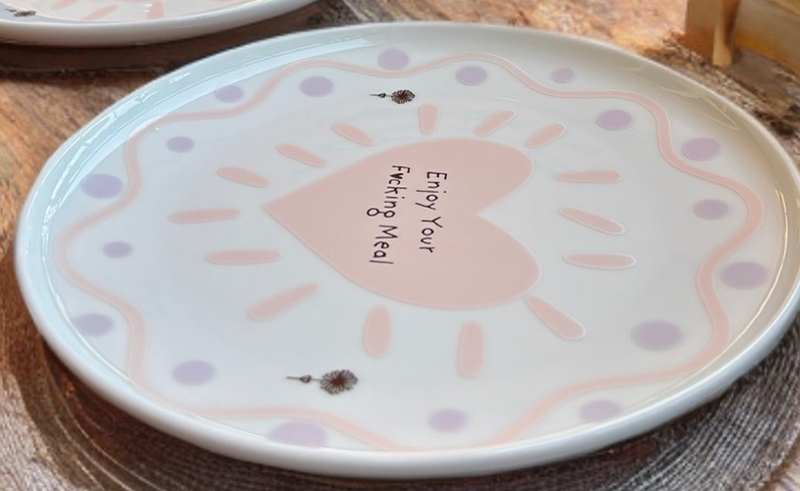
The Pretty Things website is split by room: bedroom, bathroom and kitchen. The products are items that typically find their way into your daily rotation, and that are intentionally pretty to counter their typically unremarkable, if not unflattering, appearance. Boring white plates become purple heart canvases inscribed with important directions, like ‘Enjoy Your F*cking Meal’, and faded Mickey Mouse-printed pillowcases are replaced with lush silk with bowties instead of a zipper. Their kitchen towels - which are, in the typical Egyptian kitchen, never actually kitchen towels but rather unrecognisable scraps of fabric from old clothes - are adorned with dainty illustrations that paint a picture of a single girl’s dream kitchen: manicured cooking hands, a watercolour oven and fluffy blueberry pancakes.
“Pretty Things is purely about telling girls that they don’t need to be married to own the aesthetic homeware they want. They don’t need to buy a lifetime set. They can just own and use Pretty Things.”
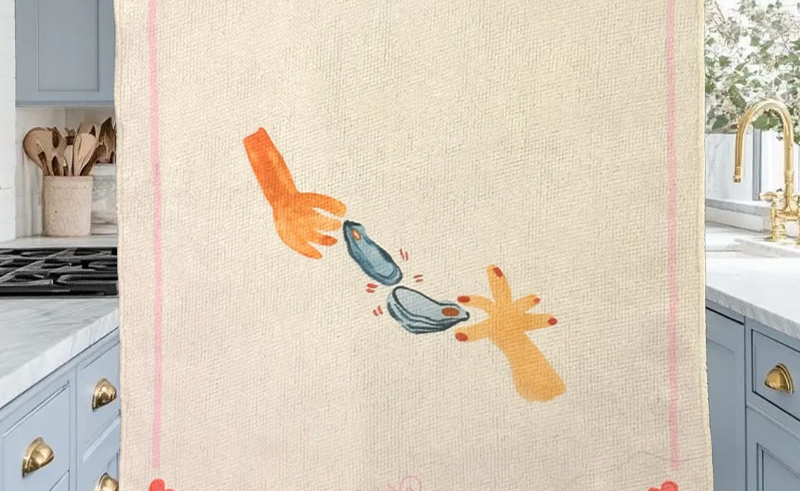
Pretty Things infiltrates every room subtly, leaving little design easter eggs for the user. Their designs are intentionally fun - created for dopamine secretion - and play on a sense of irony and humour that greets you at the end of cynical days. Created by someone who lives in their parents’ home, Pretty Things’ products respect the domestic hierarchy; you don’t get to kick your mum’s silverware out of the glass cabinet just because you found a set of forks with bows on top, but you can fit a couple in there.
Besides their visual appeal, Pretty Things’ products also intend on being pretty to the environment and the surrounding community. The brand’s small batch approach emphasises reuse and repair, packaged in plastic-minimal boxes that can, like their constituents, be reused. Designs are created by a network of Egyptian designers, in a small, circular production line that feeds itself entirely locally, entirely self-sufficiently.