





The Oldest House on Tabarja's Shore Never Learned to Hurry
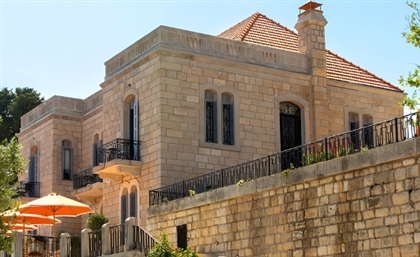
Beit El Bahr is a 1615 Lebanese guesthouse on Tabarja's shore that was restored just enough to breathe, with worn handles and stiff doors that still hold four centuries of salt-worn memory.

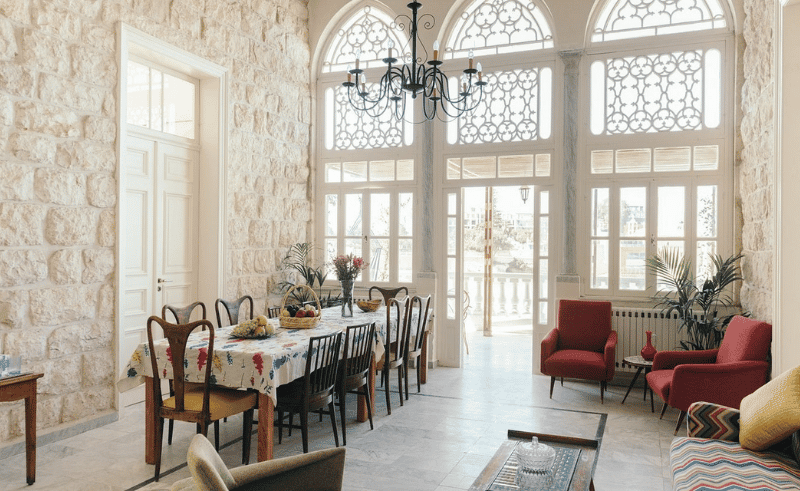
Long before the restaurants and the parasols and the lunchtime crowds claimed Tabarja's coastline, local legend tells of a wealthy king named Bargis who once ruled here, drawn, as everyone since seems to have been, by the same ease and proximity of sea and shade. Whether or not his court ever stood where Beit El Bahr does now, the story has settled into the soil the way old tales do in this part of Lebanon; repeated by fishermen and grandmothers until fact and folklore become impossible to prise apart. What's certain is that something has occupied this spot for centuries, and that the house standing here today, even after the shore filled in around it with seafood spots and sunbeds, has barely moved an inch from where it first laid.
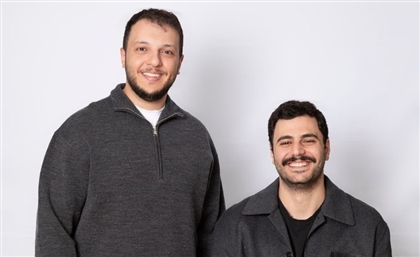
 Built in 1615 and passed down through one of Tabarja's oldest families, the guesthouse carries a name that translates simply to House of the Sea. "It was the only house that sat right by the sea," says Anthony Habib, the current owner of Beit el Bahr. He simply visited once and was absolutely enamoured by it. He knew he had to have it and share it with everyone else. What drew him in was the feeling of walking through the door. "You can really feel the history written into the architecture," he says. "It's really old so we renovated it lightly, in a way that kept the traditional feeling of the house." That instinct, to feel a space before deciding what to do with it, shaped everything that followed.
Restoring a 400-year-old house is rarely about adding anything, more often it's about knowing when to leave it well alone. Habib kept the bones of the house exactly as he found them, choosing to update what guests would actually touch and use: new beds, fresh linens, upgraded bathrooms, the luxuries and comforts expected of a stay by the sea. The walls, the stonework, the architecture holding it all together - none of that needed paint or persuasion.
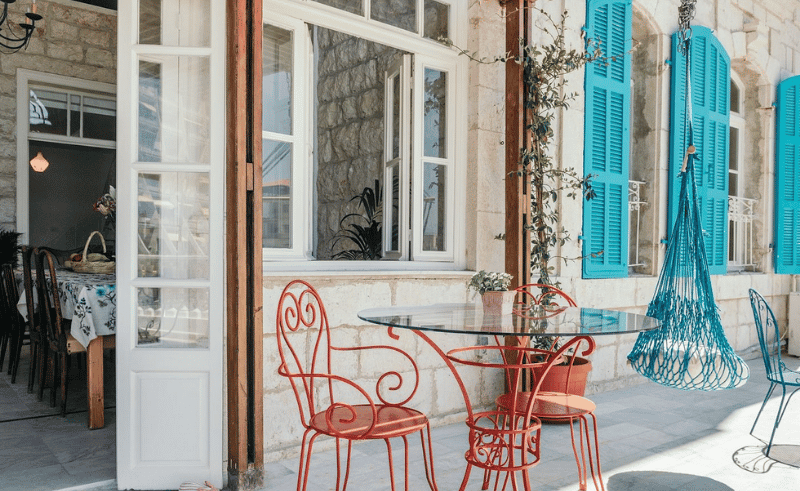
 "When you're restoring a house with that age, that can stand on its own, you leave things imperfect to let it breathe," Habib explains. It's a philosophy that runs through every handle and hinge in Beit El Bahr. The door handles were left untouched, worn smooth by four centuries of hands before this one. The terrace door still carries the same stiffness it always has, the kind that asks you to pause for a second longer before stepping outside. "It's very sensitive to know what to fix and what not to fix," he says. The windows could have been swapped out in an afternoon, but they stayed, because some discomforts are worth keeping for the history they unravel.
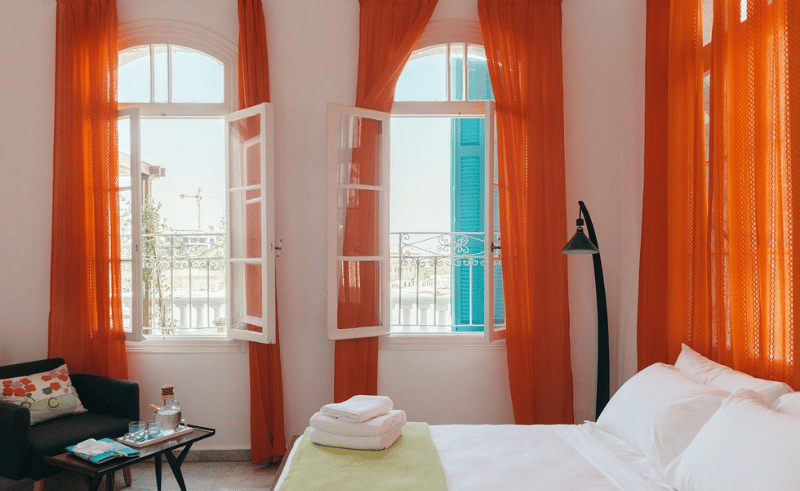
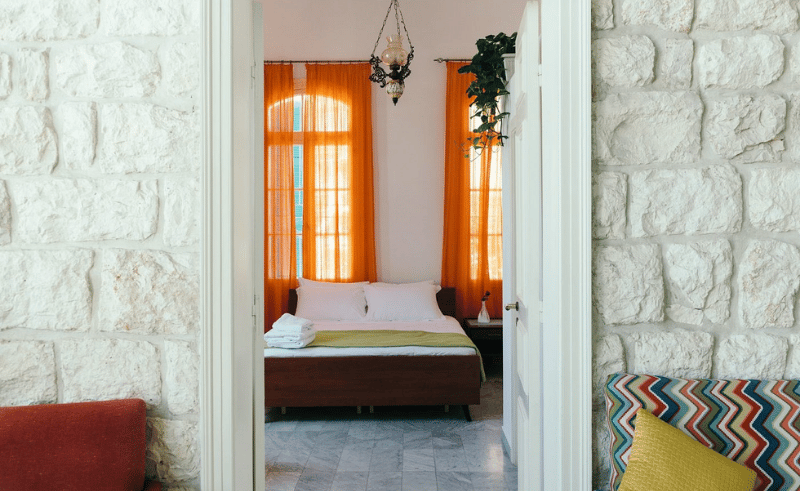 Within the limestone walls are six bedrooms with soaring seven-metre ceilings that mark the original build. Two suites, Mawj and Bahr, named for waves and sea respectively, look directly out onto the water and are offered first to guests. Four standard rooms complete the layout, amongst them Shorouq, named for the side of the house where the sun rises each morning. Guests can take a single room or claim the whole villa for a private gathering, and pricing stays fixed whatever the season. "Our prices don’t vary in winter or summer, high season or weekday," Habib notes. "We wanted to keep it affordable enough for everyone to enjoy and experience this traditional coastal house."
That openness has drawn a wide mix of guests through Beit El Bahr's doors: blushing brides stepping straight from the house onto the sand, bachelorette parties claiming the villa for a festive weekend, and families looking for a stretch of coast where the children can run wild and nobody minds the sand tracked through every room. All these moments and memories are kept close, in a guestbook left open as its pages fill with handwriting that grows looser the longer the stay goes on.
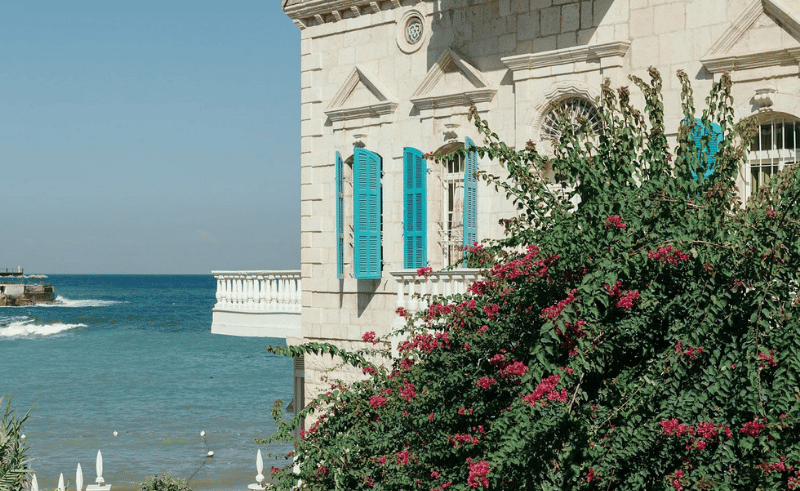 Tabarja, about 20 minutes north of the capital's busier shoreline, was never built for spectacle. It moves at the pace of its fishermen, who still follow the sunrise in wooden boats much as they always have, a sight Beit El Bahr's earliest risers catch from their windows most mornings. There are no clubs here, no high-end trattorias charging Batroun prices. What Tabarja offers is the version of the Lebanese coast that existed before any of that did, unhurried and a little salt worn, the kind of place where, as Habib puts it, “time seems to pause rather than move on.”
There was never any question of what breakfast would look like at Beit El Bahr. "You can’t be in a traditional Lebanese house and have salmon for breakfast," Habib says, laughing. Instead, mornings here are built around labneh drizzled with olive oil, plates of fresh vegetables, manakeesh smothered in zaatar, kechek and cheese, the full spread of a Lebanese household at its most generous.
By the time the plates are cleared, the fishing boats are usually already in, the sea outside is doing what it has always done, and the house, somehow, feels exactly as old and as alive as it’s meant to.
- Previous Article Saudi Arabia Ranked Safest Amongst G20 Countries in 2025
- Next Article Lebanese Restaurant Starters is Feeding People, Animals & Futures
Related Articles
Trending This Week
-
-
-
 Jul 02, 2026
 -