



Nine MENA Designers Redefining Interiors Through Waste
For decades, the design narrative of the MENA region has been driven by rapid urbanisation and industrial expansion. We are heavily dependent on sourcing materials from the global supply chain.
Imported marble and engineered glass dominate our interiors, often arriving with a heavy carbon price tag and a total detachment from our own landscapes. But if we look at the edges of our cities and the floors of our deserts, we will find materials that are worth designing with. As environmental pressures rise and the expenses of our import dependency multiply, reworking with what we have at hand is critical.
The real question isn’t whether all of these materials or practices will actually replace a global manufacturing industry. Some won’t, and that’s not a problem. What matters most is the shift they signal. These practices test how far our native materials can go, re-writing the material design narrative of our region.
Abeer Seikaly
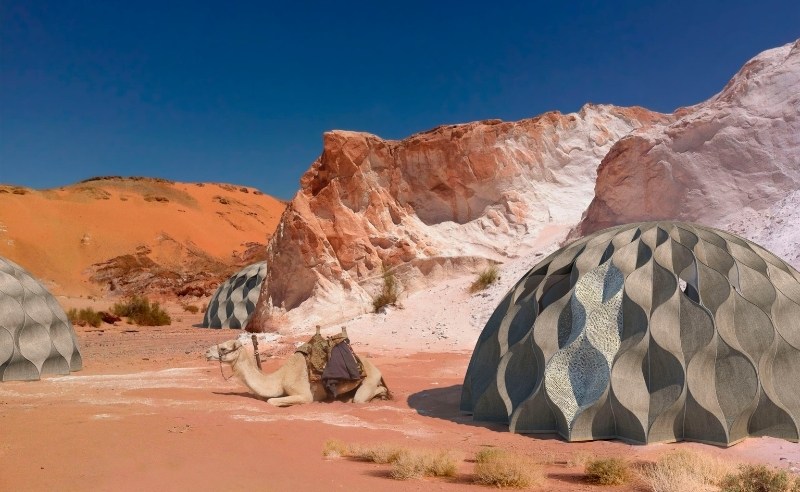
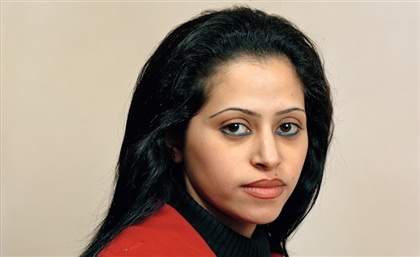
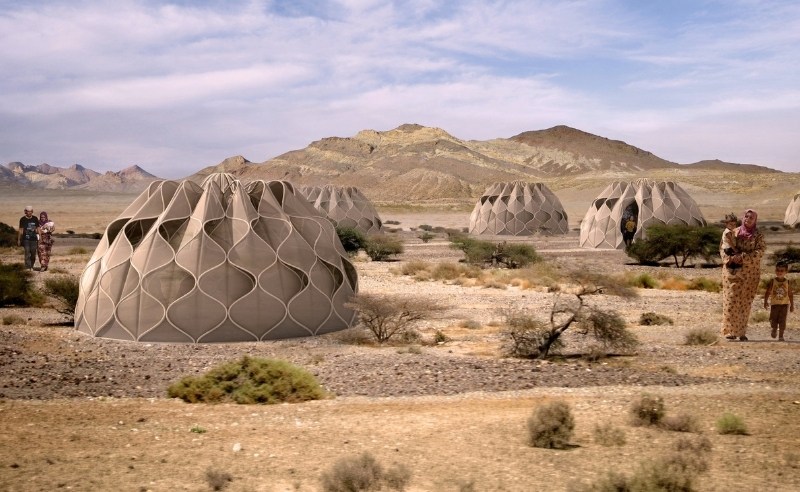
At the intersection of architecture and material research, Jordanian-Palestinian designer Abeer Seikaly’s work imagines structures that behave almost like living systems. Her textile-based shelters are made using local resources and the hands of skilled local craftspeople. Her work proposes objects that are designed to expand, contract and respond to their environment, visualising a future where materials are adaptive.
Studio Aya Moug
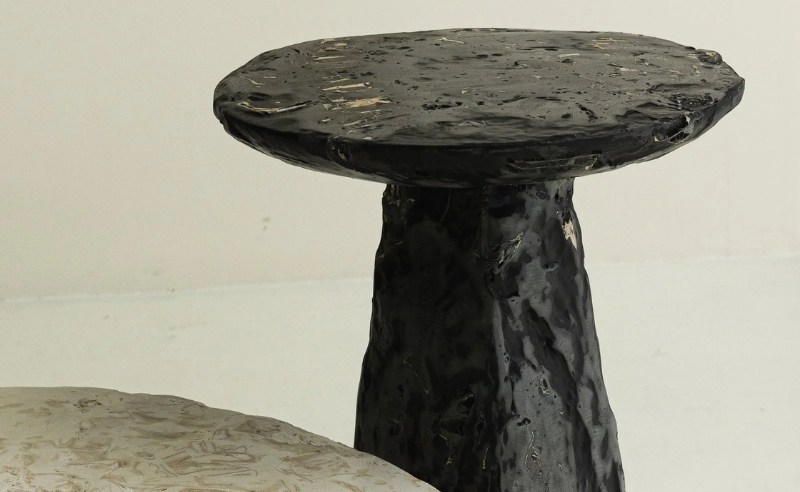
Dubai‑based designer Aya Moug blends craft and contemporary material innovation. Her work includes Byblos, a plant‑based biomaterial derived from papyrus grown along the Nile, offering a sustainable alternative to conventional surfaces like stone or marble.
Datecrete
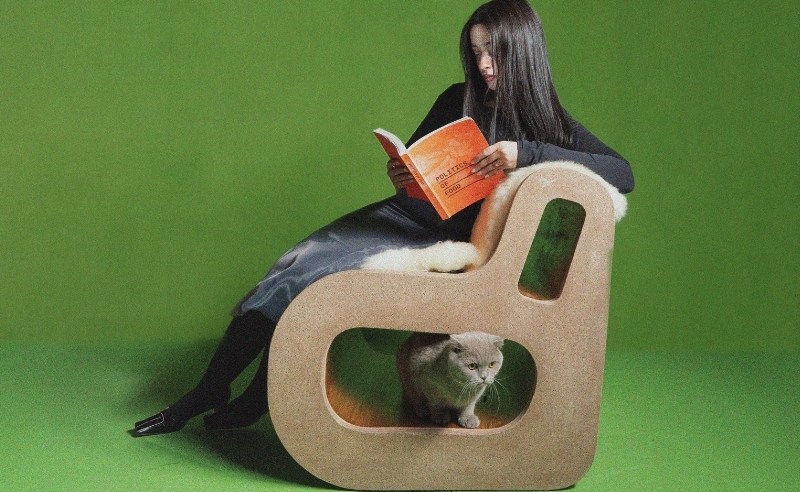
Datecrete is a material engineered from date seed waste, a byproduct of the region’s date production. Inspired by the cultural and ecological significance of the date palm, this material yields durable surfaces without the need for resin or concrete, challenging assumptions about what industrial materials have to look like.
Plypalm
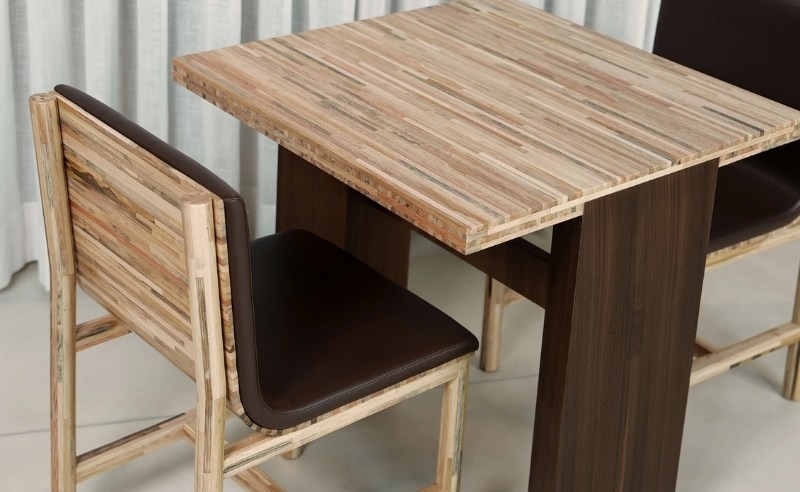
Plypalm transforms discarded date palm branches into hardwood‑like boards for use in furniture and interiors. By reimagining palm fiber and wood waste as structural and aesthetic materials, Plypalm connects this historically significant resource with contemporary sustainability, contributing to a regional design language rooted in our local natural resources.
Shell Homage
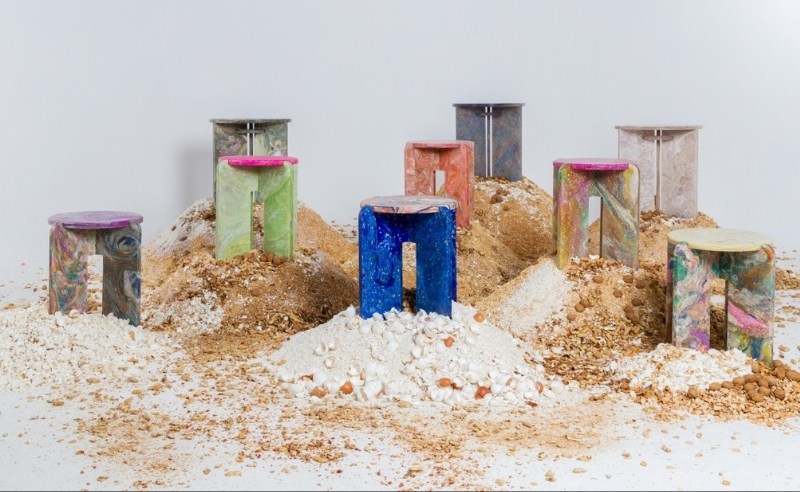
Shell Homage crafts biodegradable materials from discarded egg and nut shells. The practice transforms food waste into tactile materials that mimic stone, glass, or rubber, offering a compostable alternative to petrochemical plastics across interior, accessory, and product design. Ultimately, their work pushes the notion that the use of waste can be luxurious too.
Mai‑T
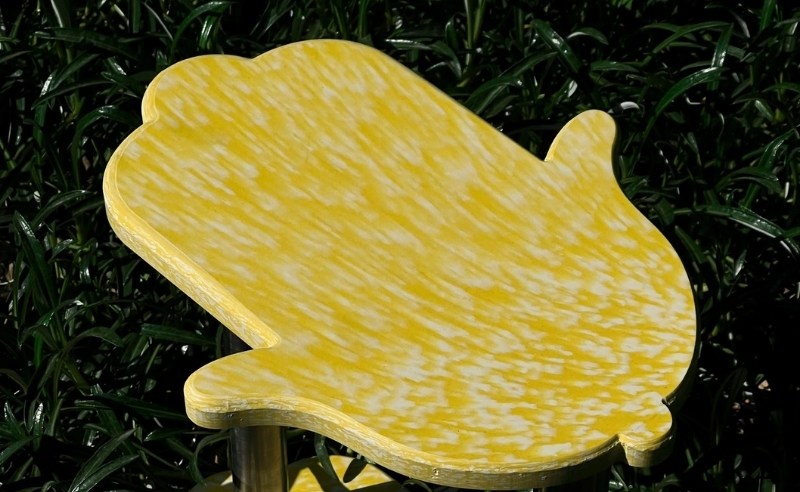
Mai-T, meaning “The Renewal Space,” approaches design as an act of transformation. Working with recycled plastic and local waste streams, the Cairo-based studio collaborates with designers to create objects and installations that carry both environmental and cultural narratives.
Karim + Elias
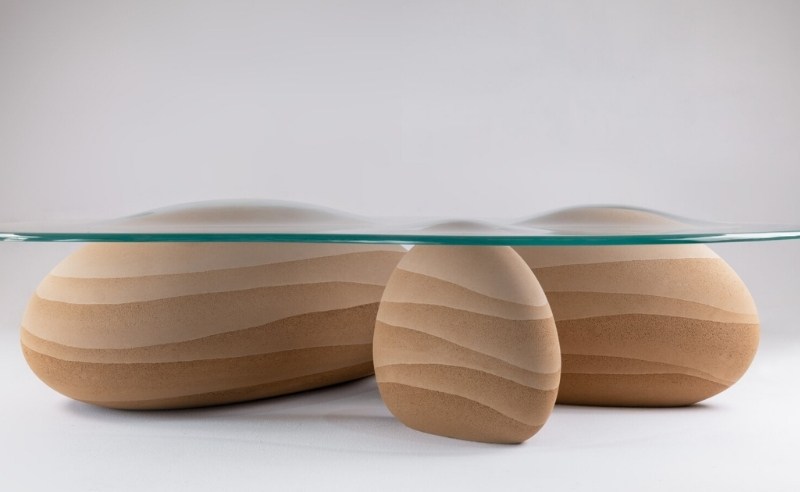
Karim Tamerji and Elias El Hage’s multidisciplinary studio reimagines desert sand, one of the region’s most prominent natural resources, as a medium with cultural significance. Using rammed‑earth techniques, they craft furniture, installations, and spatial works that echo ancient building traditions while producing engaging contemporary designs.
Reblox
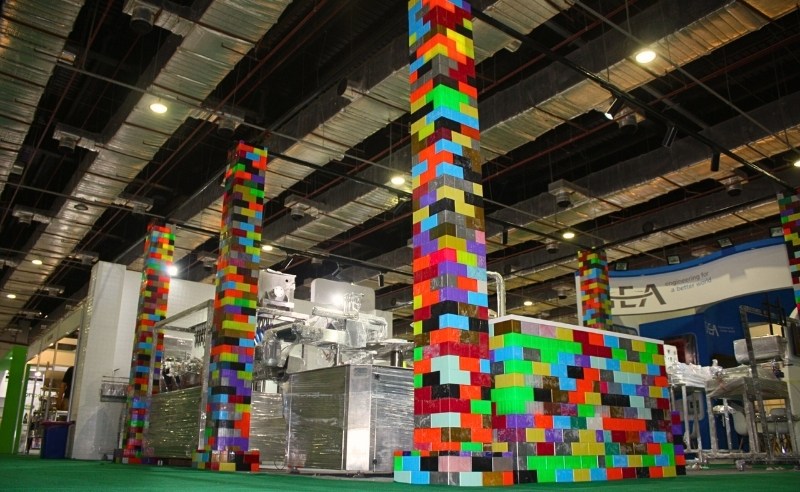
Reblox develops modular, eco‑friendly construction blocks made from recycled plastic that can be assembled and reused for temporary pavilions and pop‑ups. This approach champions circular design, transforming plastic waste into reusable and adaptable architectural elements.
Aseel Alamoudi
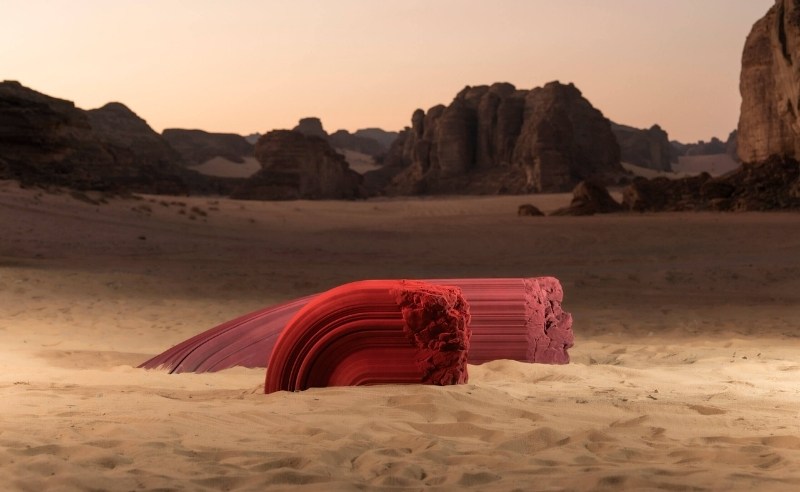
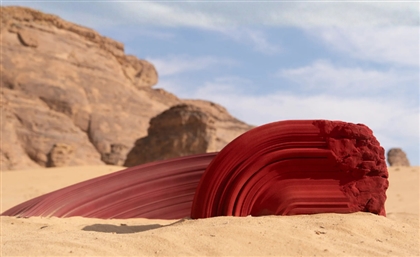
Saudi-based designer Aseel Alamoudi uses 3D-printed sand to create an interactive installation that mirrors AlUla’s geological layers. The benches are designed to be gradually reshaped by the wind, treating the desert’s most abundant resource as an evolving material. Her speculative “playscape” creates a dialogue between visitors and the natural forces of erosion that have shaped the desert floor.
- Previous Article SceneNoise x Amsterdam Dance Event Present CROSSFADE: Egypt
- Next Article Cairo’s Koffee Kulture Just Dropped Five New Pancakes