




Sara Shamma Rebuilds Syria’s Destroyed Palmyra at the Venice Biennale
Syria is returning to the Venice Biennale with an installation that reflects both the destruction of its heritage during the civil war and hopes for reconstruction.
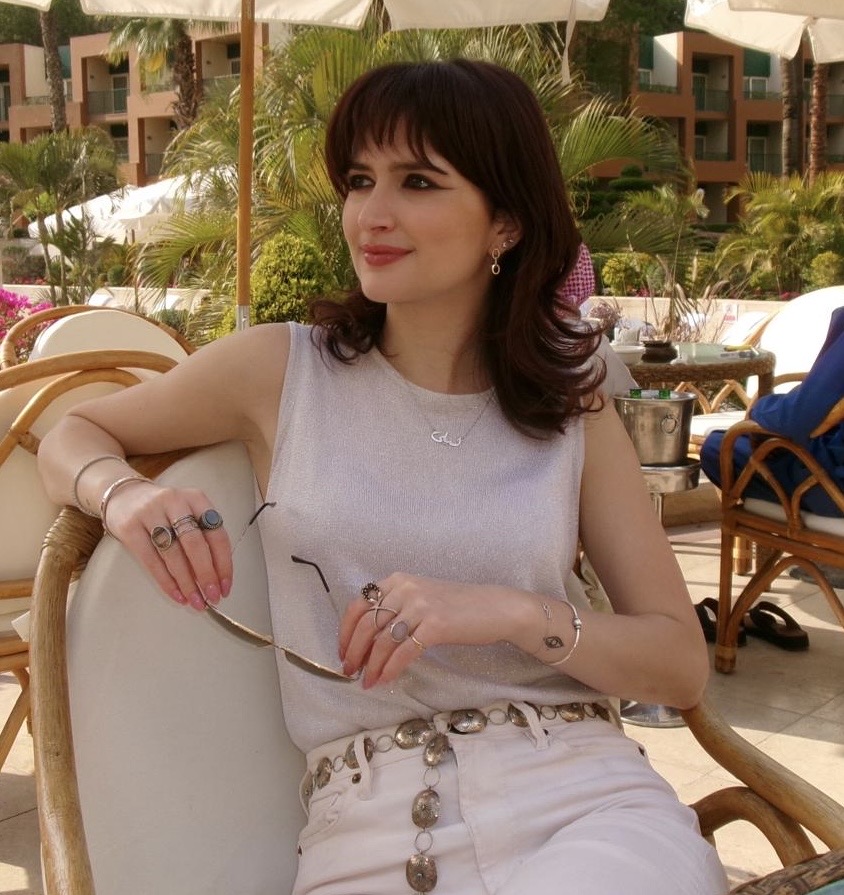
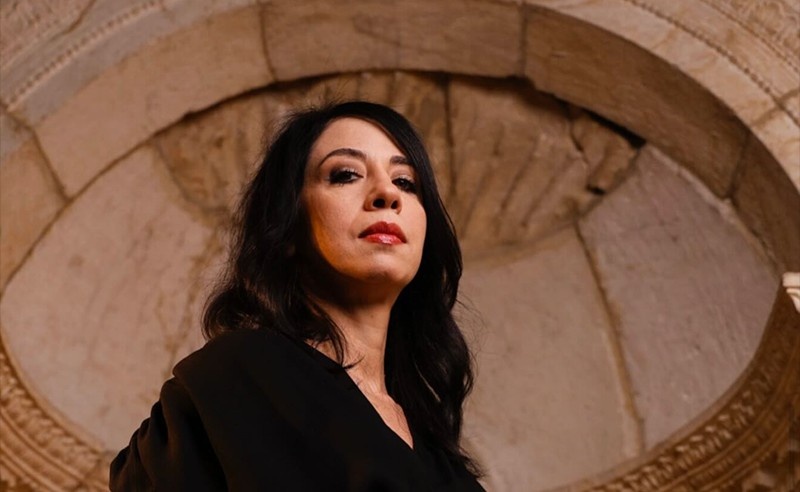
Damascene painter Sara Shamma will be the sole artist representing Syria at the 2026 Venice Biennale—the country’s first exhibition since the fall of Bashar al-Assad’s regime in December 2024.
Shamma’s The Tower Tomb of Palmyra resurrects ancient ruins that were destroyed by Islamic State militias at the beginning of the 13-year Syrian Civil War. Palmyra is a desert oasis north-east of Damascus that holds the ruins of “one of the most important cultural centres of the ancient world” according to UNESCO.
The funerary towers were some of its best preserved monuments—built between the 1st and 2nd century AD as burial chambers for wealthy families—before ISIS blew them up in 2015. This included the famous Tower of Elahbel built in 103 AD. Syria is home to six UNESCO World Heritage sites—including Palmyra—all of which were damaged or partially destroyed during the civil war.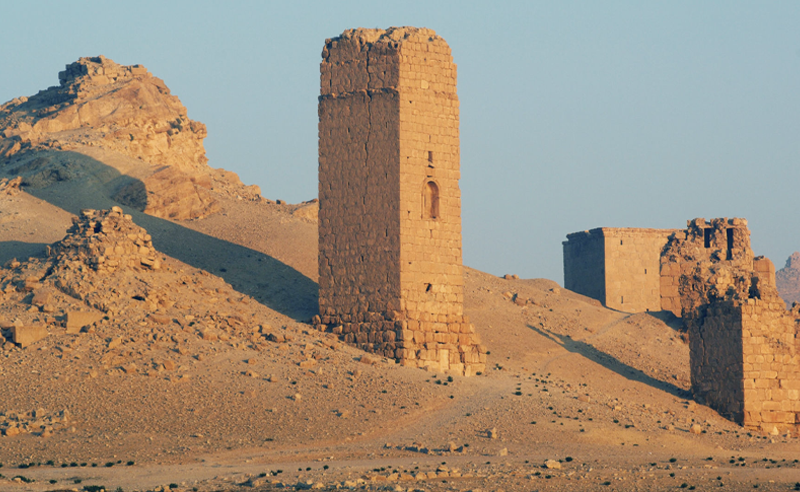 “So much of Syria has been destroyed. The tower tombs represent this destruction,” Shamma said of her Biennale work, “and it's reconstruction.”
Her exhibition is also a call to return Syria’s looted heritage as a step in the process of rebuilding. During the war, looters stole and trafficked thousands of antiquities from Palmyra and other Syrian heritage sites. Mosaics and other ancient treasures have been discovered in surprising places, like blackmarket Facebook sites.
Shamma will bring Palmyra to life in Venice through a multimedia and multi-sensory experience that will “recreate the sound of the desert and smell of the herbs in the area,” Shamma said. The 15 to 16 meter-tall tower will house the artist’s paintings inside, the media she was trained in at the University of Fine Arts in Damascus over 25 years ago.
Since she was 14 years old, Shamma knew that she would be an artist. She didn’t see it as a career choice, but rather her natural state, an ease that translates to her practice of applying brush to canvas. Shamma does not sketch before she paints, she said, she allows her work to evolve instinctively.
The idea for this project came to Shamma long before the Syrian Ministry of Culture approached her about the Biennale in 2025. She was supposed to exhibit it at the Fitzwilliam Museum at the University of Cambridge in the UK, until COVID foiled her plans.
But this project comes at a pivotal time for Syria, as an opportunity for Shamma to shape the country’s image on a global stage through one of the largest international art exhibitions while the country rebuilds.
Over 3 million Syrians have returned since the fall of the regime on December 8th, 2024. Shamma had moved back to Syria just three months earlier after living abroad for 11 years—the first three in Lebanon and next eight in the UK on an Exceptional Talent Visa. She witnessed regime change first hand, and is now participating in the reconstruction process. She wants to contribute in whatever way she can, she said. Especially by helping young artists.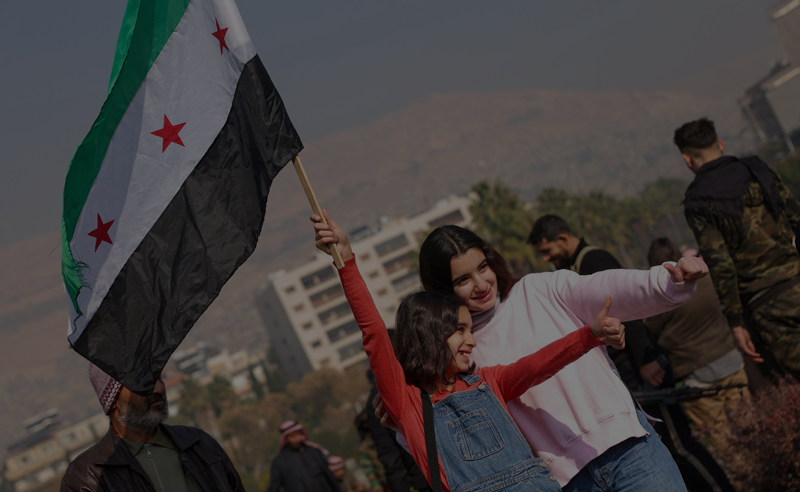 As the Syrian economy recovers from a state of total collapse, Shamma said the arts scene is slow, but promising.
“We will start to see a new kind of artistic practice because the country is open now, and there is a place for initiative that couldn’t exist in the old regime,” she said. “There will be a lot of creatives who will add something new to the art scene in Syria. I think that in 10 years or less, we will see the art scene in Syria flourish.”
The 61st Biennale di Venezia will open on May 9th and run until November 22nd, 2026.