



Dukkan Avantique’s ‘Home, Rewritten’ Dresses the Question of Belonging
Home is easy to name until you have had more than one. Dukkan Avantique’s new collection dresses the ambiguity of belonging.
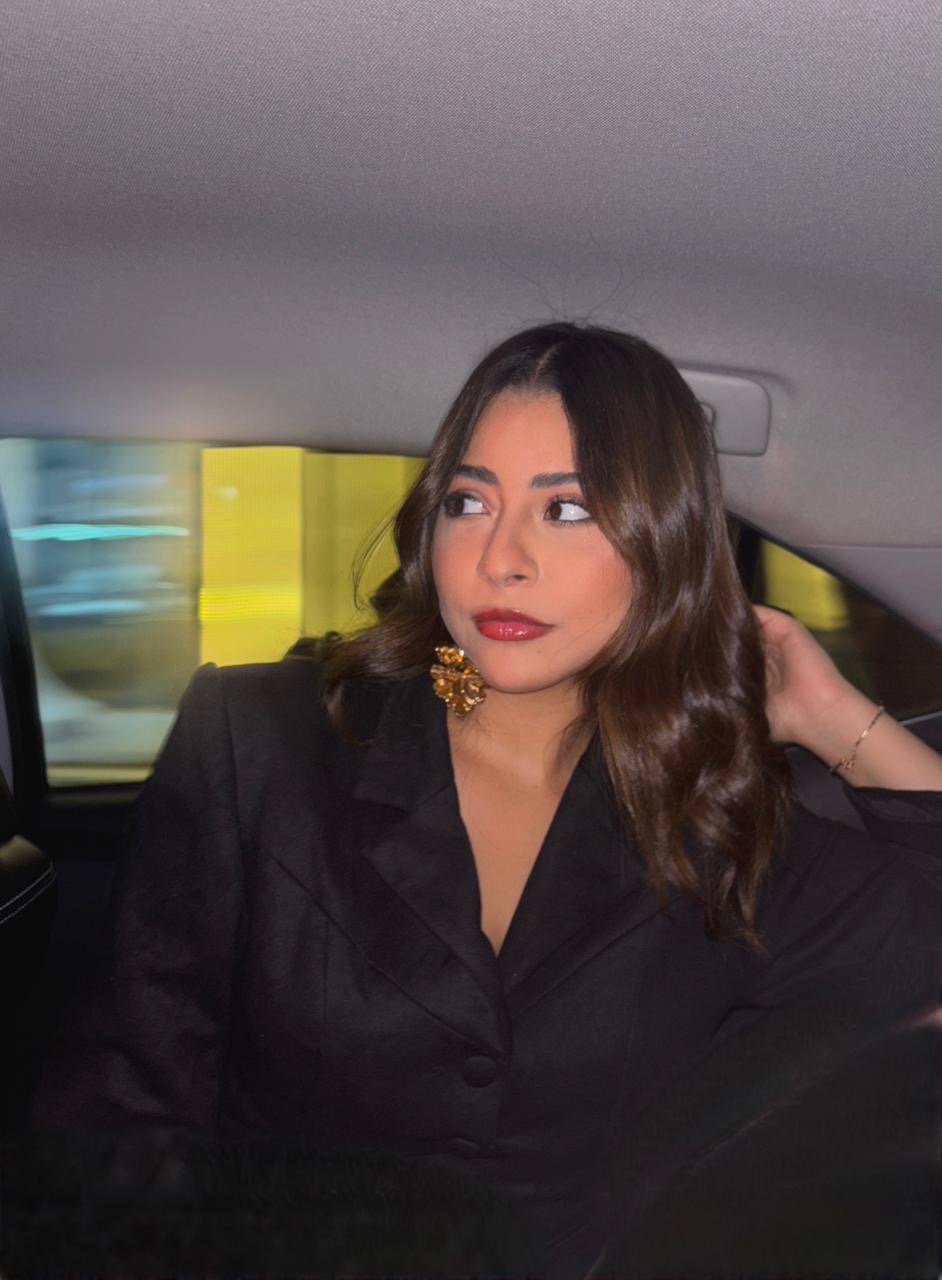
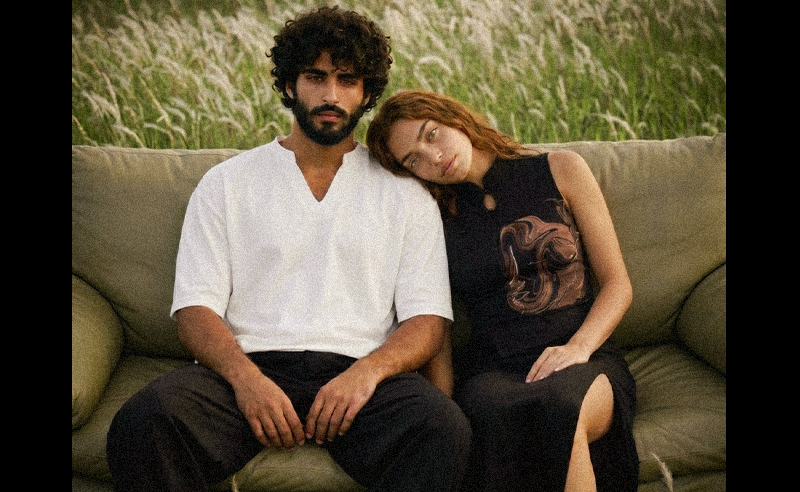
Dubai-based fashion brand Dukkan Avantique, whose designs revolve around the themes of third culture identity, has released a capsule collection that explores the philosophical dilemma of defining what "home" means.
Titled Home, Rewritten, the collection arrives one capsule at a time, each offering an attempt at an answer before moving to the next. For founders of Dukkan Avantique Rima Rokh and Sally Batha, this ambiguity is the core of the collection itself - because, as the founders explain, for those who have grown up between several countries, "home" is never one place.
The starting point was the loss of certainty. The previous collection, From Every Culture to Every Soul, had used visuals of real landscapes and turned them into the actual pieces of clothing – Saudi Arabian desert, Dubai cityscape, English countryside, each landscape dictating colour and forms. For Home, Rewritten, Rokh and Batha realised that it was the hardest part of the work. "We deliberately got rid of this certainty," Rokh tells SceneStyled.
-0abeeeb3-52fb-479b-8653-344f70eb951a.png) "Home is a feeling, and this feeling differs a lot from person to person," Batha says. What they used as a mood board for the project was no longer a set of references, but "a collage of interpretations of home" with the same question applied to all of them – "Does this feel like home?"
"Home is a feeling, and this feeling differs a lot from person to person," Batha says. What they used as a mood board for the project was no longer a set of references, but "a collage of interpretations of home" with the same question applied to all of them – "Does this feel like home?"
The question was asked to the community Dukkan Avantique has been developing around their brand. Formalised through Club Avantique, it consists not only of customers of their clothes, but of people who relate to the stories the founders are telling, people who grew up in several countries, cultures and concepts of belonging. Through events, collaborations and creative experience sharing, Rokh and Batha have been increasingly inviting the community into the world they have been creating.
When they asked their community what home meant, people named smells, food, particular sounds, family, the feeling of safety, and the specific relief of returning somewhere familiar after a long time away. "You cannot put 'feeling of safety' onto the garment literally," Rokh says. "We were trying to translate the emotional qualities, rather than the literal answers." Practically, it meant working with softness and structure, layering, the feeling of being held, and close-up details.
The first chapter starts with the Japanese proverb Sumeba Miyako ("home is where you make it"). Choosing this phrase, which doesn't come from their own backgrounds, was very much intentional. "It was the right start precisely because it wasn't from our cultural background", Batha explains. "This is not a collection about one definition of home. This is about many ways of constructing it."-be7041ab-61c9-439f-8ad3-0d9b80c44bc1.png) The oversized Sumeba Miyako tee takes a Japanese-inspired collar. Its back illustration is the original collage including the first elements of "home" which will be explored in this collection: the heart, nature, foods, smells, sounds, human connections, memory and growth.
The oversized Sumeba Miyako tee takes a Japanese-inspired collar. Its back illustration is the original collage including the first elements of "home" which will be explored in this collection: the heart, nature, foods, smells, sounds, human connections, memory and growth.
Within is one of the collection pieces that uses a Mandarin-style collar and frog closures, each reworked in proportion, fabric and styling. "We didn't want those foreign references to exist simply because they looked beautiful," Rokh explains, describing the aim as taking recognisable elements into "a new garment rather than a costume or direct reproduction."
Within explores the idea to the fullest, claiming that the first home is ourselves, and its construction is very much physical – fitted ribbing, defined collar, closures, and an asymmetrical hem. "Our inner self exists within a physical body," Batha explains, and therefore the garment has to cover the body "and at the same time let it move." The asymmetrical hem "prevents it from resolving nicely," according to Rokh.
Within was also the piece their community shaped most, weighing in on the placement of the artwork, the cut and the length. It was refined by subtraction, the result of removing things rather than continuously adding them, as Rokh explains. "The first sample looks very different from the end product."
While developing the collection, Rokh and Batha removed a zip-up hoodie they had loved, cutting it because they thought it explained itself too plainly. "The garment has to work before the story is read, it should deepen the relationship with the garment, not rescue it," Rokh says.
"Home, Rewritten isn't one fixed definition of home," Batha adds. "It's an evolving one. Laid side by side with the text stripped away, what should hold the pieces together is recognisable references pulled into clothes that interact with the body, details that surface only on a second look."
Related Articles


Trending This Week
-

-
 Aug 16, 2026
 -

-
 Aug 15, 2026