






Aloe Traces Found in Ancient Egyptian Embalming Materials
Chemical analysis has identified aloe-related compounds in some ancient Egyptian embalming samples for the first time.

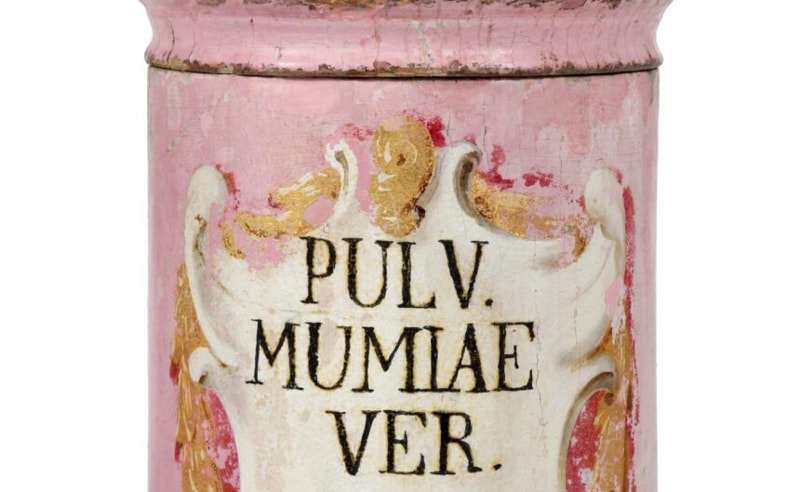
Scientists have identified molecular evidence that aloe-derived substances were used in some ancient Egyptian embalming mixtures, according to a study published in the Proceedings of the National Academy of Sciences.
Researchers analysed 24 items from university and pharmacy museum collections, including mummified body parts, bandages, embalming residues, commercial Mumia vera products and material from two mummified skulls.
Several samples contained molecules associated with aloe, including compounds related to aloeresin and aloin. In one case, the chemical signal matched an authentic aloeresin A standard, while similar compounds were found in material from one of the mummified heads.
The researchers said aloe-related compounds had not previously been identified in analytical studies of ancient Egyptian embalming, supporting their use in at least some mummification mixtures.
“We know that embalming was a complicated, multistage process involving resins, fats and other materials, but the precise recipes and the order in which they were applied remain incompletely reconstructed,” said Tim Berger, a doctoral candidate at Marburg University and co-lead author of the study.
The findings also prompted researchers to revisit the ancient Egyptian term ‘nḫ-jm.j’, translated as “life is within it”, which appears in an embalming context and may refer to aloe or an aloe-derived substance. The identification remains uncertain, however, and the researchers noted that later contamination of museum samples cannot be ruled out entirely.
Related Articles


Trending This Week
-

-

-
 Oct 24, 2026
-