






AI to Power Half of UAE Government Services Within Two Years
The shift is expected to enable proactive, automated services that handle processes across agencies in a single interaction.


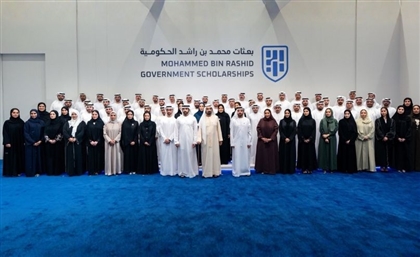
Up to half of federal government services in the UAE are set to operate using agentic artificial intelligence within two years, following a directive by Mohammed bin Rashid Al Maktoum. The approach positions AI as an operational layer across government systems, with officials describing it as an “executive partner” aimed at improving efficiency, accelerating decisions and enhancing service delivery.
Industry specialists said the transition will shift public services from reactive processes to proactive systems that anticipate user needs. Tasks such as residency renewals could be initiated automatically before deadlines, with backend coordination reducing the need for individuals to interact with multiple entities.
The model is expected to integrate services across agencies, allowing transactions such as trade licences, visa renewals and healthcare bookings to be completed within a single interaction. Processing times could be reduced from days to minutes through real-time data validation and automated decision-making.
Experts described the system as an “invisible government,” where interconnected AI agents operate across ministries to handle approvals, compliance checks, communication and fraud detection. These systems are designed to manage workflows in the background, organising processes based on user data and eligibility.
Additional applications could include automated handling of building permits, utility connections and school selection processes, with AI coordinating steps and pre-validating requirements rather than relying on manual input.
Specialists noted that implementation will require clear frameworks around decision transparency, data privacy and escalation pathways to human oversight. Cybersecurity considerations are also expected to grow as systems become more interconnected and data-driven.
- Previous Article Egypt Reaches 11 Million Licensed Vehicles in 2025
- Next Article Jusoor Brings Saudi Design to the World Stage at Milan Design Week
Related Articles

Trending This Week
-
-
 Sep 10, 2026
 -
 Sep 10, 2026
 -