





Lebanese Designer Nada Debs Restores Uzbek Mosque as Craft Haven
Nada Debs transforms a Tashkent mosque into a craft salon that celebrates enduring Uzbek artisanship.
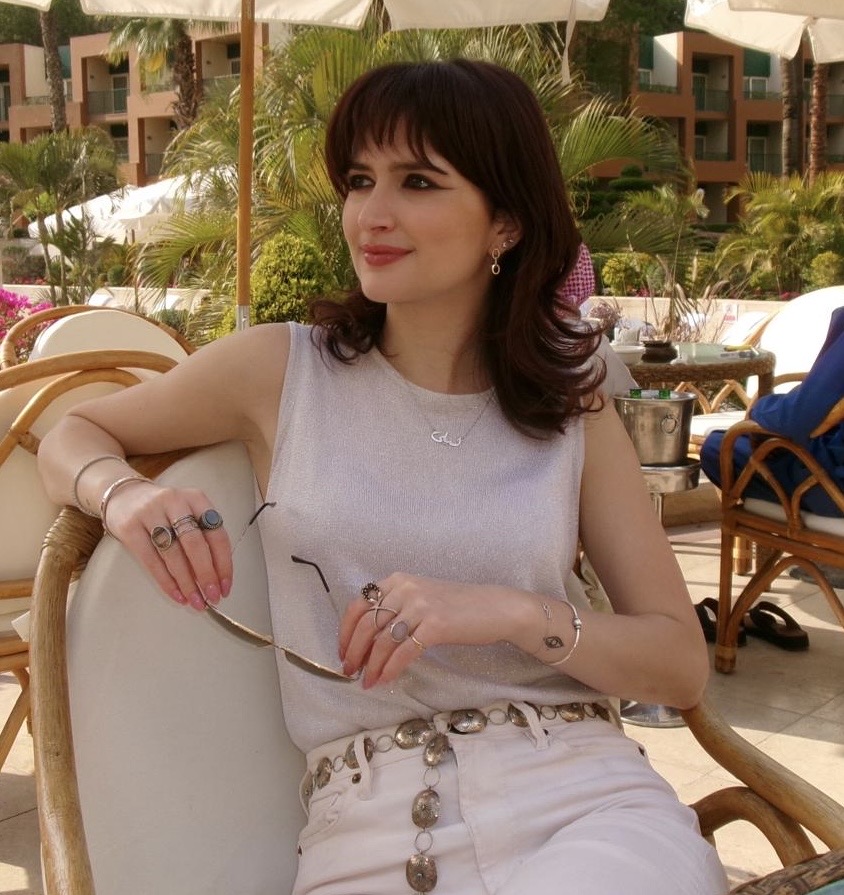
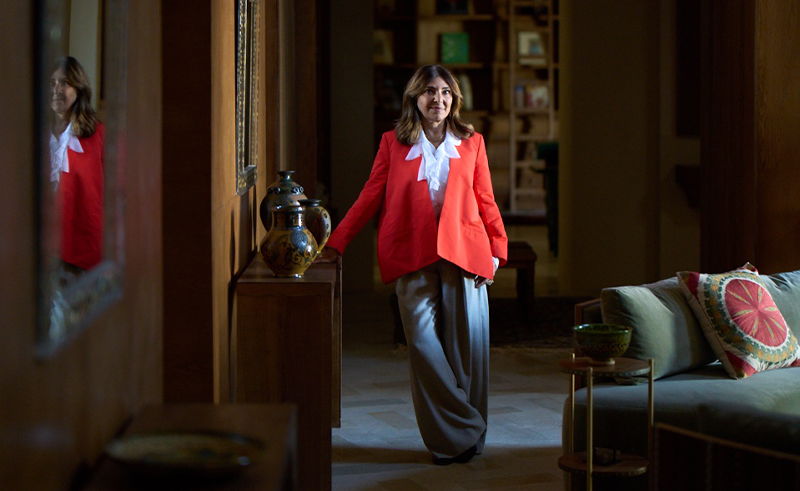
Lebanese designer Nada Debs recently revitalised the abandoned Okhun Gozar Mosque in Uzbekistan’s capital, Tashkent, and transformed it into a craft salon that showcases traditional artisanship.
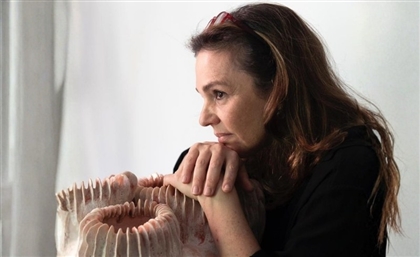
The designer is the founder of Studio Nada Debs, a Beirut-based studio that produces household objects and furniture inspired by Eastern craftsmanship. Last year, the Uzbekistan Art and Culture Development Foundation (ACDF) invited Debs to redesign the mosque as a craft store.
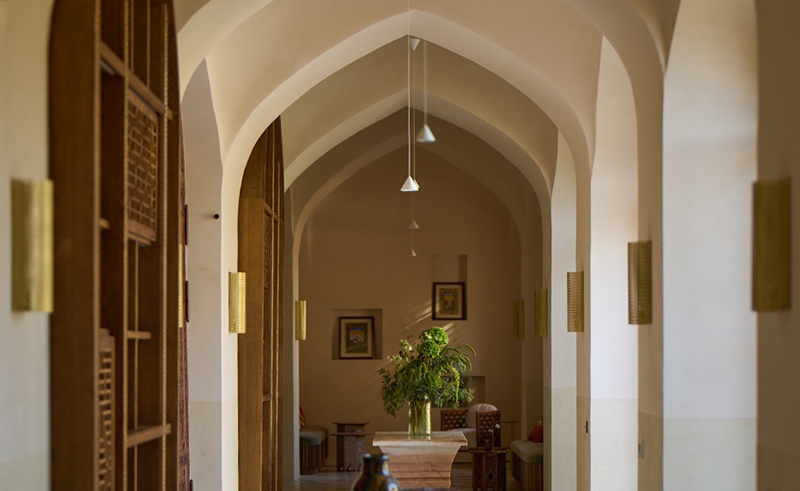
Debs reimagined the mosque through a 21st century lens while keeping its 18th century bones intact. ”I simply cleaned up the lines and added a slightly modern touch,” Debs said. “The idea is for the space to showcase craft with a contemporary twist.”
In 2015, Debs renovated another prestigious historical landmark—the Arab League Hall in Cairo, which was built in 1955 after the British Army left Egypt. Okhun Gozar Mosque however would be the first time she was commission to work on a mosque. Debs felt comfortable altering the interior because the mosque was abandoned and no longer in use as a place of worship. The only area she didn’t touch was the mihrab—the semicircular niche in the wall of a mosque that points in the direction of Mecca and helps project the imam’s voice.
Renovating a building made fragile with time had its challenges. She could not break down the walls or reconfigure the structure as she is often able to in other commissions. Instead, she worked within the site’s imperfections, in the absence of architectural precision—renovating domes and arches of different shapes and sizes.
The Okhun Gozar Mosque stands on the corner of a road busy with local and international foot traffic. When you cross the street to enter, the first thing you pass are the pink rose gardens that flank the entrance of the mosque—an Uzbek staple.
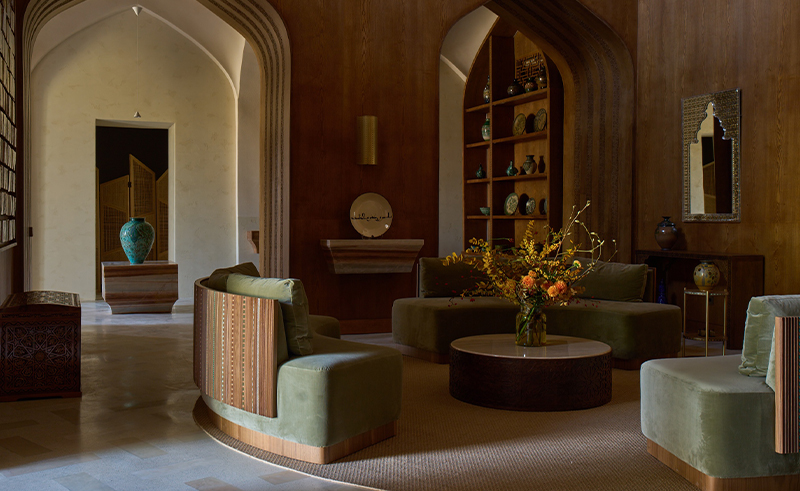
They lead your eyes to the front door and up to the central teal dome above. Debs chose traditional Panjara screens for the entrance—made with intricate latticework—and placed them within archways for a modern adaptation of a classic motif.
Up a few stairs and inside the front door, a series of small cupolas run one after the next above you, tucked between white archways. They guide you into the main room, where the towering teal dome reveals itself from the inside. This salon space is fit to receive guests like the First Lady, Debs said.
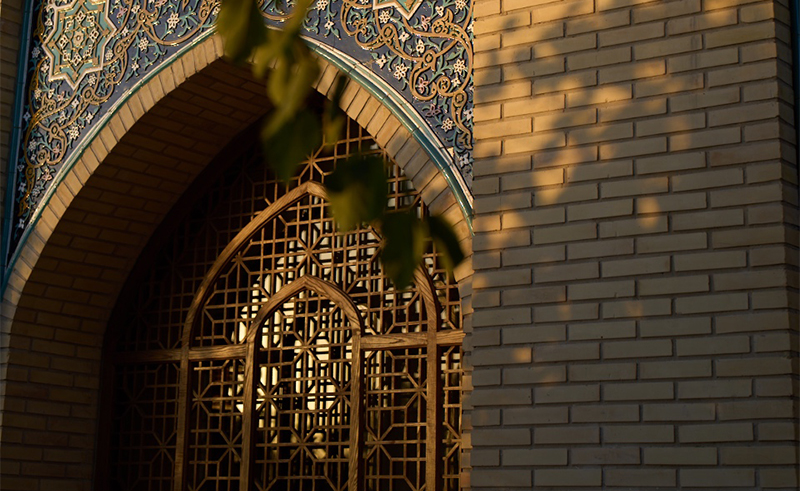
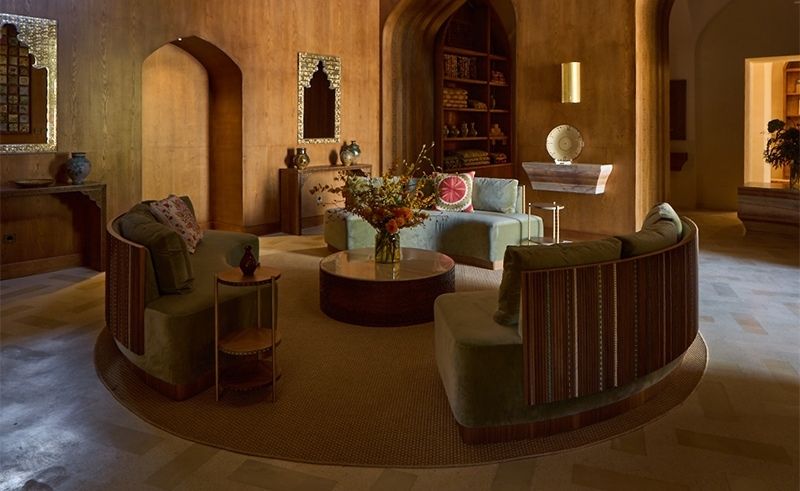
A circular seating area sits below the dome, with a vintage light fixture from Beirut suspended between them. In gold and white, it ties together the wood-panelled lower half of the room and the white, ribbed plaster dome above. Debs also incorporated Flos lighting to illuminate the interior with a modern edge, an impulse that carried into the terrazzo flooring decorated with beige-pink marble native to Uzbekistan.
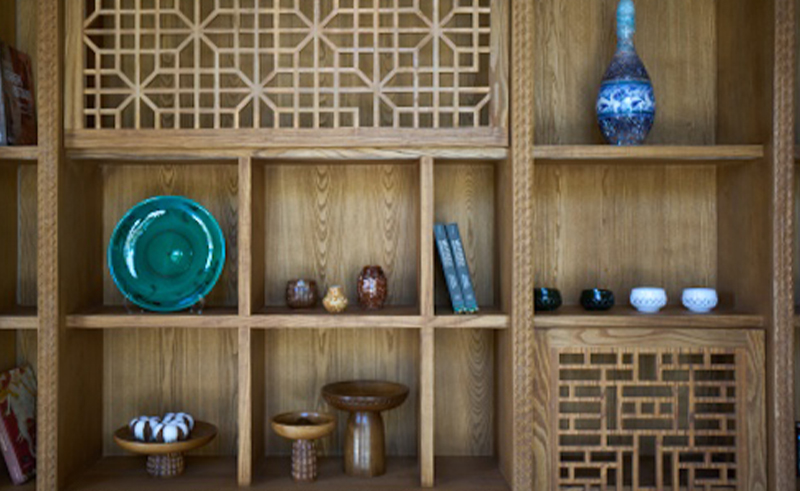
The main room doubles as a craft store and salon, where people can socialise amongst the art itself. From there, to the left or right, more domed gallery spaces display Uzbek crafts like the wood carving, textiles, and glazed ceramics that define their enduring practice. On the far end, shelves display luxury Assouline coffee table books for sale on the material culture of Uzbekistan.
Debs imagines taking the lessons and skills she learned from the Okhun Gozar Mosque project back with her to Beirut—revitalising traditional sites as contemporary cultural spaces.