





Egyptian Cinema’s Most Iconic Friendships
Egyptian screens have always known that friendship is love with considerably worse judgment.

Egyptian cinema has never had much use for the sensible friend. It prefers the one who'll help you fake a terminal illness, cover for your terrible decisions, and wait outside the police station until you're eventually released.
But beneath the comedy, gangsters and melodrama, these friendships often become the emotional centre of the story. From the classic films of the 1980s to the youth comedies and ensemble dramas of the early 2000s, friends become accomplices, rivals, surrogate family members and the only people willing to tell each other uncomfortable truths.
Here are some of Egyptian cinema's most memorable on-screen friendships...
Ayna Qalby
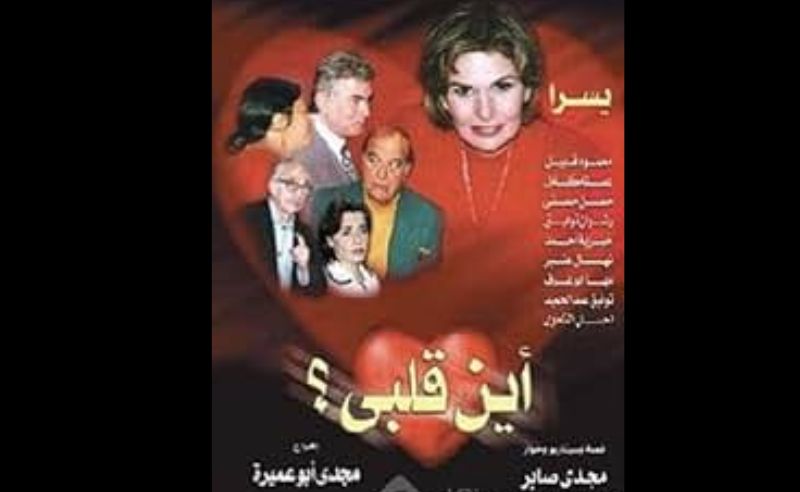
The television exception on this list, no honest discussion of Egyptian on-screen friendship can leave out Faten and Wesal. Created in 2002 by Magdy Saber and directed by Magdy Abu Emira, 'Ayna Qalby' stars Youssra and Abla Kamel as Faten Fakhry and Wesal, whose friendship anchors a sweeping family drama spanning widowhood, children, work, inheritance and intrusive relatives.
Faten, the widowed engineer, is composed and practical, while for her best friend Wesal, respectability is little more than a societal programming error. Wesal approaches every situation at full speed and is always ready to fight the people Faten hasn't quite decided to hate yet.
Their friendship goes through all the highs and lows of any great drama. They miss each other, quarrel with genuine heartbreak, and try to learn everything about one another through their families because pride won't allow them to speak to each other directly.
Saheb Sahbo
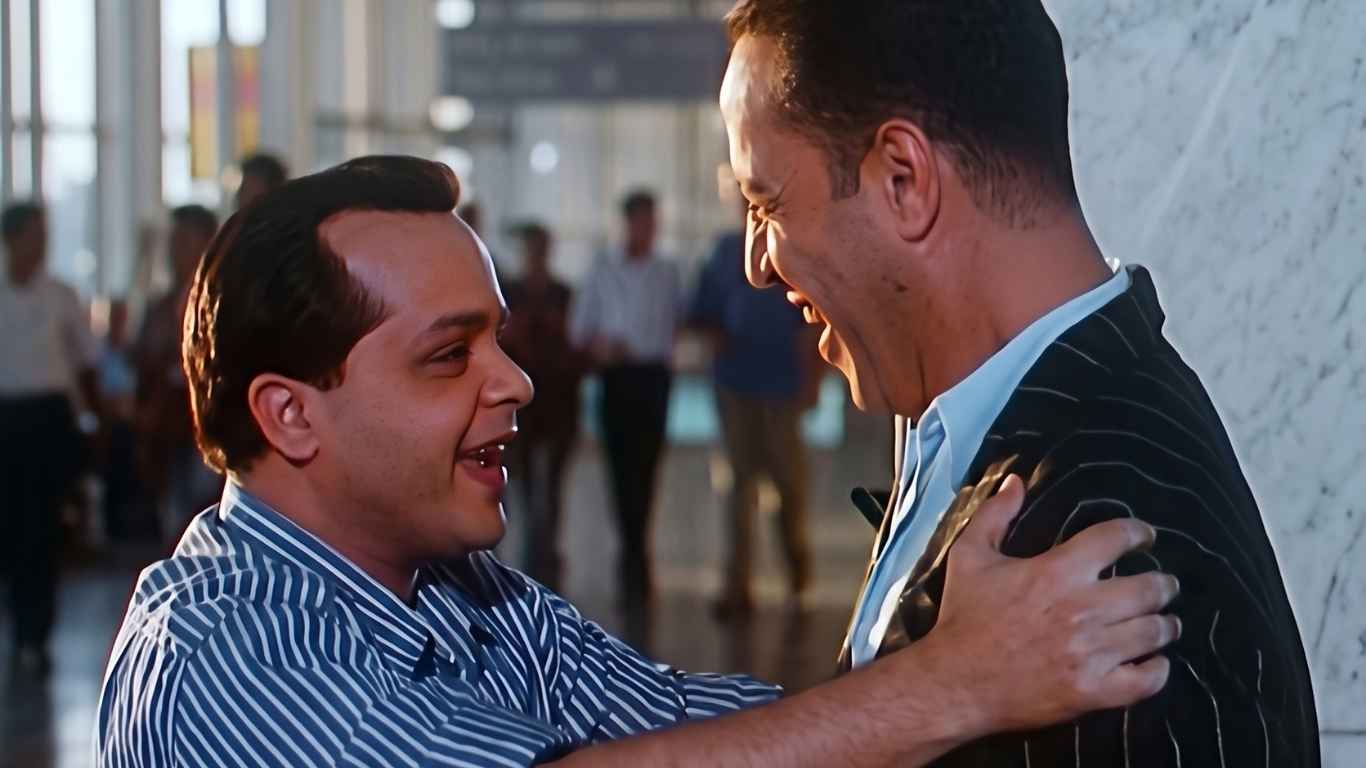
Released in 2002, 'Saheb Sahbo' was directed by Said Hamed and written by Maher Awad, starring Mohamed Henedy as Osama and Ashraf Abdel Baky as Gad, two childhood friends and neighbours who have apparently never heard of the newly coined Gen Z term: emotional boundaries.
The pair are offered the chance to work in the Gulf, but neither can leave behind their elderly relatives. They agree to take turns travelling. Gad leaves first, and five years later, he's still there.
Osama stays in Egypt, looking after Gad's mother and his own grandfather. When Gad finally returns, Osama decides an honest conversation would be far too straightforward. Instead, he stages illnesses, manipulates hotel staff, impersonates a woman connected to Gad's Gulf sponsor, and even produces a brain scan claiming he has only six months left to live.
Said Hamed directs the film with the loose, escalating energy that defined many Egyptian comedies of the early 2000s.
Beneath all the fake illnesses and outright emotional manipulation, though, lies a genuinely sweet friendship. Osama doesn't want Gad's money or his job—he simply wants his friend back in the neighbourhood, helping with the family and sharing the burden.
Ashab Wala Business
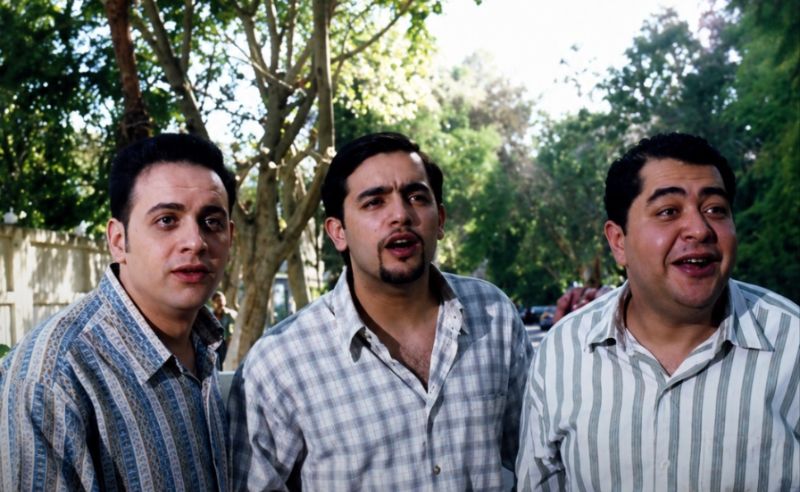
Released in 2001, 'Ashab Wala Business' marked Ali Idris' feature directorial debut from a screenplay by Medhat El Adl. Mostafa Amar and Hany Salama star as Kareem Nour and Tarek El Seify, two successful television presenters whose friendship begins to unravel when money and competition get in the way.
When a lucrative advertising contract turns their partnership into a rivalry, the film asks what remains when friendship becomes business. At first, the answer is: not much.
The story then takes a more serious turn as Kareem travels to the Palestinian territories during the Second Intifada, where he meets Jihad, played by Amr Waked. The experience forces him to rethink his career, his public image and the insignificance of the rivalry he left behind in Egypt.
It has everything you'd expect from an early-2000s Egyptian film: pop-star charisma, television glamour and a dramatic political awakening. Yet its central question still feels surprisingly relevant: can two friends remain friends when each one's success depends on the other's failure?
Ahla El Awqat
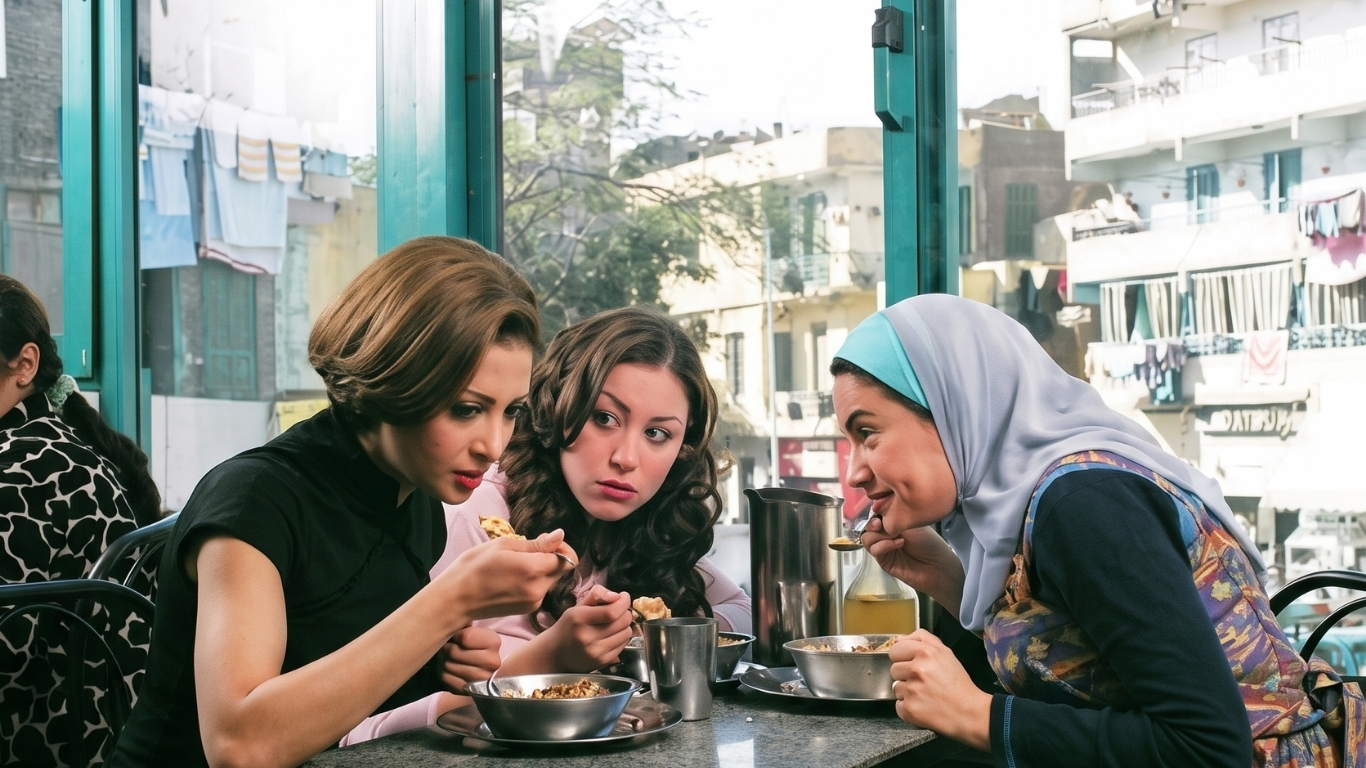
Released in 2004, 'Ahla El Awqat' marked Hala Khalil's feature directorial debut, with a screenplay co-written by Khalil and Wisam Suleiman. The film follows three childhood friends — Salma (Hanan Turk), Yosreya (Hend Sabri) and Doha (Menna Shalaby) — who reunite after 14 years apart.
After her mother's death, Salma begins receiving anonymous letters and cassette tapes that gradually pull her back towards a childhood she spent years trying to leave behind. The trail eventually leads her to her old friends. Unsurprisingly, none of them has become quite the adult she once imagined.
Yosreya is married, heavily pregnant, exhausted and armed with the no-nonsense practicality of someone who barely has a moment to herself. Doha is engaged but still dreams of becoming an actress.
Their reunion is so joyful that it's awkward before it becomes warm. At first, they have to pretend they're still as close as they once were, relying on old school stories and shared memories to bridge the years apart. Before long, they're teasing one another, investigating mysterious messages, breaking into a neighbour's apartment through the kitchen, and somehow ending up at the police station.
Throughout the film, Salma is not only trying to solve the mystery behind the letters, but also to reclaim the part of herself she lost to grief, distance and changing social circumstances. With Doha and Yosreya by her side, she gradually finds her way back.
Banat West El Balad

One year after 'Ahla El Awqat', Wisam Suleiman returned to the theme of female friendship with 'Banat West El Balad', directed by Mohamed Khan and released in 2005. Hend Sabri stars as Jomana, a shy shop assistant from Helwan, opposite Menna Shalaby as Yasmeen, a hairdresser with a flexible relationship to the truth.
The pair meet on the Cairo Metro, a fitting place for a friendship to begin in a Mohamed Khan film: in motion, in public, and beneath fluorescent lighting that flatters no one.
Jomana works in a lingerie shop, spends her free time reading romance novels, and feels far more comfortable imagining desire than acting on it. Yasmeen works at a Downtown hair salon and lies with effortless improvisational skill. When the two meet a pair of men on the Metro, Yasmeen immediately gives them new names and invents glamorous professions for both of them. One lie quickly leads to another.
Yasmeen gives Jomana a sense of recklessness, while Jomana gives Yasmeen the security to stop pretending. They cover for one another, irritate each other, and constantly compare themselves to each other. Their friendship is built on genuine affection, but also on the quiet rivalry between two women who love each other while being judged by the same unforgiving world.
Mohamed Khan's Cairo pushes them through Metro stations, hair salons, lingerie shops, family homes and Downtown streets, and somehow they make the city bearable for each other.
Kallem Mama
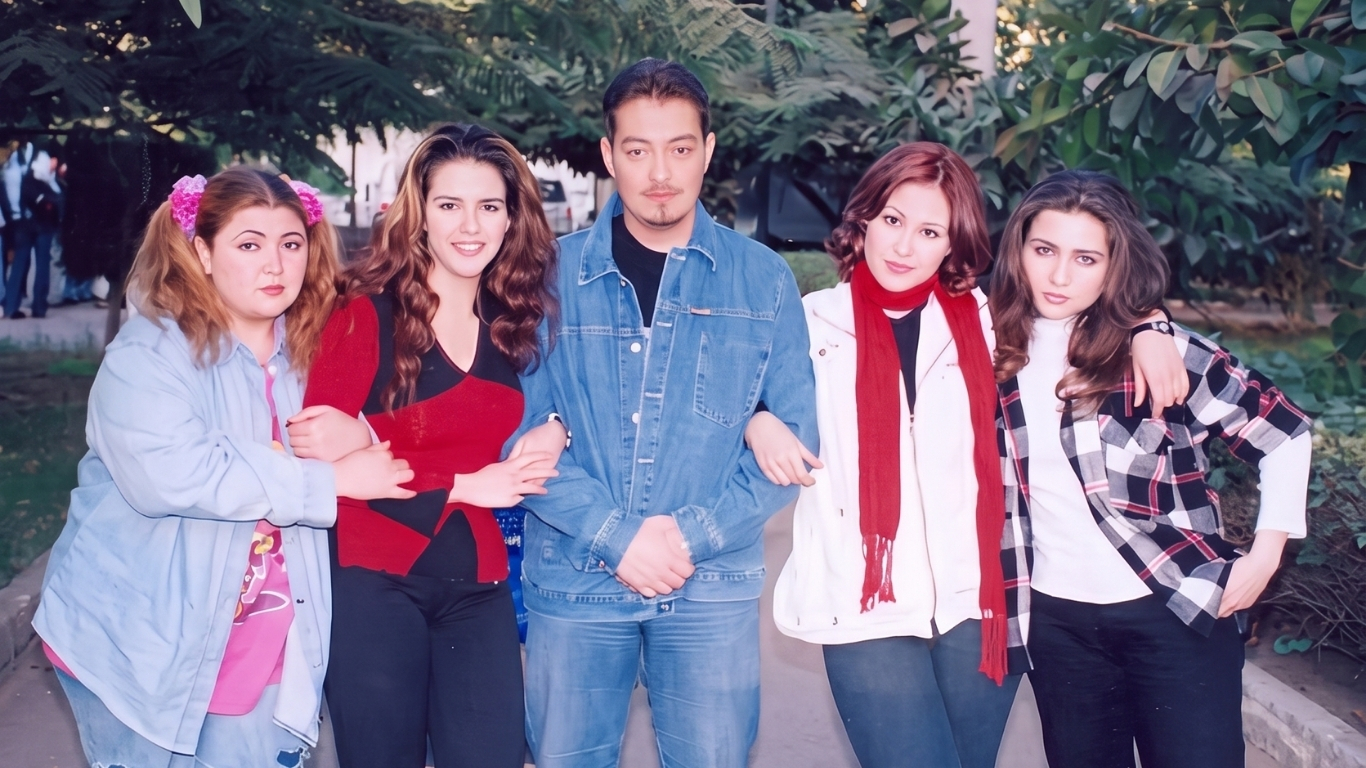
Released in 2003, 'Kallem Mama' was directed by Ahmed Awwad and written by Mostafa El Sobky, bringing together Menna Shalaby, Mai Ezz El Din, Maha Ahmed and Donia Abdel Aziz as Mona Entaka, Dalia Maqaleb, Nermine Bakbouza and Basant Ghazal.
Mona wants to marry her neighbour Sayed, but her mother, Assaleya — played with explosive emotional force by Abla Kamel — refuses to approve the marriage until he finishes his studies. Determined to speed things along, the four friends start looking for ways to earn money, setting off a chain of mishaps that leads to arrests, confrontations and plenty of chaos.
'Kallem Mama' is unmistakably a product of early-2000s El Sobky comedy, embracing broad character types, outrageous nicknames and crowded, fast-paced scenes. The young women are foolish, loud, physically comic and, at times, selfish. More importantly, they're allowed the same chaotic comic freedom usually reserved for groups of men in Egyptian cinema.
Salam Ya Sahby
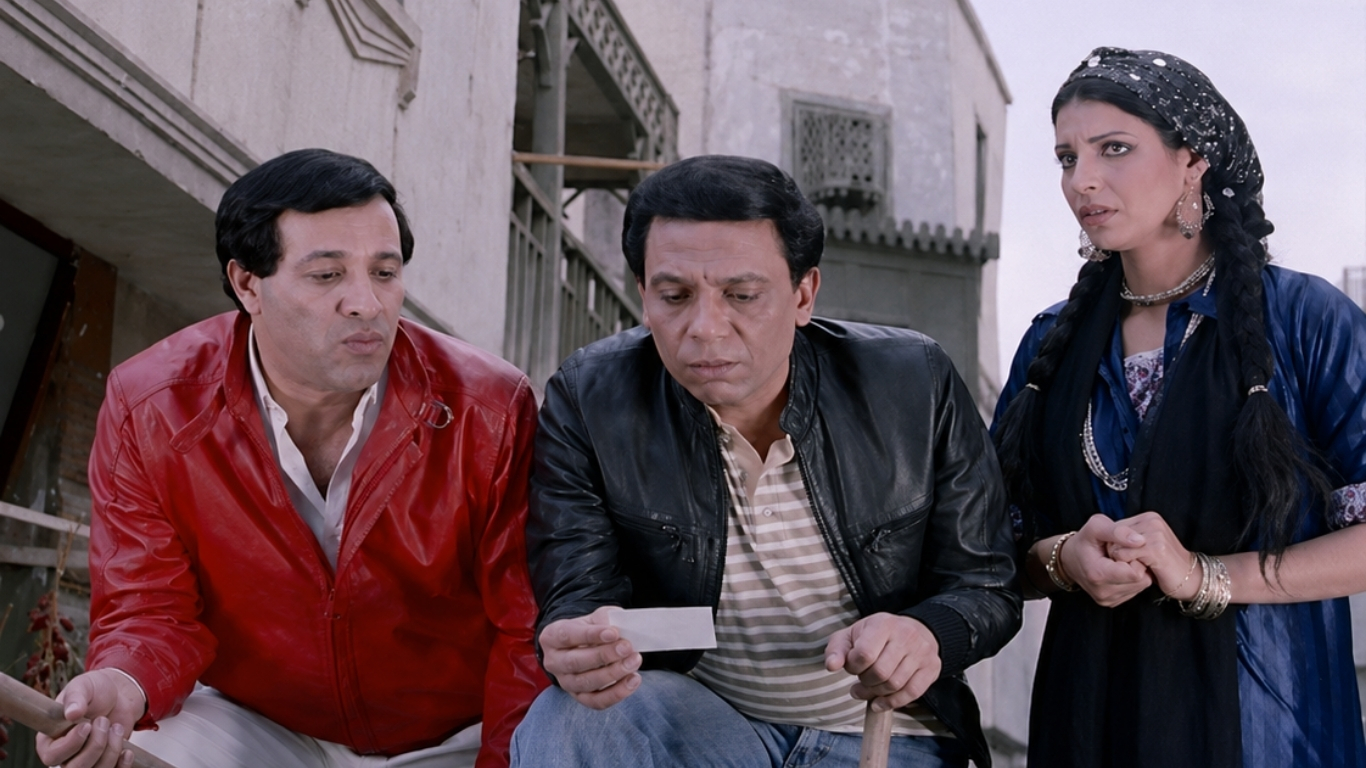
Released in 1986, 'Salam Ya Sahby' was directed by Nader Galal and starred Adel Imam and Saeed Saleh as Marzouk and Barakat. Blending action, comedy, crime and melodrama, the film turned two small-time criminals into perhaps the defining portrait of male loyalty in Egyptian cinema.
The pair begin by leaving petty crime behind to help Batta, played by Sawsan Badr, sell watermelons from her street cart. After clashing with the gangsters who control the market, they find themselves drawn into a larger criminal world of stolen cars, ruthless bosses and the temptation of power. But on Barakat's wedding night, the gang murders him, sending Marzouk on the revenge mission that gives the film its tragic final act.
This is a friendship built on loyalty, tested by violence, and told with guns, jokes and tears.
Film Thaqafi
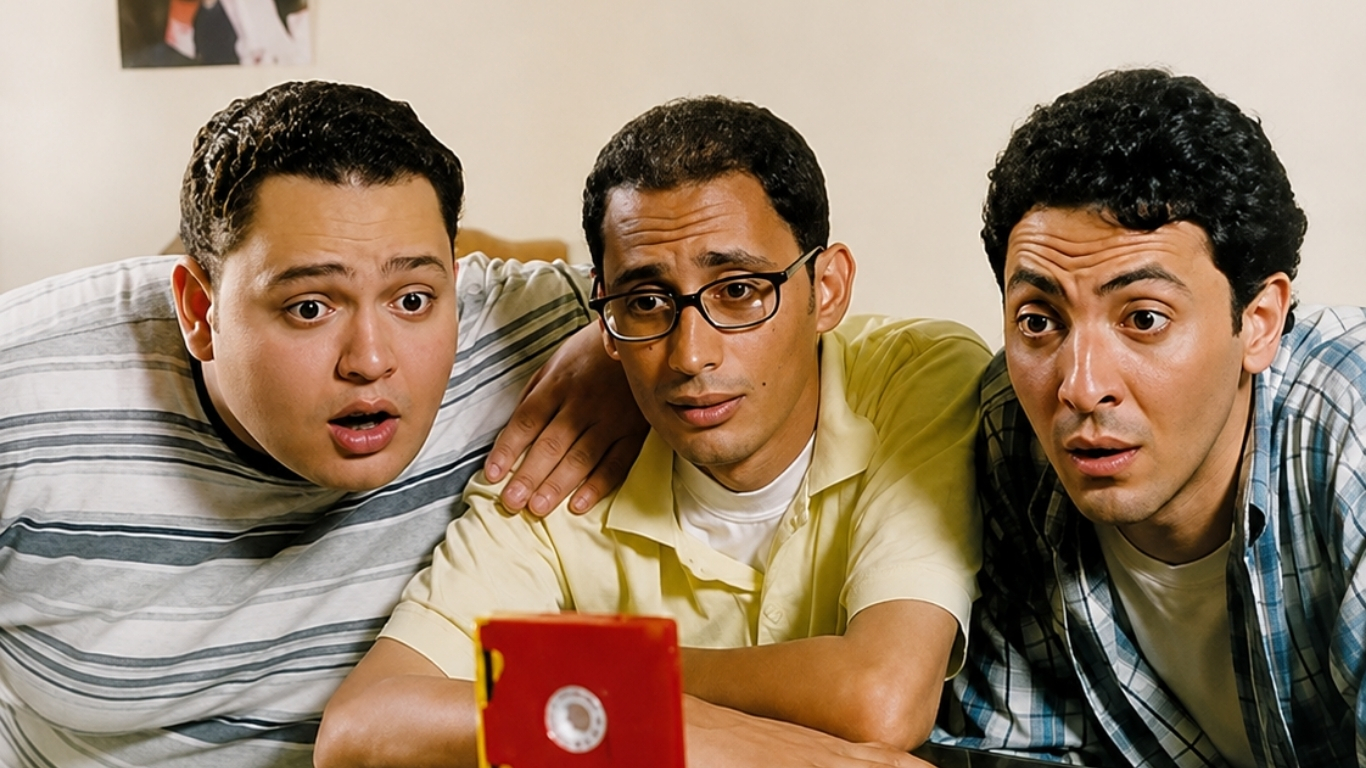
Written and directed by Mohamed Amin, 'Film Thaqafi' was released in 2000 and starred Ahmed Eid, Ahmed Rizk and Fathy Abdel Wahab as Alaa, Effat and Ashraf, three university graduates whose search for somewhere to watch a forbidden videotape becomes a portrait of an entire generation's stalled adulthood.
The trio have managed to get hold of a videotape. They believe it contains pornography. What they need now is a video player, electricity, privacy and a door that stays firmly shut.
They move from one potential viewing spot to another, collecting obstacles and accidental participants along the way, with every attempted solution somehow attracting an even larger audience.
The film's final joke is a brutal one. After an entire day of embarrassment and failed attempts, the tape turns out to contain a parliamentary debate on creating employment opportunities for young people.
'Film Thaqafi' understands the kind of male friendship born out of suspended adulthood. These men have no jobs, no apartments and no privacy. All they have is each other and a VHS tape.
Assal Eswed

Directed by Khaled Marei and written by Khaled Diab, 'Assal Eswed' was released in 2010 and stars Ahmed Helmy as Masry Sayed El Araby, an Egyptian-American returning to Cairo after 20 years, alongside Edward as Said, his childhood friend and reluctant guide to the city.
Masry arrives carrying an idealised image of Egypt built from childhood memories. Egypt greets him instead with overpriced services and stolen shoes.
He soon reunites with Said, whose life has taken a very different path. Masry left as a child and built a life abroad, while Said stayed in Egypt and still cannot afford an apartment, secure a stable job or marry the woman he loves.
When Masry loses his American passport and discovers how differently he's treated without it, Said and his family take him into their already crowded home. Said becomes Masry's guide, translator and reluctant instructor in the everyday shenanigans of Egyptian life.
Masry can afford to romanticise the warmth, the crowded homes and the neighbour who walks in without knocking because, deep down, he knows there's an American passport waiting for him somewhere. Said, meanwhile, has had to live with both the sweetness and the bitterness, without the comfort of an emergency exit.