






How an Olive Tree Farmer Turned a Hobby Into an Award-Winning Brand
Michael Matta's careful approach recently earned him a Silver Medal at the Pyramids International Olive Oil Competition.

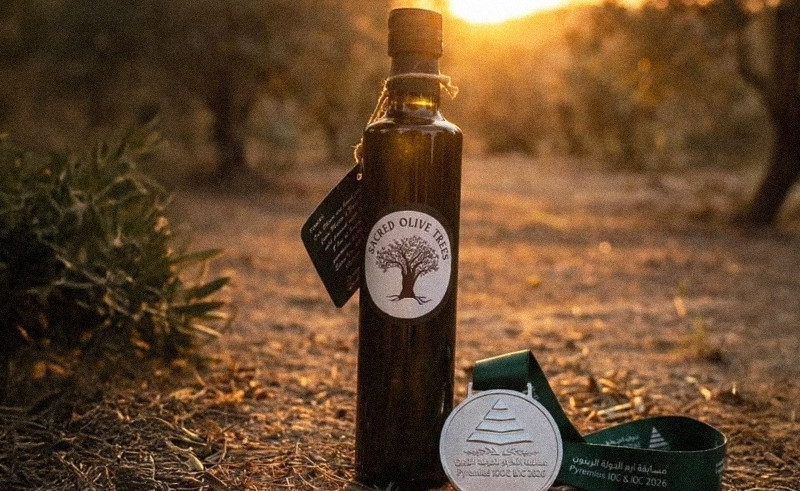
Michael Matta began working on his olive tree farm in 2005. It started as a hobby, a way to pass time before it took on a more defined shape.
“For two years, I harvested without a proper harvester,” he tells SceneEats. “I picked the olives that made good oil and gave it to friends as gifts. The feedback was very encouraging, so I started harvesting more.”
At the beginning, Matta’s harvests were small and personal. He pressed the olives and shared the oil with friends. Eventually, the hobby grew into a dedicated focus where he studied the trees, the type of olives they can produce, and at what stage of growth the olives would make the best oil. It became a science of sorts, and is the ideology behind his award-winning independent olive oil brand, ‘Sacred Olive Trees.’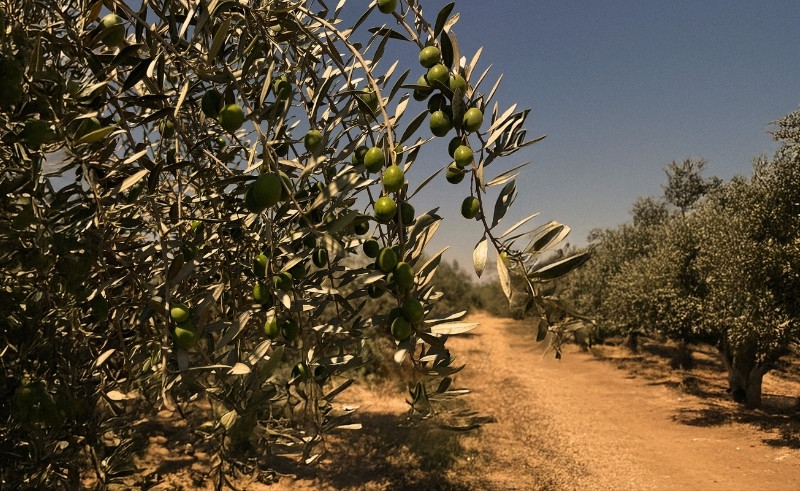 “I focus a lot on how any type of olive is harvested. It makes a difference," he said, referring to both the variety of olive and the timing of its pick. “I found olives to be the best thing that ever happened to me.”
Matta uses the early harvest method, picking the olives while still green. At this stage, it’s richer in antioxidants, and the quality of the oil is higher than when the olives darken. It produces less yield, but the quality is much better. Timing is crucial. Once harvested, the olives are taken to a nearby monastery to be pressed.
The careful process has also begun to earn recognition. Sacred Olive Trees Premium Olive Oil was recently awarded the Silver Medal at the Pyramids International Olive Oil Competition, competing alongside producers from Egypt and international olive oil regions including Spain, Italy, Greece and Jordan.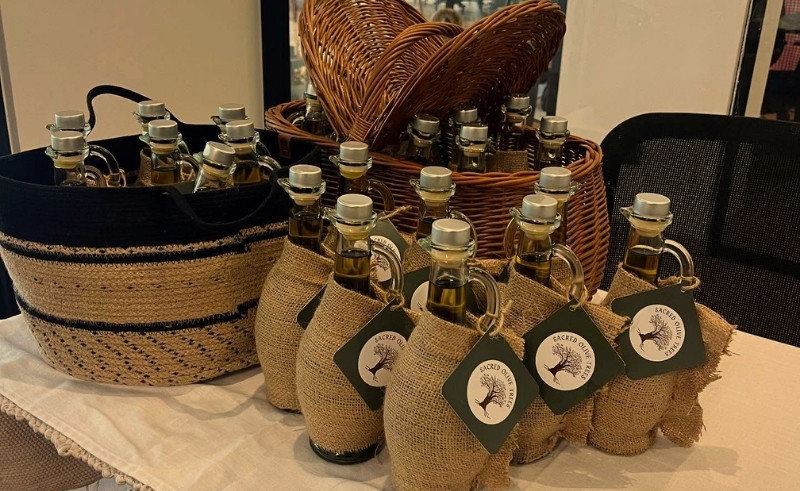 “I harvest and press them at Deir Abu Maqar monastery within eight hours,” he says. “If you wait longer than 12 hours, the quality of the oil begins to decline.”
The farm’s olives are pesticide-free, and Matta regularly tests the oil in a lab to ensure quality. Recent measurements show a peroxide value of 7.49 and an acidity level of 0.56 - well below the maximum thresholds for extra virgin olive oil.
The name, Matta explains, comes from the theological significance of the trees. “It’s a sturdy plant, it’s a sacred plant, it’s mentioned in religious books,” he explains. “The average lifespan of an olive tree is 500 years. There are trees that live more than 2,000 years in Jerusalem or in parts of Greece.”
Related Articles
Trending This Week
-

-
 Sep 10, 2026
 -
 Sep 10, 2026
 -