





Beit Al Fannan Lets You Live Inside an Artist’s Unfinished World
Beit Al Fannan in Pella is a guesthouse where nothing is cleared away, and each visitor leaves something behind.
Somewhere on a hill above one of the oldest continuously inhabited places in the world, just over the Jordan Valley, there is a yellow mug, where the paint has just dried off.
Ammar Khammash left it there along with a dalmatian slippers on the floor, colourful blanket on the bed and all the art supplies spread around the rooms. When Muna Haddad, founder and CEO of Baraka Destinations, first walked into Beit Al Fannan in April 2017, none of that had been disturbed for at least five years. She climbed to the bedroom balcony and saw the mountains exploding in green. She called Khammash immediately.
"It's mine," she told him. "We'll discuss the details later."
Haddad had found Khammash not in person but through a fireplace. He had designed a metal one shaped like a dog for Amman Design Week; she commissioned it for Beit Al Baraka, Baraka Destinations' flagship guesthouse in Umm Qais. When Khammash heard it had sold, he asked who bought it. On hearing her name, he said, "She has good taste." He came to stay at Beit Al Baraka eventually, and the following morning they hiked part of the Jordan Trail together, spending the day talking about the landscape. Then he went back to Amman and called her.
"I really love what you've done in your guesthouse," he said. "You've managed to grasp the peaceful atmosphere of the place well. Why don't you take my house in Pella?"
She only needed a couple of minutes to reach the place by foot. From then, the deal was good as done.
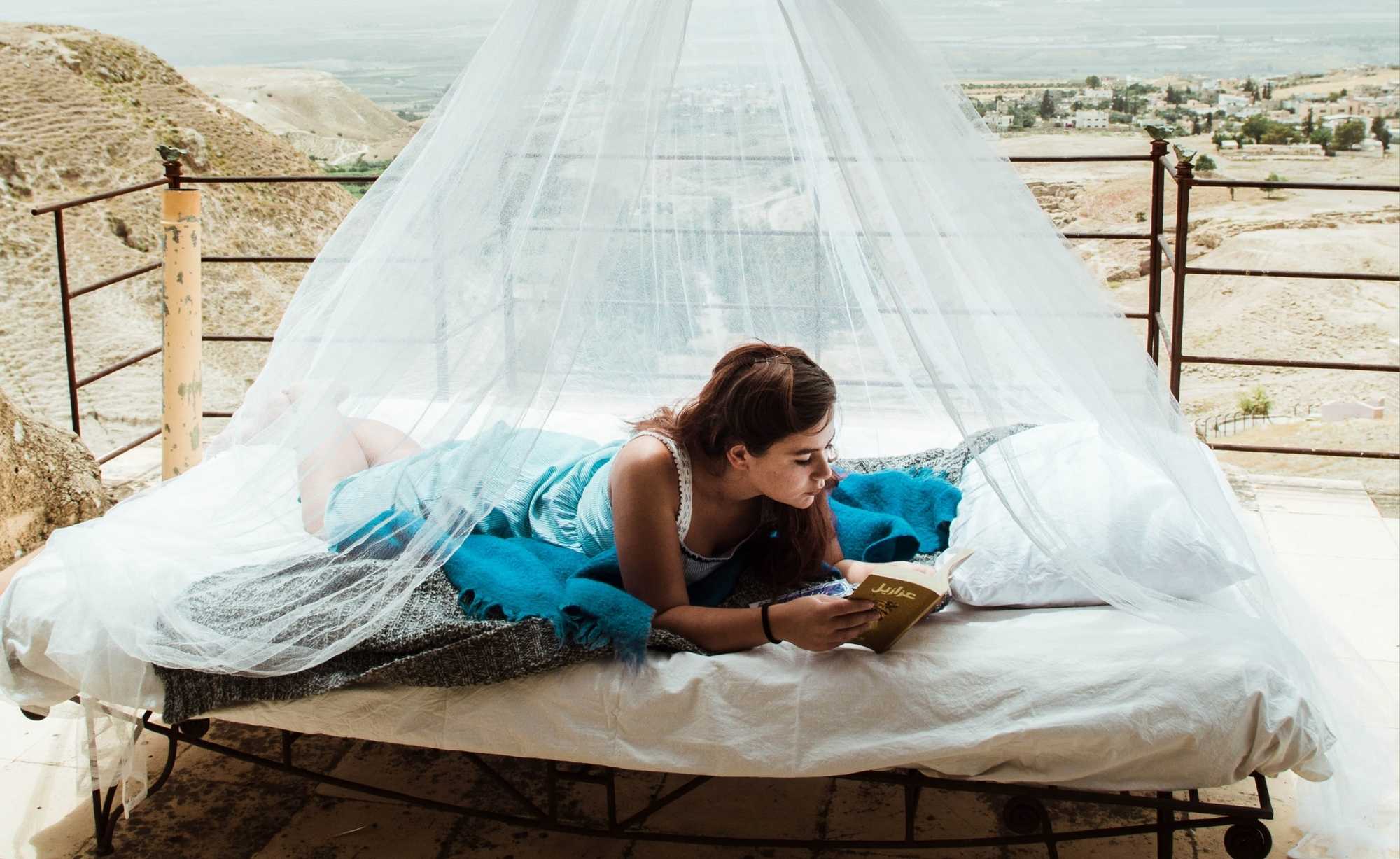
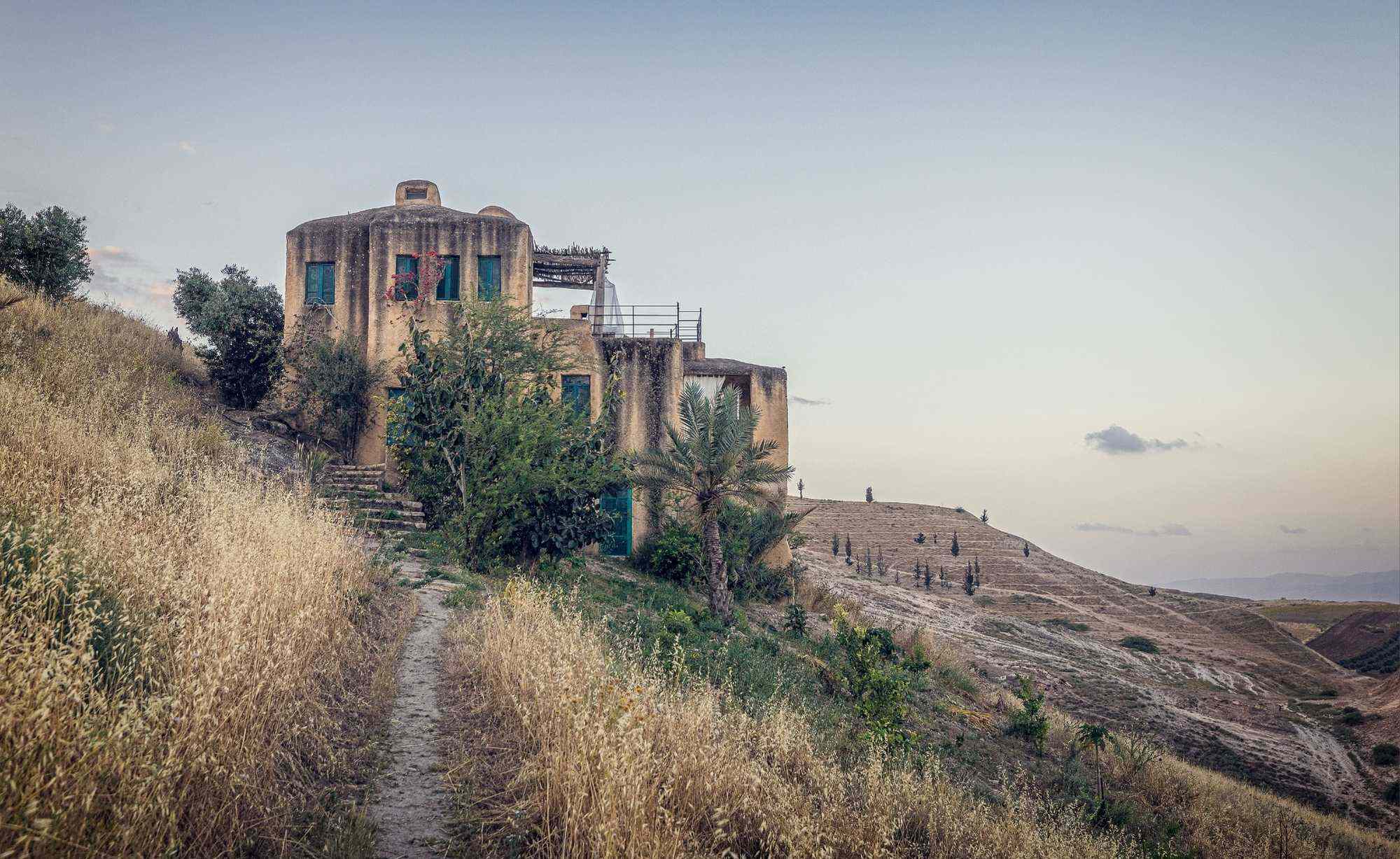
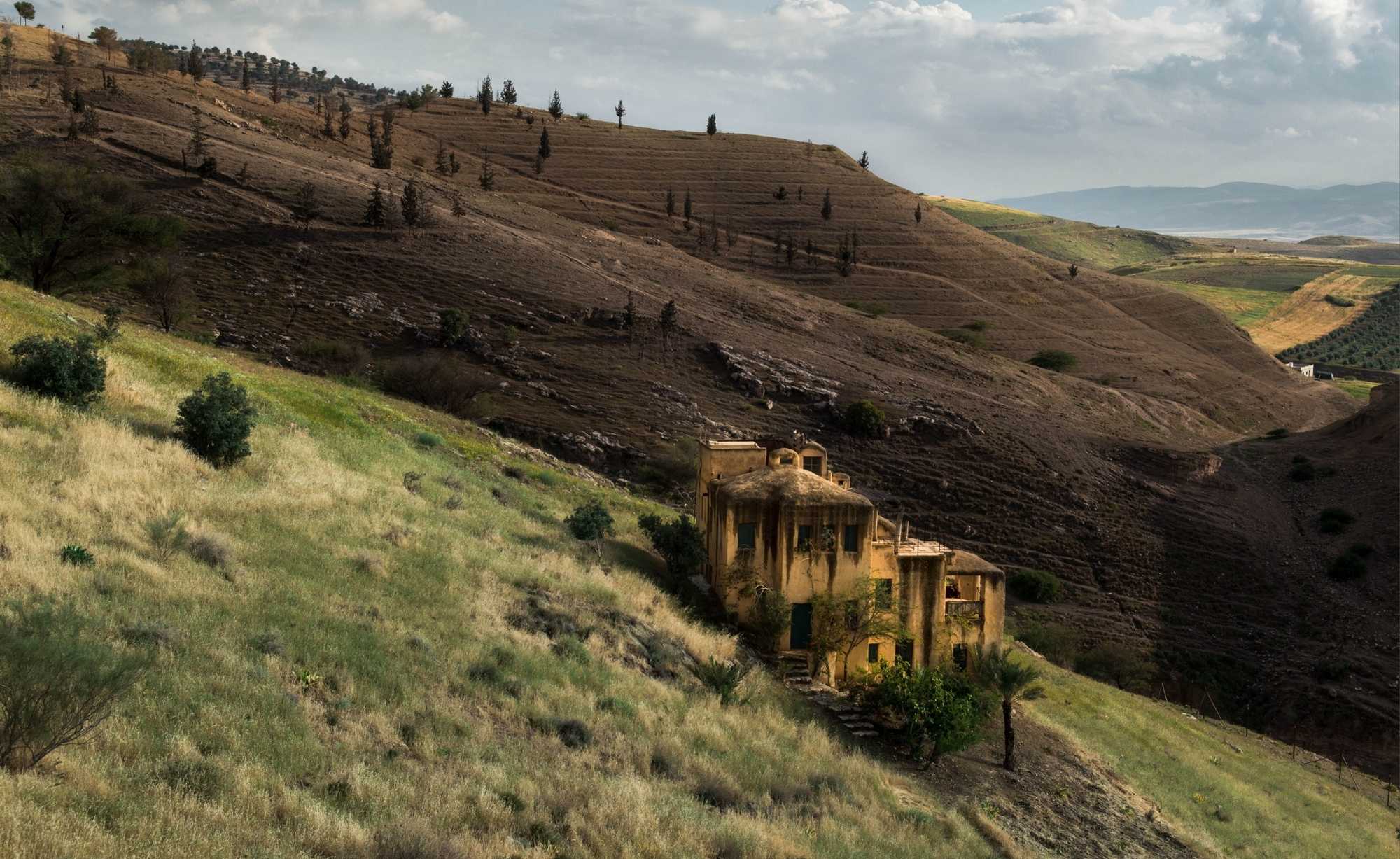
Khammash built the house in 1994 as his personal retreat above Pella - a Jordanian city with ten millennia-long history. For its construction, he used a spontaneous approach: he gave the instructions, and Hamad, who works at the house until now, would start building the place. There were no cars allowed at the construction site so all of the construction works were done by hand, and the ceiling height was reduced to 2.2 metres so the structure would read as part of the hillside. Made of precast concrete and plastered from the outside with mud and lime, the house emerged from the cave beneath it — dug and built simultaneously, growing as the cave expanded.
"Ammar is present everywhere in the house," Haddad said. "But it doesn't manifest itself in the form of interior decorations but rather through the philosophy of Khammash embodied into architecture with the soft curves of the walls, materiality, metal and ceramic items used as decor elements, merging of the buildings with the surrounding nature. It was the early period of the artist's activity. Here the artist created those ideas which became the basis for his further development."
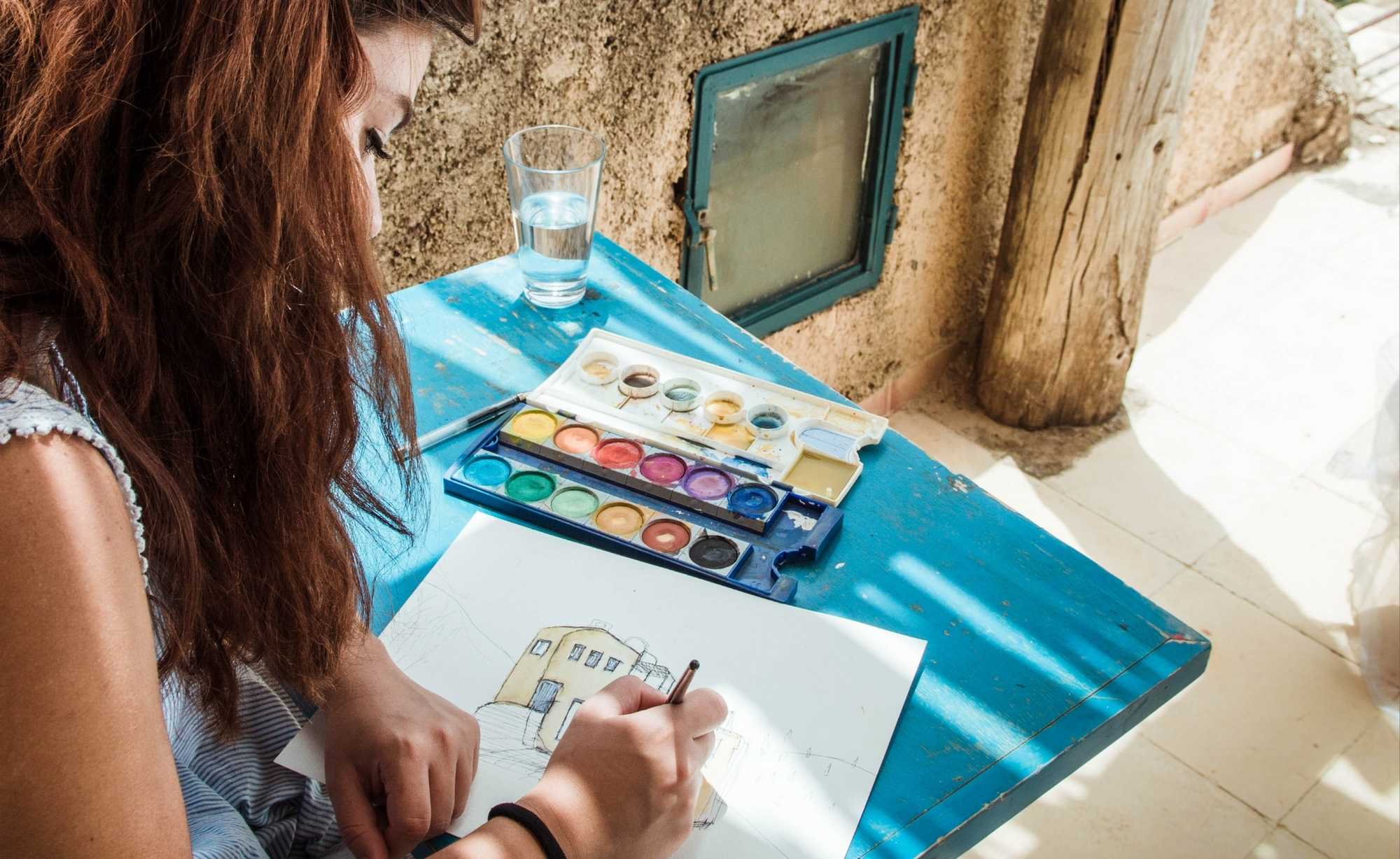
For Haddad, the principles that governed the transformation from the place of solitude into the guesthouse have one common denominator. "I wanted the guests to feel as if they entered the creative space of the person," she said. "We tried to keep as many of the imperfections of this place as we could." The supplies of the artist are still lying around. Some of the materials that Khammash left in this place before leaving are also here. The house is not pristine and was never meant to be. "It's meant to feel like you've been handed the keys to someone's creative life and trusted to inhabit it for a few days. There are surprises too, my favourite is in the kitchen, but those are for guests to find themselves."
In 2017, Baraka Destinations took over the house with Khammash and renovated it for visitors. It now offers two private units: the villa above, the studio apartment below. Each of these places is self-contained, with a terrace that allows seeing the excavation site. Breakfast is prepared daily by Um Ammar, the caretaker of the site, whose husband was the builder of the site for Khammash about 30 years ago. The upper unit of the building includes two balconies, art and wine cellar under the ground and a magnificent sunset view above the Jordan Valley.
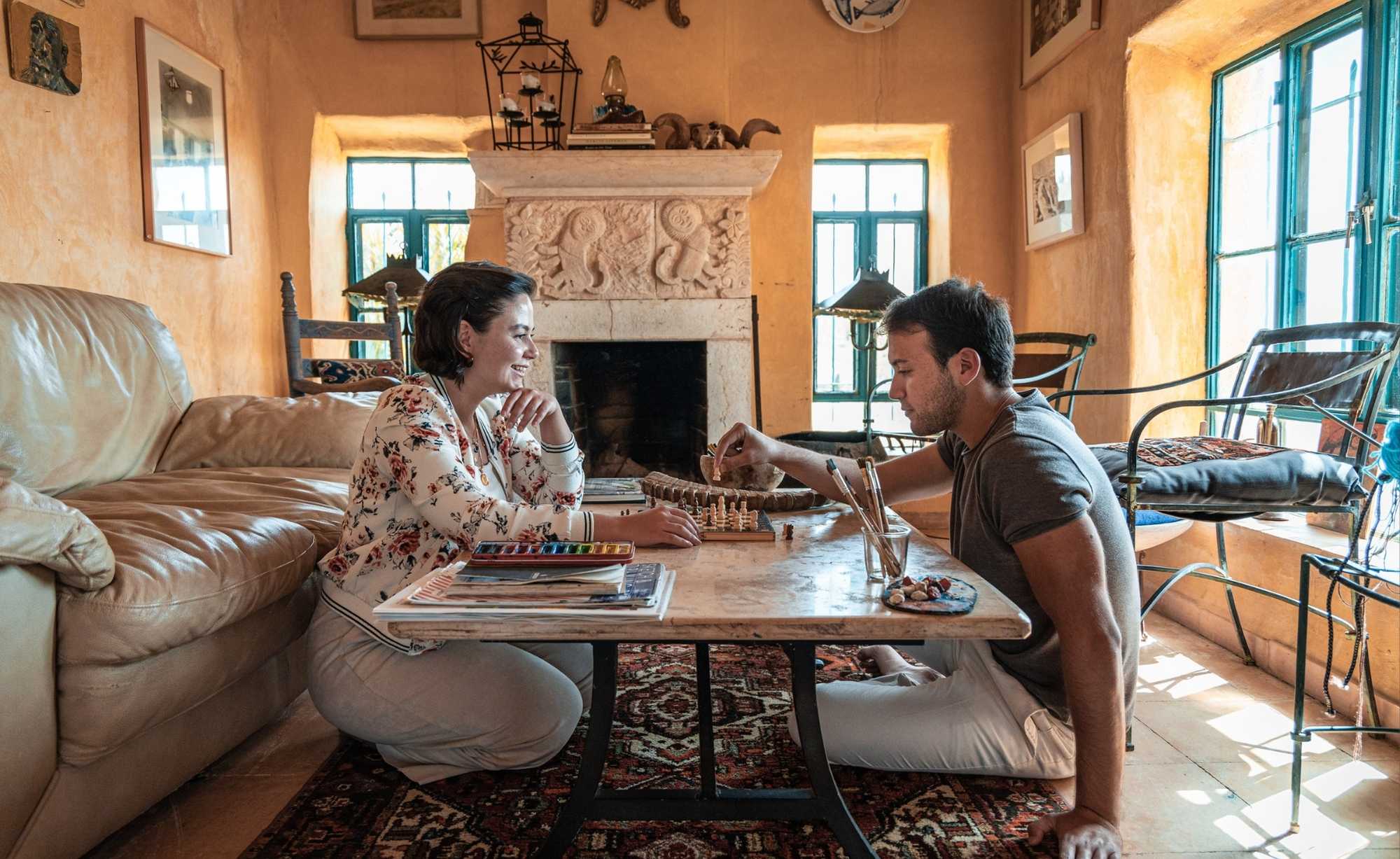
If guests need anything beyond this, Haddad creates something unique. "Intimate dinner parties in which there is no place for routine hospitality, they are driven by the stories of the place, created by its nature, where we use soundscaping in nature and our best chefs," the owner said, describing the events taking place in Pella. "Nature and archaeology are doing half the job, while we create the second part ourselves."
From the terrace of Beit Al Fannan, you are looking at Pella, a place where people have chosen to live, continuously, for ten thousand years. There are settlements of the Stone and Bronze Ages on the top of the Tel-Hill, while 30 metres underneath you can see excavations under Umayyad palaces, Byzantine churches and Roman temples. Muna Haddad knows the site pretty well, “I had worked on the dig with the University of Sydney team several times, and on one of those seasons unearthed an ivory hand from the Middle Bronze Age,” Haddad tshares.
The archaeological experiences offered to guests are built around three women from Pella: Fawziyeh, Tharwa, and Khawla. These archaeologists had deep roots in the area who had to overcome significant cultural obstacles to be permitted to lead tours at all. "The stories they carry come from both the excavations and from the living memory of local inhabitants," Haddad says. "They tell unique stories that very few people have access to."
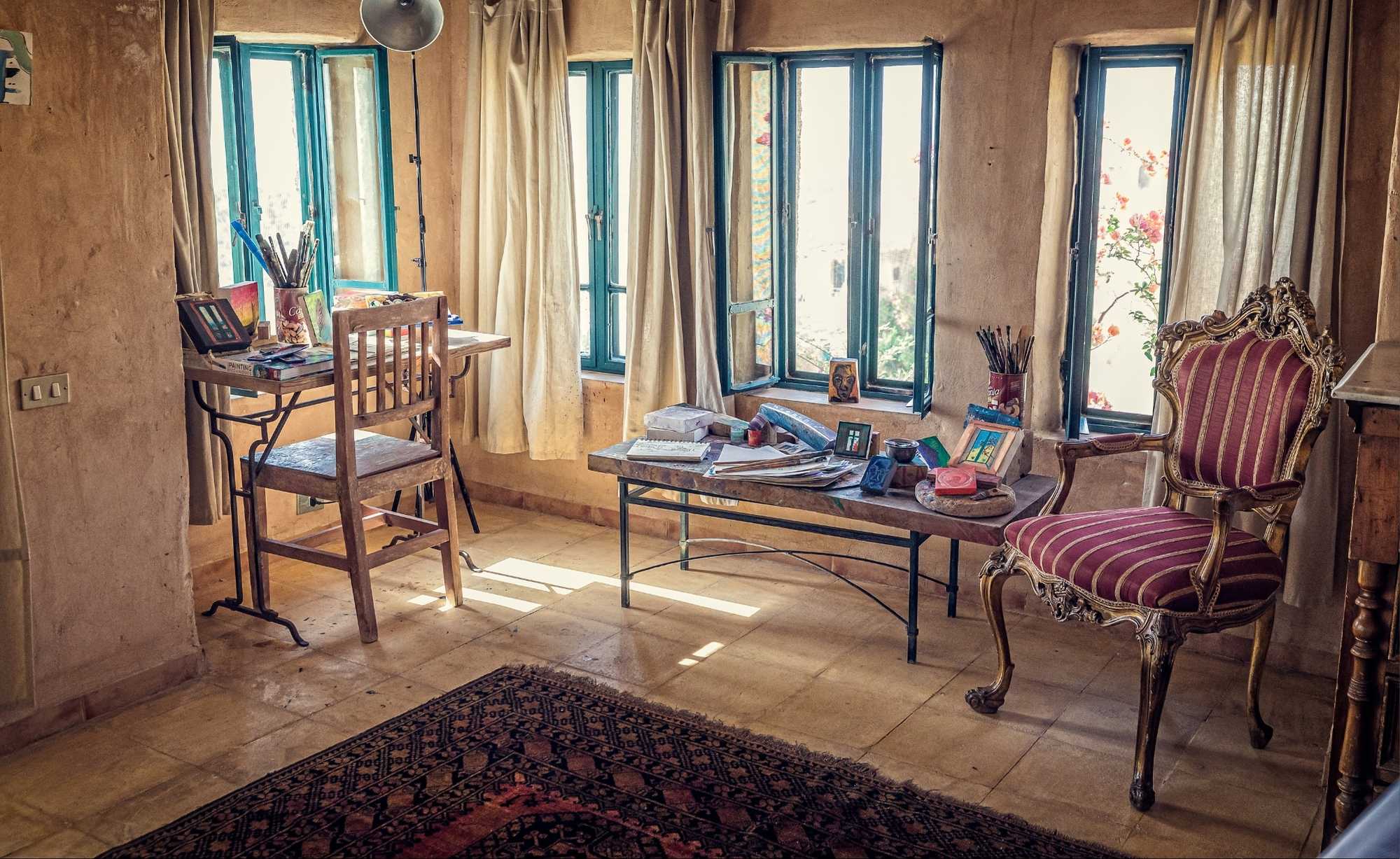
The access for the visitors is what matters most for the owner of Baraka Destinations. "It is a hidden gem that is rarely visited by the tourists. What we provide is the actual access: to the nature, to the excavations and to the locals. In this case, the real luxury is being provided."
She illustrates this with Gordon Ramsay, who came while filming his National Geographic series on Jordan, and whom Baraka took to meet Sarah, a local cheesemaker. Sarah taught him her craft, and when he got it wrong, she slapped his hand and told him plainly: you might be a great chef, but you're a terrible cheesemaker. "That moment is Beit Al Fannan," Haddad says. "It cannot be engineered or purchased. It comes from the place itself."
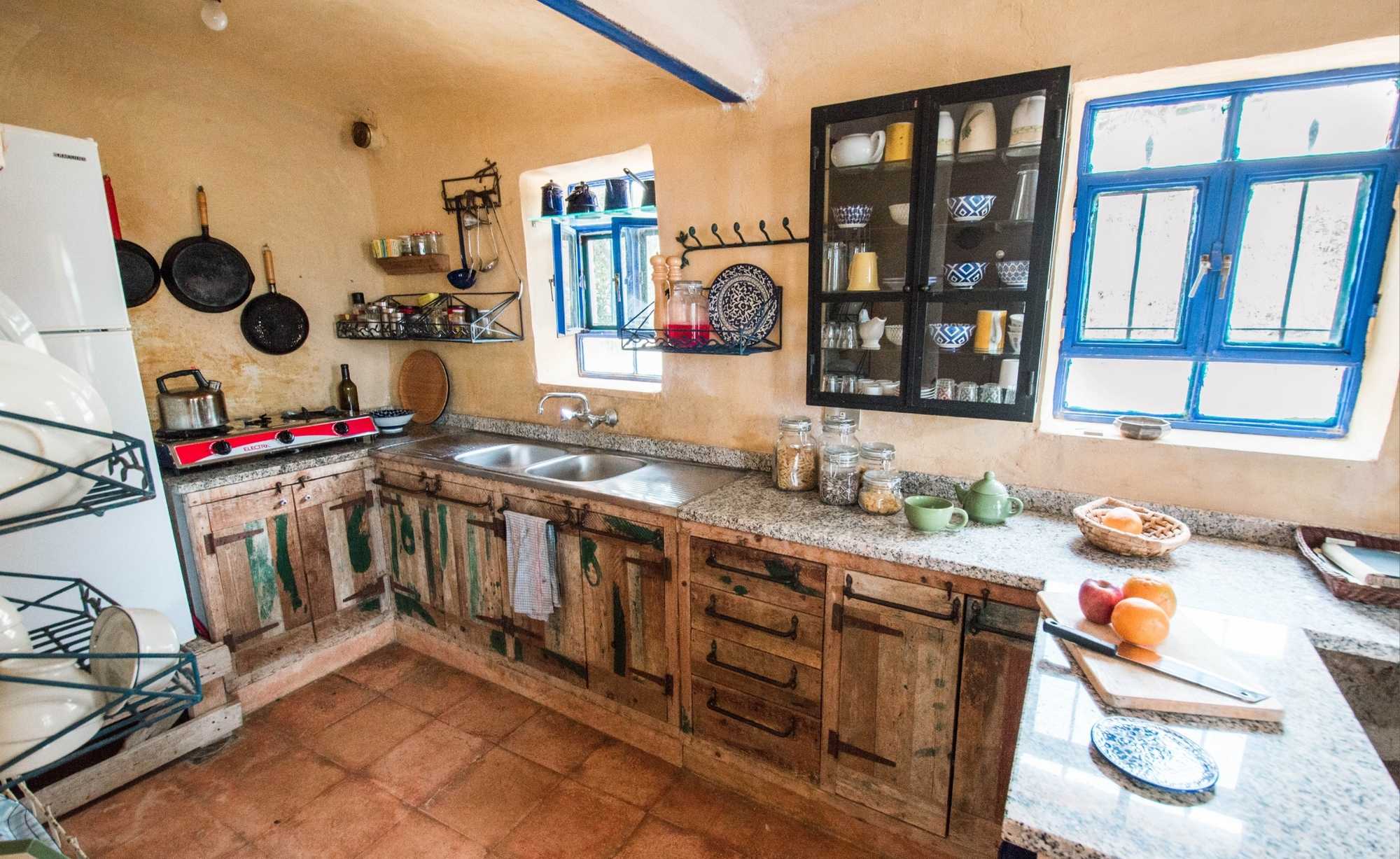
The guest list of Beit Al Fannan is somewhat cultish with returning visitors who treat the house as theirs, architects and artists who come frequently, and writers who have spent weeks working here. Leading figures in global archaeology have stayed, as have celebrities, and the house has hosted more wedding proposals than Haddad can count. "What tends to happen is that couples come back for their anniversary, and then the house becomes part of their story."
"Many guests leave a piece of their work behind," she says. "So each new arrival finds something made by the one before them. It becomes a quiet conversation across time, between strangers who never met but shared the same space — which, in many ways, is exactly what Pella has always been."
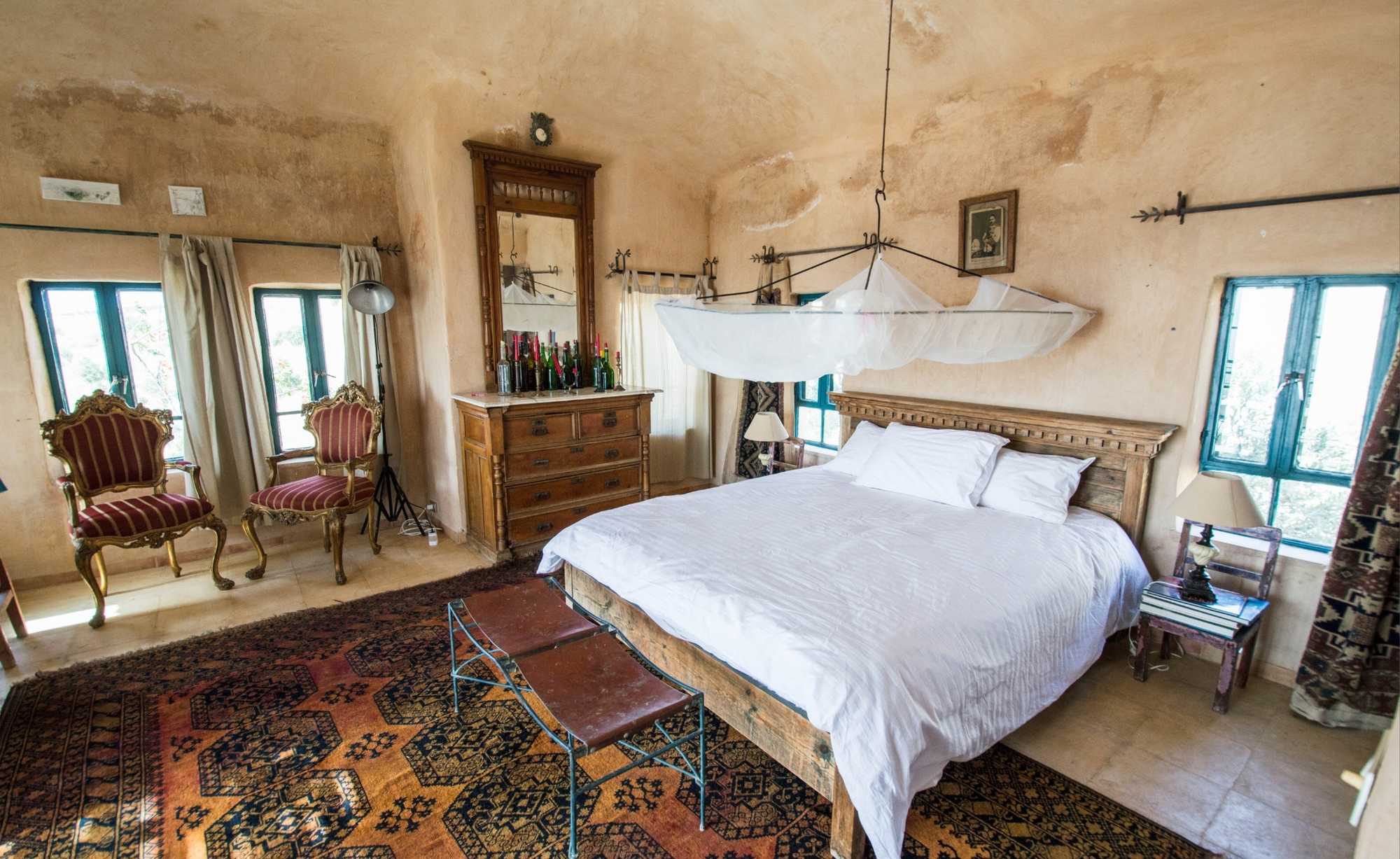
A careful renovation is now underway, its brief to add comfort for the summer months without dissolving what makes the house itself. "I'd like to make it more comfortable for guests, while preserving the essence," Haddad says. The architect is Shatha AlHaj, an urban strategist, placemaking specialist, and a student of Khammash's, whom Haddad met through a project AlHaj had worked on with Khammash in Umm Al-Jimal. "It was an immediate yes. Here again is that same conversation between a teacher and a student who has found her own voice."
Larger plans for Pella exist, some slowed by regional instability, a reality Haddad names without flinching. She is not, however, in a hurry.
"This place has been inhabited for ten thousand years," she says. "It can wait for us."
- Previous Article Virtual Reality Exhibition Hall Approved at NMEC in Fustat
- Next Article Cairo According to: Sherifa Hamid
Related Articles
Trending This Week
-
-
 Sep 10, 2026
 -
 Sep 10, 2026
 -