




The Ard App Connects You to Trusted Locals & Their Best‑Kept Secrets
The Ard was built to bridge travellers with the locals, gathering trusted crafts, stays, and tours into one app.
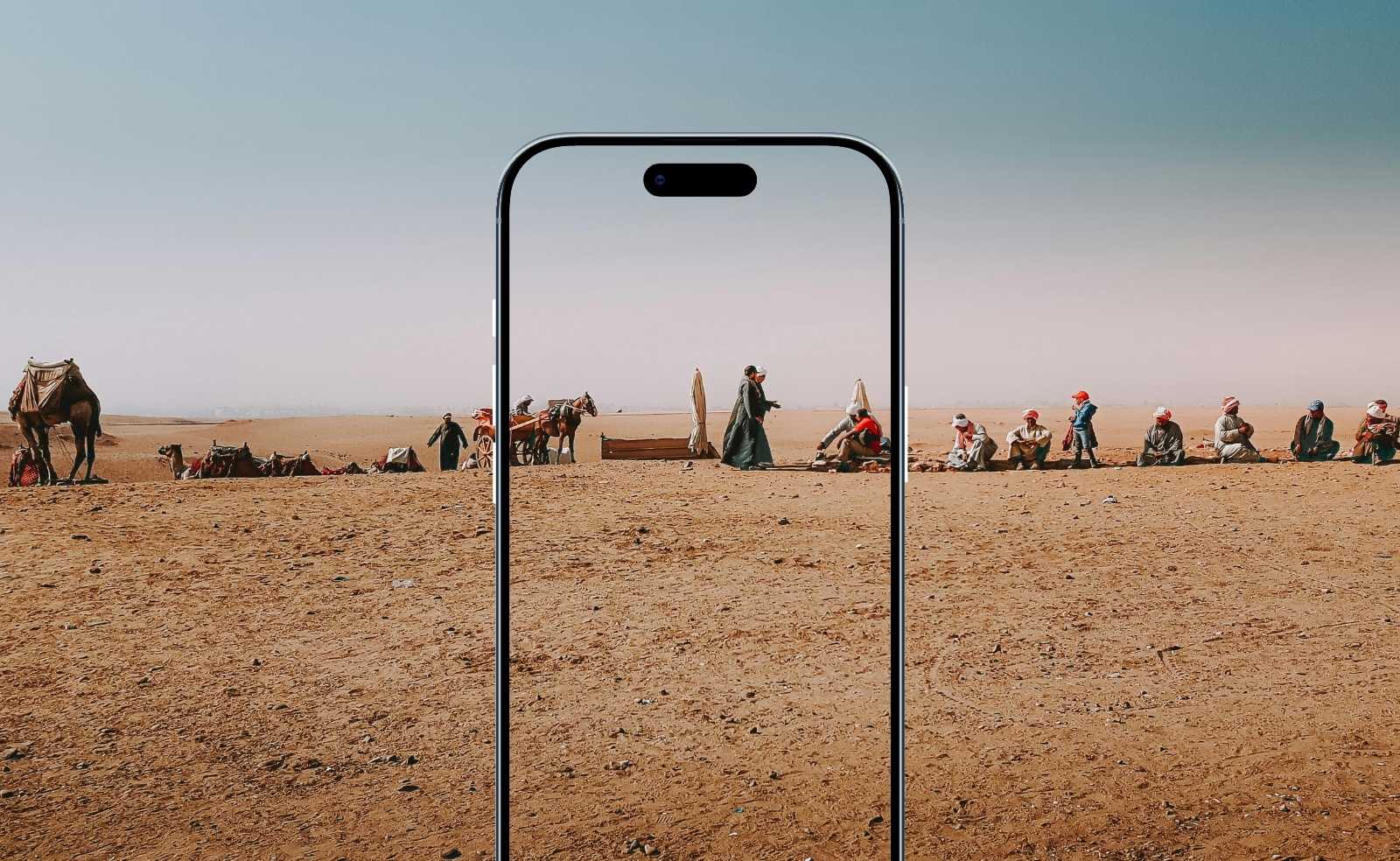
Perhaps the most misleading promise of modern travel, beyond the glossy assurances of “hidden gems” and “authentic experiences,” is the idea that discovery can be streamlined—searchable, sortable, reduced to a series of clean options with verified reviews and instant confirmation. The truth is the most memorable journeys depend on something far less programmable: a name passed between friends, a number scribbled on the back of a receipt. In Egypt, especially, movement has long relied on these informal networks; systems of trust that operate in parallel to the official ones. For those already inside this travel web, everything flows—spontaneous camping trips, Friday morning horseback riding sessions, pottery classes. For those outside it, the same landscape can feel impenetrable, even precarious.
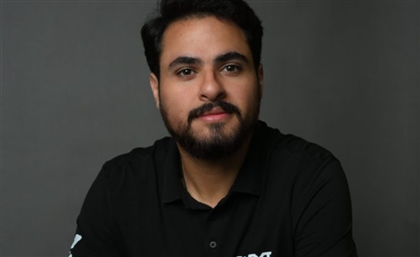
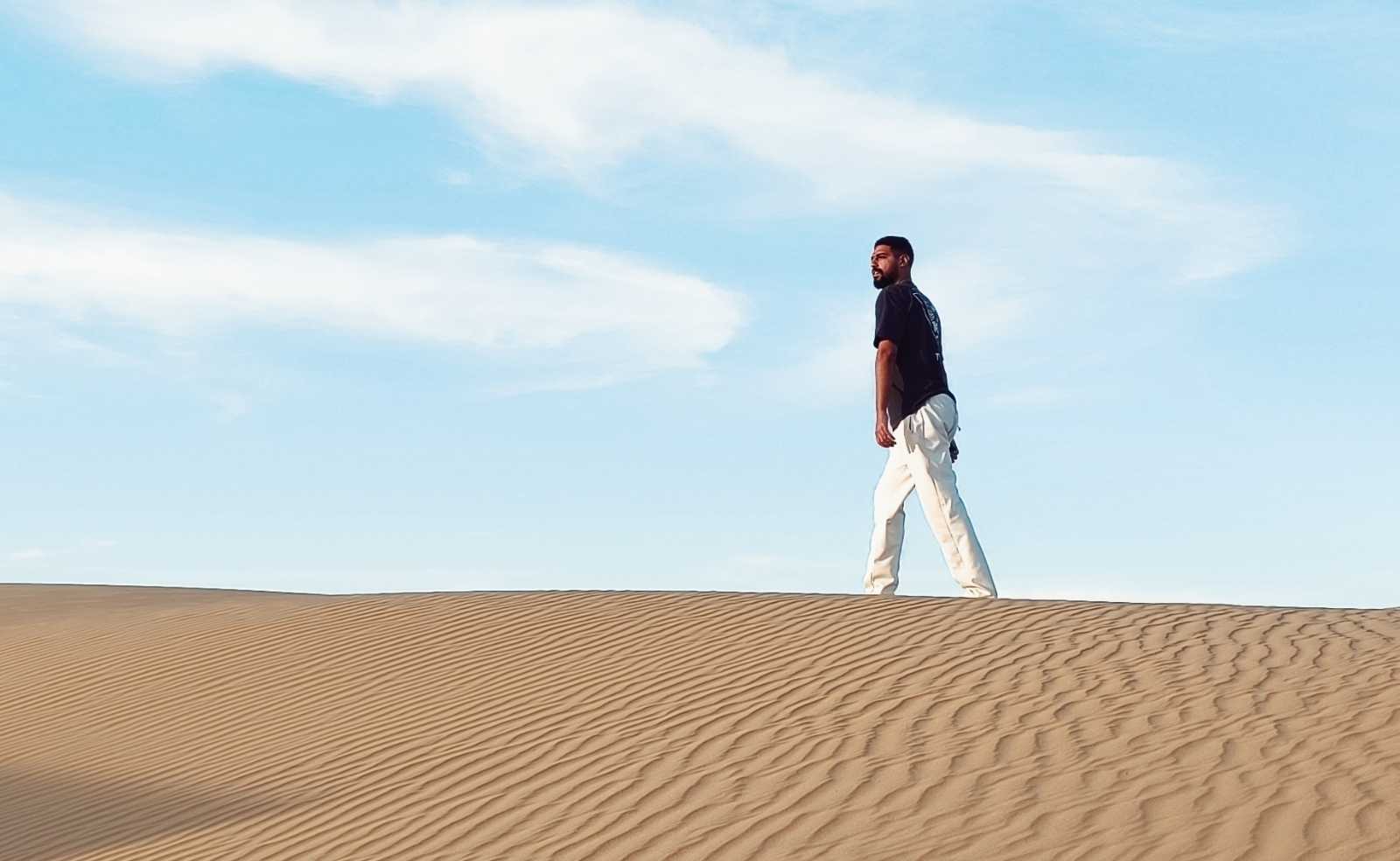 Egyptian traveller Mohamed Sheta has spent the better part of two decades inside that system—following its threads, building its relationships, and quietly becoming one of its connectors. From running Remal Al Rayan in Fayoum to managing Bayside Village in Ras Sudr, his work has long existed within that word-of-mouth current. The difference now is that he’s trying to map it.
What that looks like, in practice, is The Ard: an app that gathers those scattered connections—trusted guides, low-key stays, local crafts, and off-radar experiences—and brings them onto a single screen. “I'm building a community where the traveller can find the person who deserves to be found, someone they know they can trust,” Sheta tells SceneTraveller. “And where the locals can be seen and appreciated without having to shout about it.”
Egyptian traveller Mohamed Sheta has spent the better part of two decades inside that system—following its threads, building its relationships, and quietly becoming one of its connectors. From running Remal Al Rayan in Fayoum to managing Bayside Village in Ras Sudr, his work has long existed within that word-of-mouth current. The difference now is that he’s trying to map it.
What that looks like, in practice, is The Ard: an app that gathers those scattered connections—trusted guides, low-key stays, local crafts, and off-radar experiences—and brings them onto a single screen. “I'm building a community where the traveller can find the person who deserves to be found, someone they know they can trust,” Sheta tells SceneTraveller. “And where the locals can be seen and appreciated without having to shout about it.”
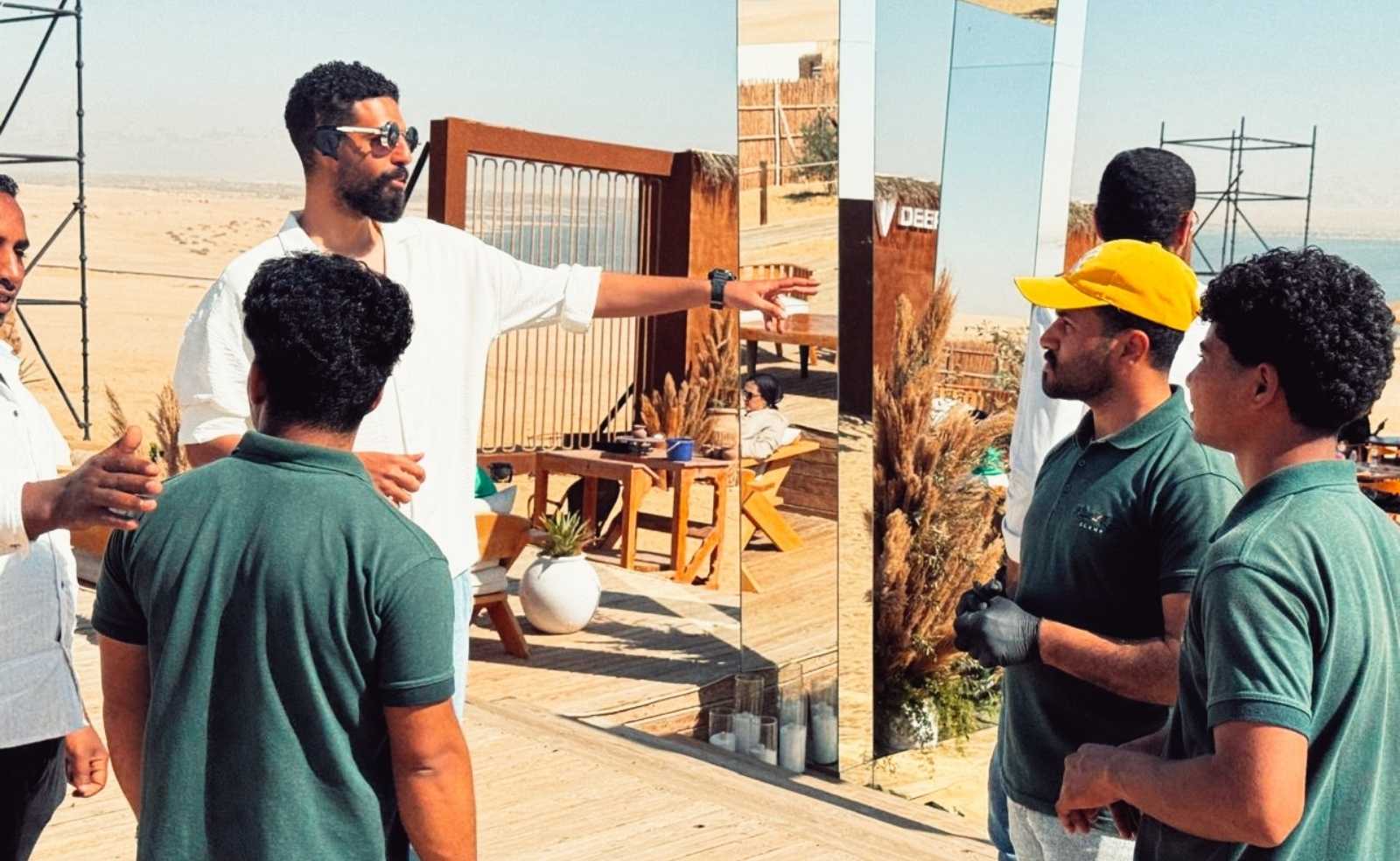 For the traveller, The Ard—the ground, the land—means convenience without the usual vertigo: every vendor vetted, every price fixed, every booking made in a few taps. For locals, it offers something rarer: a way to be discovered without having to perform for it.
“I’m running a different model than listing sites,” Sheta explains. “I just find good people and let them do what they do best." His selection is built on years of personal relationships, many of them dating back to his twenties. “I make sure to include people who have a certain standard, and I provide them with a dashboard, support.” Algorithms have no say here, nothing that emerges from a black box of user ratings and click-through rates. They are the results of a man walking into a workshop, shaking a hand, and deciding that hand felt honest.
For the traveller, The Ard—the ground, the land—means convenience without the usual vertigo: every vendor vetted, every price fixed, every booking made in a few taps. For locals, it offers something rarer: a way to be discovered without having to perform for it.
“I’m running a different model than listing sites,” Sheta explains. “I just find good people and let them do what they do best." His selection is built on years of personal relationships, many of them dating back to his twenties. “I make sure to include people who have a certain standard, and I provide them with a dashboard, support.” Algorithms have no say here, nothing that emerges from a black box of user ratings and click-through rates. They are the results of a man walking into a workshop, shaking a hand, and deciding that hand felt honest. The app itself is divided into five sections. The first being ‘Unique Stays,’ which gathers a scattered constellation of charming places to sleep from the well‑known—like the Gamandy Eco‑lodge in Luxor and Fayoum’s Lazib Inn—to the ones you might have never heard of. The ‘Local Adventures’ section is for the traveller who wants to feel the desert shift beneath a jeep in Lake Qarun, or the back of a horse in the Western Desert, or the weight of a kite catching wind over the Red Sea. Every experience comes with two things: a description of what is included, and a description of who is leading it because the app wants you to know whose hands you are in. In the ‘Journey Planner,’ The Ard’s experts and tour guides publish their own itineraries—a Cairo walk called ‘Time Portals,’ a desert odyssey to the Magic Lake, each route priced and pinned to a map.
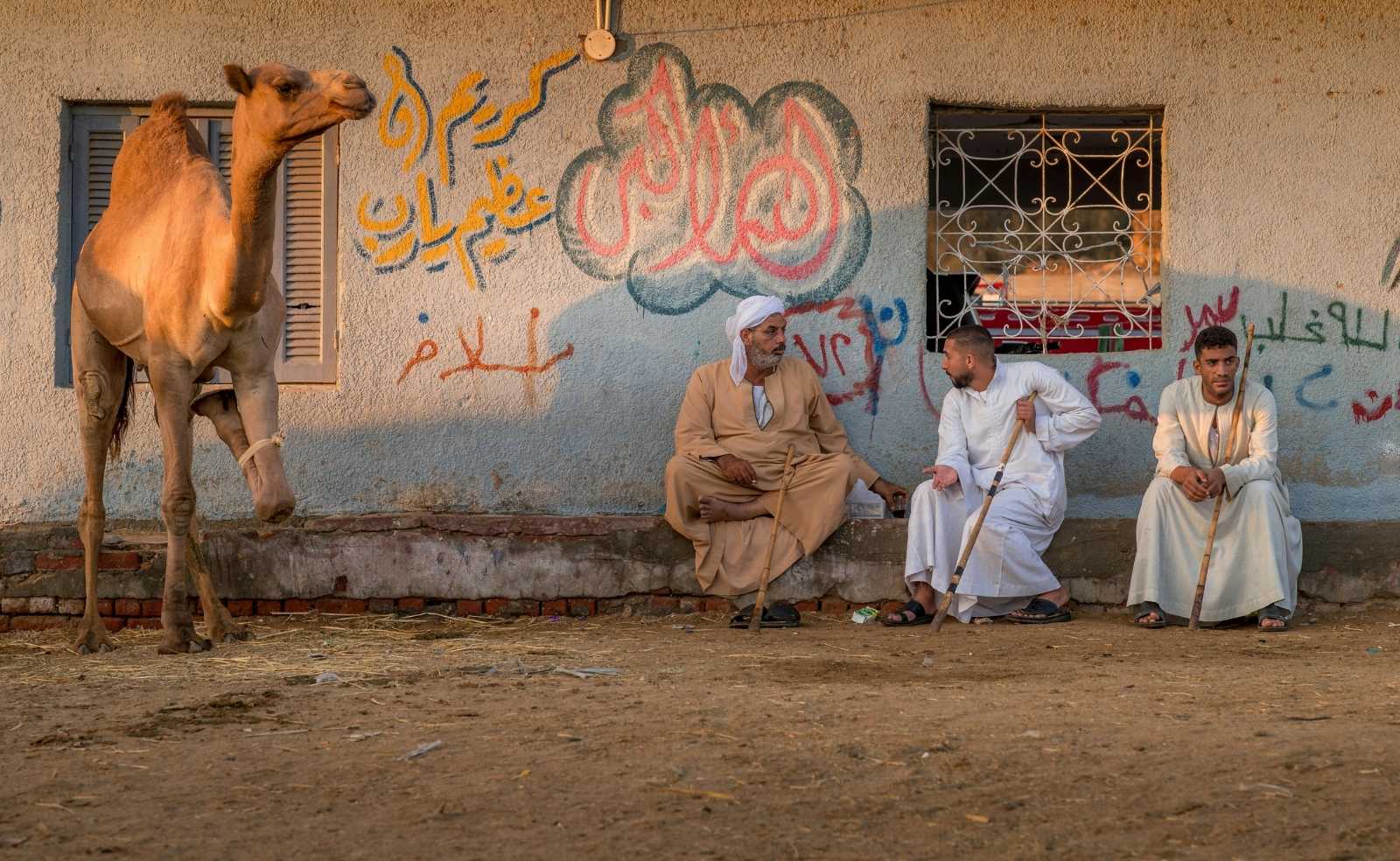 Then there is the ‘Golden Hands’ section. These are the artisans, the men and women who make things by hand in Egypt, some of whom have never touched a smartphone, let alone listed themselves on an app. "Most of them don't know anything about technology," Sheta says. "So we go to them. We register them. We take photographs. We write the descriptions." Pottery masterpieces for nine hundred pounds. Vintage maps of Cairo for four hundred and sixty. A boho piece for forty‑five hundred. The prices are fixed. What you see is what you pay. "They are our main thing," he says. "They are the soul."
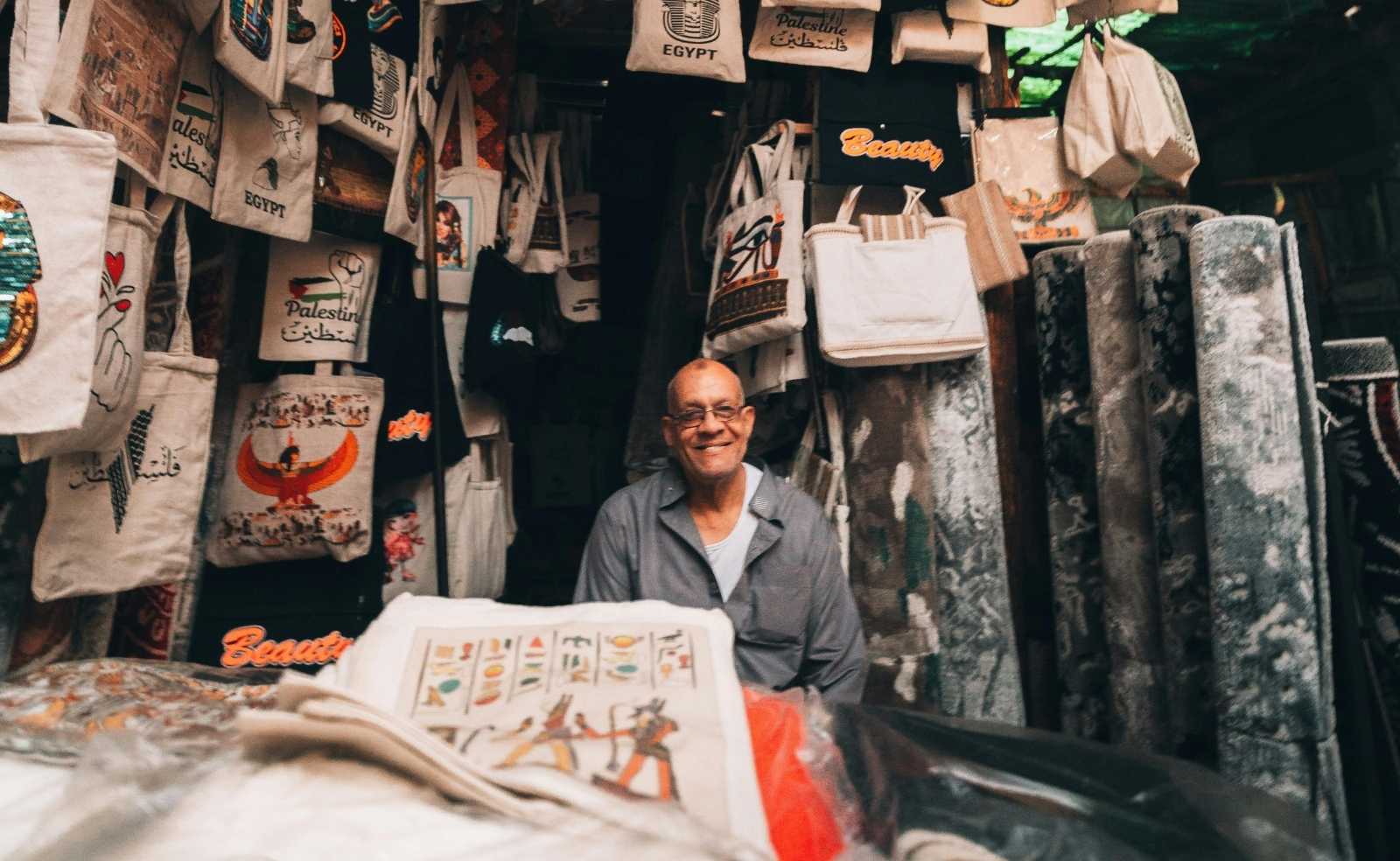 And if none of these quite fit, there is a feature called ‘Customise Your Trip.’ A traveller submits a request and a budget. The request then gets passed down to one of his ‘Journey Planner’ partners—a tour guide, a local company—and the app takes a commission only if the booking completes. “I don’t want to compete,” he says. “I want all of us to work. What do you offer? You have a tour guide. You have a company that makes a programme. I will send the request to you.” If a request comes from Fayoum, he sends it to the providers who know the desert—and steps aside.
The final section is the ‘Journal,’ or what Sheta calls ‘True Stories.’ Narrative descriptions written by the vendors themselves or by Sheta's team—a meditation on the silence of the deep desert, a guide to the ghost-lives clinging to Cairo's old facades. "You don't have to book," Sheta says. “You can use it however you want, you can just read. You can understand the place.” He wants people to open The Ard and stay there even when they have nowhere to go and nothing to pay for. The app, in his telling, is a door left ajar.
And if none of these quite fit, there is a feature called ‘Customise Your Trip.’ A traveller submits a request and a budget. The request then gets passed down to one of his ‘Journey Planner’ partners—a tour guide, a local company—and the app takes a commission only if the booking completes. “I don’t want to compete,” he says. “I want all of us to work. What do you offer? You have a tour guide. You have a company that makes a programme. I will send the request to you.” If a request comes from Fayoum, he sends it to the providers who know the desert—and steps aside.
The final section is the ‘Journal,’ or what Sheta calls ‘True Stories.’ Narrative descriptions written by the vendors themselves or by Sheta's team—a meditation on the silence of the deep desert, a guide to the ghost-lives clinging to Cairo's old facades. "You don't have to book," Sheta says. “You can use it however you want, you can just read. You can understand the place.” He wants people to open The Ard and stay there even when they have nowhere to go and nothing to pay for. The app, in his telling, is a door left ajar.
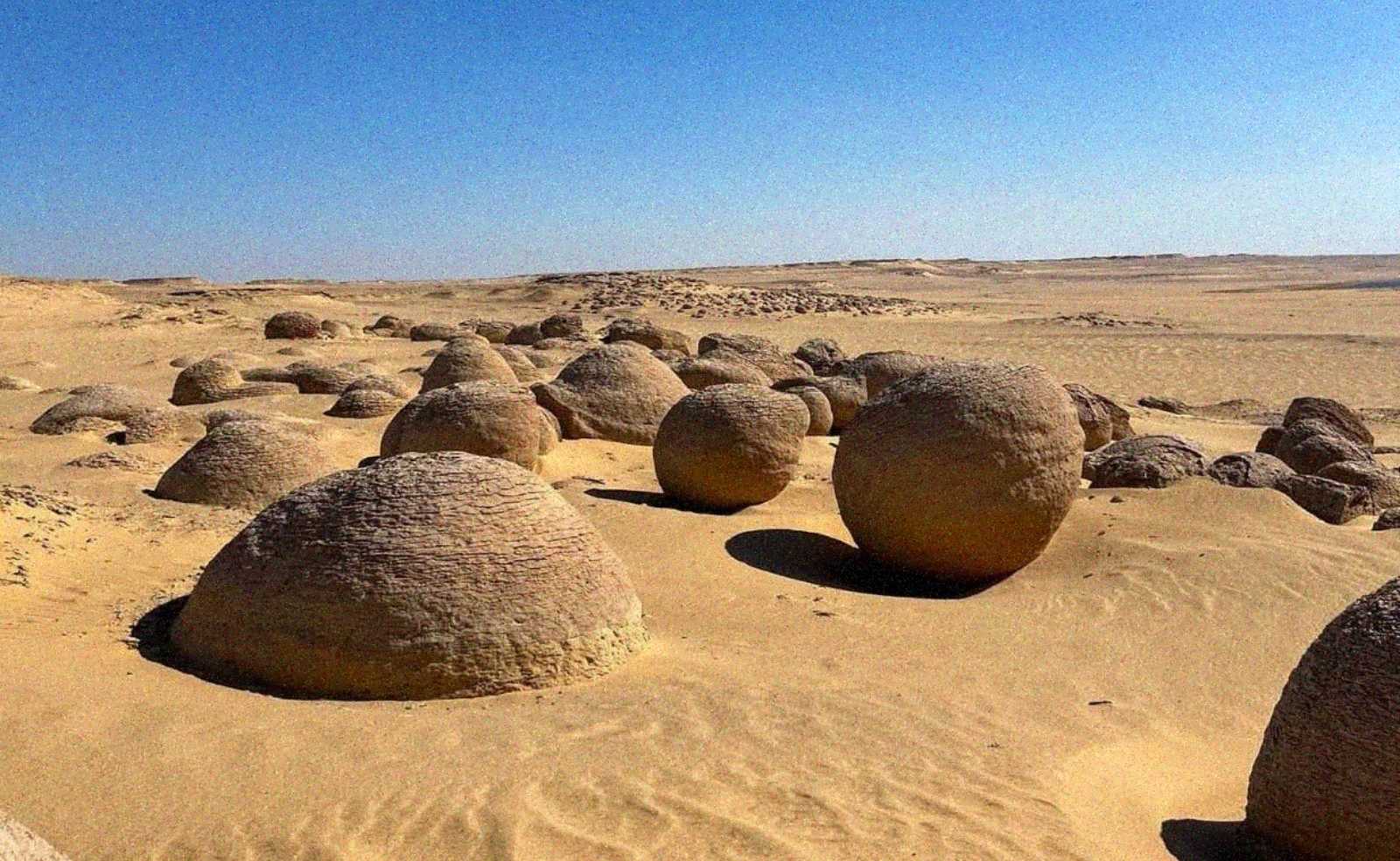 As for the commission, The Ard takes ten per cent, which Sheta calls “the low in Egyptian tourism”—lower than the industry standard, low enough that his partners do not feel bled. He knows what the app has cost him: three hundred and fifty thousand pounds so far, not counting the designs, the videos, the ads that have not yet run. But he also knows that a partner who feels fairly treated will treat a traveller fairly in return.
 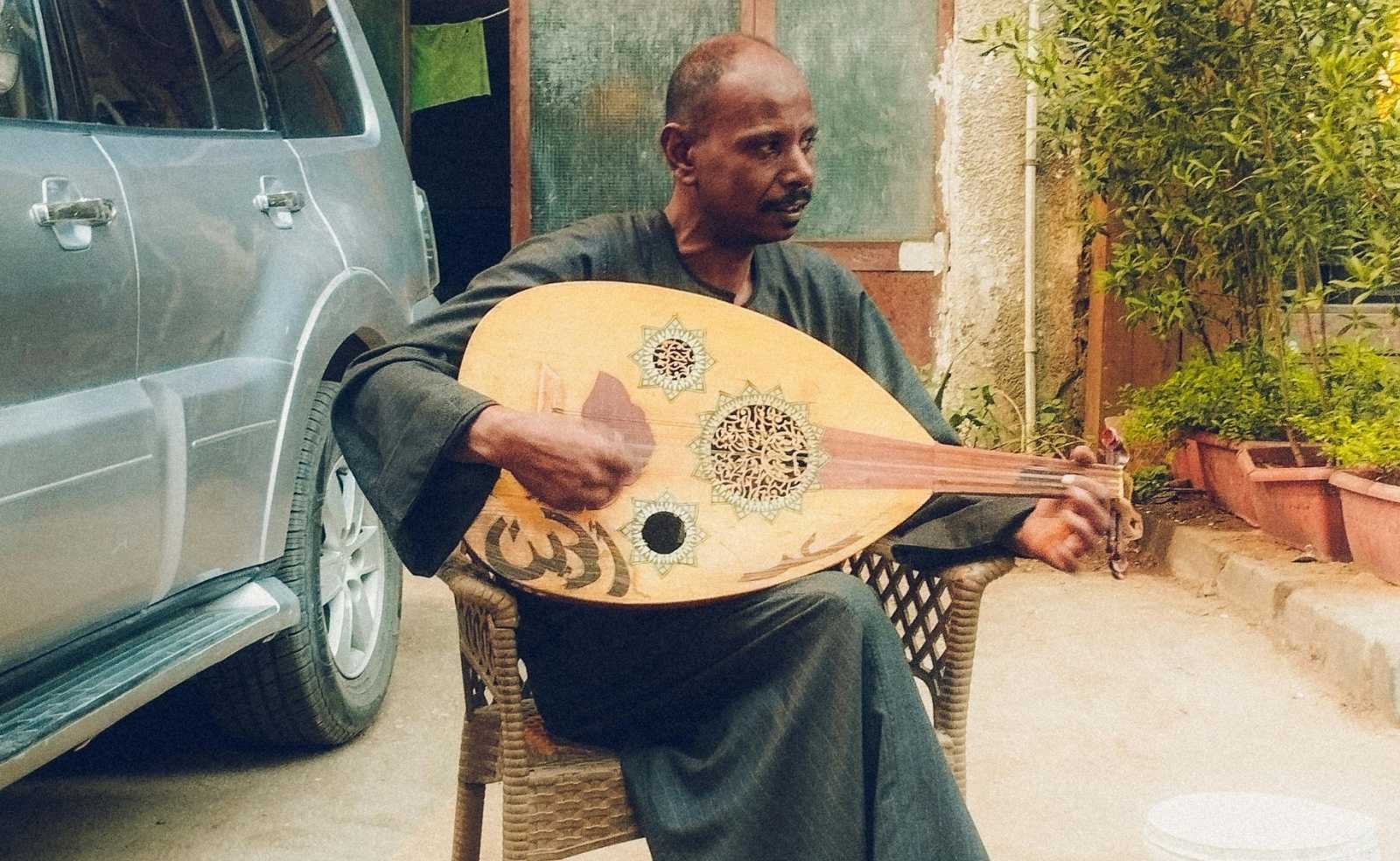 Overall, he does not want to grow fast. “In the first year, I want a hundred people. I want people you can book without worrying. I have a set of criteria, and not any partner gets through.” The long-term plan is to expand the model beyond Egypt, because it works anywhere there is a local community and a traveller who wants what they have to offer. “In two or three years, I want to take the same idea to Saudi Arabia, Dubai, Turkey. I always speak to the local community. I want to support them.”
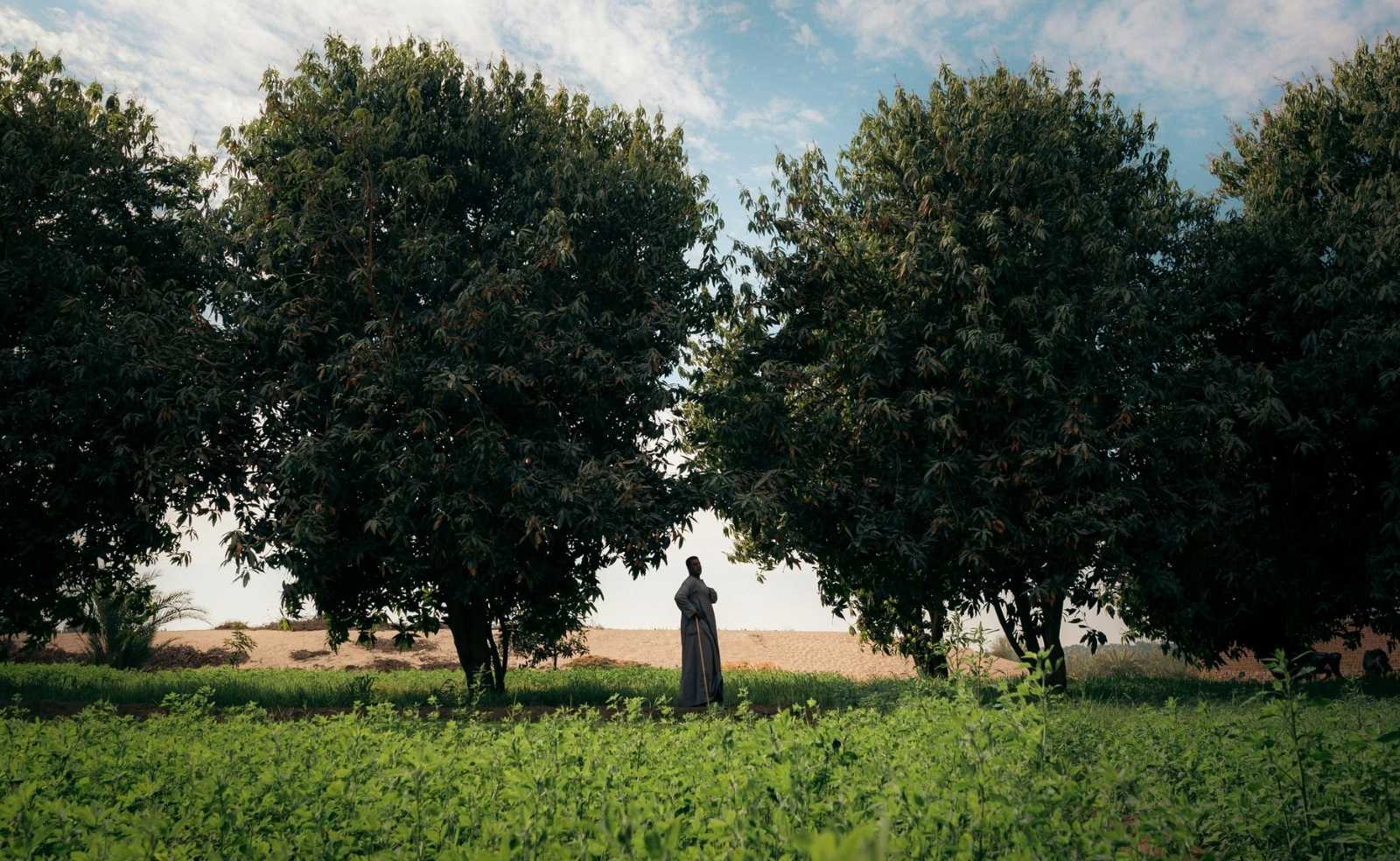 The opaque web that has long defined Egyptian travel for those on the outside will not disappear overnight. But a traveller with The Ard on her phone now has something she did not have before: a choice. She can still take her chances, still step into the unknown without a net. Or she can open an app, scroll past a potter's bowl and a horse ride to a lake called Magic, and book something. The web remains, but a door has been cut into it.
- Previous Article 'I Am Not a Number' Visualises Gaza's Genocide Beyond the Death Toll
- Next Article Rehabilitated Sea Turtles Released & Tracked in Fujairah