



Seerah Transforms Everyday Egyptian Objects Into Contemporary Clothing
The Egyptian label, Seerah, began as a university project, but it didn’t stay theoretical for too long.
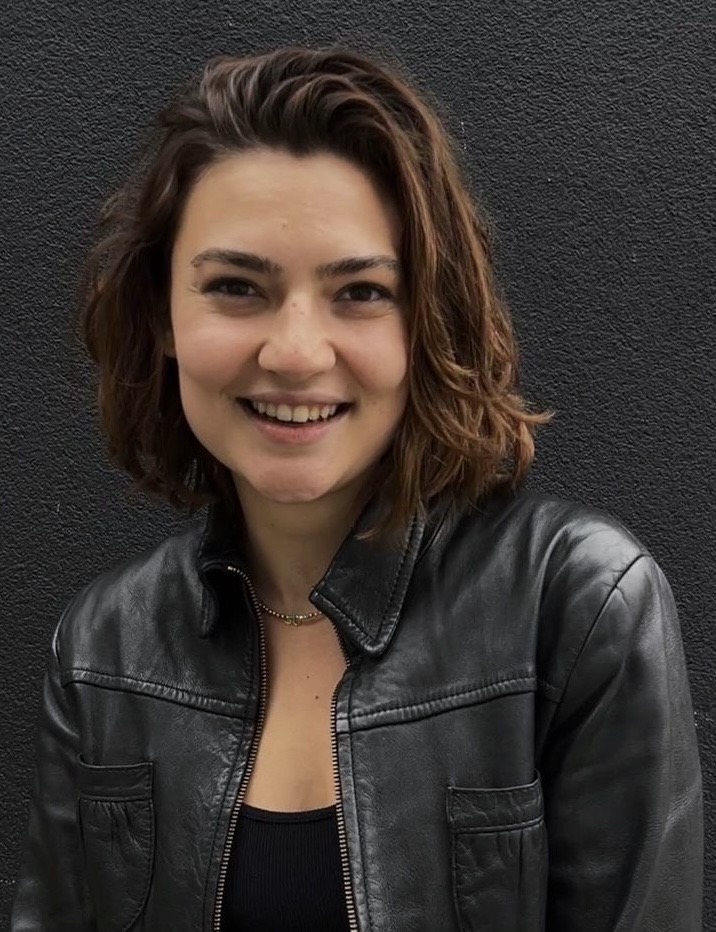
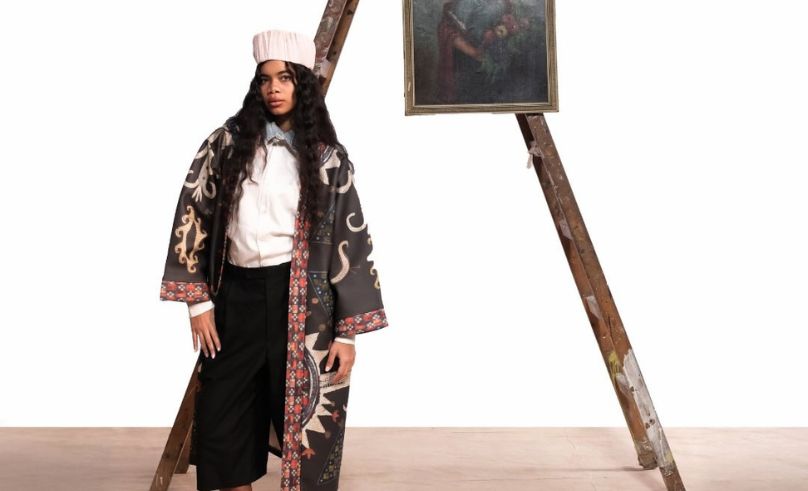
During her undergraduate studies, founder and designer Malak Khaled began developing a collection that brought sustainability into conversation with Egyptian material culture. In the final weeks of her programme, she won BAZIC’s Who’s Next competition, which offered mentorship to develop the work into a market-ready collection. The result was Seerah.
Khaled’s references are drawn from the everyday as much as the historical. Objects, architecture, and surface patterns form the basis of her approach, but the emphasis is on re-framing rather than citation. “Whenever people hear about heritage, they think about it in a stereotypical way,” she says, “mostly Ancient Egypt. I wanted to expand on that.” Early collections draw from sources such as the tawla board, the shakhmagia wooden box, Egyptian coins, Nubian houses, and khayamiyya tent-making.
Translating that research into production brought its own constraints. Materials such as organic cotton and linen proved difficult to source locally, and supply chains offered limited transparency. Access to traditional craft was similarly restricted. “I was looking for someone who could help me with handmade embroidery,” she says. “I didn’t find anyone, so I did it myself with the help of my grandmother.” The process became iterative, with the brand refining its methods through trial and response.
That feedback has informed more recent collections, which lean further into colour and surface while maintaining their references. Khaled has also incorporated upcycling into the process. “There’s a lot of leftover fabric that’s not going to be used,” she says. “So I thought, let’s rework it for the next collection.”
Like many early-stage designers, she found that formal training develops ideas more readily than it prepares for production. “You need to have patience and accept that the process takes time,” she says. The work is hands-on and often slow. Simplicity, she adds, is less a compromise than a method: “You don’t need to complicate things so people are amazed. Go simple, and it will work better.”
- Previous Article This Hotel in Fez Was Once a 14th-Century Palace
- Next Article Kudo Advisory Launches in UAE to Support Enterprise AI Deployment
Related Articles


Trending This Week
-

-
 May 11, 2026
 -

-
 May 10, 2026