






Teta’s Tables Was Built to Feel Like a Grandmother’s Home
At Teta’s Tables, a founder living with epilepsy turns a grandmother’s table into a space built on care first.


When you walk into Teta's Tables in Dubai, a member of staff asks how you're feeling. The answer is taken seriously enough to determine what colour cup your drink arrives in; a system built on colour psychology that founder Hassan Hamieh describes as working "subconsciously." Someone who says they're happy gets pink: warmth, emotional softness. Sad gets blue: peace, stability, a sense of being steadied. Neutral gets yellow: optimism, mental clarity, something that functions like a gentle suggestion. Stressed gets green, which Hamieh connects directly to nature and restoration, to what it felt like to have his hands in his grandmother's garden.
Each cup carries a printed affirmation. Nothing big or performative, just something brief you read while your drink is still hot.
"We wanted the idea of mood and emotional awareness to feel natural and personal rather than something overly designed or obvious," Hamieh says. The interaction is trained into the staff from the beginning. "My team is trained to start the customer encounter with our community”.
What surprised Hamieh, when it finally came to the Ramadan pop-up where Teta's Tables had its first real public run, was how readily people accepted this. "When I was at the booth and people saw me and spoke to me directly, their reactions were very supportive and genuinely engaged with the concept. They really enjoyed the booth design, took pictures of the space, and were especially drawn to the affirmation cups and the small emotional details behind them."
What makes a coffee shop, in Hamieh's view, has almost nothing to do with coffee. "It's the space, the emotions, the mood, the feelings, everything that affects people, everything that enters your mindset," he says. "It's a space that interacts with you. You're not just sitting inside a luxurious decor that some designer made and placing an order. It was about my own personal struggle and how that relates to all people struggling with mental health."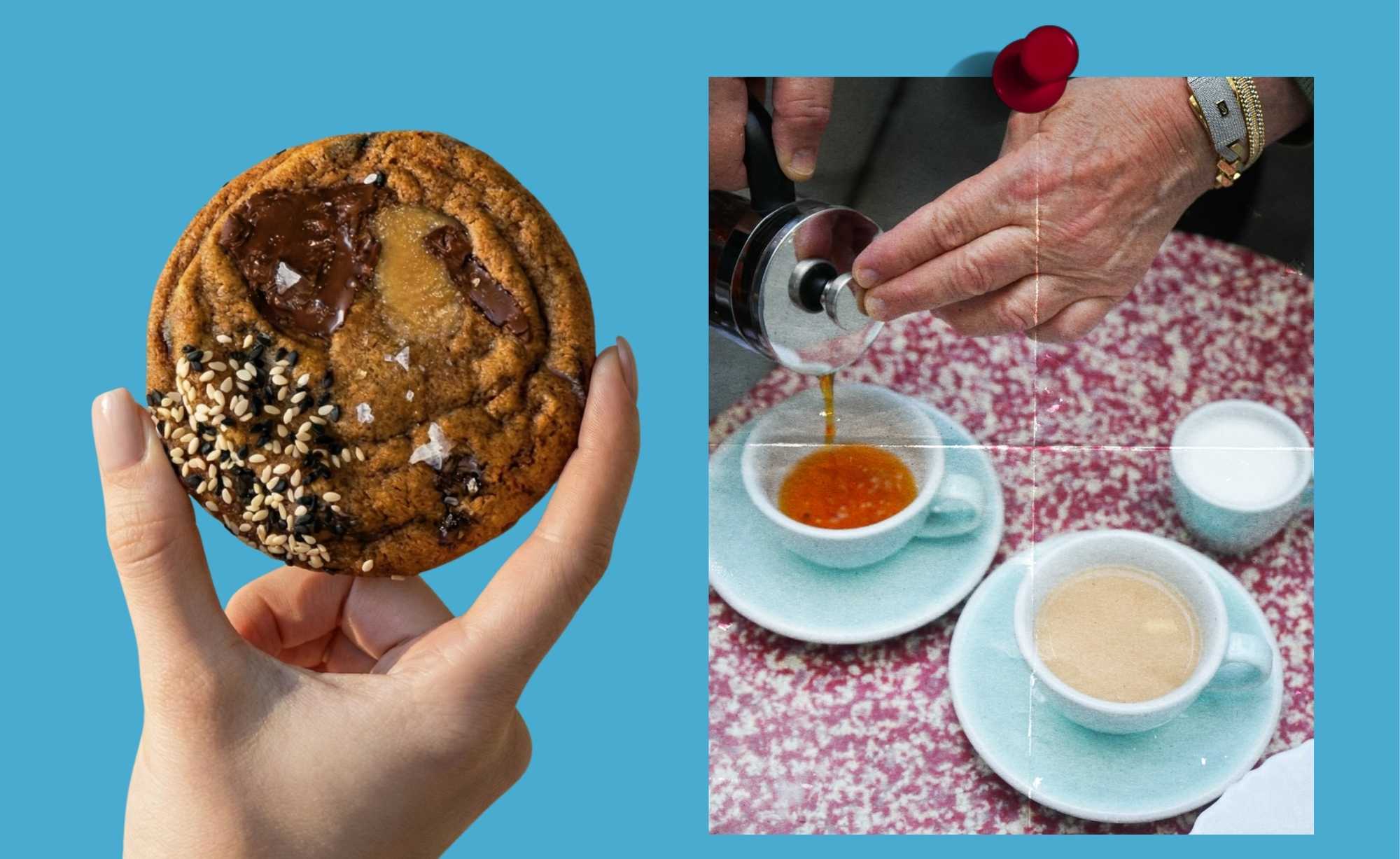 The name came from his grandmother - teta being Lebanese Arabic for grandmother - and from what her table had always been; an ongoing generous offer of food, of conversation, of being seen without having to explain yourself first. "That table was where we talked about my studies, my values, family memories, life lessons, even coffee - how to manage emotions, and how to stay calm during uncertain times," he says. They also gardened together, making gardenia necklaces the way Lebanese families do, planting seeds and watching them take. The café is an attempt to reconstruct that feeling for strangers.
"Teta's house was always the place where I felt safest, especially during my struggles with mental wellbeing. It was a space where I felt understood, calm, and emotionally supported without judgment. I wanted Teta's Table to reflect that same feeling, to be a community space where people can slow down, feel emotionally supported, and experience the same warmth and reassurance we associate with sitting around our grandmother's table."
Hamieh is still figuring out how much of his epilepsy to share online. "I'm working on comfortably sharing my journey with epilepsy because I believe it can help spread awareness, not only for people living with epilepsy, but also for anyone struggling with mental health challenges," he says. "For now, my priority has been making sure Teta's Table becomes a valid and safe space for everyone first. To do that, I had to speak from the perspective of someone who has experienced feeling unsafe, misunderstood, or not fully welcomed in certain spaces. That feeling is what pushed me to create my own space."
Hamieh’s grandmother still calls to check up on him when he's exhausted from municipality visits, when the licensing paperwork has stacked up into what not even faintly resembles a manageable task, when the managerial exams loom and the odds feel less than favourable. “She calls and she asks - how are you feeling?”
Hamieh was six years old when he fainted mid-play with a friend. Not long after, he was diagnosed with epilepsy. He’s been answering that question in different ways ever since. He has, of course, answered it to doctors. To his parents, who immediately began figuring out how to navigate a condition few people around them understood. To the shadow teacher, who stayed with him through school. To university administrators, who needed medical proof before allowing extra time in exams. And to himself, on days when the medication’s side effects - fatigue, mood swings - made even a normal workday difficult in invisible ways.
As for his employers, he has not answered them about it at all for a long time.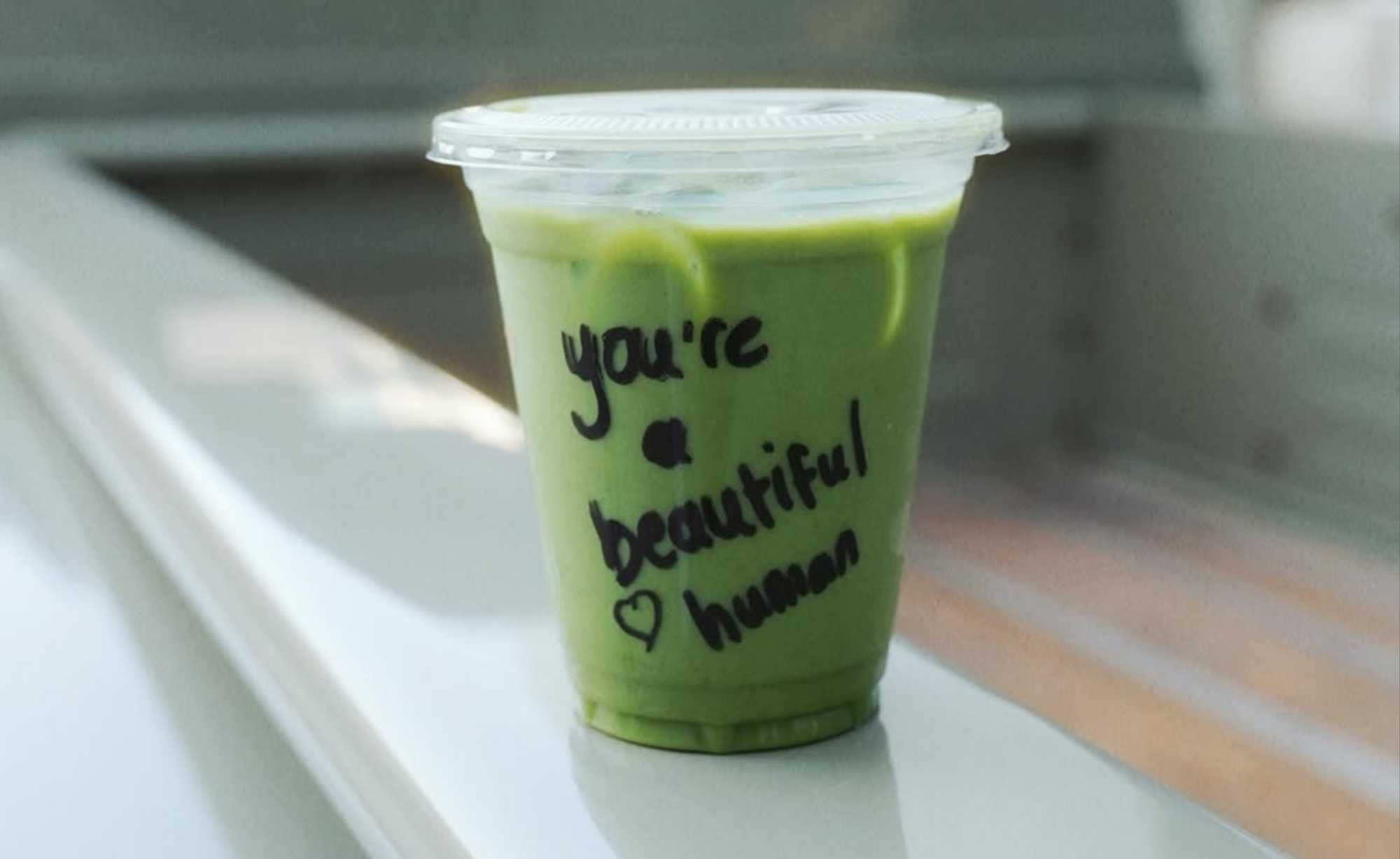 When he was first hired in Dubai, Hamieh was still figuring out how to speak about epilepsy in a workplace. He was calibrating how much disclosure was safe, what the consequences might be, whether a workplace could hold that information without it becoming his only identifier. Then he had a seizure at home and missed three days. "I remember feeling very unsure and shy about how my manager would perceive it," he says. Eventually that forced the conversation. "I cannot stay silent about it. People need to know, especially in a work environment, so they can understand how to support me properly."What those years at work taught him went beyond whether to disclose at all. He started noticing a pattern in how he struggled. "Sometimes tasks are given with expectations of completing them within a short time, but for me, I need structured guidance and time broken down into steps," he says. "I don't struggle with capability, but with how things are framed around time and process." He filed that away and years later, it would become the backbone behind everything at Teta's Tables.
Hamieh was job-searching, stressed, at a loose end, when his mother mentioned a coffee shop in Riyadh that was franchising. He contacted them and nothing came of it. He tried other GCC chains. Months passed and his requests went unanswered. "A question came to my mind: what makes a coffee shop?" he says. "And I found it as soon as it came to me."
He went to meet two friends who ran a consultancy, and that is when Teta's Tables began to take shape.
"Me and Teta often talk about food memories, ingredients, and flavours we grew up with, and from those conversations ideas naturally come up," he says. Those conversations go to a food consultant, who figures out the engineering of them. The Tahini Matcha, one of the early hits, came from wanting to put something regional and earthy alongside something as global and contemporary as matcha. The Date Cinnamon Latte later arrived with Ramadan.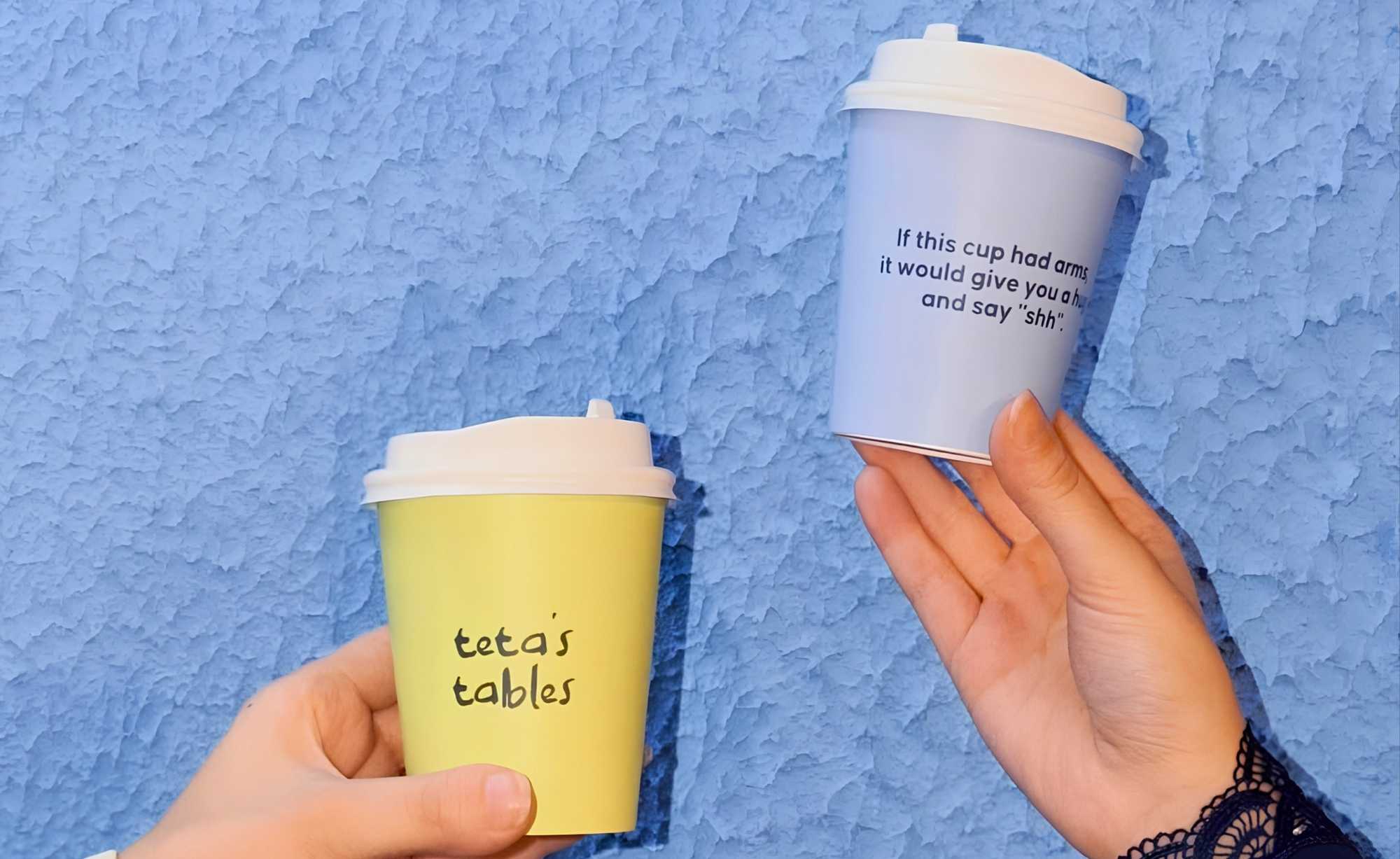 Finding anywhere to sell these drinks took almost two years, pop-up spaces that expressed interest would postpone then postpone again. "As a startup, people might think pop-ups would easily accept us," Hamieh says. "But it is not like that. Until now, many places keep postponing our attendance because we are still a startup."
When the CP Majlis pop-up at ROOFLINE by DIFC finally said yes for Ramadan 2026, the first day fell apart. The booth was the wrong size, the point-of-sale system hadn’t been installed, and there were piping and drainage issues. Two to three days were lost before anything could properly begin. Hassan had already had a seizure during setup, which brought its own doubts. “What if this happens during a pop-up? What if I need days to recover? Can I still run this?” His mother was travelling. His team and his grandmother held things steady.
"There are times when I simply don't have the energy or mental clarity to fully analyse situations or make complex operational decisions," he says. "In those moments, I've learned to be honest with my team and say, 'I can't answer this at the moment,' and come back to it when I'm in a better state to think clearly."
But for Hamieh, Teta’s Tables was never meant to become a story solely about illness. What he wanted to build was a space that could hold people more gently than most spaces do; somewhere emotional awareness feels embedded into the experience rather than announced.
Today, the café operates through pop-ups across Dubai, where guests arrived for coffee and left talking about affirmation cups, mood colours, and the strange comfort of feeling understood by a stranger handing them a drink.
- Previous Article SceneNoise x Amsterdam Dance Event Present CROSSFADE: Egypt
- Next Article SELECTS: Egyptian Creative Nour Koura Styles Jewelry That Sings
Related Articles


Trending This Week
-

-
-
 Sep 28, 2026
 -