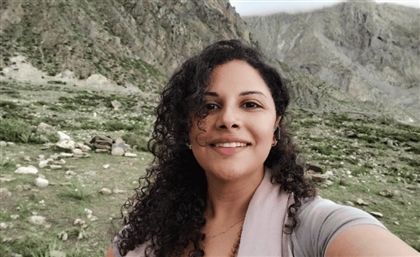






Alaa Saad on Egyptian Women’s Mobility & Setting Legal Precedent
After being denied a hotel room for booking solo, journalist Alaa Saad won for Egypt’s “unaccompanied” women.
.jpeg)
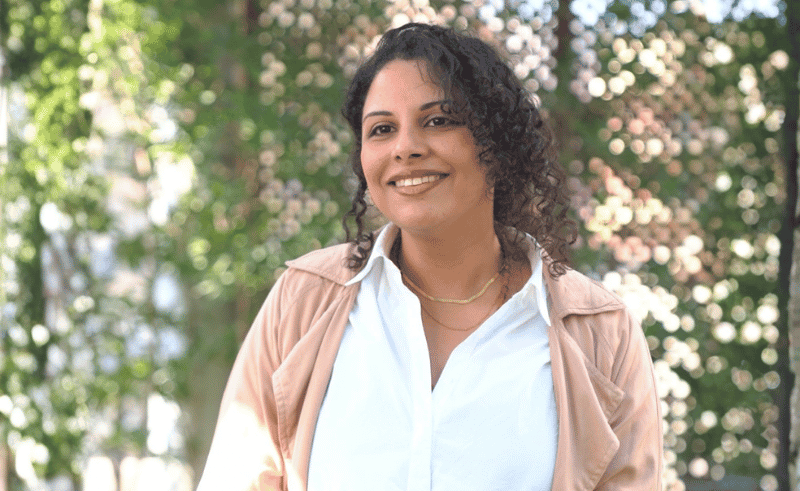
In January 2026, Egyptian journalist Alaa Saad tried to book a room at Utopia Al-Safwa Hotel in Port Said. What followed became a landmark legal battle, and the first court ruling in Egypt to impose anti-discrimination penalties in a case involving women. A win for Egypt’s “unaccompanied” women.
The defendant was sentenced to one year in prison and fined EGP 50,000. Saad set out to challenge the widely practiced, yet unofficial, policy of refusing “unaccompanied” women, those without a husband, father, or male guardian, a single hotel room. The term itself signals the assumption of a missing patriarch. While neither legalized nor formalized, the practice remains common, particularly in smaller hotels and hostels, though, according to Saad, five-star establishments are not entirely exempt.
Framed as conservative or traditional, the policy is rooted in economic discrimination and a dismissal of women’s agency. “Many women reached out to me after I published my story,” Saad tells CairoScene, “sharing how this informal policy pushed them into dangerous situations, spending nights on the streets or in train stations when denied a room.”
The reality of filing a case only adds another layer of difficulty. Complaints must be submitted in the same city as the hotel, forcing women to travel to the very place where they were denied access. Saad did exactly that, returning to Port Said to file her report, a process she believes should be reconsidered in cases of discrimination, where the victim is already more vulnerable.
She first shared the incident in a Facebook post, continuing to document the legal process as it unfolded. In March, the court ruled the hotel manager not guilty, arguing that the policy was not discriminatory since women accompanied by male relatives were permitted to book rooms. For Saad, this reflected a broader issue: not the absence of legal grounds, but the absence of enforcement. Women facing this kind of discrimination often lack the access, resources, or stamina to pursue legal action.
With a background in journalism and experience covering human rights and gender issues, Saad pushed forward. The New Woman Foundation stepped in with legal support, alongside a digital campaign reclaiming the language used against women: “single hareemy haq li kol mowaten.”
The case extends beyond Saad. With this precedent now in place, she hopes more “unaccompanied” women will begin to challenge these discriminatory practices and use the law to claim their right to move, stay, and exist on their own terms.
- Previous Article Arabic Language Law to Define Usage Standards in UAE by 2027
- Next Article The Ancestral Resilience of Omar El Farouk’s Fayoum Home