





Palestinian Producer Nasam on the Art of Sampling the Untouchable
The Palestinian producer opens up about sampling Arabic classics and building a massive audience through eerie visuals.
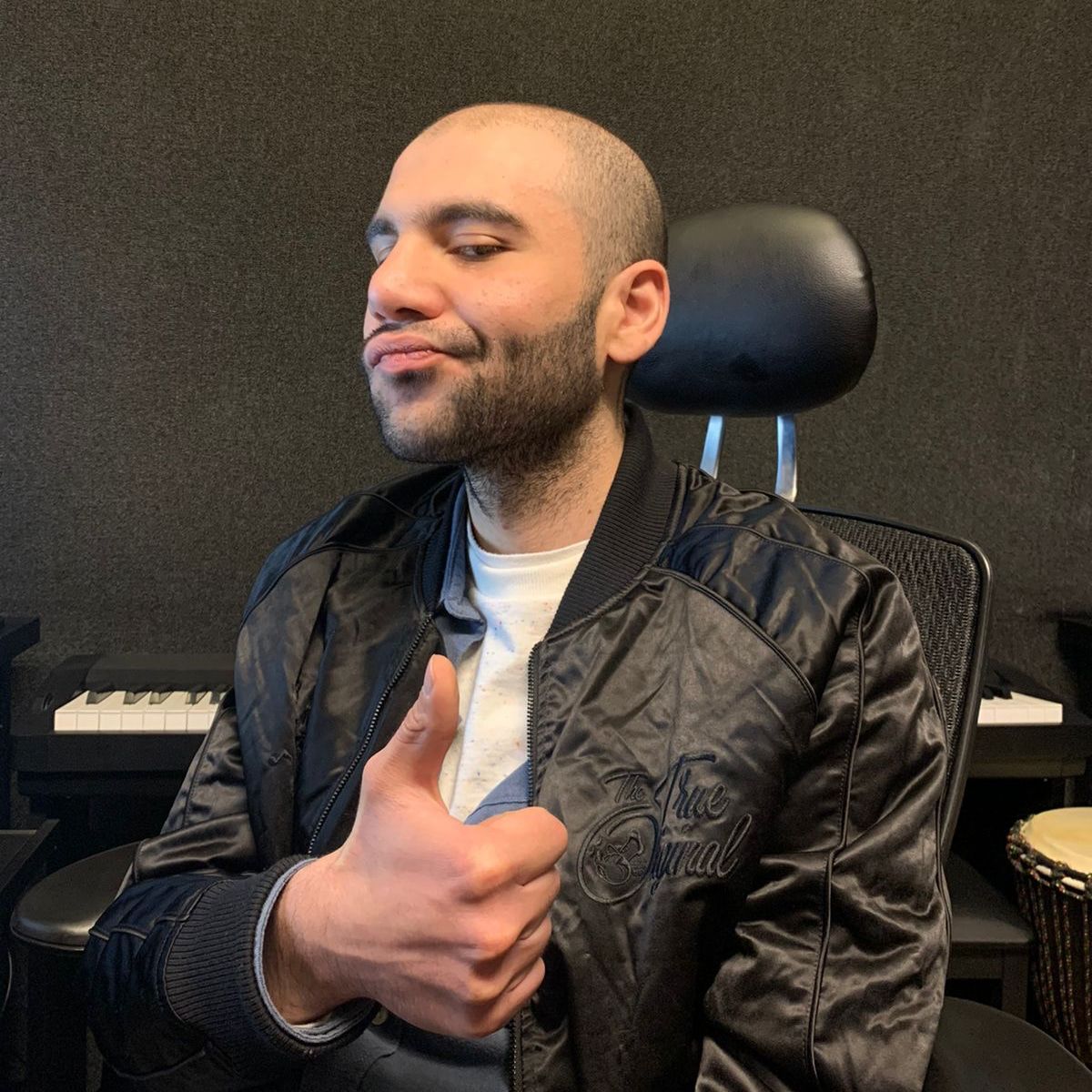
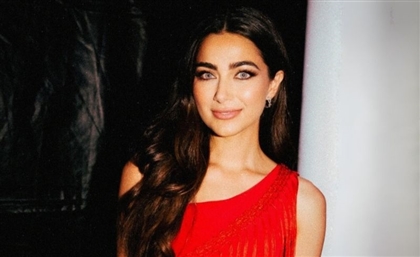
For those who grew up with it, there is a certain reverence that surrounds Arabic music that doesn't quite translate outward. Artists like Fairuz and Umm Kulthum occupy a place beyond music in the Arab world: they are cultural monuments, bound up in our collective identity almost as much as our flags and national anthems. To sample them is to touch something sacred, and most producers don't dare. The timelessness of these records has always seemed to resist being modernised or reimagined. And yet, somehow, Nasam, a 28-year-old Palestinian producer based in Florence, is doing exactly that, and the internet is paying close attention.
Sonically, the music Nasam has been putting out is inventive, hip-hop-leaning, lo-fi-textured, glitch-inspired, and fully cohesive, catching you off guard the moment you recognise the Fairuz sample peeking out of the beats. But in today's landscape, good music alone rarely makes the cut. Attention is visual first, and Nasam understood that early on.
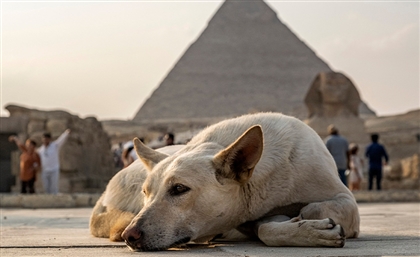
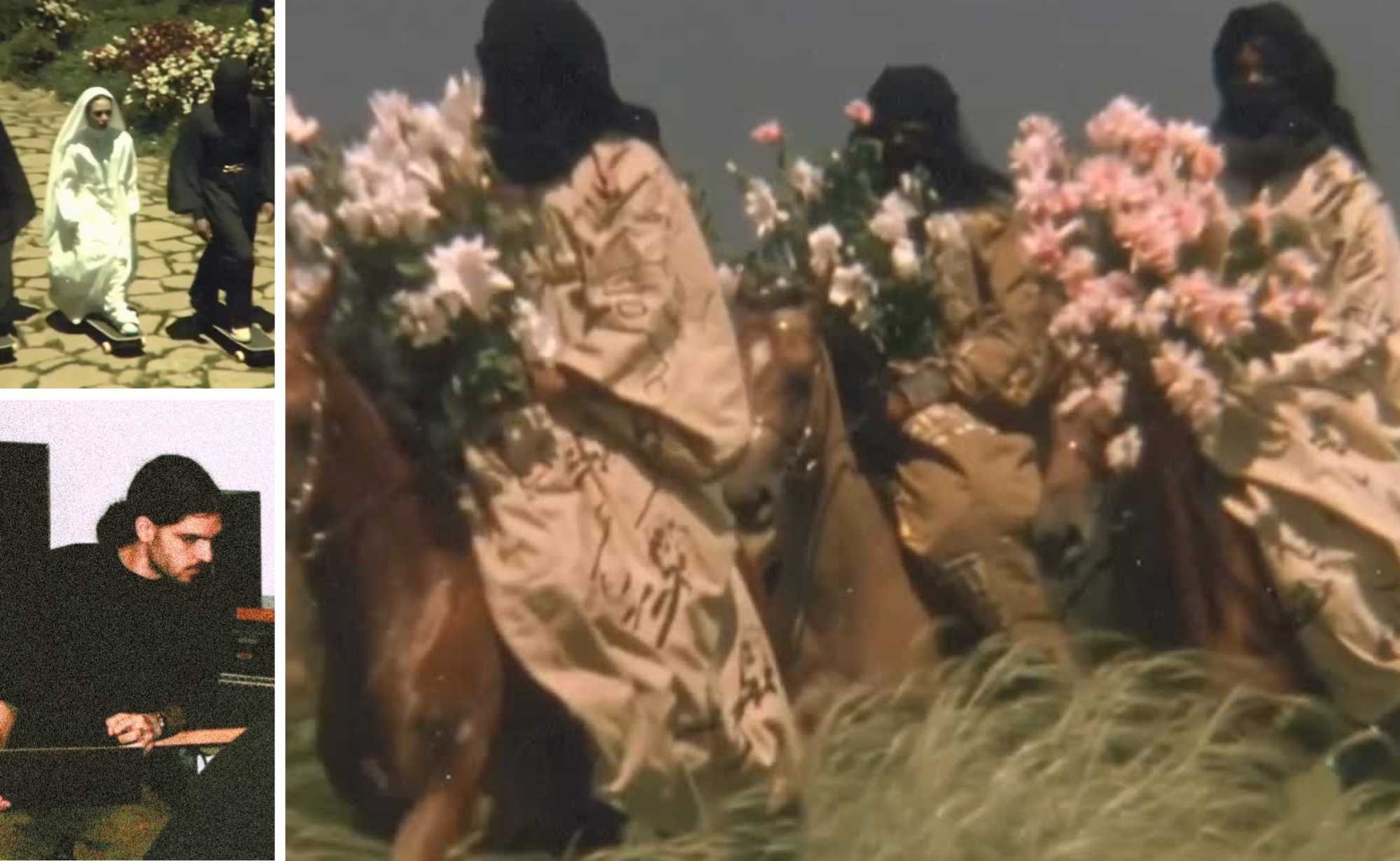
The videos that accompany his music occupy a strange, specific world. They are rarely longer than a minute, but densely layered with imagery that feels simultaneously archival and otherworldly: AI-generated scenes with film-like textures, horse riders emerging from nowhere, dogs standing guard, and tents overflowing with flowers. It is like a recurring dream you can't fully remember.
Together, the sound and visuals pull from the deep emotional reservoir of Arabic heritage and, in recent weeks, have been finding a massive audience. We spoke to Nasam about his work.
-500390b2-4889-41d9-b632-4dc10898cf57.jpg)
Q: Let's start with the world you're building. How would you describe what you're making, both sonically and visually?
I'm trying to build a world that feels nostalgic, emotional and cinematic all at once. A lot of my inspiration comes from old Arabic music - from my own culture - and the atmosphere and feeling inside it. But I mix that with modern editing, heavy sampling and hip-hop culture. I want people to feel like they're entering a different space for a few seconds. Something beautiful, intense, almost dreamlike. That's why the visuals and music are so connected for me; I don't see them as separate things. The sound affects the image, and the image affects how you hear the sound. At the core of everything, I'm building a universe that blends heritage, emotion and modern energy into something that feels both familiar and new.
Q: Where does that impulse come from? Why this, and why now?
A lot of it comes from everything happening in our region right now, especially back home in Palestine and in Lebanon. When you grow up in that part of the world, you carry a certain feeling with you all the time: grief, nostalgia, pride, beauty, anger, memory. They all mix together.
The music and visuals became a way for me to translate those emotions without always speaking about them directly. I wanted to preserve something beautiful while everything around us feels unstable or heavy. But I also didn't want to create work that only feels dark or hopeless. I wanted to build something immersive that reminds people of the richness that exists in our culture and in the Arab world as a whole. So, the world-building came naturally from the moment we're living in. It's my way of processing what's happening around us while also creating something timeless—something people can connect to emotionally, even if they come from completely different backgrounds.
Q: Tell us about your background and where you come from.
I'm from Nazareth, born in the Northern Galilee, and I grew up between there and the coast near the Lebanese border. That environment shaped a lot of who I am culturally and musically. About five years ago, I moved to Florence, where I learned Italian and French and completed a degree in Music Production, Sound Engineering, Music Business and Commercial Music. I studied in a historic Renaissance building which used to be the painter Raphael's house, which is now an academy. I was trained by incredible people, including Riccardo Onori, who has worked with Rick Rubin and Jovanotti, and Professor Eric Buffat, who has worked with Laura Pausini, among many others.
But my relationship with music started much earlier, through my father. He introduced me to Led Zeppelin, Pink Floyd and The Beatles, whilst at the same time making sure I was deeply exposed to our own culture: Sheikh Imam, Umm Kulthum, Fairuz and Abdel Halim Hafez. That combination opened everything up for me early on. I've been playing guitar for around 17 years and producing for about seven.
Q: Fairuz appears prominently throughout your work. How do you approach sampling someone of that stature?
It took me years before I even felt comfortable touching her music. A big part of that was respect. I wanted to reach a point musically where I felt capable of treating it with enough care before attempting it. When I work with Fairuz, I don't approach it like I'm trying to "change" the music. I try to understand it first. I look for small emotional details inside the performance - certain phrases or textures that already carry a strong feeling but aren't usually heard in isolation. Then I try to highlight those elements in a new context: loop a specific moment, reframe it rhythmically, and build a new atmosphere around it. I bring my own voice in through guitar, drums and production, so it becomes a dialogue between the original emotion and my interpretation of it.
Respect comes from intention. I'm not trying to modernise or erase the original; I'm trying to preserve its emotional core while translating it into a language that connects with a new generation. I've had Fairuz fans of all ages reach out to say how much they've appreciated the way I approach her music, and that means a great deal to me.
As for copyright, I haven't run into serious issues so far, but I want to be clear: I have no intention of commercially monetising these projects without the consent of the original creators. The goal was never to take from the original music; it's closer to a tribute.
Q: How does your visual process work, and what are you trying to make people feel?
The visuals always start from the sound. I don't separate the two. I try to translate the emotion of a track into imagery rather than just illustrating it literally. I'm drawn to contrast: old and new, memory and present, softness and intensity. I like archival textures, film-like imperfection—anything that feels slightly human rather than overly polished. Symbolism matters a lot, too. Recurring imagery like dogs or horse riders with swords can represent protection and resistance, whilst tents filled with flowers represent the hundreds of thousands of displaced families. Even small visual choices usually carry intention.
I also think about rhythm in the edit. Cuts, motion and pacing interact with the beat almost like another instrument. Editing, for me, is part of the composition. What I hope it evokes is emotion before anything else: nostalgia, longing, pride, sadness and reflection. Ideally, it feels like stepping into a memory you didn't know you had. And even though the work is rooted in very specific cultural sounds and imagery, I hope it still feels accessible to anyone who experiences emotion through music and visuals.
Q: The short-form Instagram format is quite different from making an album. How do you think about both?
They really are different disciplines. Instagram taught me how to be precise and emotionally direct very quickly. You have seconds to establish a feeling before someone scrolls past. It's like compressing a cinematic idea into a fragment, where every sound and cut has to carry weight instantly. An album is the opposite; it's patient. It allows for development, progression, and a full emotional journey. It's less about an instant reaction, and more about a long-term connection.
What I've taken from working across both is a different kind of discipline in each. The short-form work made me more instinctive and intentional. The longer-form work gives me space to breathe and expand. But both are driven by the same thing: trying to communicate emotion and create a genuine connection.
-0cb63ecb-099f-4412-bebc-c676899bfefd.jpg)
Q: The posts have been reaching huge numbers. What do you make of the response, and has it changed how you think about releasing music?
Seeing hundreds of thousands, sometimes millions of people resonate with these pieces is surreal, honestly. For years, I was creating purely out of passion without expecting that kind of connection. But more than the numbers, what moves me is the emotional response. People tell me the work feels nostalgic, cinematic and familiar in a way they can't quite explain. I think that's the real reason it spreads.
In terms of how it's changed me, it hasn't shifted why I make music, but it has made me more intentional about how I present it. It's also given me more confidence to trust my own direction. When something very personal resonates with that many people, it tells you that you don't need to dilute your vision to be understood. No compromises. It's also made me more patient. I haven't officially released the tracks yet; I'm still developing the ideas, building the world around them and figuring out the right context. Some might become full tracks for artists to collaborate on, whilst others I might release as standalone instrumentals. I'm thinking about timing and how each piece fits into a larger journey, rather than rushing to put things out.
At the end of the day, this all goes back to music. It's always been the centre of everything, and everything happening now is only making me want to push further.
- Previous Article SceneNoise x Amsterdam Dance Event Present CROSSFADE: Egypt
- Next Article Luxor Museum Wins 2026 Best Museum Practices Award in Egypt