






Datirs Turns Egypt's Discarded Date Seeds Into a Coffee Alternative
Mostafa Shokry spent years working in Egypt's desert oases before building a brand around a drink those communities were already making, from a part of the fruit the factories discard.


On a long hike through the Spanish mountains, Mostafa Shokry hit a problem he hadn't anticipated. His friend needed an energy boost to keep going but couldn't handle the anxiety caffeine gave her, and he had nothing to offer her.
Somewhere in that frustrated search, the Cairo-raised entrepreneur found his next venture.
His father is an academic who devoted his PhD to the date and its effects on the human body, and he had written at length about the brew made from its seed: the minerals, the slow release of energy, the benefits he identified for the liver, kidneys and digestive system. Shokry had been sitting on inherited knowledge without realising it. He went home and started researching.
That was the beginning of Datirs, a Barcelona-based brand that roasts Egyptian date seeds into a naturally caffeine-free brew, now stocked in European speciality shops, negotiating its way into Arab markets and landing in Egyptian online baskets.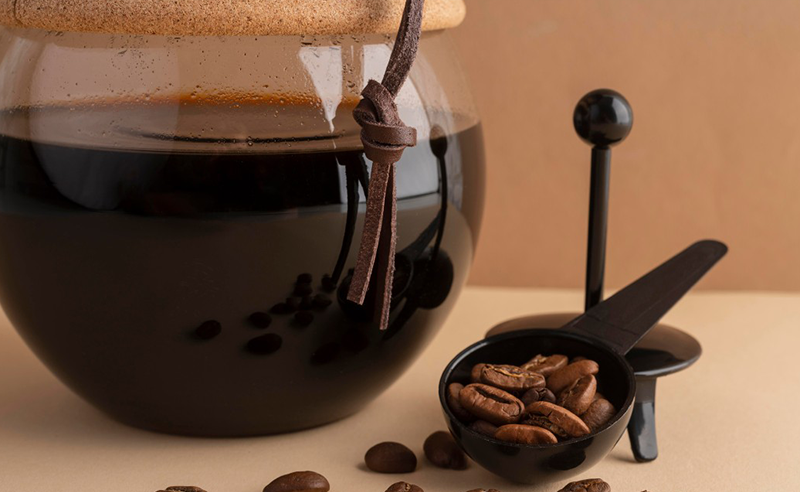 The product draws on a tradition far older than Shokry's business instincts. Date seed brewing has long been practised across North African desert communities, where the palm is less an ingredient than a way of life.
"I stayed with them for a long time in the desert," Shokry says, "and I saw how deep the relationship with dates is in the culture."
Mothers in the oases press dates to the lips of newborns before the first feed. Communities in Siwa live for weeks at a time on the brew alongside dates and milk. In Egypt the drink has never needed marketing, because it has always been part of life.
Shokry arrived at the project as a trusted insider. He had spent years doing community development work across Egypt, running healing programmes and small economic projects in rural and desert areas, long before he moved to Spain.
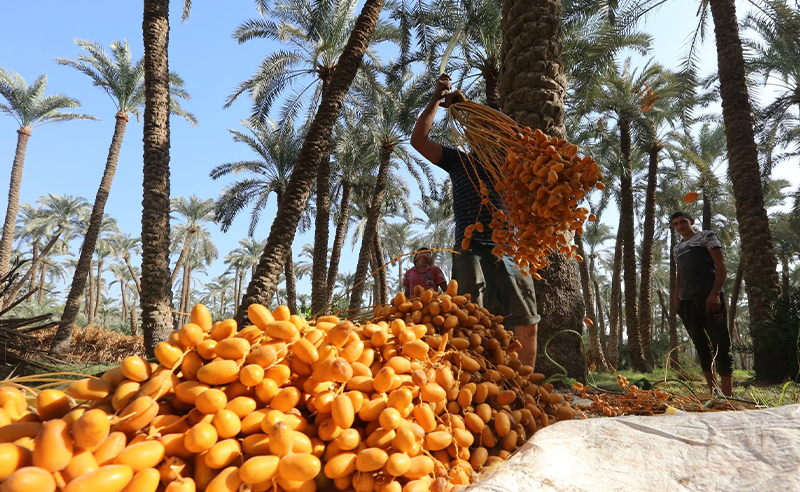 He went back to the communities in Siwa with no firm business plan and they agreed to work with him anyway. "Without getting any funding, they were happy to do that," he says. "They believed in me."
The production is more precise than it looks. Seeds are separated from the fruit, cleaned, dried, then toasted under carefully controlled temperatures.
Over-toasting strips out the compounds that make the seed worth drinking in the first place, so hitting the right level is the whole proposition. The seeds are then ground and packaged much like coffee, though what happens in the body is a different matter entirely.
Instead of the familiar caffeine surge and drop, Datirs is designed to build energy gradually, and regular drinkers report feeling more active after several days of consistent use as the minerals and prebiotic fibre take effect. Shokry also points to antioxidant properties, cholesterol support and improved gut health, drawing on his father's research.
The taste is hard to picture if you have never tried it. When Shokry ran a tasting with friends in Barcelona, they landed on somewhere between 70 and 80 per cent similar to coffee, with a soft toasted note that surprised everyone expecting sweetness. The response convinced him it was worth pursuing.
Back in Egypt, the communities making all of this live in places where reliable work has always been scarce. The economy of the western desert oases runs mostly on seasonal tourism and the date harvest, which leaves a large share of the population without steady income for much of the year.
Datirs offers stable work built on a resource those communities already have in abundance, and they handle the product from start to finish.
The environmental logic is just as deliberate. Egypt's large date paste factories generate enormous volumes of discarded seeds, which Shokry collects through agreements with the producers, while the fruit itself is pressed into energy balls at the desert workshops so nothing is left over.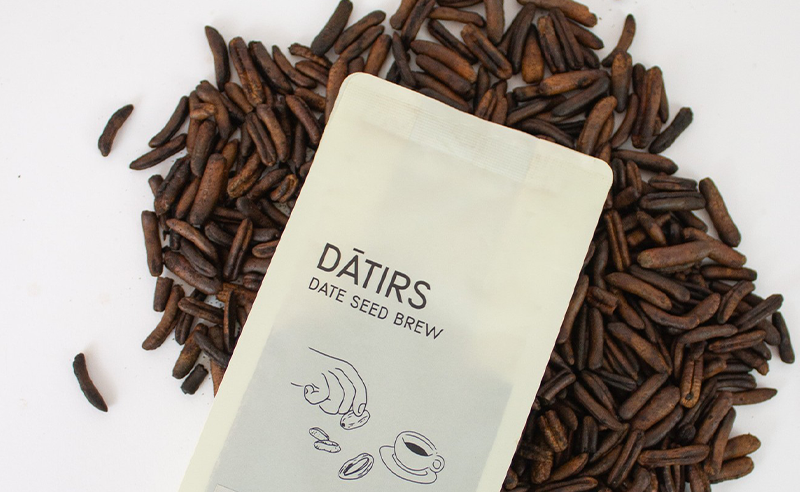 The palm needs no irrigation infrastructure or cleared forest to grow, thriving in conditions that would defeat almost any other crop. With climate pressure squeezing global coffee yields and pushing prices up, Datirs is positioning itself as a low-impact alternative built on a supply chain that already existed.
Launching in Spain rather than Cairo made more sense to Shokry, partly for market reasons and partly for cultural ones. Arab heritage rarely reaches European audiences through flattering channels, and he saw the brand as a different kind of introduction. "For me, it was important to introduce the culture with a beautiful brand."
Datirs is now expanding into Portugal and Germany, with active interest from Saudi Arabia and Qatar. Online sales in Egypt are building steadily and Cairo coffee shops have started approaching the brand about stocking it. For now Shokry's focus stays on Europe, where he wants the drink available across the continent.
- Previous Article EgyptAir is Now Flying Daily to Barcelona
- Next Article First Corneal Retrieval After Cardiac Death Completed in Riyadh
Related Articles

Trending This Week
-

-
 Sep 10, 2026
 -
 Sep 10, 2026
 -