





Egypt Raises $6B From 19 State Exit Deals Amid Regional Tensions
With oil flows disrupted and import bills rising, Egypt leans on state exits and fiscal moves to steady its macro path.

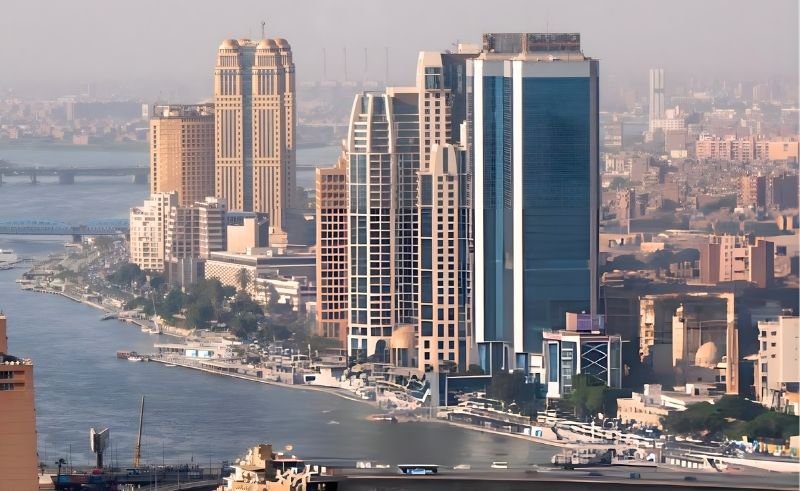
Proceeds from state exit transactions reached approximately $6 billion through 19 full and partial deals, equivalent to 48% of a $12.2 billion target under the government’s offering programme through June 2025, Prime Minister Mostafa Madbouly told parliament.
The announcement lands amid a two-month-old US–Israeli conflict with Iran that has tightened regional energy supplies and pushed up costs at home. Crude exports through the Strait of Hormuz fell from 20 million bpd to 3.8 million bpd, with oil peaking at $120 a barrel before averaging $95; prices could reach $150–$200 if the situation worsens, Madbouly said. Egypt’s monthly natural gas import bill rose by $1.1 billion to $1.65 billion.
Authorities raised domestic fuel prices and moved to curb consumption: early shop closures, a 30% cut in government vehicle fuel allocations, and a three‑month pause on heavy diesel‑consuming projects. A one‑day‑a‑week remote work mandate for government staff during April saved 4,700 MWh and 980,000 cubic metres of fuel, contributing to first‑week savings of 18,000 MWh and 3.5 million cubic metres.
Global pressures frame the backdrop. The UN World Food Programme described current food supply disruptions as the most severe since COVID‑19 and the Ukraine war, while the FAO food price index rose 2.4% in February. The World Travel and Tourism Council estimates regional tourism is losing $600 million daily due to flight cancellations. The IMF cut its April 2026 global growth forecast from 3.3% to 3.1% and said growth could drop to 2% if the war persists, with global inflation expected to accelerate to 4.4%. The World Bank lowered its 2026 Middle East and North Africa growth forecast to 1.8%.
Domestically, officials said measures were taken to secure strategic goods and foreign currency in coordination with the Central Bank of Egypt, alongside maintaining a flexible exchange rate and inflation targeting framework. Public sector wages are set to increase by 21% in the 2026/27 budget, raising the minimum wage to LE 8,000 per month from July at a cost of LE 100 billion.
Additional policies include plans to expand renewable energy capacity, with a target of sourcing 45% of electricity from renewables by 2028. Projects scheduled for 2026 include the addition of 2,500 megawatts of renewable capacity and 920 megawatts of battery storage, alongside a grid upgrade programme valued at LE 200 billion.
Authorities also plan to clear arrears owed to foreign petroleum partners by June 2026 and procure 5 million tonnes of locally produced wheat at increased purchase prices. Prior to the recent disruptions, macroeconomic indicators showed improvements, including higher foreign reserves, lower inflation and increased investment and remittance inflows.
The 2026/27 economic plan targets LE 3.8 trillion in total investments, with 60% expected from the private sector. Officials said private investment accounted for 66% in the first quarter of the 2025/26 fiscal year, supported by policy measures including a unified startup charter, alongside ongoing development projects in healthcare and education.
- Previous Article Title 2026
- Next Article New Investors in Egyptian Exchange Jump 200% in Q1 2026
Related Articles

Trending This Week
-

-

-
 Jul 23, 2026
 -