


Inside Tarfaya, the Moroccan Town Where People Wait to Reach Europe
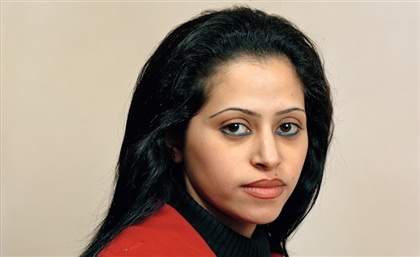
Self-taught Moroccan photographer Imane Djamil has spent ten years in Tarfaya, a small coastal town where people save money and watch the weather, waiting for the right night to cross to Spain.
When Imane Djamil stopped in the small Moroccan town of Tarfaya for two nights, it was meant to be nothing more than that.
The self-taught photographer was on a road trip through the south in her teens, shooting for her photography blog.
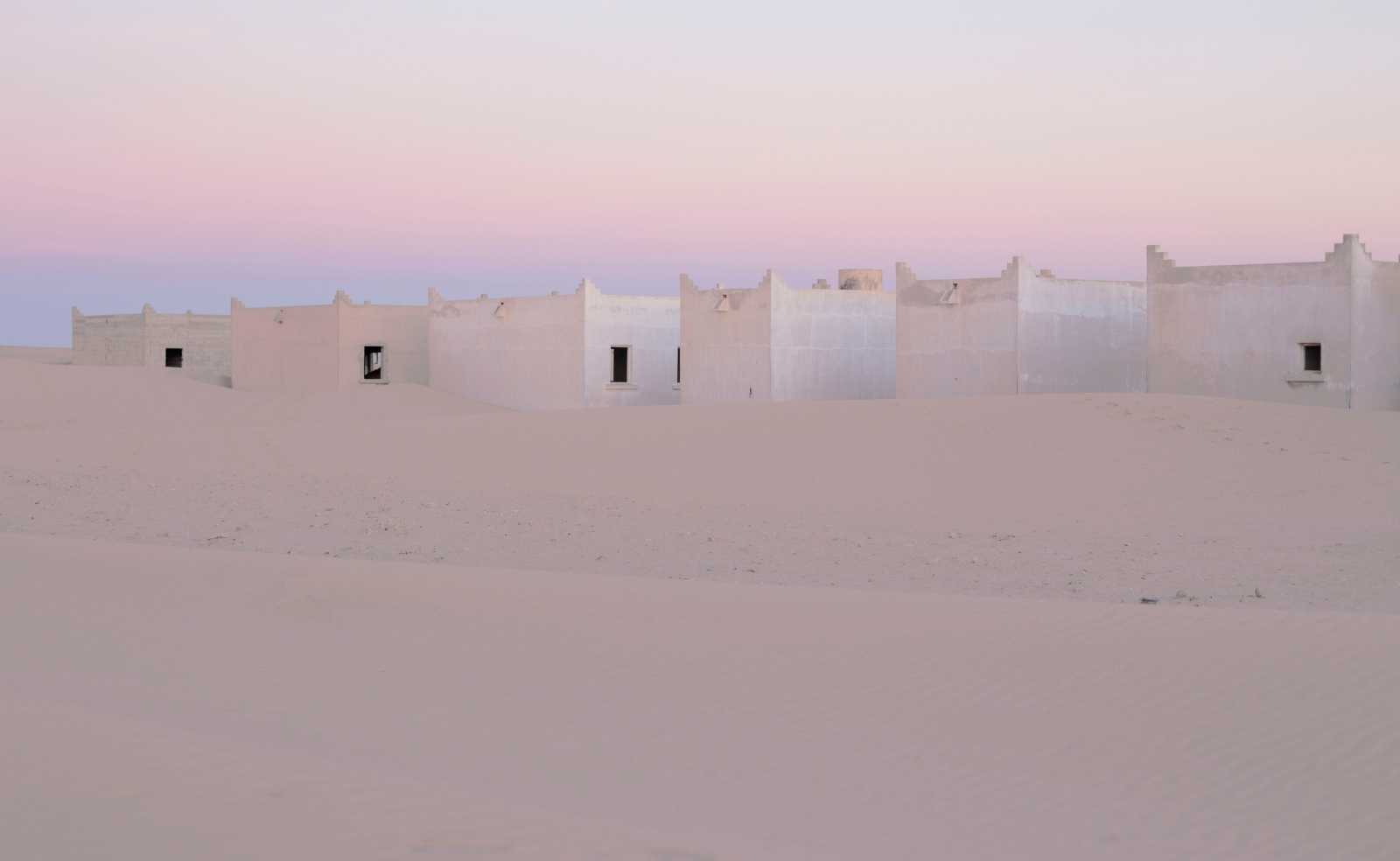
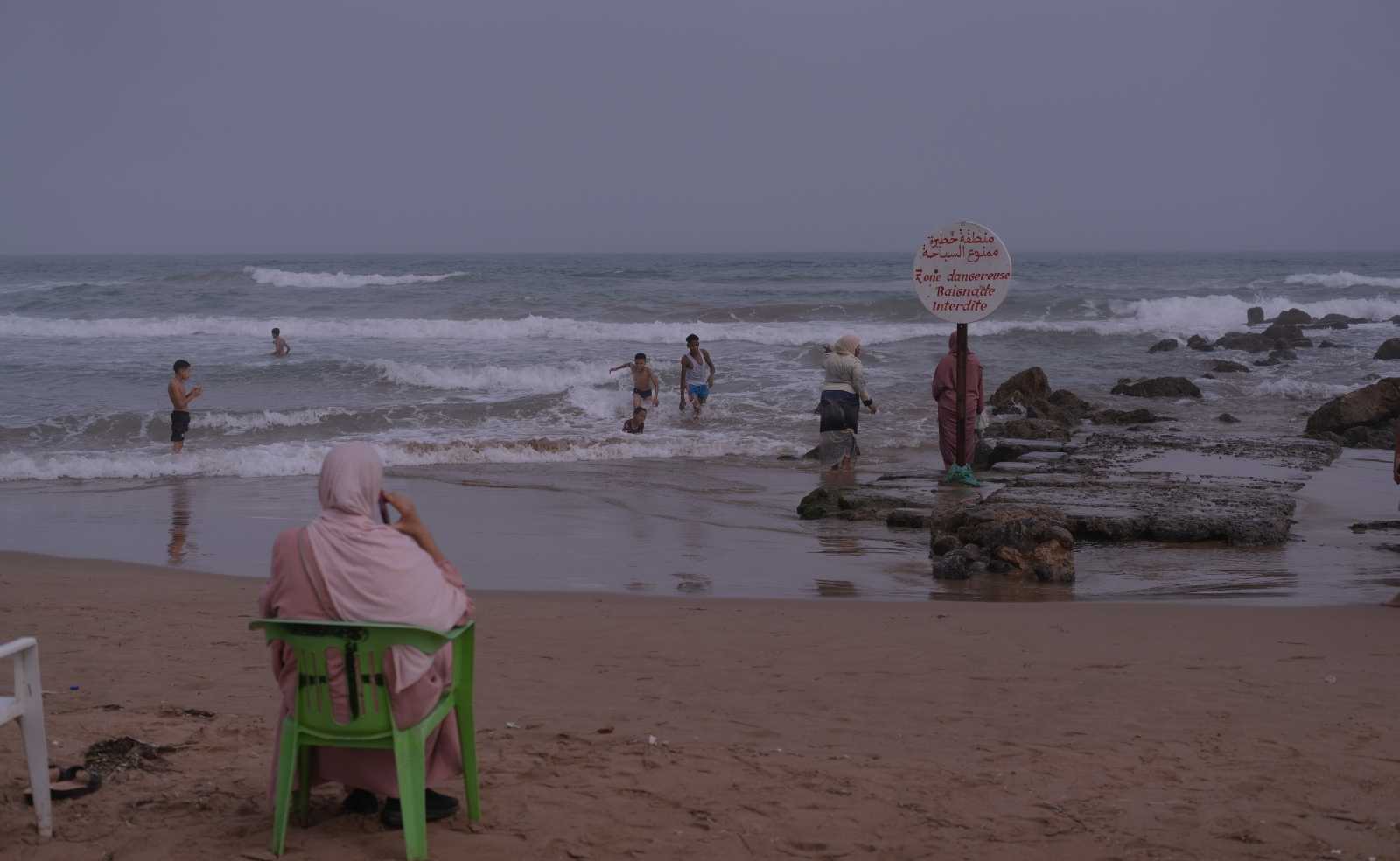
Tarfaya sits on Morocco's southern coast, a short crossing from Spain's Canary Islands, and it is where people wait: taking jobs, saving money and watching the weather, sometimes for years, for the right night to make the journey to Europe.
Djamil kept coming back, and ended up documenting that waiting, and almost nothing else.
She started taking pictures at 12 on her father's three-megapixel camera. She turned it on everything until it stopped being a hobby and became the only thing she could think about.
"I became obsessed with exploring my country and understanding every part of it," she says.
By 15 she was travelling alone, rare for a Moroccan girl her age. Her parents were often absent, which left her with a freedom few people around her had.
"Travelling alone at that age wasn't the norm, and it wasn't necessarily easy," she says.
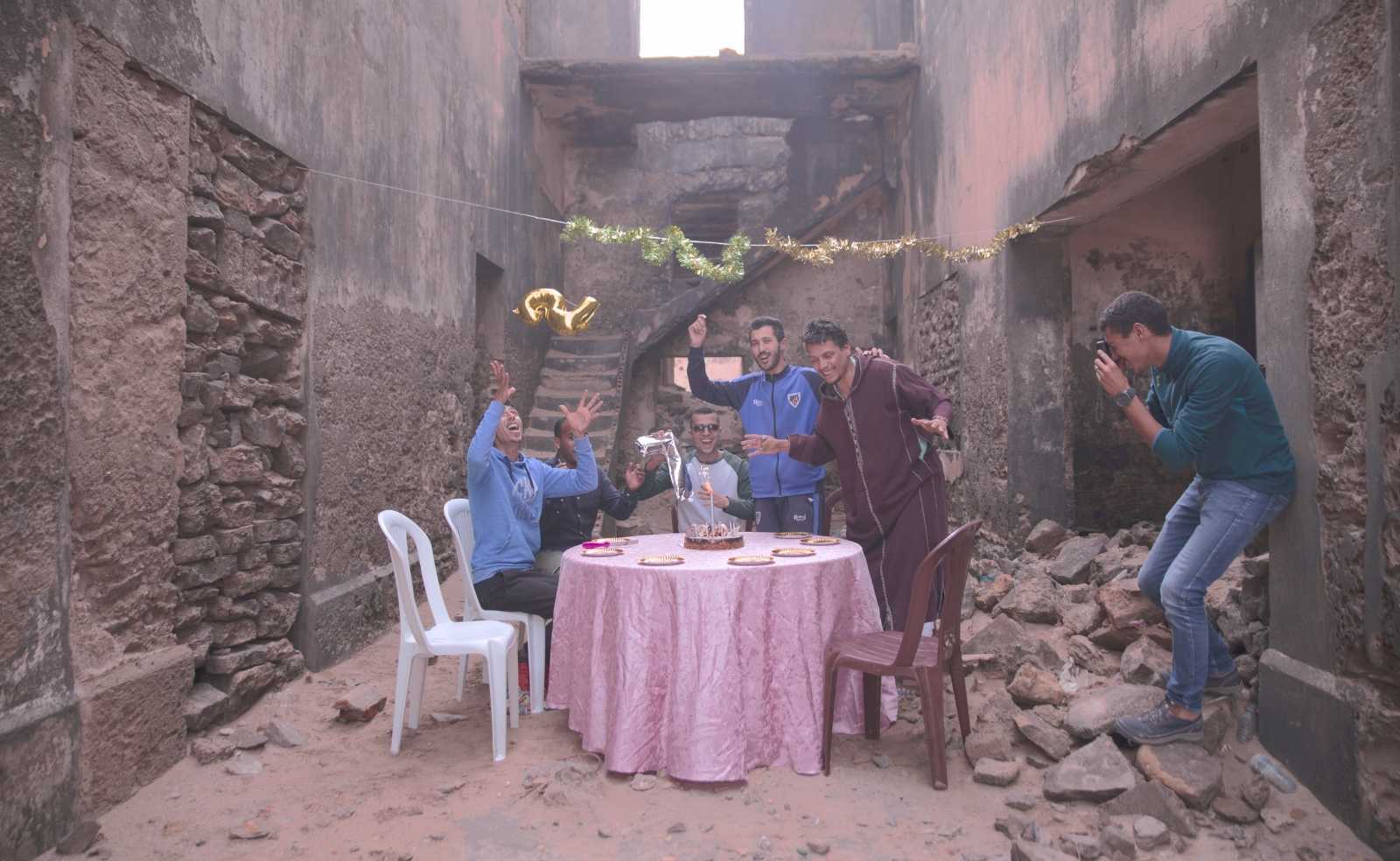
That first stop in Tarfaya stayed with her. "The town had this eerie atmosphere. It was almost empty and there were ruins scattered along the coastline whose history wasn't immediately obvious."
Djamil describes herself as obsessive by nature. "I don't jump from place to place. If I become interested in somewhere, I'll stay with it for years. Tarfaya is a perfect example, it became a ten-year project."
Fifteen years into photography, her interests have shifted.
"I'm less interested in art for art's sake," she says. "What fascinates me now is history, geopolitics, and reality."
In 2020, shortly after the pandemic began, Djamil arrived in Tarfaya and checked into the small guesthouse she usually stays in. Walking through the café, she noticed a waitress she had never seen before.
"We looked at each other because neither of us seemed to belong in the other's expectations," she says.
Eventually the waitress asked what she was doing in Tarfaya, and Djamil asked her the same.
She kept having versions of that conversation over the course of her stay, until she asked directly whether they were waiting to cross to the Canary Islands.
They had come south to Tarfaya to save money and wait for the right conditions to attempt it.
"They were living in a kind of limbo, stuck between the lives they had left behind and the uncertain future they hoped to reach," Djamil says.
Around the same time, one of her closest friends decided to make the crossing himself.
"He was the quiet one in our group, the shy friend we all teased because he could barely speak to the girl he liked," she says. Then one night he simply left.
That was the moment Slow Days in the Fortunate Isle began.
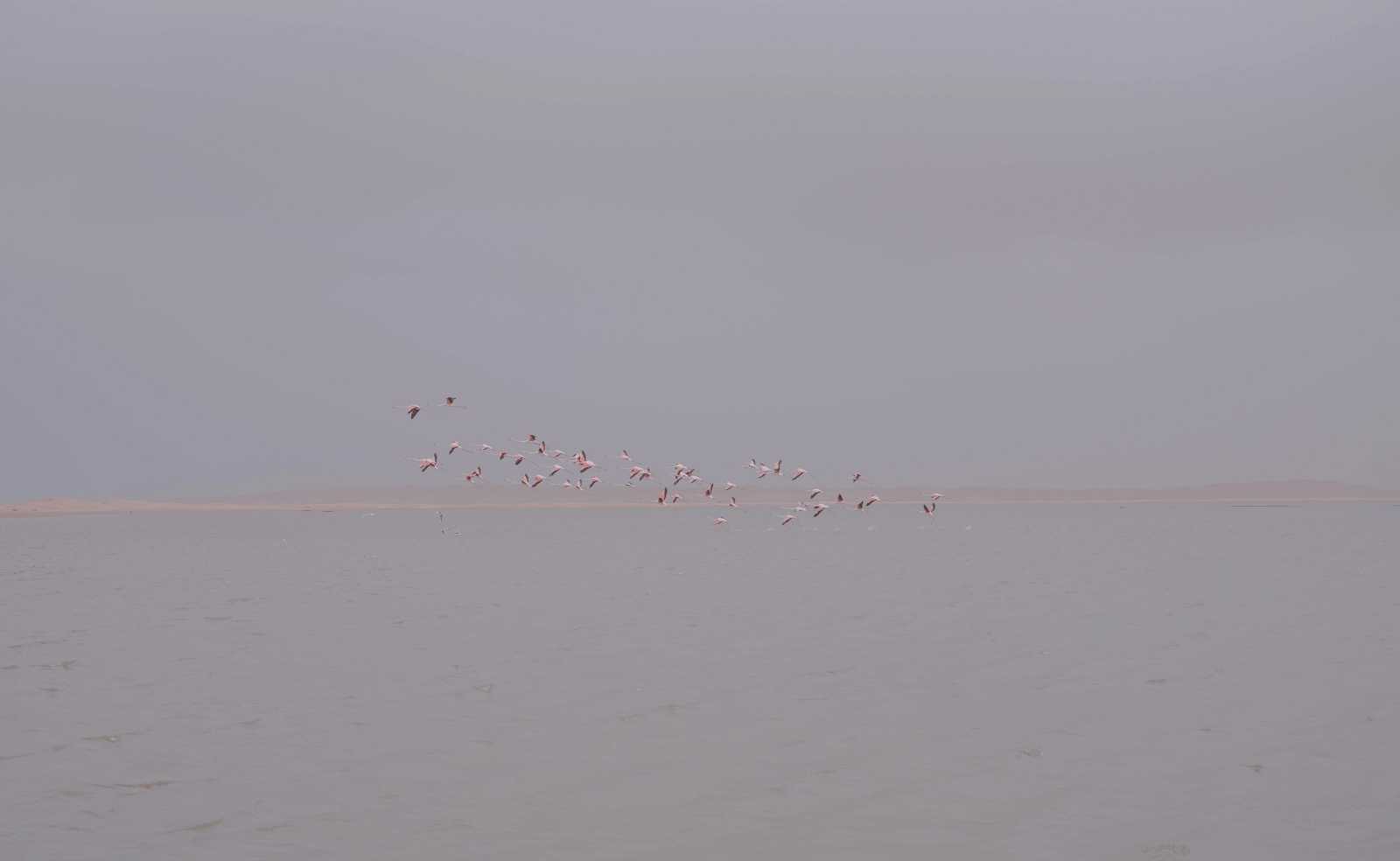
"What interested me wasn't the crossing itself. I wasn't interested in photographing boats or dramatic moments of migration," Djamil says. "I wanted to photograph waiting."
Whether people were in Tarfaya or already in the Canary Islands, she found they were living the same existence: waiting, sleeping, hoping, doing very little.
"That's why I photographed both places in exactly the same visual language," she says.
"There's almost no way to distinguish Morocco from the Canary Islands in the series," she says. "I wanted viewers to struggle to identify where they were because, in many ways, the places are remarkably similar."
The project is about that state of suspension, a purgatory where nothing happens and everything depends on what happens next.
That suspension isn't unique to Tarfaya. The border between Morocco and Algeria stretches more than 1,500 kilometres with no crossing point, sealed since 1994 and never reopened.
Towns on either side sit within sight of each other and remain completely cut off. Out of that came Djamil's second project, And the Lands Ground Against Each Other Until Their Dust Made the Sky Choke.
It was pieced together from her own life: photographs on her phone and camera, and trips to visit friends across both countries.
Political tension between Morocco and Algeria goes back decades, through the Sand War in the 1960s and the Western Sahara conflict in the 1970s.
Djamil points to 2020 as a turning point, when Morocco normalised relations with Israel.
"This is only my personal perspective, but I feel that once Morocco normalized with Israel, Algeria gradually became positioned as the country's new enemy," she says.
"There has always been propaganda between the two nations, but in recent years it has intensified dramatically."
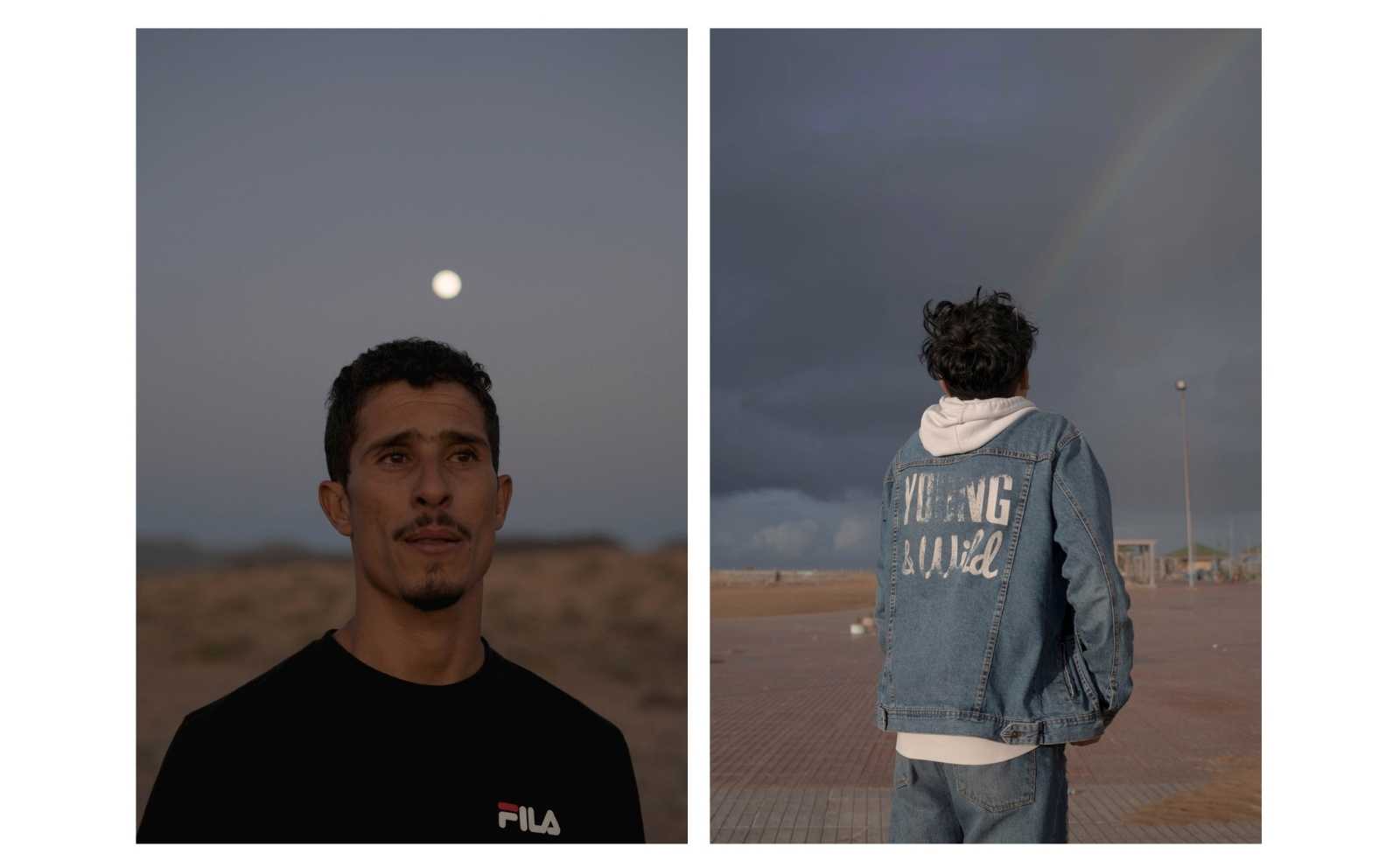
The project was never intended for a foreign audience. It was made for Moroccans and Algerians. "Ironically, it's also the one project unlikely to ever be shown in either country."
"Algeria is a country I love deeply," she says. "One of the saddest thoughts I have is that I may live my entire life without ever seeing the Moroccan-Algerian border reopen. I genuinely think about that all the time. That sadness shapes the project."
Cities like Oujda were once thriving commercial hubs because of their ties to Algeria. After the border closed, the economic network disappeared, and the people and towns stayed.
"Entire communities now exist with very limited opportunities, and many people migrate to Europe because there is simply no viable future where they are," Djamil says.
"The border has reshaped entire regions."
Underneath all of it sits something more personal.
"It's about asking ourselves: what are we doing?" she says.
"I feel an enormous sense of frustration with the collective mentality that has developed in recent years. I struggle with nationalism, with the constant desire for Western approval, and with the belief that being accepted by Europe somehow validates us."
- Previous Article SceneNoise x Amsterdam Dance Event Present CROSSFADE: Egypt
- Next Article Saudi Arabia to Lead ISO Committee on Wound Care Standards