


Chasing Monochrome Cities Across the Middle East & Beyond
Five-star lobbies are cool, but chasing colours that reveal entire cities’ histories, heritage, and even myths is definitely cooler.

Across the Middle East and North Africa, architecture was never meant to be just visually striking forms materialized on land. It was a conversation between humans and nature, an attempt to build homes that bring people closer to their environment rather than isolate them from it. And from that conversation, colour emerged. Tones that are shaped by soil, stone, climate, and belief, ones that tell stories and carry identity.
In this unrealistic, yet optimistic guide, we imagine a region without sky-high borders, one not exhausted by political conflicts or economic hardships. In that version of the region, we travel freely and we chase colours. And these monochromatic cities scattered across the landscape would sit firmly at the top of our list.
Al Quds - Palestine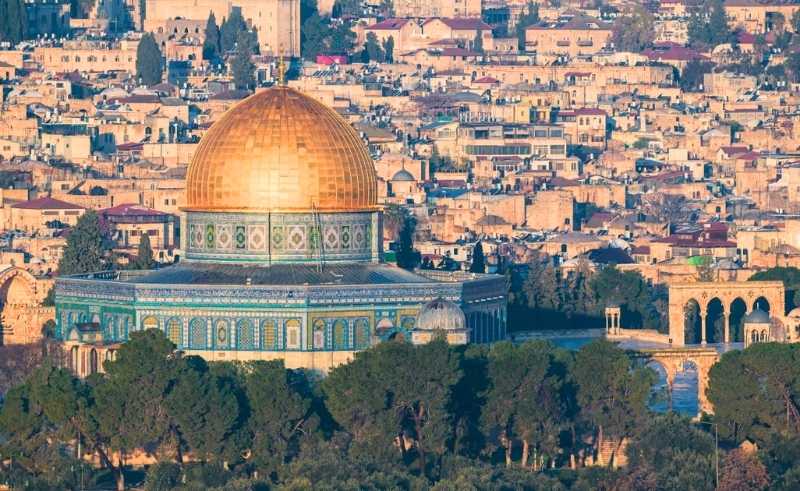 At first glance from above, Palestine’s capital appears almost entirely white—with the only exception being Al Aqsa Mosque with its mosaic royal blue walls and golden dome rising prominently against the sky.
This distinct palette traces back to Al Quds stone—a pale limestone that gradually darkens when exposed to the atmosphere, developing the soft, creamy-yellow hue that defines the city’s architectural identity.
Busra Al Sham - Syria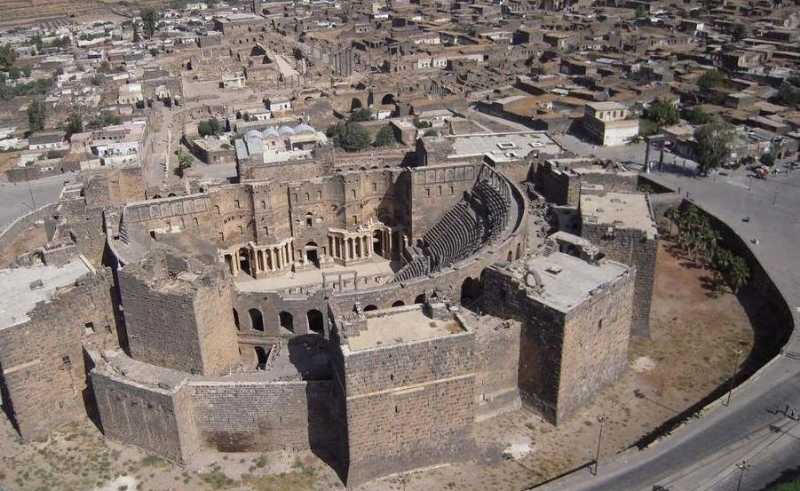 Located in southern Syria, Busra Al Sham is home to one of the world’s best-preserved Roman amphitheatres, alongside early Christian churches and Muslim madrasas—all rendered in shades of black, or rather, a deep ashy grey.
The city’s unique palette stems from its use of local volcanic basalt stone, a material that has shaped its architecture for thousands of years and continues to define its character.
Marrakech - Morocco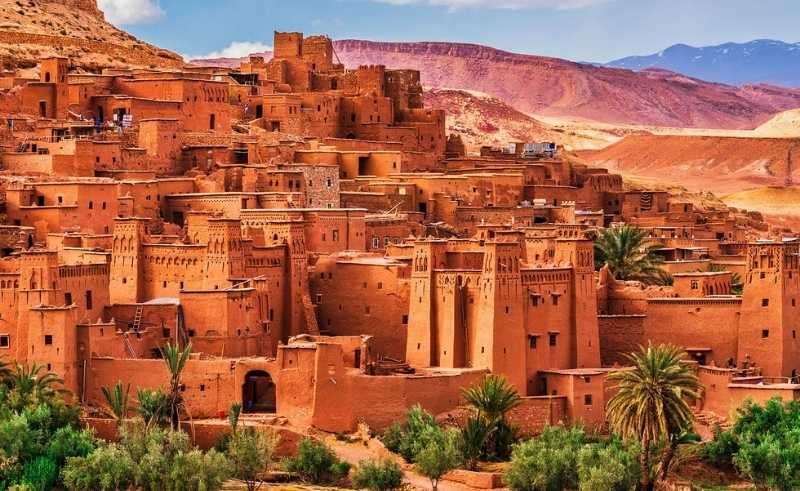 Naturally rich in iron oxide, Marrakech’s soil gives the city its striking red hue. Over time, this earthy palette has become inseparable from its visual identity, so much so that building regulations now require constructions to adhere to shades of red, preserving the city’s iconic chromatic character.
Siwa Oasis - Egypt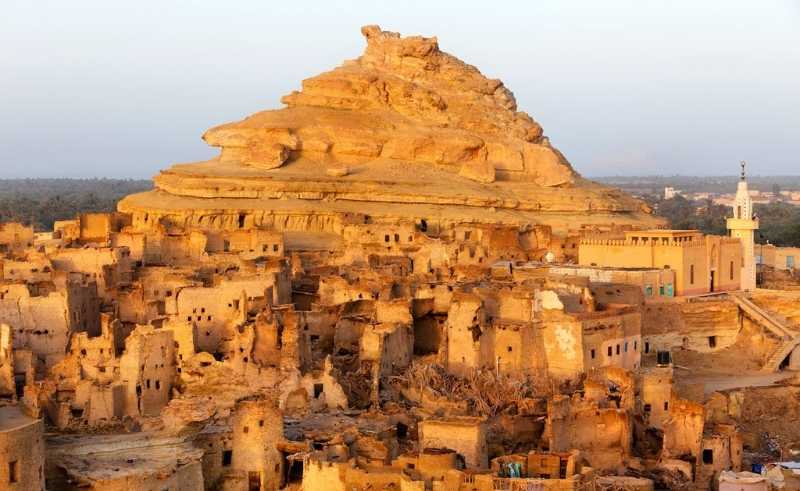 Located in the middle of the Western Desert, just 50 kilometres from Egypt’s border with Libya, Siwa Oasis rises from the landscape in tones that mirror its surroundings. Much of its traditional architecture is constructed using the karshef technique, a building method that combines salt crystals with clay and sand.
This material gives Siwa its distinctive palette, ranging from yellowish-brown to soft beige, reinforcing the oasis’ deeply rooted, all-natural culture and vernacular design.
Old City of Sana’a - Yemen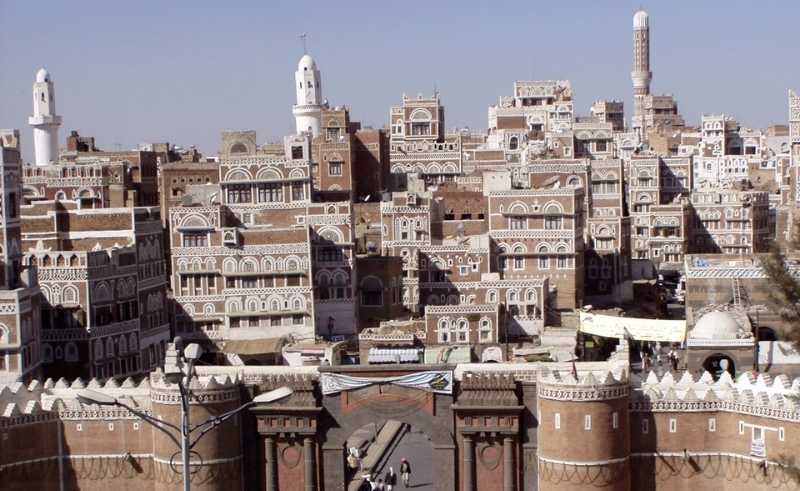 Situated in a mountain valley at an altitude of over 2,000 metres, the Old City of Sana’a is defined by an extraordinary density of rammed-earth and burnt-brick towers rising several storeys above stone-built ground floors. Their façades are strikingly adorned with geometric patterns in fired brick and white gypsum, creating a rhythmic interplay of earth tones and bright detailing.
During the 7th and 8th centuries, the city emerged as a major centre for the propagation of Islam. This layered religious and political heritage is reflected in its 103 mosques, 14 hammams, and more than 6,000 houses—many of which date back to before the 11th century.
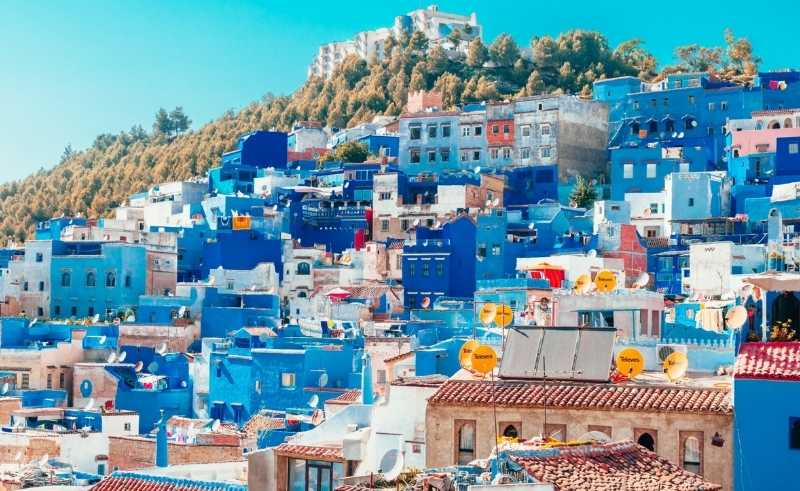
Chefchaouen - Morocco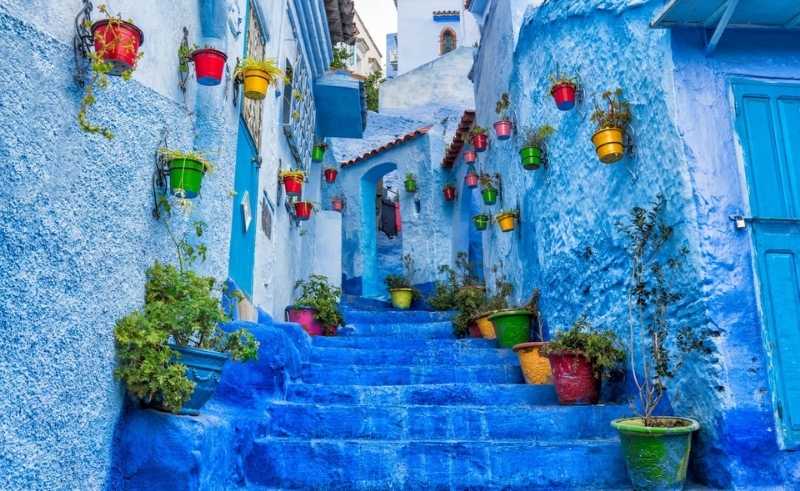 Entirely painted in shades of blue, the mountain city of Chefchaouen feels like stepping into the sky itself. And, fittingly, the sky may be the reason behind the city’s signature hue.
According to local lore, when Jewish refugees arrived in Morocco in the 1930s to escape Hitler, they painted their homes blue as a symbol of closeness to God; a tradition that continued even after they left. A less poetic explanation is that the colour blue resembles water, which is believed to repel mosquitoes.
Today, Chefchaouen’s buildings are repainted annually, and regulations reinforce the use of blue to preserve the city’s urban character.
Tozeur Oasis - Tunisia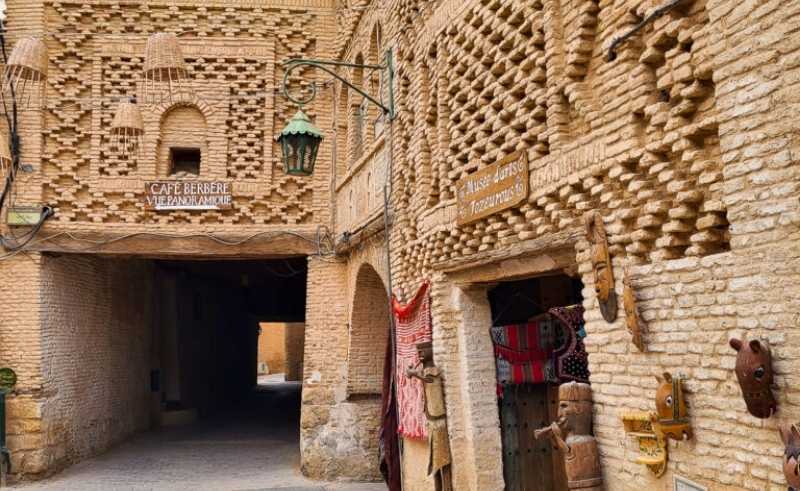 Located in southwestern Tunisia, this 2,000-year-old oasis city is defined by its yellow-brown brickwork and geometric patterns that adorn the façades of most buildings.
Adding to its unique character is the sculpture of the renowned Tunisian poet Aboul-Qacem Echebbi, carved into a mountainside at Ras Al Ain.
Muscat - Oman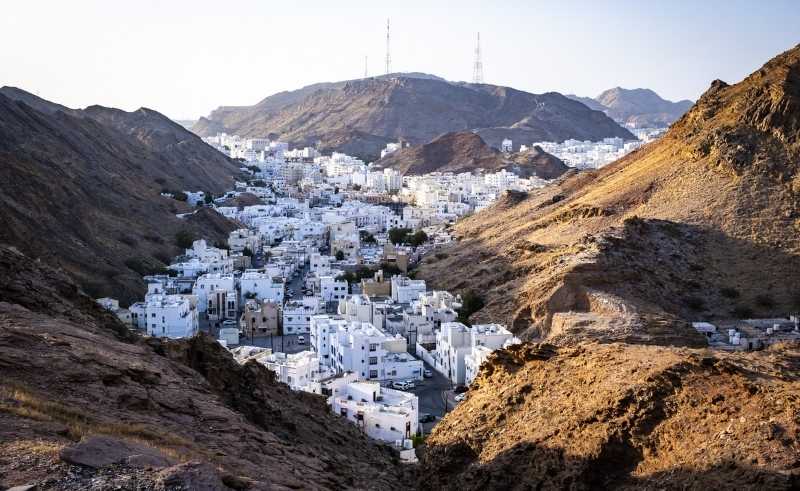 Primarily to mitigate the effects of the Gulf’s scorching sun, Muscat is defined by a restrained palette of white, ivory, and beige, resulting in a uniform, harmonious aesthetic that reflects heat while reinforcing the city’s identity.
Related Articles
Trending This Week
-
 Oct 06, 2026
 -
-

-