






Egyptian Ohmara Studios Designs Objects with an Ice-Cold Mint Feel
What happens when architecture-trained sisters turn to fashion? Ohmara Studio offers an answer.


Originally published on March 22nd, 2026
The sensation of ice-cold water after mint gum is almost impossible to explain unless you have felt it yourself. For the sisters Hajer and Mariam Omara behind Ohmara Studios, that phrase became the perfect expression for what they want their brand to evoke. As they put it, the slogan is meant to capture something “that describes more of a feeling than a fixed idea or object.” 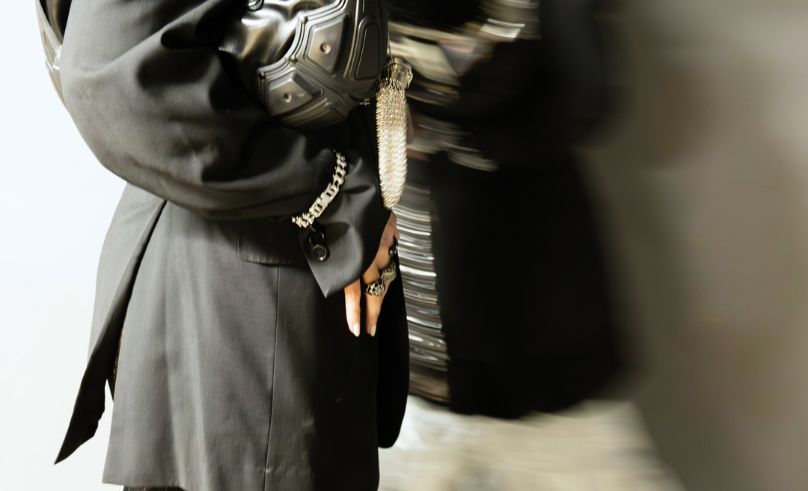 This emotional and sensory approach runs through everything Ohmara creates. Trained as two architects, rather than designing a single bag, shoe, or accessory, they think in terms of environments – worlds made up of objects that “coexist and interact in one big environment.” Their vision is less about trend-driven fashion and more about creating a cohesive universe of wearable sculpture, jewelry, and eventually furniture and tableware. For them, “we’re drawn to spaces that feel industrial and unresolved. Concrete walls. Chrome details. Black surfaces absorb light” but are pushed into a liminal space. “To us, Ohmara exists in transitional time - when something is about to happen. It’s not nostalgic. It’s not futuristic. It feels suspended in time.”
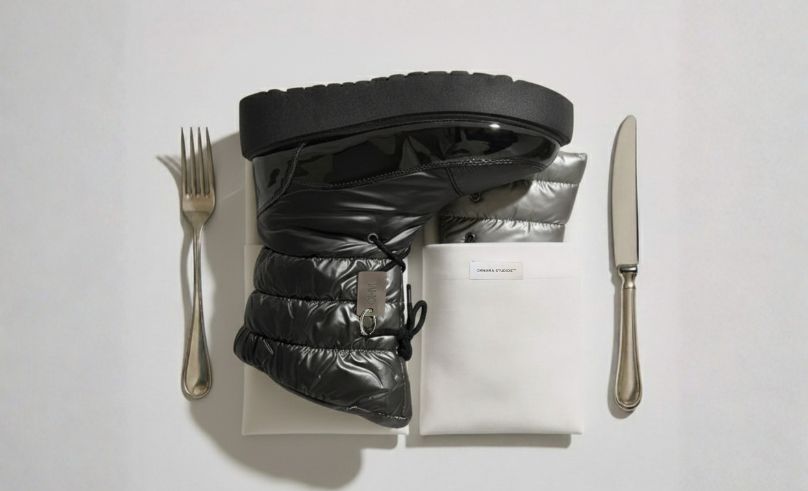 The work itself is often driven by contrast, which is one of the reasons their objects feel so striking. A silver chrome bag may look like stainless steel, but is actually rubber. A silhouette that appears rigid can turn out to be soft and malleable. Their O’Racer Motor bag embodies this tension especially well: “The bag looks rigid,” they explain. “But with experimentation we’ve made it very movable and comfortable for everyday use.” For them, that balance between practicality and statement is one of the brand’s biggest successes – an object that stands out but isn’t hidden in the back of the closet only to be looked at.
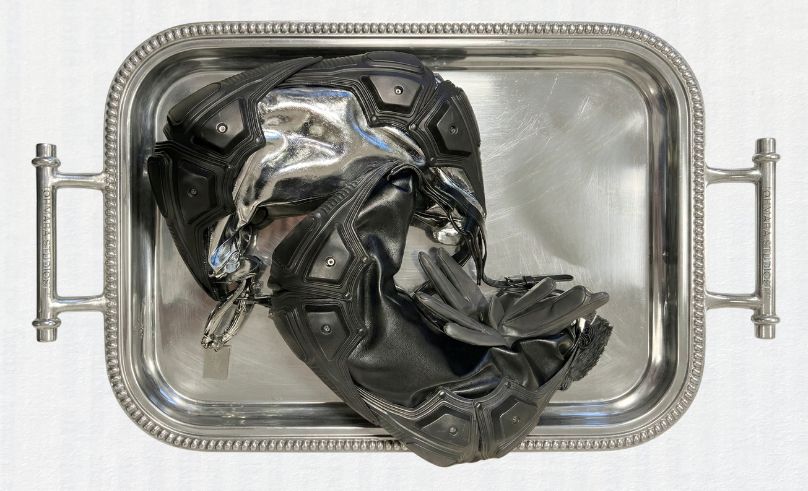 They’re continuing this experimentation process, by “exploring new materials, more exaggerated proportions, possibly objects that blur the line between accessory/ add-on and art piece.” Their process, they explain, begins “with a feeling before it begins with a form.” Rather than starting from a fixed sketch, inspiration often comes from sensory fragments: “the way light hits chrome at night,” “the weight of something in your hand,” or even “the absence of something,” when a silhouette feels unresolved. From there, the work develops through “a structural idea and material exploration,” sometimes led by shape, sometimes by contrast, before moving into prototyping to test “weight, volume, and balance.” They are especially drawn to materials that feel “cold, dense, and permanent,” including chrome, latex, rubber, and leather.
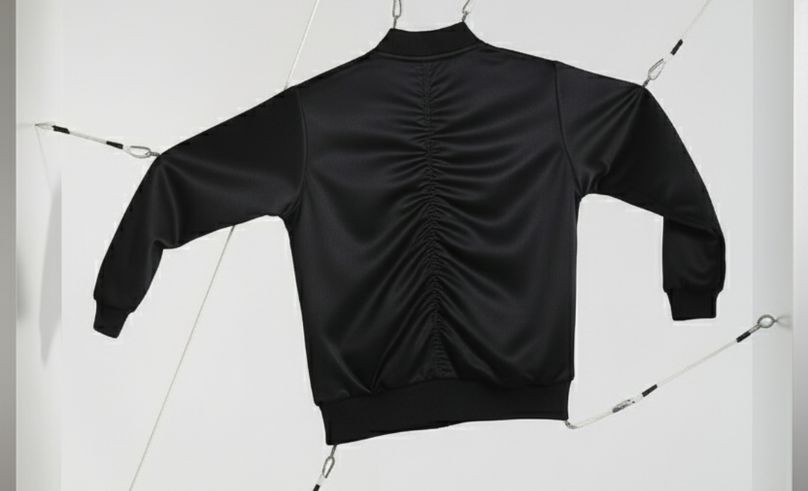 If Ohmara Studios feels deeply intuitive, that may be because it is also built on sisterhood. The founders speak about their process less as a division of roles than as a kind of instinctive exchange. “There was this instinct and the understanding that can’t be replicated,” Mariam says. Hajer calls it simply “telepathy.” Their collaboration is shaped by trust, honesty, and a shared sense of structure, allowing each of them to step forward where needed without rigid boundaries.