From smart cameras to biometric scans, here's how AI is helping Saudi Arabia manage millions of pilgrims this Hajj.
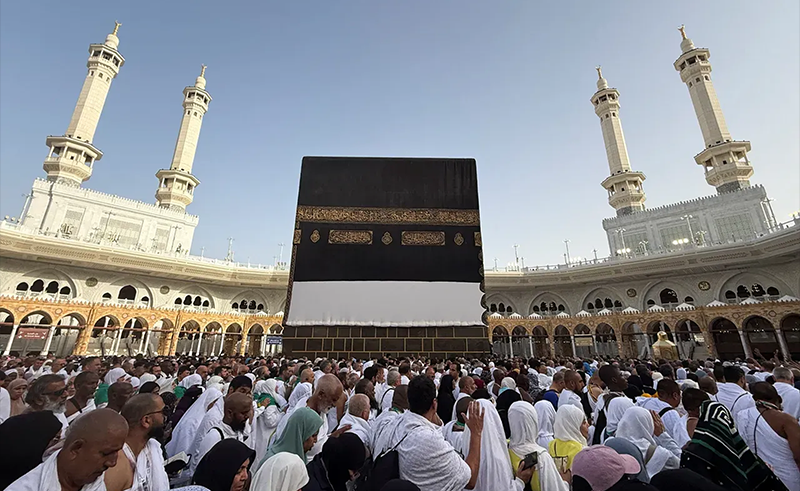
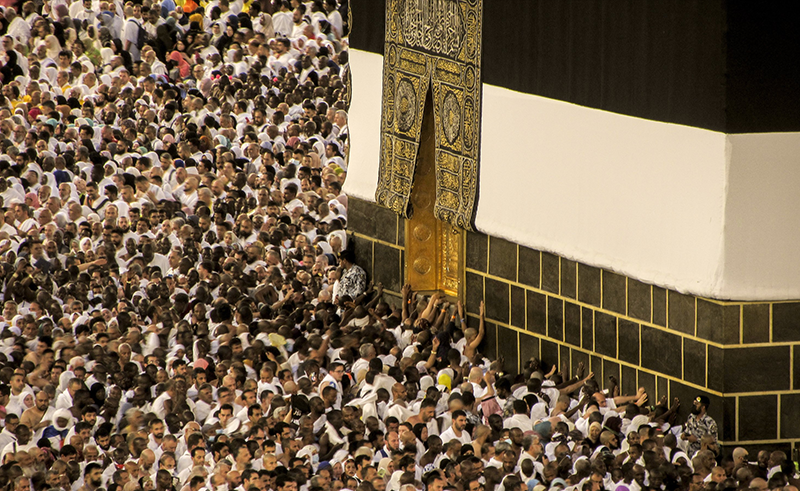
Every Hajj, millions of pilgrims move through the same handful of sites over the course of just a few days. Managing that movement has long been one of the world's largest logistical operations, involving thousands of security personnel, healthcare workers, volunteers and transport officials.
In recent years, artificial intelligence has become another part of that system. From analysing crowd density in real time to monitoring extreme heat and helping authorities respond to emergencies, AI is increasingly being integrated into how Umrah and Hajj are managed behind the scenes.
Here are some of the ways it's being used so far...
Monitoring Crowd Density
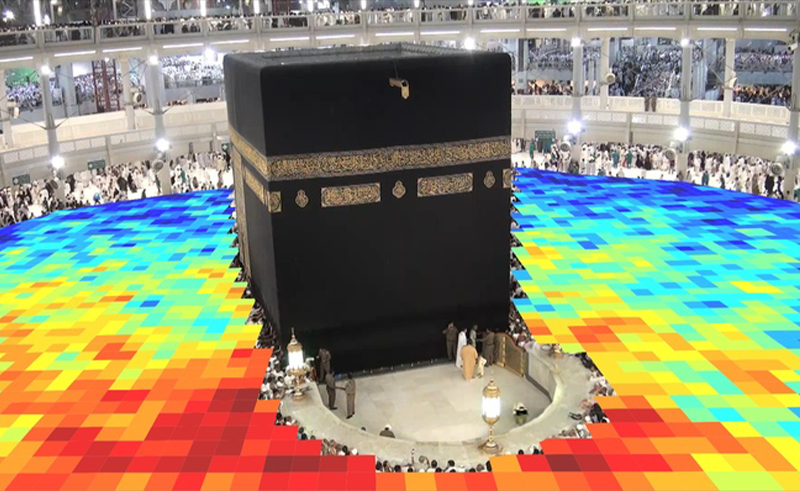
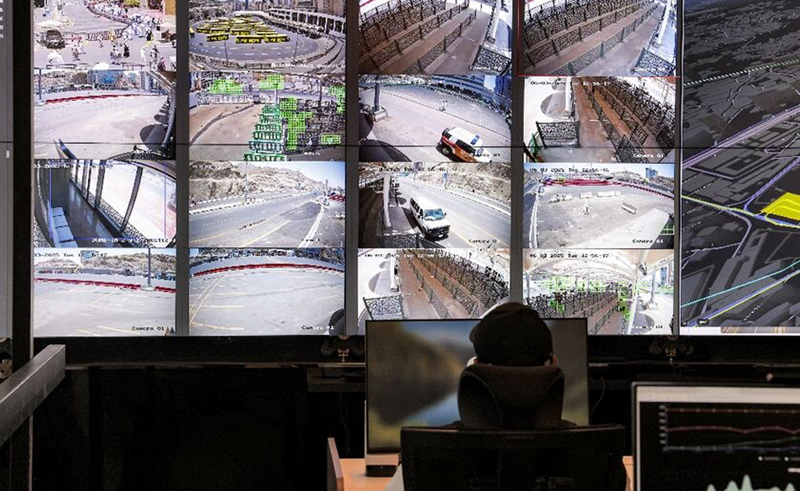
Keeping track of millions of pilgrims spread across Makkah, Mina, Muzdalifah and Arafat isn't something that can be done by people alone. During Hajj, Saudi authorities rely on thousands of surveillance cameras, with AI-powered computer vision analysing those live feeds to estimate crowd density, measure pedestrian flow and identify areas where movement is beginning to slow.
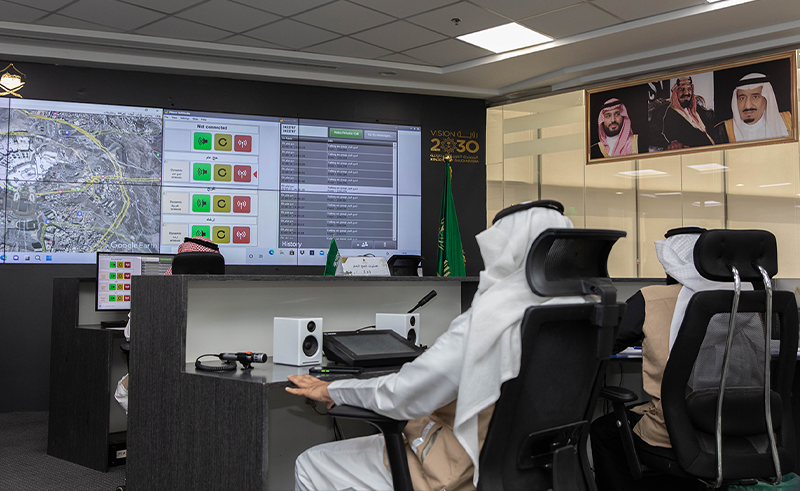
One of the systems used for this is Sawaher, an AI platform developed by the Saudi Data and AI Authority (SDAIA) in partnership with the Ministry of Interior. The platform integrates footage from more than 5,000 cameras across around 80 locations, using 16 AI algorithms and 31 data dashboards, supported by more than 600 operators, to produce live operational readings for officials monitoring the pilgrimage.
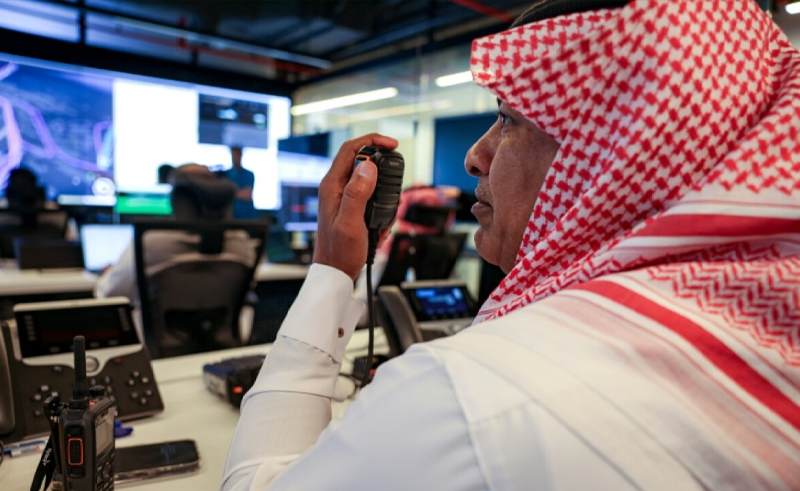
Rather than replacing human operators, the system acts as an extra set of eyes, processing far more visual information than any control room could realistically monitor in real time.
Predicting Congestion Before It Forms
The challenge isn't simply spotting a crowded area - it's identifying one before it becomes dangerous.
AI models, including Baseer and Sawaher, can reportedly analyse live movement patterns, crowd density and historical data to identify congestion routes and predict crowd surges before they escalate. That allows authorities to intervene early, whether by redirecting pilgrims, opening alternative routes or adjusting transport operations before congestion reaches critical levels.
Instead of reacting once crowds have already built up, officials can increasingly make decisions based on where pressure is expected to build next.
Managing Pedestrian Movement
Every stage of Hajj follows a carefully planned timetable, with millions of people travelling between the same sites within relatively short periods. Even minor disruptions can quickly ripple across the wider pilgrimage.
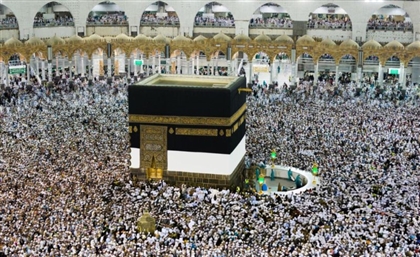
AI helps authorities monitor pedestrian movement across multiple routes simultaneously, providing live information on how quickly different pathways are moving and where pressure is beginning to build. One of the key platforms behind this is Baseer, developed by SDAIA with the Ministry of Interior, which uses computer vision and AI algorithms to track pilgrim flow and density in real time - including at the Grand Mosque's Mataf area, where it can monitor tens of thousands of pilgrims simultaneously.
Combined with traffic and transport data, these systems help officials determine when to redirect pilgrims, adjust road access or deploy additional personnel to keep movement flowing safely.
Detecting Emergencies
AI is also being used to identify incidents that require immediate attention.
Computer vision systems can flag unusual movement patterns, sudden crowding, blocked pathways or people collapsing in public spaces, allowing control rooms to alert emergency responders more quickly than relying on manual monitoring alone. One such system, Emerge, run by Saudi Arabia's Ministry of Municipalities and Housing and ranked among the world's top three smart city emergency management platform, manages incidents from the initial alert stage through to full resolution.
The technology doesn't make decisions on its own, but acts as an early-warning system, helping operators spot incidents that might otherwise be lost among thousands of live camera feeds.
Monitoring Heat & Environmental Conditions
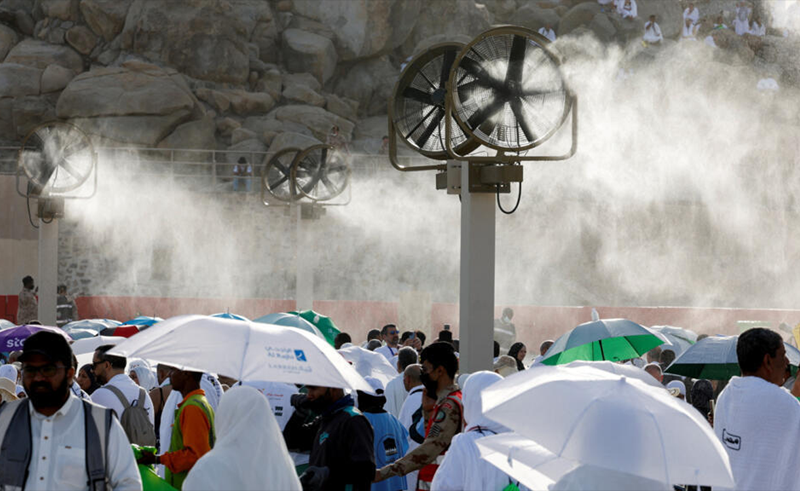
Extreme heat has become one of the biggest operational challenges during Hajj, particularly after recent pilgrimage seasons saw temperatures climb well above 50 degrees Celsius.
To keep track of conditions, Saudi Arabia's National Centre for Meteorology monitors the weather around the clock across Makkah, the holy sites, Medina and key access routes using meteorological radars, satellite imagery and numerical forecasting models. Alongside this, SDAIA and the Ministry of Interior deploy drones equipped with thermal imaging to detect heat signatures within dense crowds, helping identify pilgrims who may be at risk of heat exhaustion before symptoms become critical.
By combining temperature data with crowd-density information, authorities can identify areas where extreme heat and large gatherings overlap, helping inform crowd-management decisions and the deployment of medical teams.
Verifying Pilgrims & Processing Arrivals
AI use also reportedly comes into play before many pilgrims even reach the holy sites.
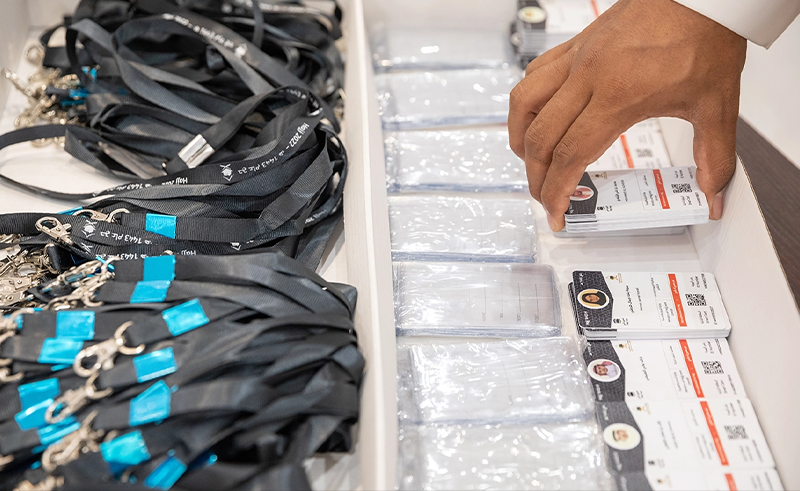
Saudi Arabia has expanded its use of digital permit systems and AI-assisted biometric verification at airports and border crossings to streamline identity checks and confirm that pilgrims hold valid Hajj authorisation. One of the tools used is Banan, a smart handheld device that captures biometric data, facial images and passport details in under 40 seconds per pilgrim, helping speed up processing - particularly for older pilgrims and those with disabilities.
The same digital infrastructure also supports permit verification at checkpoints during Hajj, helping authorities manage access while reducing manual processing.
Supporting Operational Decision-Making
A lot of AI's usage value during Hajj comes from bringing together information that would otherwise sit across dozens of separate systems.
Transport authorities, healthcare services, emergency responders, security teams and environmental monitoring systems all generate continuous streams of data throughout the pilgrimage. AI helps consolidate that information into unified operational dashboards, such as SDAIA's Smart Makkah Operations Center (SMART MOC), giving decision-makers a live picture of what's happening across the holy sites and allowing them to respond more quickly as conditions change.
Rather than replacing the thousands of people who coordinate Hajj each year, AI has become another tool they can draw on - processing huge volumes of information so decisions can be made faster, with a clearer picture of what's happening on the ground.