






Egypt’s Current Account Deficit Narrows to USD 9.5 Billion
Remittances and tourism gains helped reduce the deficit in H1 2025/26.

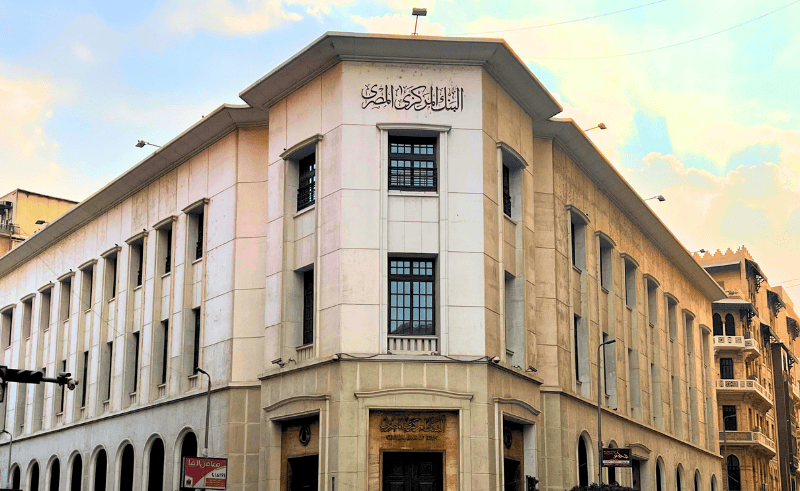
Egypt’s current account deficit narrowed to USD 9.5 billion in the first half of fiscal year 2025/26, according to the Central Bank of Egypt, marking a 13.6% improvement compared to the same period a year earlier.
The contraction was driven by a sharp rise in remittances, which increased by 29.6% to USD 22.1 billion, alongside higher foreign direct investment inflows.
Despite the improvement in the current account, the overall balance of payments recorded a deficit of USD 2.1 billion, widening from USD 502.6 million in the previous year.
The current account benefited from a 28.4% increase in net unrequited transfers, which reached USD 22.0 billion, largely reflecting the rise in remittance inflows from USD 17.1 billion.
The services sector posted a surplus of USD 8.9 billion, supported by growth in tourism and Suez Canal revenues.
Tourism receipts rose 17.3% to USD 10.2 billion, while Suez Canal revenues increased 19.0% to USD 2.2 billion, driven by higher vessel traffic and net tonnage.
However, trade deficits widened during the period. The oil trade deficit increased to USD 8.9 billion, as imports rose to USD 11.6 billion on higher volumes of natural gas and crude oil, while oil exports declined to USD 2.6 billion.
The non-oil trade deficit also expanded, reaching USD 22.8 billion, as imports climbed to USD 41.1 billion, driven by demand for vehicles, machinery and agricultural commodities.
Non-oil exports rose to USD 18.3 billion, supported by higher shipments of gold, electrical appliances, and agricultural products. In the capital and financial account, Egypt recorded a net inflow of USD 6.5 billion, compared to USD 8.9 billion a year earlier.
Foreign direct investment rose to USD 9.3 billion, with non-oil sectors accounting for the majority of inflows. The data reflects improved external performance supported by remittances and services, alongside continued pressure from widening trade deficits and shifts in capital flows.
- Previous Article Moxy Lazoghly Lets You Check Into Downtown Cairo’s Energy
- Next Article MBZUAI Launches AI Fellowship for Emirati Researchers
Related Articles
Trending This Week
-
-
 Sep 10, 2026
 -
 Sep 10, 2026
 -