




10 MENA Startups Rebuilding Education Beyond the Degree
From coding bootcamps in Cairo to AI hiring platforms in Dubai, these MENA EdTech startups are reshaping how young people across the region access skills, jobs and career mobility.


The importance of university degrees throughout the MENA region as a ticket to secure employment is declining day by day. According to the Global Employment Trends for Youth 2024 Middle East and North Africa report by the International Labour Organization, youth unemployment rates throughout MENA countries are among the highest worldwide, despite the production of graduates that do not meet the evolving demands of labor markets. With a greater emphasis placed by employers on relevant skills especially in the digital space, a whole new era of EdTech startups are rising to cater to this need.
From code training schools in Cairo to artificial intelligence recruitment platforms in Dubai, such EdTech startups are creating alternate routes to secure employment based on skills and industry experience. Here are ten MENA-based startups disrupting the way education and careers are formed outside university education.
Sprints - Cairo, Egypt

If Egypt's skills gap has a frontline, Sprints is working it. The Cairo-based EdTech company runs intensive bootcamp programs designed explicitly around employment outcomes with tight timelines, project-based curricula, and partnerships with employers baked in from the start. The format mirrors the pressure of real work rather than of a semester. Sprints has expanded its reach across MENA and into Africa, positioning itself as a serious player in workforce transition.
Focus: Tech bootcamps, digital skills, employer partnerships.
GoMyCode - Cairo, Egypt (and across MENA & Africa)

Originally founded in Tunisia, GoMyCode has steadily expanded into one of the region’s more established EdTech networks, with operations spanning Egypt, Morocco, Senegal, and several other African and MENA markets. In Egypt, the company runs a hybrid “Hackerspace” model combining online and in-person learning across fields including web development, AI, UX design, data science, and digital marketing, with most programs lasting between 12 and 20 weeks.
The company reports that a large majority of its graduates secure employment through a network of more than 100 employer partners, while tuition costs remain significantly lower than those associated with a traditional university degree. Alongside its bootcamp structure, GoMyCode has also invested in gamified learning tools aimed at increasing engagement and retention across its programs.
Satr - Saudi Arabia

Developed within the broader context of Saudi Arabia’s Vision 2030 reforms, Satr is a project-based learning platform focused on skills training for the local labour market. Its courses are built around areas including technology, business, and digital industries, with content designed by Saudi professionals and tailored to regional employment needs.
The platform’s local grounding has become a key part of its positioning, particularly in a market where much online learning content is imported or adapted from international models. Satr’s emphasis on practical training and employer relevance reflects the wider push across the Kingdom toward workforce development and private-sector readiness.
Qureos - Dubai, UAE

Founded in 2021, Qureos began as a mentorship platform before expanding into a broader career and hiring ecosystem aimed at young professionals and career-switchers. The platform combines mentorship, case-study-based learning, and job-matching tools, connecting users with professionals from companies including Google, PayPal, and Cisco.
Over time, Qureos has moved further into recruitment technology through its AI hiring assistant, Iris, positioning itself across multiple stages of the employment pipeline. Its model reflects growing demand for platforms that combine skills development, professional networking, and hiring access within a single system.
Almentor - Egypt/MENA-wide

Founded in Cairo in 2016, Almentor was among the first Arabic-language online learning platforms in the region to scale significantly across MENA. The company offers expert-led video courses spanning technology, entrepreneurship, business, health, and the humanities, serving both individual learners and corporate clients.
Alongside its consumer platform, Almentor has developed a sizeable B2B training arm, partnering with more than 80 companies across the region. Its focus on Arabic-language professional development has helped fill a longstanding accessibility gap in regional online education, particularly for users seeking localised content outside English-language platforms.
Edraak - Jordan \ MENA-wide

Backed by the Queen Rania Foundation, Edraak has spent more than a decade building one of the region’s largest Arabic-language online learning platforms. Since launching in 2014, the nonprofit has offered free and low-cost courses covering professional certificates, university-level subjects, business, technology, and education.
Its scale and accessibility have made it an important part of the region’s broader educational infrastructure, particularly for learners who may not have access to private training platforms or formal higher education pathways. Edraak has also been repeatedly recognised in regional EdTech rankings for its cross-border reach and large user base.
Zedny - Saudi Arabia

Launched in 2020, Zedny is an Arabic-language learning platform focused on business, career development, and professional upskilling. Its course catalog includes more than 200 programs aimed at professionals seeking to strengthen workplace skills, transition careers, or remain competitive in changing industries.
The company’s early expansion across Saudi Arabia and the UAE reflects growing regional demand for flexible, Arabic-language professional education. Alongside its direct-to-consumer offerings, Zedny has also been developing B2B training partnerships aligned with wider workforce development initiatives in the Gulf.
iSchool - Cairo, Egypt
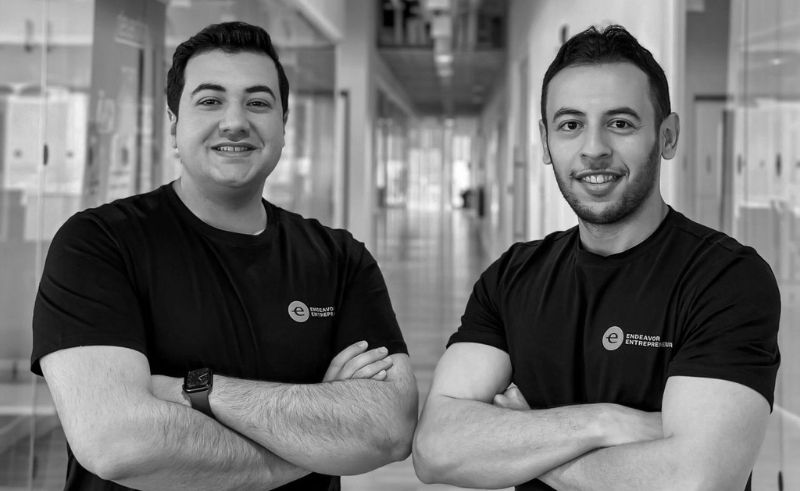
Founded in Cairo in 2021, iSchool focuses on digital skills education for younger students, offering programs in coding, robotics, and entrepreneurship through online classes and hands-on bootcamps. Its curriculum is designed around preparing students for technology-focused industries from an early stage, before they enter university or the formal workforce.
The startup has since expanded into Gulf markets including Saudi Arabia and Kuwait, attracting backing from regional investors interested in early-stage digital literacy and STEM education. iSchool was also included in the 2024 HolonIQ MENA EdTech 50 ranking, reflecting growing institutional interest in K-12 technology education across the region.
School of Humanity - Dubai, UAE

Founded in Dubai in 2021, School of Humanity is developing a fully online secondary education model centred on competency-based learning. Its curriculum prioritises areas such as critical thinking, adaptability, collaboration, and creativity alongside more traditional academic subjects.
The platform has attracted attention from international EdTech investors as interest grows globally around alternatives to standardised schooling systems. Its long-term success will likely depend on how widely competency-based credentials gain recognition among universities and employers, particularly as alternative education pathways become more visible worldwide.
Gaza Sky Geeks - Gaza, Palestine

Founded in Gaza in 2011, Gaza Sky Geeks has become one of the most internationally recognised technology and startup training initiatives to emerge from Palestine. Backed by Mercy Corps, the organisation operates as a coding academy, startup hub, and freelancer training platform, working with young Palestinians across software development, digital skills, and remote work opportunities.
Its programs have focused heavily on connecting local talent to international tech and freelance markets, particularly in a context where mobility restrictions and economic instability have sharply limited traditional employment pathways. Over the years, Gaza Sky Geeks has supported founders, trained developers, and helped position remote digital work as one of the few scalable employment routes available to many young people in Gaza.
- Previous Article SceneNoise x Amsterdam Dance Event Present CROSSFADE: Egypt
- Next Article The Intricate Beauty of Ben Youssef Madrasa