


Lebanese Designer Zein Hageali Makes Culture Portable With Tawlitna
Tawlitna is a playful twist on the classic arabesque side table reimagined for a generation on the move.
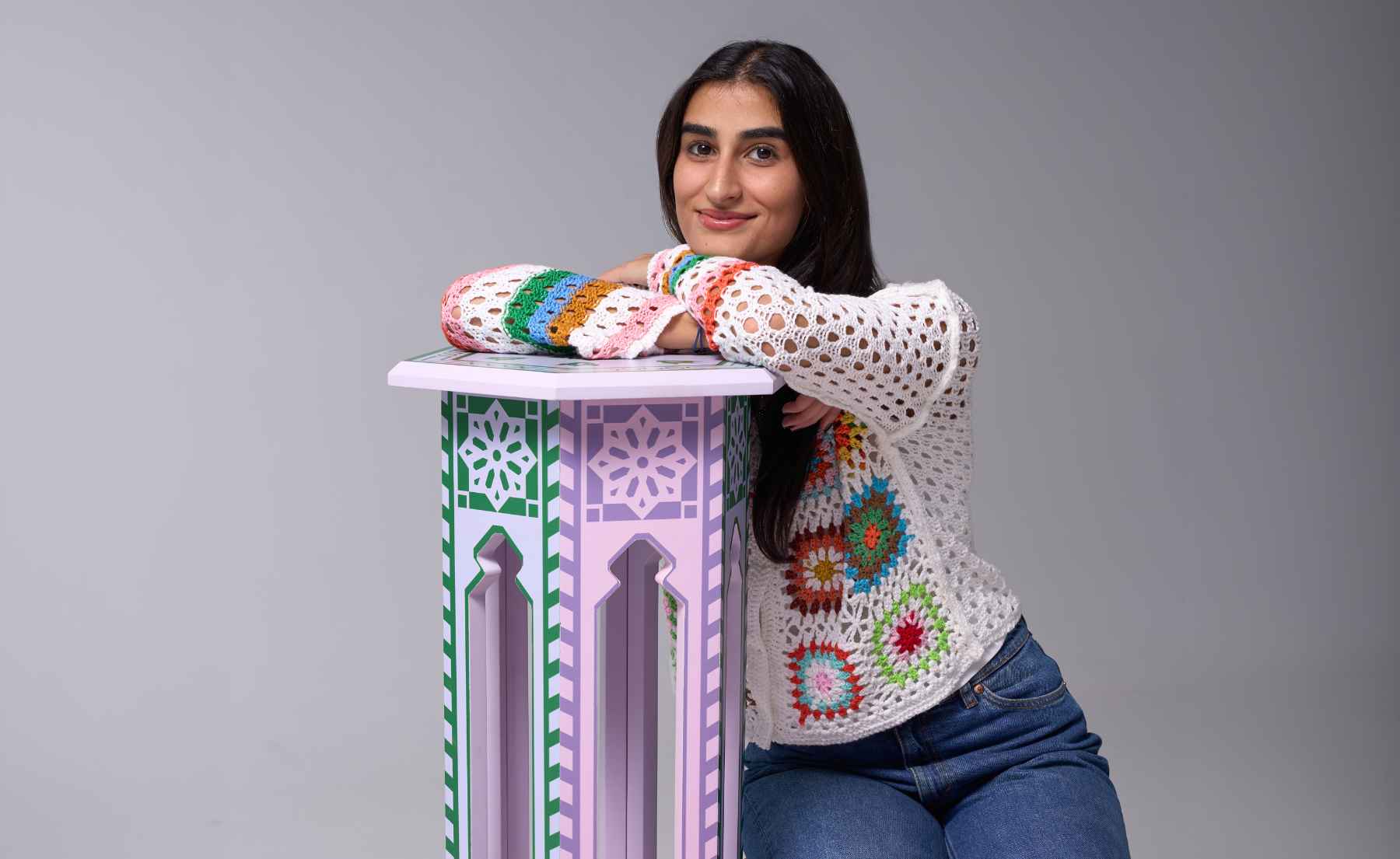
There’s a particular kind of side table you’ll find in homes across the Middle East. Sometimes it’s hexagonal, sometimes it’s an octagon - and regardless of how it's shaped, it is always adorned with intricate patterns and designs. It is one that is steeped in cultural and personal memory; sitting quietly in a corner of your grandfather’s living room, holding a glass of tea or jar of sweets, watching generations pass and times change.
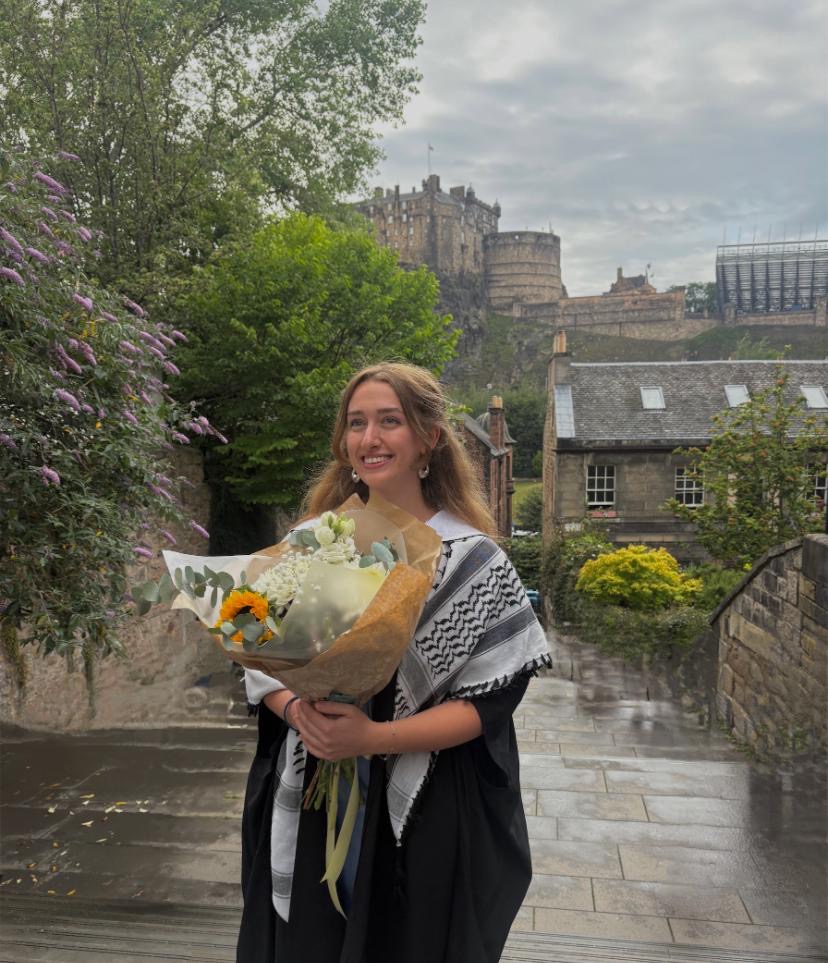
For Lebanese-born and Dubai-based designer, Zein Hageali, the table - and its many meanings - have formed the basis for her brand, Zeino Makes.
Zein calls it ‘Tawlitna’ - our table. In form and design, it resembles the arabesque classic. The real “touch of Zein,” as she calls it, is in its construction, engineering, and the joinery of it.
Crafted from painted beech wood, Tawlitna comes in orange, blue, pink, and purple - it can even come in a mix of all four. This mix-and-match model lies at the core of Zein's philosophy as a designer. “A big theme that I have in my designs is playfulness,” Zein tells SceneHome, “I love pieces that you can interact with or customise; that don’t just exist for you to look at.”
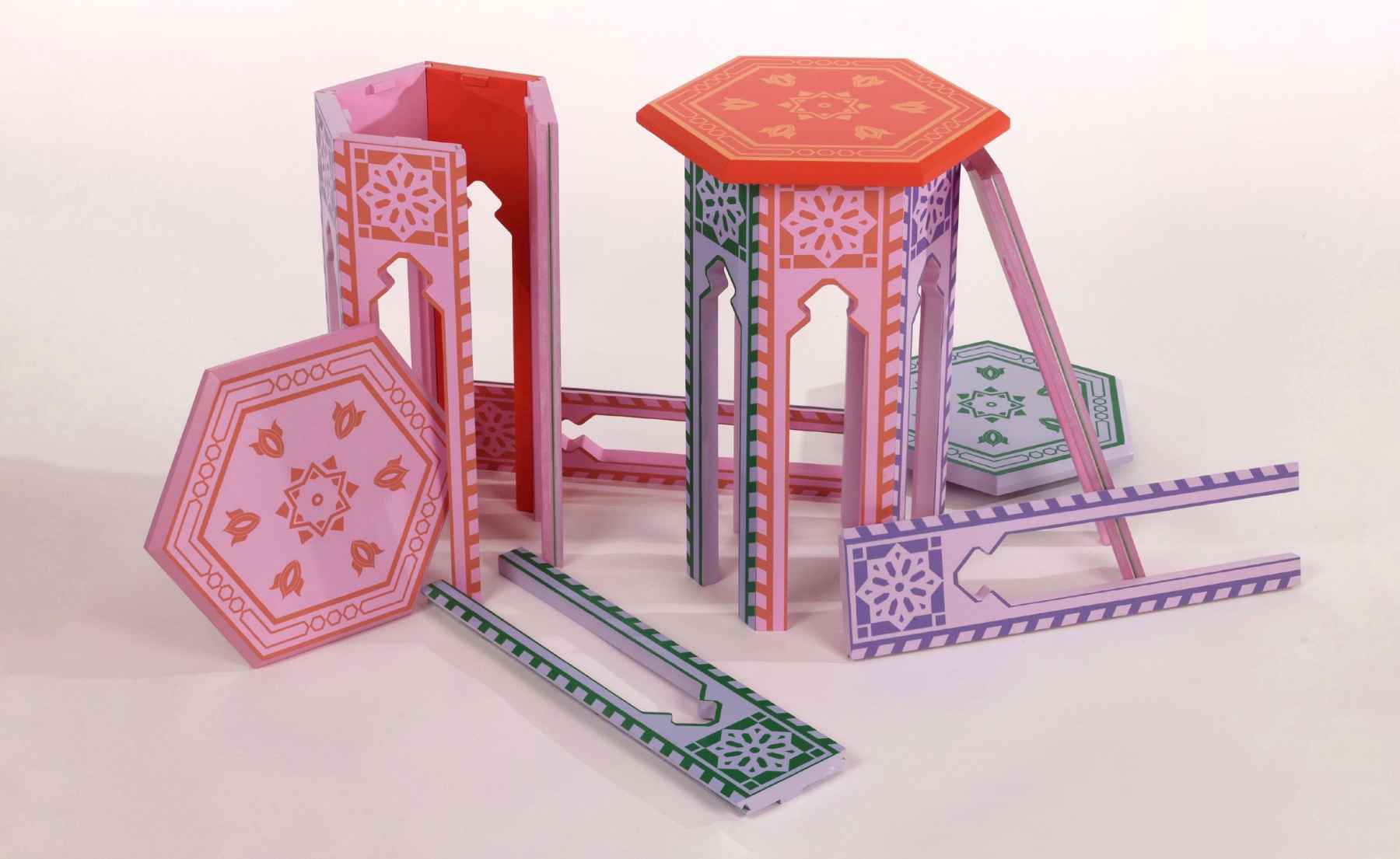
This sense of playfulness extends beyond the palette, onto the form of the table itself. Tawlitna is designed to be taken apart, packed flat into a backpack, and put back together - ready to follow its owner wherever they go.
To Zein, this was a necessary aspect of its design. "I turned a side table into something like a trinket, something you can just carry in a backpack. I wanted to create a product that wasn't a burden to move or a headache to pack,” she explains.
This, in particular, speaks to those constantly on the move. As a self-described third-world kid who left Lebanon at a young age, Hageali understands that what you carry with you isn't just luggage - it's culture, it’s identity, it’s home. Tawlitna, in this sense, is a homeland made portable. “Now, for example, I’m in Lebanon,” she says, “but I can fold up my table, and bring it back to Dubai with me in my suitcase.”
Tawlitna’s flat-pack form is, in many ways, a symbolic product built for a specific kind of person - for children of cultures who grew up between countries and who hold their heritage in varying ways, who know what it means to want a piece of home when home isn't near. Tawlitna, in this sense, becomes both a side table and a carrier of memory and culture. In its contemporary design and form, it seeks to honour heritage without leaving it behind.
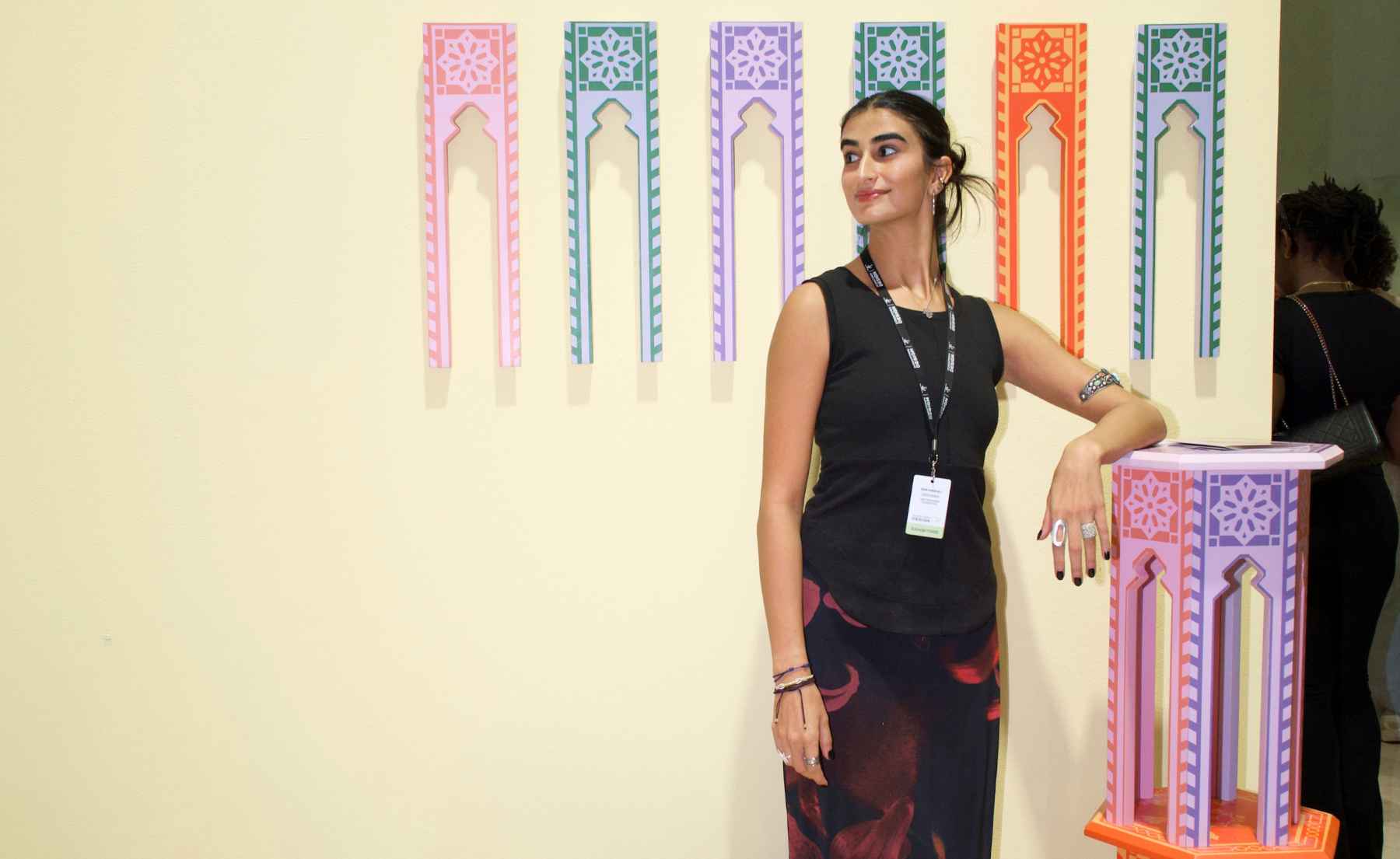
"I wanted to find a way to bring it into the modern world and make it something that still carries this tradition and culture and shape,” Zein explains. "The world today is a crazy one where technology and AI have taken over. It's very important to go back to your roots.”
When Zein first exhibited Tawlitna at We Design Beirut, she realised she was not alone in this feeling. People approached her from across the Arab world, each claiming the table for their own heritage - as Syrian, or Moroccan, or Lebanese. "Everyone in the Arab region connects to this table in their own little ways," she says, "which was really beautiful to see, especially as an Arab designer."
In this way, Zein has always understood the importance of the items we make and the cultures they reflect. Having studied product design at Central Saint Martins in London, she found a way to realise this vision with precision and skill. "Products are everything,” she says, “they're what you sleep in, what you eat with, what you drive, what you wear. Everything that you touch and see and exist in is a product, so it's important to make these pieces in ways that you can emotionally connect with."
Tawlitna itself was inspired by a product made decades before. When visiting Lebanon, her mother - who knew her eye for design and her love of furniture - took Zein to Basta, a stretch of Beirut known for its stacked, dust-covered, gloriously unkempt antique shops, where heritage pieces lean against each other in chaotic abundance.
Here, they bought an arabesque table together.
Later, when imagining what her next design would be, her mother asked her what kind of product she’d like to make next. Without hesitating, Zein pointed to their newly purchased table and said, “This.” To that, her mother simply replied, “Done. Don't think any further, just go ahead and do it."
The table took six months to design. The hardest part, Zein says, was the locking mechanism. The original table she and her mother bought had eight sides and a more intricate arabesque pattern - both of which she had to rationalise and simplify without losing the soul of the piece.
There was a lot of trial and error. "Even to this day,” Zein says, “I'm still redesigning the way that it closes and locks. It's a piece that can be redesigned a million times."
Zein, with no doubt, knows that the next product for Zeino Makes will be similar in form and inspiration. She is currently developing her second piece, also rooted in arabesque design. “I would also love to collaborate with Arabic designers, learn from them, be part of their art,” let her cultural language merge with theirs. Beyond that, her ambitions are broad and persistent: new pieces, new collaborations, and an expansion into Europe and beyond.
Tawlitna is a cultural language made visible. "It's a culture I don't want to lose," Zein says. "It's a language, it's a way of life that I want to carry on and pass on to my children."
Tawtlatna, and all future designs, can be purchased on Zein's online store on Zeino Makes’ website.
- Previous Article SceneNoise x Amsterdam Dance Event Present CROSSFADE: Egypt
- Next Article The Abandoned Architecture of Villa Badran by Gamal Bakry