



Jeddah-Based Architect Translates Observations Into Installations
Jeddah architect Aseel Alamoudi turns observation into objects, exploring play, skylines, and photographic space.
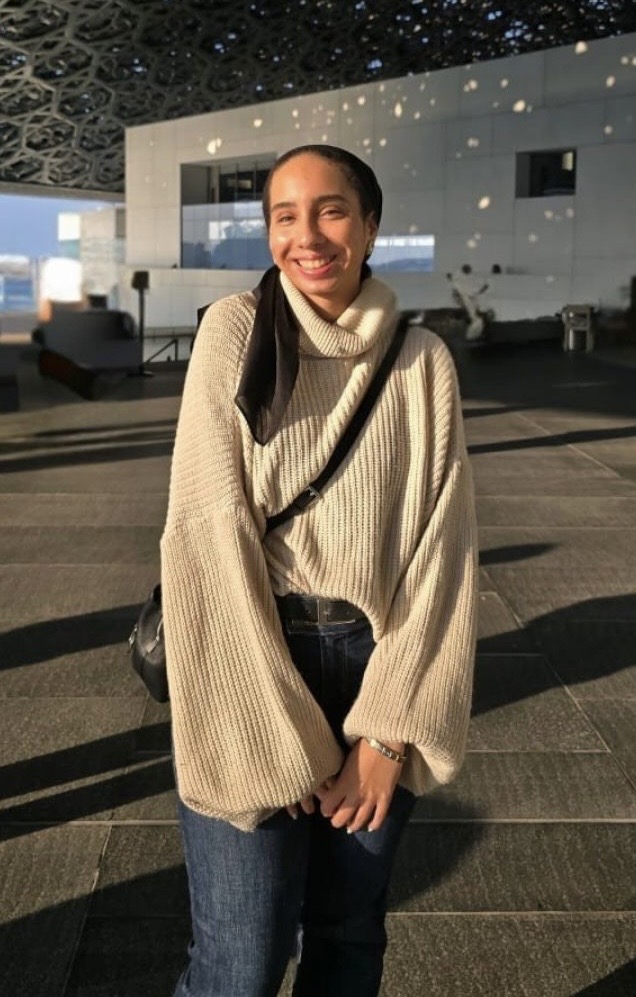
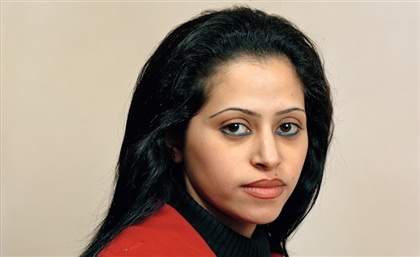
A child climbing a sign, the edge of a roof against the sky, a photograph compressing space into image. These moments of encounter form the basis of Aseel Alamoudi’s architectural practice. Based in Jeddah, she operates a studio alongside her installation work, exploring objects that respond to context at different scales, from small pieces to larger forms. “I design objects because the term is very open, and context is what gives them meaning,” she says. She uses techniques such as 3D printing, resin casting, and animation to bring these ideas into physical form.
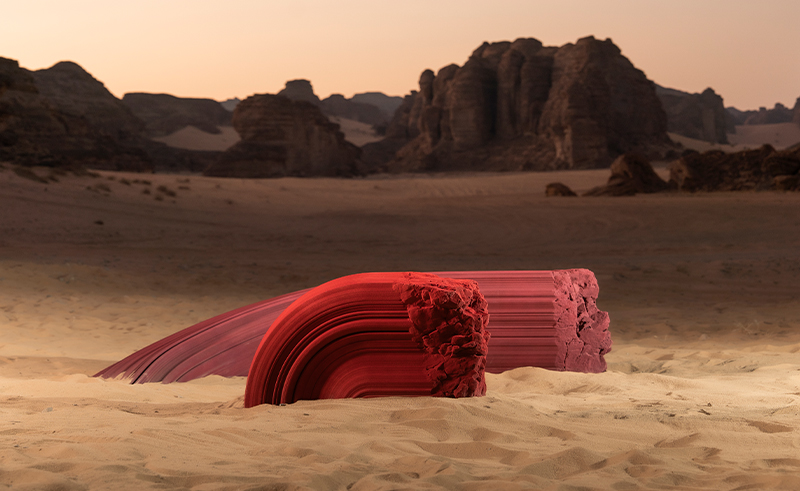
This position took form in' Playformation: The Curve & The Dot', developed during a residency in AlUla. Observing public space, she became attentive to how children moved through environments not designed for them. “I saw two boys climbing a sign and jumping from a planter. It showed me how instinctively children create their own playgrounds, I wanted something open-ended, where play comes from curiosity.” Aseel tells SceneHome.
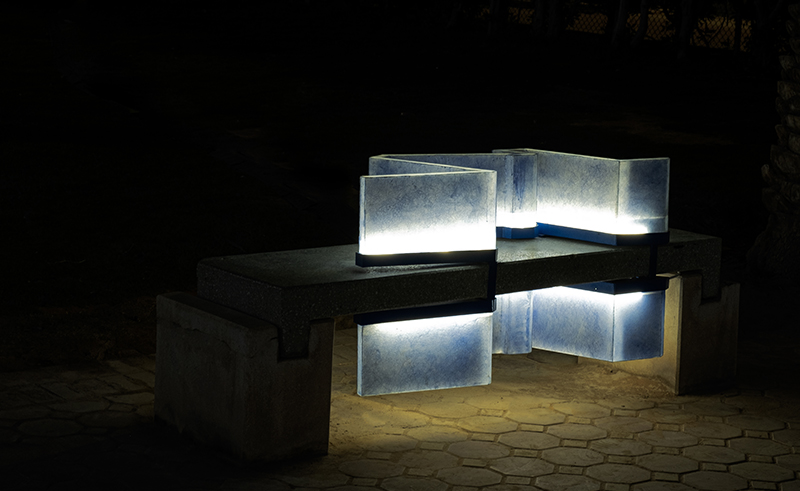
Material became part of this enquiry. Alamoudi used 3D printed sand to produce a bench and stool at full scale, preserving the granular texture of the desert and creating a tactile surface that invites touch and movement. Sand and wind gradually reshape its surface, altering how it is encountered over time. The realised pieces were later presented at the AlUla Arts Festival 2026, returning the work to the terrain that informed it.
Her project 'Seams' extends this attention to the relationship between form and its surroundings, turning towards Jeddah’s skyline. Studying buildings from the 1970s and 1980s, she traced the lines where structures meet the sky. “I was interested in the exact moment where the building ends and the sky begins,” she says. These edges were extruded into objects, transforming distant architectural profiles into physical forms that can be held and examined.
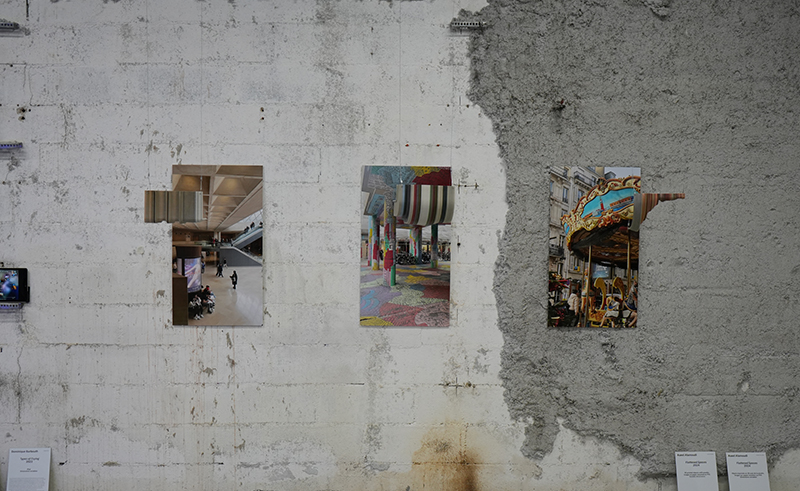
This process of extracting spatial relationships continues in 'Flattened Spaces', developed during a residency in Paris. There, Alamoudi focused on how photography alters perception. “When you photograph space, depth collapses into a surface,” she explains. She selected images, including scenes from the Louvre, and translated their defining lines into powder-printed objects. Colour was drawn directly from the photographs. “The colours come directly from the image, so the object carries the scene within it.”