


What to Know About Alexandria's First Metro Line
The city's first metro line is expected to be operational in 2026, with two additional phases planned in the future.
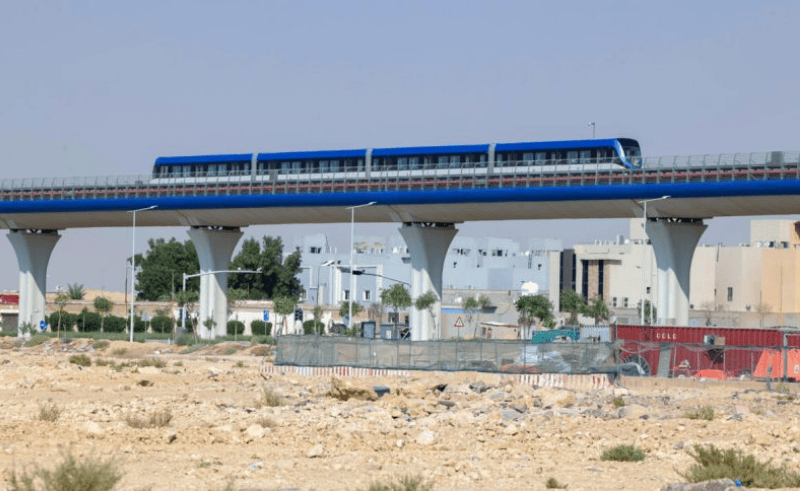
While Egypt’s Bride of the Mediterranean, Alexandria, boasts one of the oldest tram systems in the world, it has never had a functioning metro. This is set to change next year, when the first phase of the city’s first metro line is expected to come online in 2026. Extending 21.7 kilometres from Misr Station to Abu Qir Station, the first phase of Alexandria Metro will replace the city’s Abu Qir railway line with an electrified system. The two future phases will then extend the line 8 kilometres west towards El Max, and then another 15.5 kilometres towards Burg El Arab where it will connect with the planned El Alamein – New Capital high speed railway. The electrified line will boost passenger capacity to 60,000 passengers per hour in each direction, from just 2,850. It will also quadruple the operating speed of the line to 100 km/h, reducing the journey time from 50 minutes to 25 minutes. The line’s headway—or the time between successive trains—will also be reduced from 10 minutes to 2.5 minutes. The first phase, which is currently under construction, will comprise 20 stations, including six ground-level stations and 14 elevated stations. Only five of the 20 stations are new additions to the city’s existing transit network. With roughly three-quarters of the phase one line being elevated, construction work has begun throughout the city on the bridges that will carry the overhead track. Work has also begun on levelling and fencing the Abu Qir and Kafr Abdo project sites, and installing steel beams for the portion of the line running between Touson Station and Gabriel Station. The project, which will cost roughly EUR 1.3 billion, is being undertaken by an Orascom Construction-Colas Rail consortium and is overseen by the National Authority for Tunnels. Funding for the project is provided by the European Investment Bank, the European Bank for Reconstruction and Development, L’Agence Française de Développement, and the Asian Infrastructure Investment Bank.
- Previous Article What to Look Out for at the 1st Toot Toot Children’s Book Festival
- Next Article Inside Egypt’s Seven UNESCO World Heritage Sites