






IMF Projects Egypt's Economic Growth at 5.7% by FY 2027/2028
IMF also projects 4.7% growth in 2025/2026 alongside a 5% primary surplus target by 2026/2027.

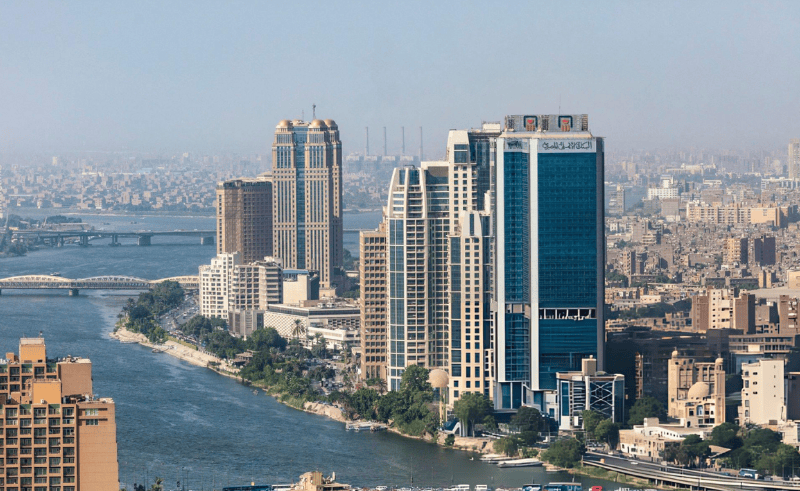
Egypt’s economy is projected to grow to 5.7% by the 2027/2028 fiscal year, up from an expected 4.7% in 2025/2026, according to the International Monetary Fund.
The projections were outlined in the IMF’s fifth and sixth reviews of Egypt’s economic reform programme, which focus on debt reduction, subsidy reform and tax restructuring to strengthen public finances.
Under the fiscal plan, the government aims to reduce debts owed by state entities to the Ministry of Finance by nearly EGP 100 billion annually, targeting full settlement by 2029.
Authorities are also working towards achieving a primary surplus of 5% of GDP by 2026/2027. Public finance reforms include transferring deposits of economic authorities to the government treasury account, a move the IMF said has reduced financial claims on the Central Bank of Egypt and improved monetary policy transmission.
New borrowing by public entities will also be restricted to loans arranged through the Ministry of Finance. Fuel subsidy reforms have already reduced spending by around EGP 97 billion in 2025/2026, equivalent to approximately 0.5% of GDP.
Authorities plan to reinstate the automatic fuel pricing mechanism by the end of the second quarter of 2026. Tax measures are also being introduced, including removing selected VAT exemptions and imposing new taxes on transfer pricing and profits of state-owned enterprises.
These reforms are expected to increase tax revenues by around 2% of GDP between 2024/2025 and 2026/2027. The IMF estimates Egypt’s financing needs at roughly 40% of GDP over the next three years.
The current account deficit is projected to narrow to 3.8% in 2025/2026 and stabilise near 3% in the medium term, supported by stronger non-oil exports, recovery in Suez Canal revenues and increased domestic energy production.
Related Articles
Trending This Week
-
-
-
 Mar 30, 2026
 -