






Naguib Ma7fouz? New ‘Arabizi’ Books Raise the Alarm on Arabic's Future
Diwan’s new campaign with e& UAE is designed to shock people into discourse about the future of the Arabic language.
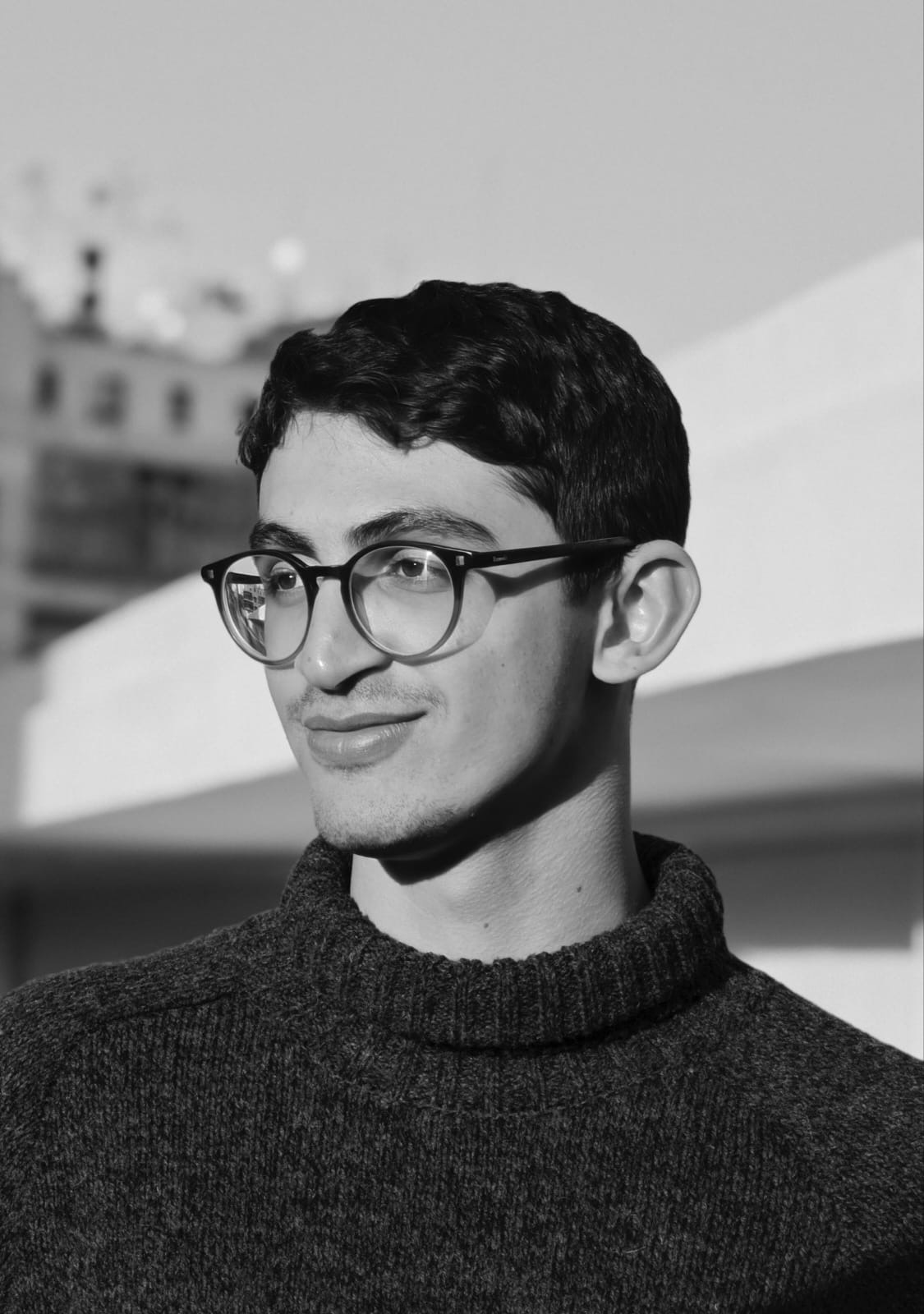
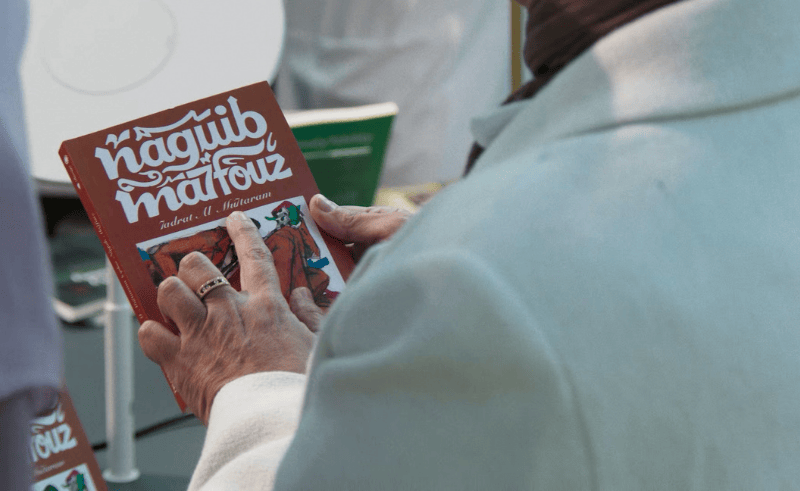
It’s an image that sparks immediate backlash: Arabic classics, like Naguib Mahfouz and Taha Hussein, published not in their native script, but in Franco-Arabic, the controversial language of texts and memes popular among many Arab youth. But that’s exactly the point. A new awareness campaign by e& UAE (formerly Etisalat) and Egypt’s Diwan Publishing has printed ten popular Arabic books in Franco-Arabic, triggering a long overdue conversation about the state of the language.
“Etisalat wanted to do something to raise awareness about the destruction of Arabic among youth, and they asked Diwan to collaborate in this initiative because we have publishing rights for many important classics, including Naguib Mahfouz,” says Ahmed Al-Qarmalawi, co-founder and CEO of Diwan Publishing.
The campaign began in late 2025, in preparation for World Arabic Language Day on December 18th and the launch of e&’s new app, Arab-easy. The free app installs a new type of Arabic keyboard onto your phone, rearranging letters in a way that is more intuitive for those used to typing in English or Franco-Arabic (also called Arabizi). The purpose of the app is to promote typing in Arabic by making it easier.-1b9e8e96-7457-40ed-bfac-d833eb443a4f.png) Inside the books, a red stamp by e& says: “By writing in (Arabizi), you write off your identity,” with a QR code leading to e&’s Arab-easy keyboard.
Inside the books, a red stamp by e& says: “By writing in (Arabizi), you write off your identity,” with a QR code leading to e&’s Arab-easy keyboard.
“The intention behind the campaign was to create a shocking image,” says Al-Qarmalawi, “something that would make people feel fear for Arabic and the loss of Arabic language and culture. This message spoke to us, and so we joined the collaboration.”
To be clear: these books are not for sale, and not even for borrowing. A limited number was printed for promotional purposes only, to support the marketing campaign for e&’s app, which envisions a future where Franco-Arabic replaces Arabic. The campaign was shot in the UAE, but the books have since returned to Egypt and will be used by Diwan for their own awareness-raising initiative.
“The creative team proposed the sale of these books,” says Al-Qarmalawi, “but this was a definite no. That would completely give the wrong message: that we are benefiting and profiting from Franco-Arabic rather than combating it. It’s the complete opposite of what we’re trying to do.”
On the question of whether this campaign might prompt other publishers to print similar versions and sell them, Al-Qarmalawi says that such books already do exist in the market, but still in a very limited number. He makes the distinction between such publishers and Diwan.
“It all depends on how we deliver the message. If we printed these books just as though to say Naguib Mahfouz is now available in Franco, then of course there would be backlash and rightfully so—we’d be damaging something in the Arabic language. But we’re releasing it to say, ‘Be careful, this is the direction we might be heading in if we continue to write Arabic using the English language.’”
The works Diwan chose to print for the campaign range from classic Egyptian novels to children’s books and young adult novels by Emirati, Algerian, and Tunisian authors, which they selected for diversity. They also chose titles whose letters would be converted into numbers in the Franco-Arabic system, to make the messaging more immediately obvious.
As a writer, Al-Qarmalawi finds this campaign particularly necessary. “What we’re seeing is that Arabic letters are becoming less familiar to today’s youth, who find it more convenient to use an English keypad. Slowly, this will lead to a preference in reading English texts over Arabic ones, reading road signs in English before Arabic, reading the Quran or Bible in English and not in Arabic. Eventually, this causes an estrangement from one’s own culture, making a person feel that Arabic is not in their identity.”
The Arabizi books will be available for viewing at Diwan’s exhibit at the Cairo Book Fair, which began on January 22nd and will continue until February 3rd. Later, Diwan plans to exhibit some of the books in their bookstores as part of a conversation series with authors about the future of the Arabic language in reading and writing.
Related Articles
Trending This Week
-
-
 Sep 10, 2026
 -
 Sep 10, 2026
 -