



6 Rare Quran Manuscripts Inside Makkah’s Holy Quran Museum
From brass-engraved pages to a five-metre Indian scroll, these six Qurans at the Holy Qur’an Museum trace centuries of preservation, craftsmanship and cultural exchange.

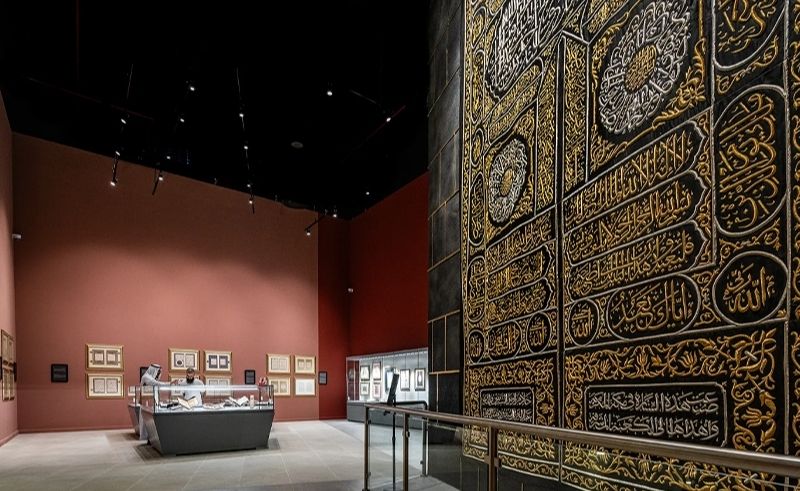
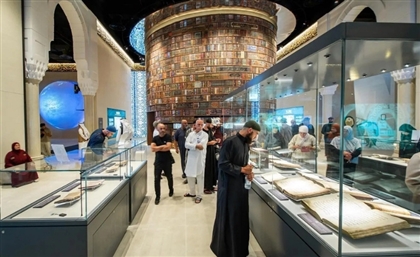
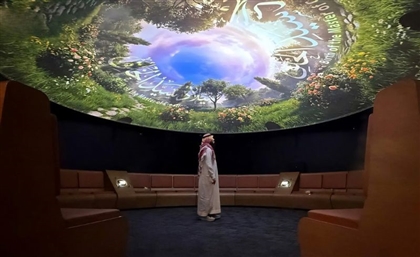
The Holy Quran Museum sits at the foot of Mount Hira, at the exact site where the first verses were revealed - which gives it a context no other museum can claim. What it houses inside is a collection that spans continents and centuries, each piece a different answer to the same question: how do you honour a text this significant?
Here are some of the displayed manuscripts that are worth looking for on your next visit.
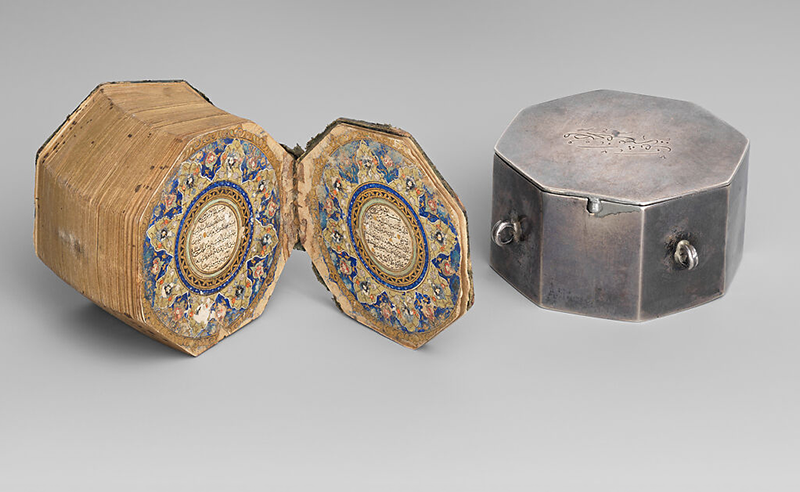
The Octagonal Pocket Quran, 19th-Century India
A rare Quran written in India during the 19th century, distinguished by its octagonal shape and compact size - designed to be carried, not displayed. Most manuscripts of this age live behind glass in archives. This one was built for a pocket.
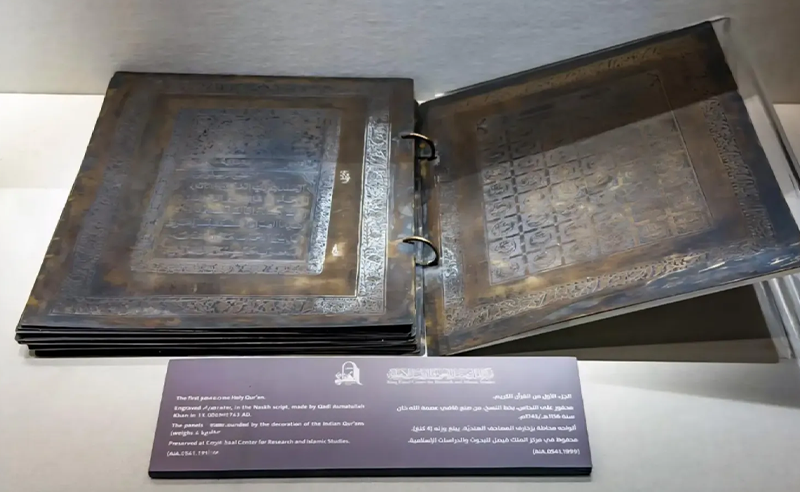
The Brass-Engraved Quran, 18th Century
Most Qurans were written. This one was carved into brass plates in the 18th century, which is either the most patient or the most ambitious thing a person could decide to do with a sacred text - probably both. It sits within a long tradition of Islamic calligraphic arts that moved across parchment, paper and, eventually, metal.
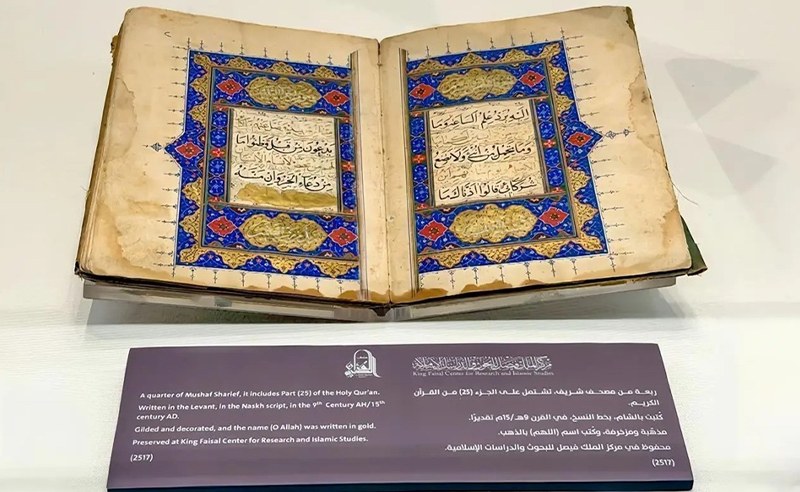
The Levantine Manuscript, 15th Century
Part 25 of the Quran, produced in the Levant in the 15th century, is written in Naskh script with intricate decorations and exquisite gilding throughout. It belongs to the King Faisal Center for Research and Islamic Studies and is on display here through a cultural partnership.
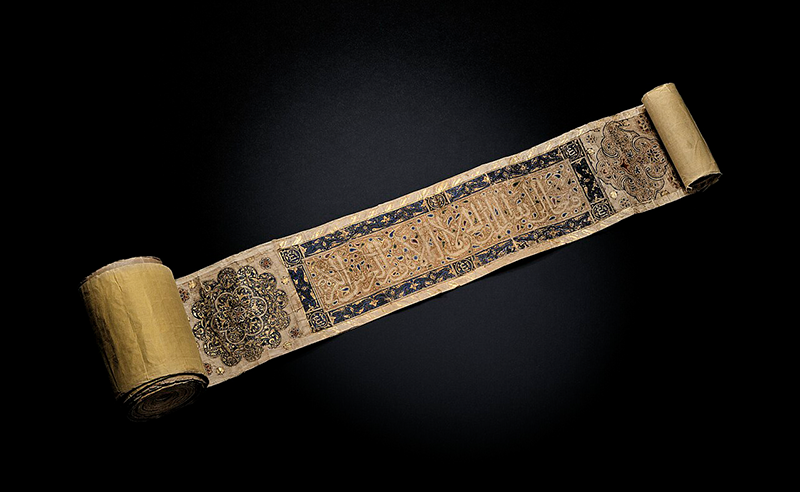
The Indian Scroll, 18th Century
This Quran is written on roll paper in India in the 18th century, in Naskh and Thuluth scripts, with diverse orientations and unconventional styles. It measures approximately five metres long and seven centimetres wide. The entire text, in a format barely wider than a thumb.
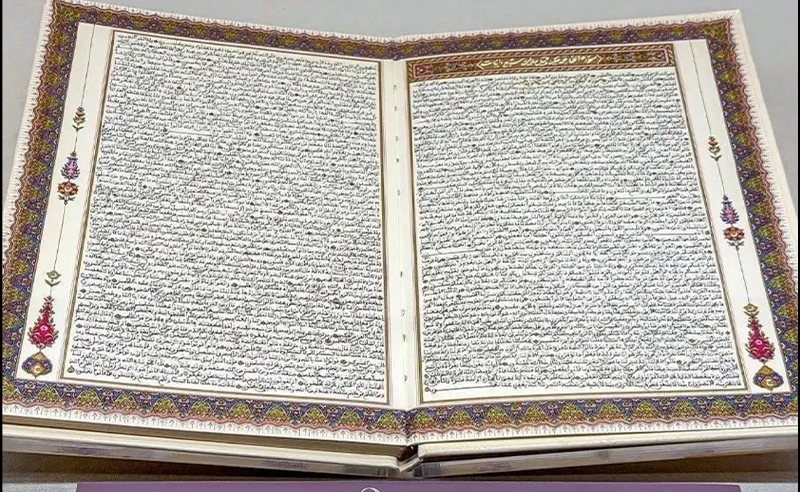
The 60-Page Quran
Sixty pages, one complete hizb per page, handwritten with precision and printed by a Tunisian publishing house. The whole Quran had been restructured into 60 equal parts - a different way of thinking about how a text this size gets read, carried and passed on.
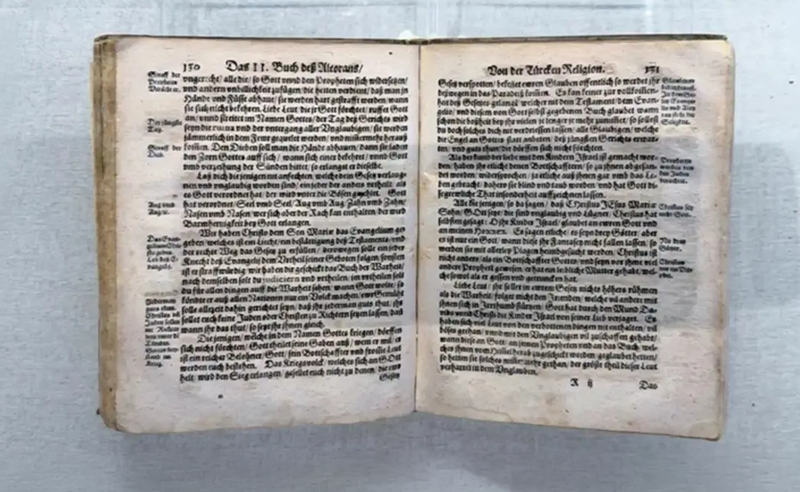
The First German Translation, 1623
Printed in Nuremberg in 1623, this is one of the earliest translations of the Quran into German - evidence that interest in the Quran reached deep into Europe four centuries ago. It belongs to the King Fahd National Library and is on loan to the museum.
- Previous Article SceneNoise x Amsterdam Dance Event Present CROSSFADE: Egypt
- Next Article Ladurée is Reopening in Marassi Just in Time for Summer