





Why a Spanish Chocolatier Hid the Sphinx in His Barcelona Bedroom
In a Barcelona house built on chocolate and ambition, a single photograph reveals Antoni Amatller’s quiet obsession with Egypt.

When I first entered Casa Amatller in Barcelona - the infamous home of Spanish chocolatier, collector, and obsessive traveller Antoni Amatller - the last thing I expected to see was the Sphinx.
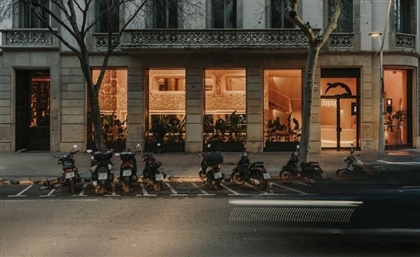
Wedged between two modernist giants on Passeig de Gràcia, Casa Amatller’s façade rises like a confectionary daydream: a stepped Flemish-style gable crowned with glazed ceramic tiles, its surface embroidered with almond blossoms, dragons, and chocolate-brown stone. Designed in 1898 by Josep Puig i Cadafalch, the house carries the unmistakable imprint of Catalan Modernisme and Gothic revival. Every facet of the architecture reflects the creator’s obsessive taste, lavish wealth, and meticulous control.
-6e300351-6e9d-4d53-aaa2-8b8b2c796efa.jpg)
Inside, the air shifts. The noise of Barcelona dissolves into patterned silence. Light filters through stained glass in honeyed tones, landing softly on carved wood panels, mosaic floors, and hand-painted ceilings. Every surface is deliberate. Nothing is blank, nor is it accidental. So when Egypt appeared, it felt intentional in a way that stopped me cold.
 copy-4547d63d-cdd2-4ba2-a4f5-fa155f9bef63.jpg)
The photograph wasn’t displayed for effect or placed among the grand rooms of the house. It was placed in his bedroom - one of very few frames in the entire space.
The bedroom itself was unexpectedly restrained. Compared to the ceremonial dining room, the theatrical staircases, the heavy furniture carved with myth and flora, this room retreated inward. The palette softens. The scale narrows. This is not a room meant to impress guests; it is a room meant to hold a man at rest. Which made the photograph feel unavoidably vivid.
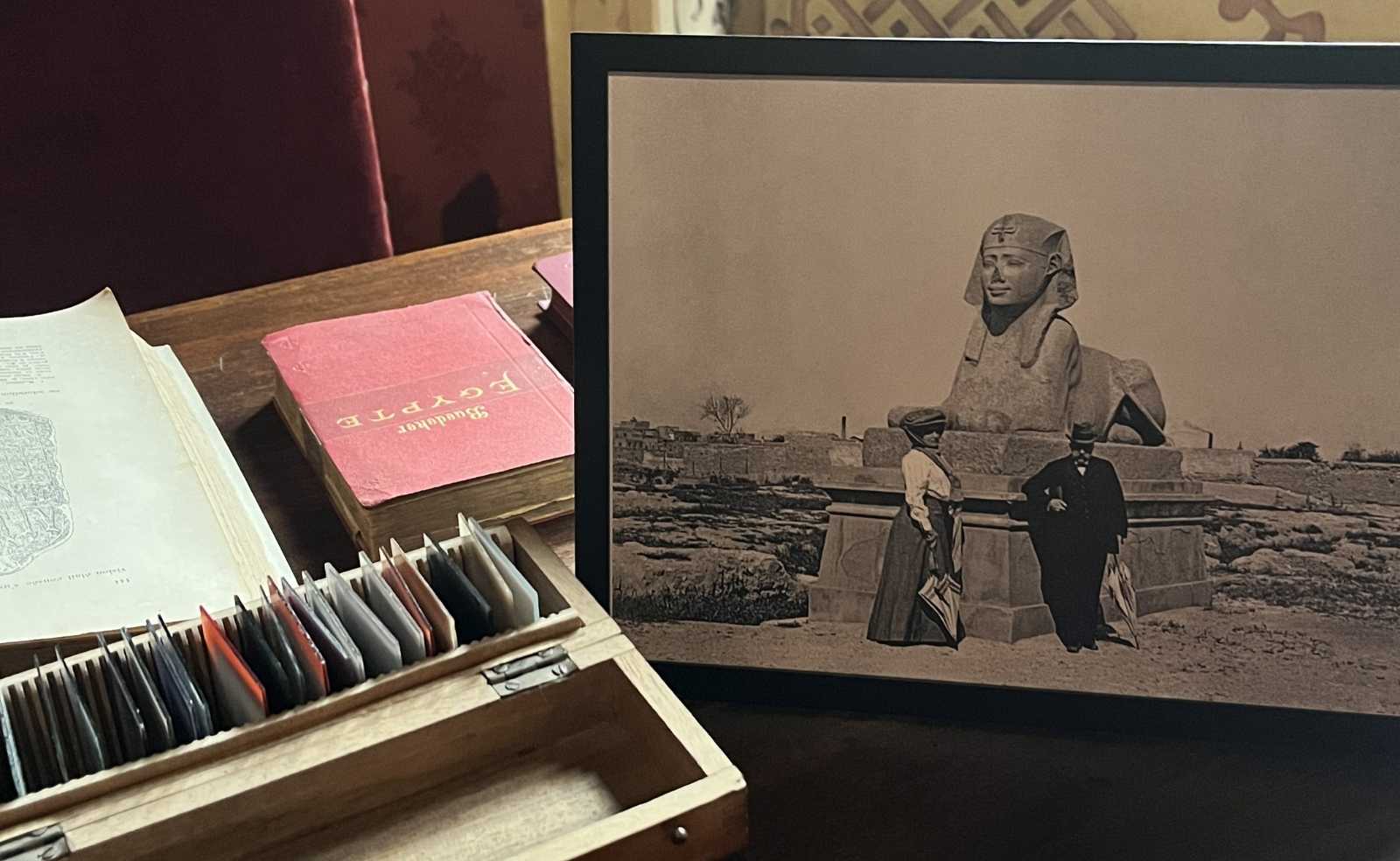
I said, “That’s Egypt” out loud before I realised I was speaking.
It felt instinctive, almost protective. The tourist beside me blinked. The guide paused. And I stood there, mildly embarrassed but deeply proud, like someone who had just recognised an old friend in a foreign city.
Because of course it was Egypt. It always is.
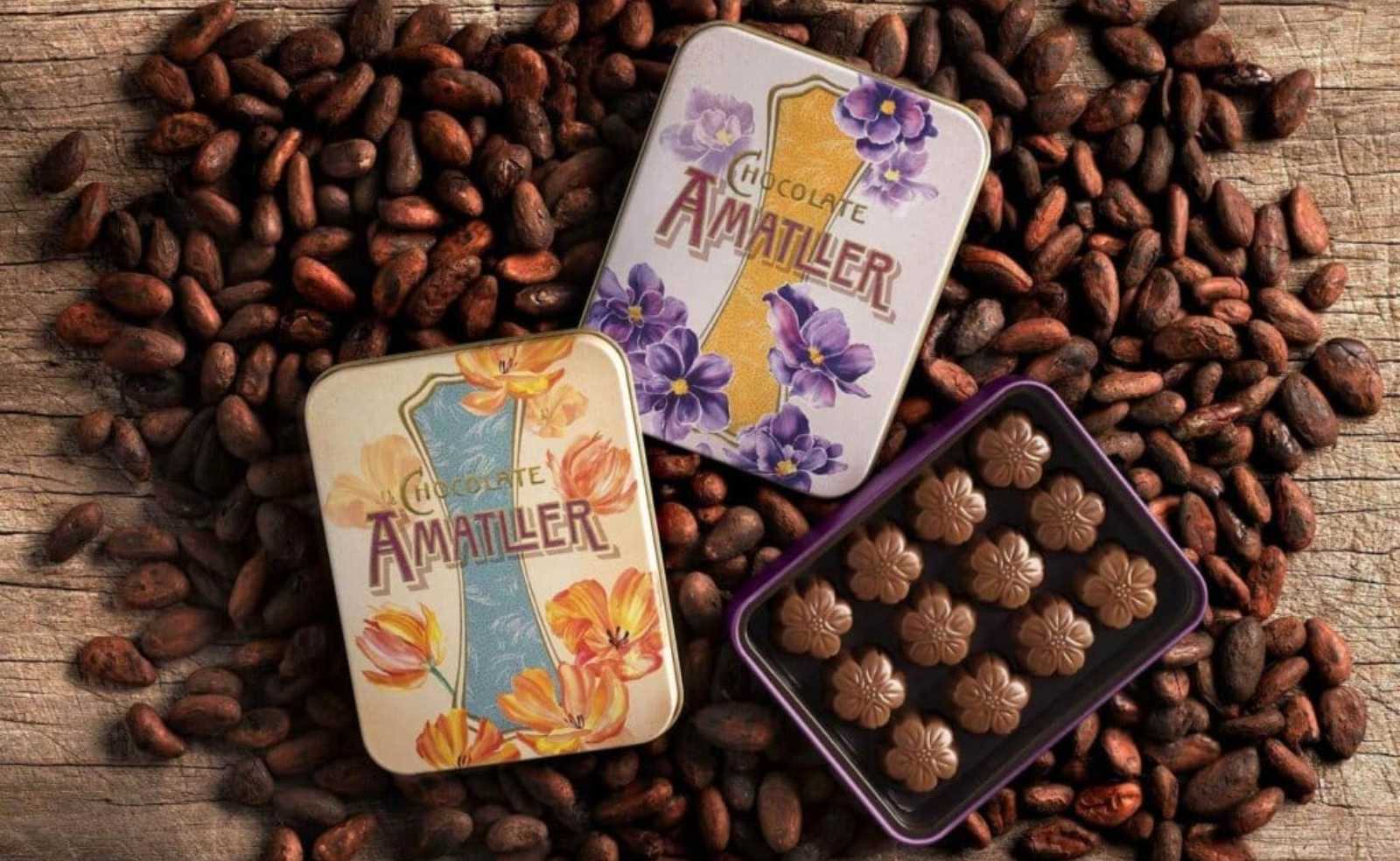
In that moment, I remembered the way Amatller himself approached the world - always observing, always rejoining the tour of life with eyes wide open. At nineteen, newly married, Amatller’s father sent him across Europe to study Swiss and French chocolate-making techniques - the kind of practical grand tour that builds empires. By 1878, he had built a modern factory in Sant Martí de Provençals, outfitted with the most advanced German and French machinery of the time. He expanded the brand aggressively, pioneering advertising techniques that helped Chocolates Amatller become a household name.
But chocolate wasn’t where his imagination stopped.
Amatller was a travel photographer - a phrase that feels quaint until you realise how radical it was in the early 1900s. He travelled with his camera to Morocco in 1903, Istanbul in 1905, and finally, in February 1909, to Egypt and Sudan.
Egypt was not accidental. On February 4th, 1909, Amatller embarked on a six-week journey to Egypt with his daughter Teresa, accompanied by family friends Josep Garí and his daughter Mercedes, as well as Justa Sanz Sanjuan, the family’s trusted maid. They travelled aboard the steamer Malwa, returning on March 17th, documenting nearly every step of the way.
By then, Egypt had already become a destination for Europe’s wealthy and curious - but what makes the Amatllers’ trip exceptional isn’t that they went. It’s that they looked.
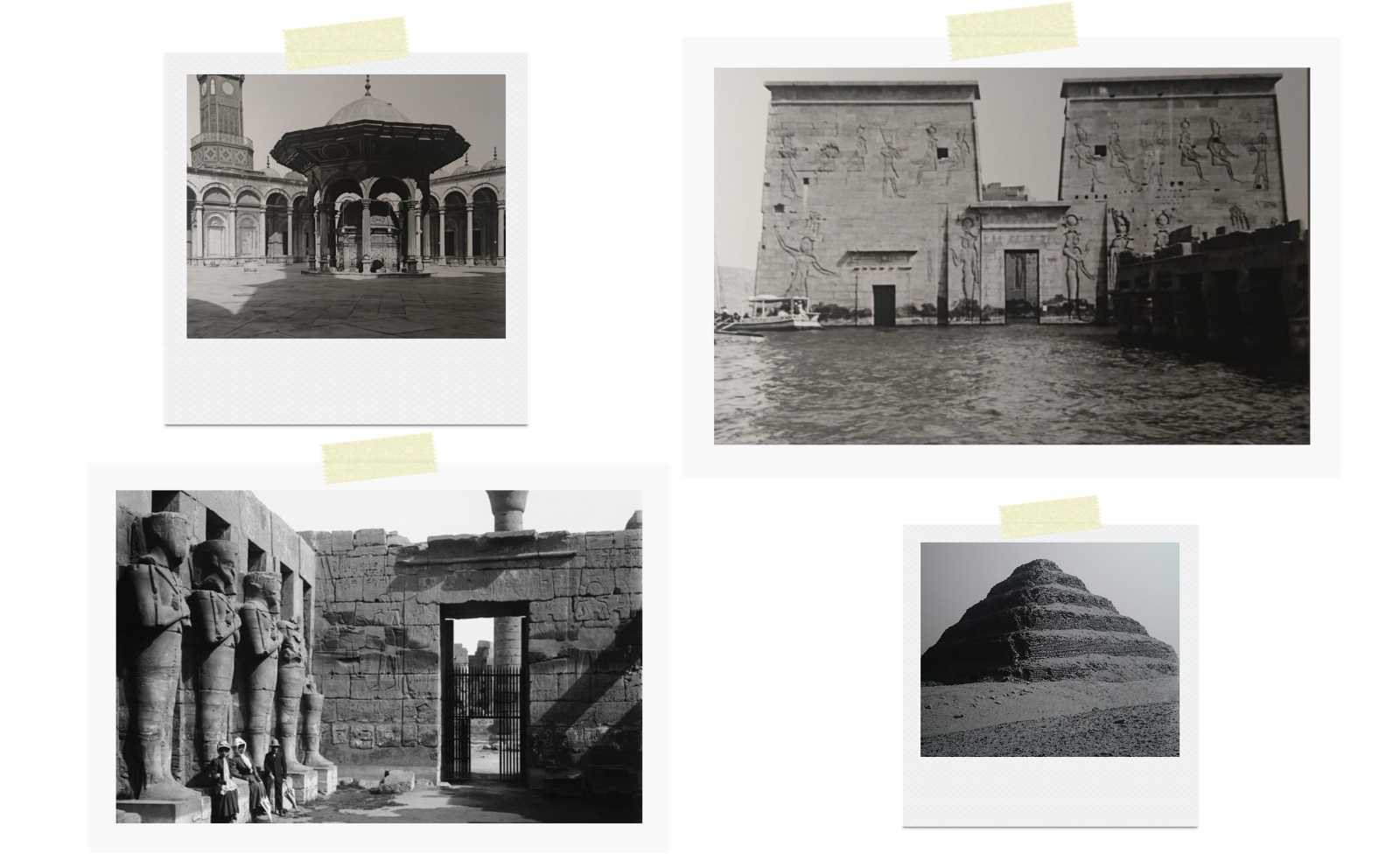
Amatller didn’t collect Egypt the way others did - through artefacts or souvenirs stripped of context. He collected it through images. Over two hundred photographic negatives from this journey survive today, preserved by the Fundació Institut Amatller d’Art Hispànic, founded by his daughter.
At the end of the tour, we were quietly led into his photography studio. It isn’t usually part of the visit, but my sister and I got lucky that day.
Tucked away from the showmanship of Casa Amatller’s public rooms, the studio was functional and inward-looking. The light here was cleaner, more obvious, entering through tall windows designed not to flatter but to reveal. Wooden cabinets lined the walls, once used to store fragile glass negatives. Worktables sat low and wide, worn smooth by repetition. It was clear that this was a room built for looking carefully and patiently.
-5758d7f4-42cf-4b08-b5eb-aaa7339ff1a0.jpg)
A brazen stereoscope was passed around, a slide already set inside. I leaned in, and the image came into view - Egypt, once again, looking back. Luxor. The pyramids. The Nile. Temples. People. Monuments. This wasn’t Egypt as fantasy - no staged exoticism or orientalist theatrics. Just presence.
It hit me then: this wasn’t a man who visited Egypt. This was a man who returned from it changed.
Today, selections of these photographs are shown in exhibitions like Egypt 1909: The Amatllers’ Journey to the Land of the Pharaohs, tracing the family’s route from the steamer to the monuments, from departure to return.
 copy 2-73672b68-a593-4c6c-9a85-4e40b5440798.jpg)
Which brings me back to that bedroom.
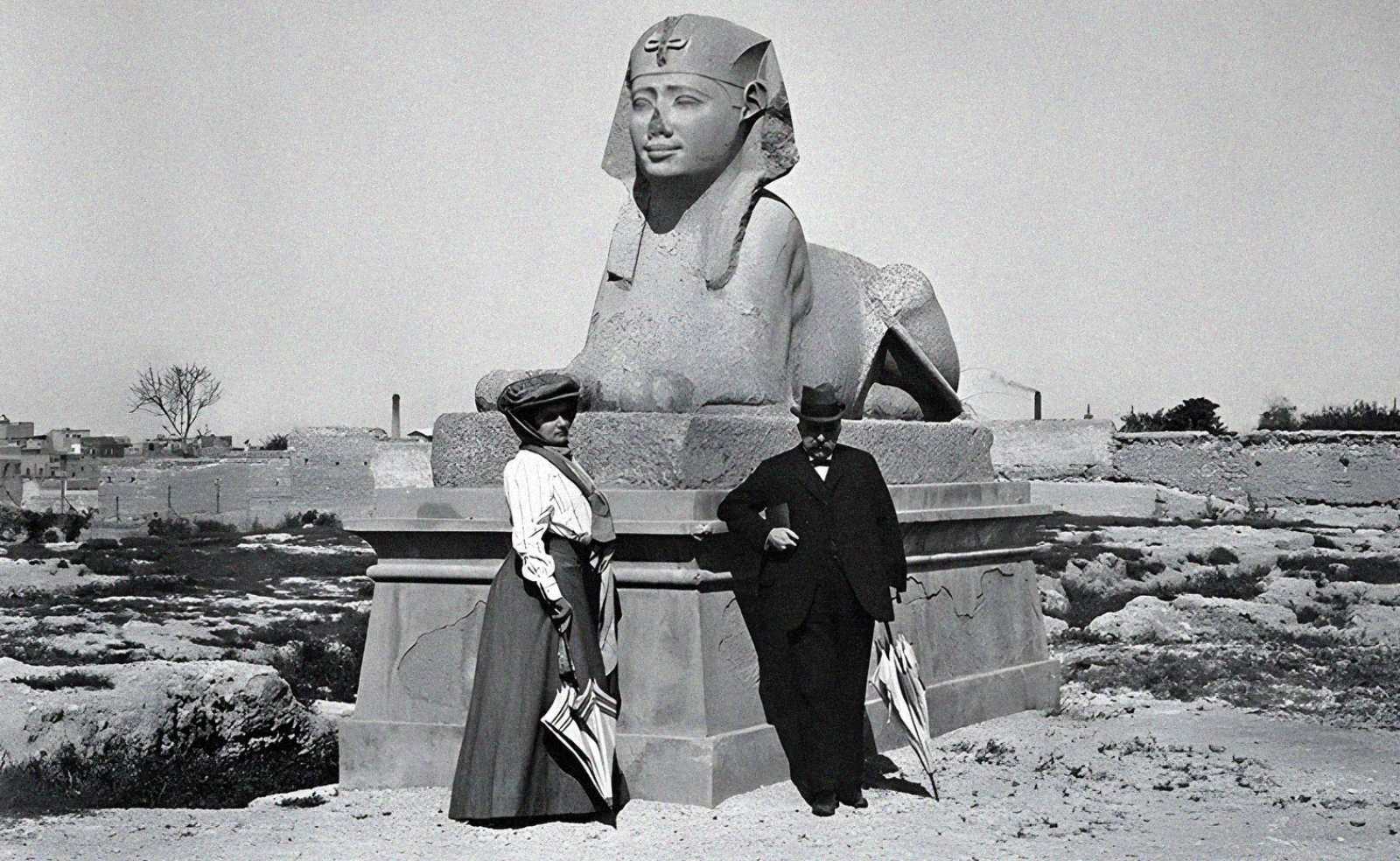
Out of all the images he could have chosen - the factories, the accolades, the European salons - the one photograph allowed into the most intimate space of his home was Egypt. Him. His wife. The Sphinx.
So yes, I yelled when I saw it. I’d do it again. Because even in a Barcelona bedroom, more than a century later, Egypt had followed him home.
- Previous Article Mo Salah’s Record-Breaking Liverpool Legacy in Numbers
- Next Article The Ancestral Resilience of Omar El Farouk’s Fayoum Home