


Egyptian Label Al Camileon’s SS26 Finds Freedom in Solitude
Al Camileon’s SS26 is on a solitary mission to bring a playful in-house vision to life.
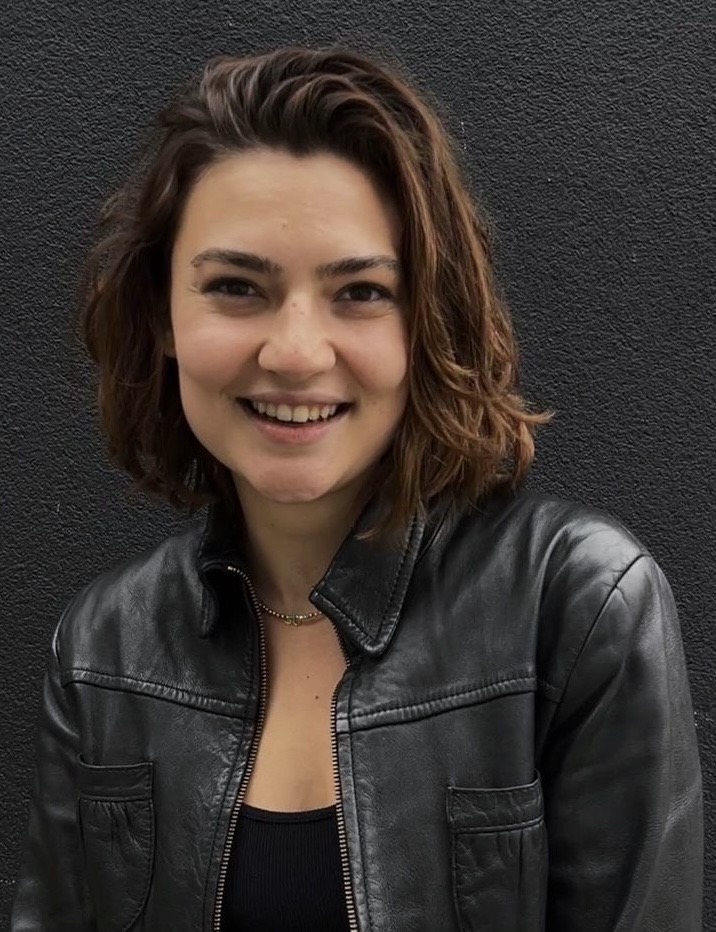
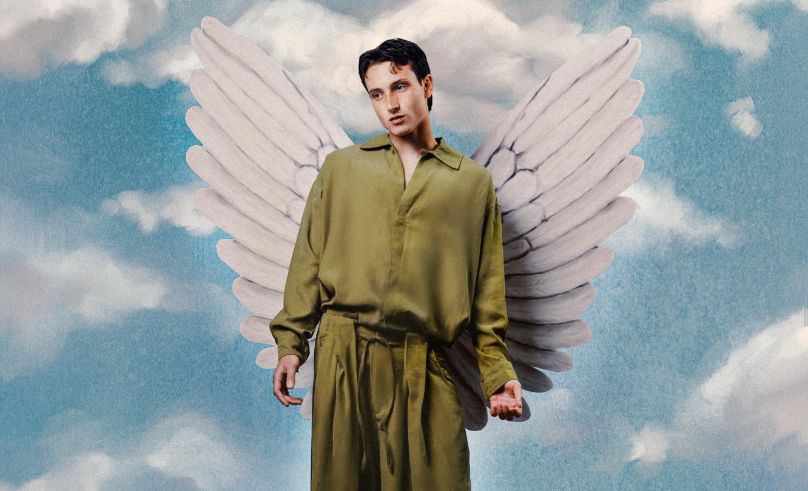
Al Camileon’s SS26 season begins with solitude—but not the sad kind. More like a creative withdrawal, a choice to step away from noise, partners and outside references. After a previous season shaped by collaborations, the Cairo-based brand returned inward, building its latest series of drops entirely in-house. “It felt empowering and freeing,” shares Zeyad Elghorab, Al Camileon’s Creative Director. “For the first time, we were able to remove distractions and build a creative bubble with its own momentum, rhythm, and way of doing things.”
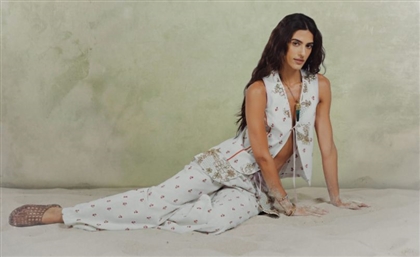
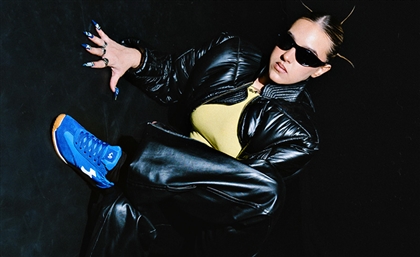
That bubble became the foundation for LONE, HEAD IN THE SKY and LA MUSE: three connected drops that move between self-reliance, fantasy and softness. Rather than presenting SS26 as one neat collection, Al Camileon treats it like fragments from the same internal world. Baby tees, plissé tops, vintage-inspired prints, relaxed pleated trousers, balloon silhouettes, external drawstrings and hidden button constructions all appear as recurring details, creating garments that feel expressive but still essentially functional.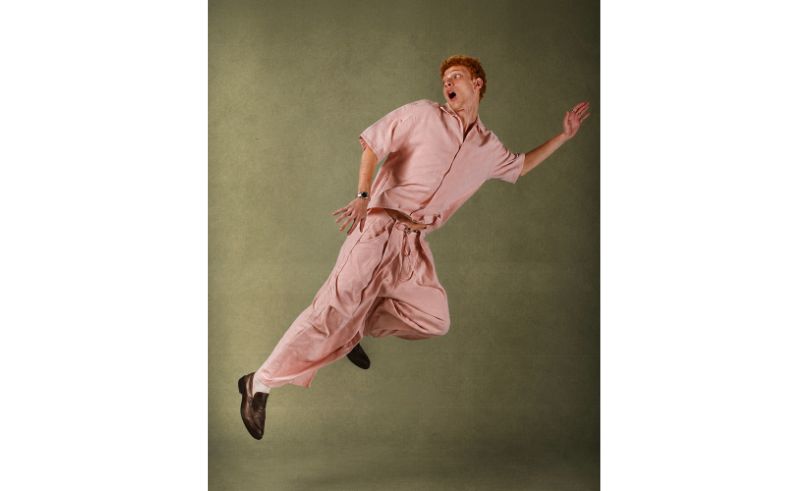 LONE was born from the decision to make everything alone. “We were on our own, on a solitary creative mission, trying to make the best possible work with what we had,” Elghorab explains. He describes the season as a search for a more mature version of the brand, one that could balance experimentation with accessibility in a local market that is still hesitant to embrace risk in clothing. “We tried to find the very thin line between getting creative and still appealing to the public,” he says.
In Cairo, that line is not only aesthetic. It is practical. Fabric options are limited, production timelines shift, and the infrastructure around emerging fashion can force designers into constant improvisation. For Al Camileon, the answer was not to scale back the idea, but to get more inventive with the process. “Let’s get creative but in terms of solving problems,” Elghorab reflects. Unable to find the right fabrics, colours or finishes, the team began developing them from scratch: printing onto white fabric, dyeing ropes themselves, scanning vintage floral imagery from old books, adjusting colours, sewing the garments, then sending them for plissé.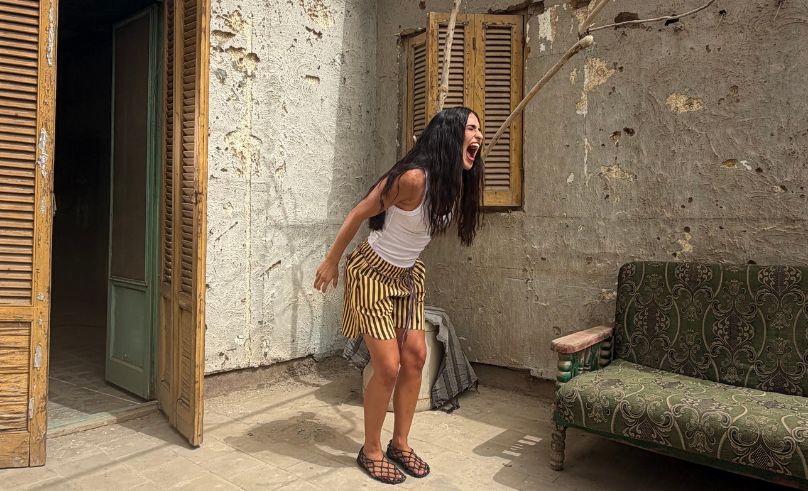 That process comes through most clearly in LA MUSE, where the first plissé top became the anchor for the entire drop. “It was our most successful piece and naturally led the creative direction,” he shares. “Rather than forcing a narrative onto the garments, we allowed the garments themselves to take the lead.” There is something distinctly Cairene in the visual memory of it: old floral paintings, wallpapered apartments, the decorative language of a grandmother’s house reworked into something a tad stranger and more contemporary.
HEAD IN THE SKY pushes that solitude further into fantasy. “It took the spirit of LONE and pushed it further into imagination,” Elghorab adds. “We treated our dreams, fantasies, and ambitions with complete seriousness.” As Elghorab puts it, each season has “its own plot, atmosphere, and characters,” and once that story ends, they move on to the next. The consistency is not in repeating the same visual codes, but in building complete worlds.”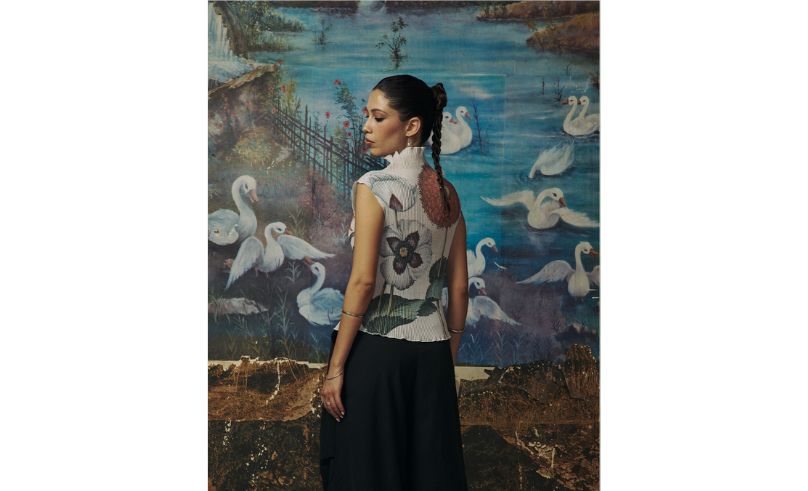 That same belief in world-building extends beyond the garments themselves. For Elghorab, creating a collection is inseparable from thinking about the conditions that allow a fashion scene to grow. When asked what the local fashion ecosystem needs more of, he reflects, “from the industry side, what is needed most is selflessness. It’s already clear that there is no shortage of passion, talent, or ambition.” Instead, the missing piece according to Elghorab is collective infrastructure: knowledge-sharing, support systems, stronger communities and a willingness to build beyond individual visibility. “Collaboration isn’t just about creating joint drops or projects. It’s about sharing knowledge, supporting one another, and helping build a stronger ecosystem.”
Consumers, too, have a role to play. “There needs to be more openness toward experimentation,” Elghorab says. “Brands need room to try things, make mistakes, and evolve without immediate judgment.” For a brand like Al Camileon, experimentation is not about chaos or novelty for its own sake, but a necessary process of developing into a stronger brand. When asked what comes next, the answer is simple: “Cementing the maturity that will allow us to travel far.”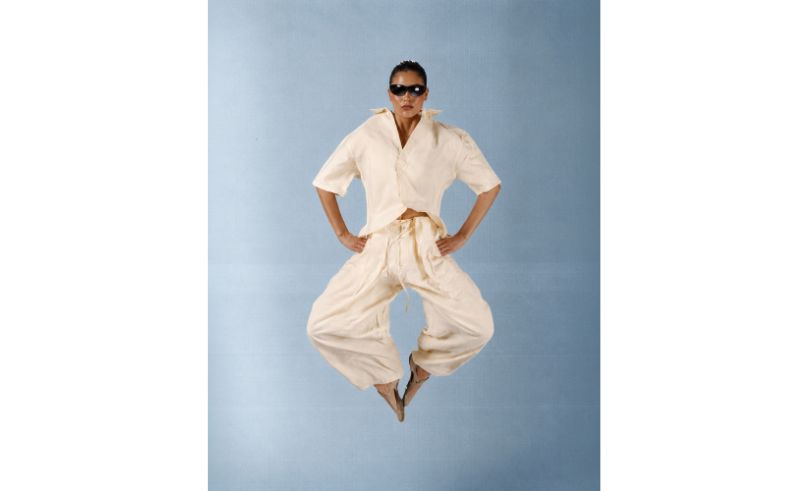
- Previous Article SceneNoise x Amsterdam Dance Event Present CROSSFADE: Egypt
- Next Article Saudi Archives Receive Nearly 50,000 Historical Documents