






Bag Brand jYANN’s is on a Mission to Regenerate Wool Craft in Morocco
JYANN is rebuilding Moroccan wool craft through research, regeneration, and social impact from source to studio.

Originally published on March 11th, 2026.
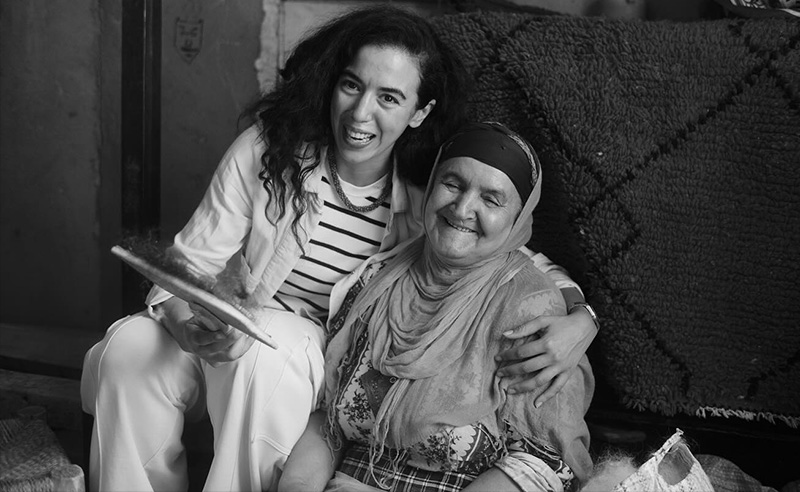
From the outskirts of Marrakech, where the Atlas Mountains blur into the horizon, jYANN is building something slower, denser, and far more deliberate than a fashion label. Positioned as a regenerative atelier dedicated to innovative wool craftsmanship, the brand was co-founded with a singular intention: “exploring, preserving and working in endangered craftsmanship,” its founder Jihane Boumediane explains.
Boumediane grew up watching her grandfather, Moulay Driss Boufares, captivate Moroccan and French society with his daily uniform of handcrafted traditional hats. That early exposure to ritual dress and artisanal precision stayed with her. Living in Morocco, where craft surrounds everyday life, she became increasingly aware that certain know-hows were slipping into obscurity, with less knowledge passed from one generation to the next.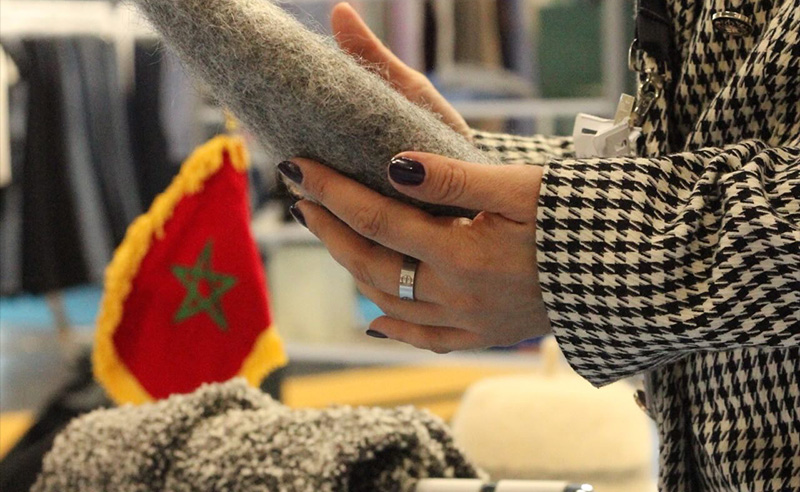 In response, she set out to anchor social impact at the core of jYANN. With a Ph.D. in management studies focused on innovation and sustainable craftsmanship, she approached entrepreneurship as fieldwork. “If I didn’t pick research what would be my added value?” she asks. Artisans hold the technicality; her role was to introduce structure, experimentation, and long-term strategy.
Wool became her choosen medium. “It’s one of the most sustainable raw materials in the world. It’s biodegradable… waterproof…” But jYANN isn’t driven by nostalgia. Regeneration, a word she returns to often, means not simply reviving tradition but rethinking process, quality, and context – “to bridge the gap between traditions and modernity to appeal to a new generation of consumers.”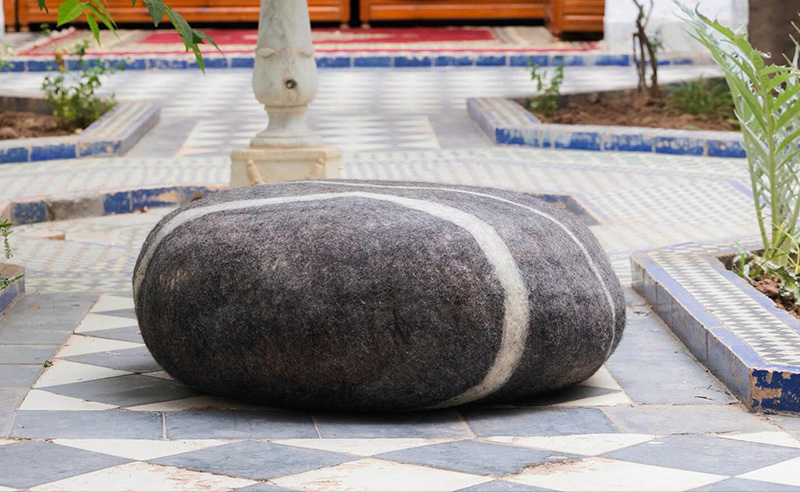 Regeneration begins at the source. The brand contracts farmers who meet strict animal-care standards, sourcing wool only from living sheep and collecting it each spring. In contrast to supply chains racing toward automation, jYANN keeps production fully manual, from the molding process till the finishing process, a single tote can take up to five days to complete. For Boumediane, sustainability is a chain reaction: “from the beginning of the supply chain until the end.” It includes locally sourced mineral and plant dyes – hibiscus, saffron, pomegranate leaves – and care guides that encourage longevity. “If you are in craftsmanship, you preserve. You don’t produce alone.”
But regeneration at jYANN is also social. Atelier spaces were expanded and restructured, and tables redesigned based on whether artisans prefer working seated or on the floor, a “luxury to choose what works best for each individual" Boumediane notes that stands in sharp contrast to the rigidity of a factory model.
Designs also resist the trend churn of the standard fashion system. “Getting inspired all the time you sometimes lose your identity,” she reflects. Especially since “wool felting is such a strong material, if you try to make it so bold, it's going to lose its value. Instead, we focus on simple designs, functionality, and let the fabric speak for itself.”
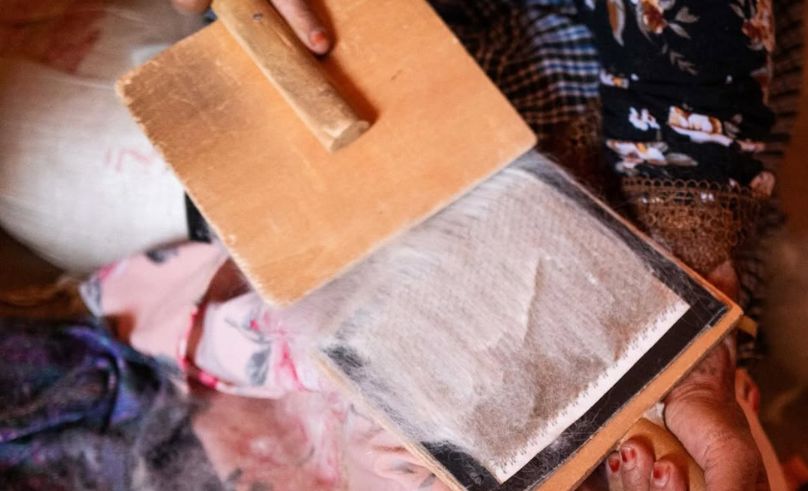 The challenge now is continuity. Training younger artisans has proven to be difficult. “Craftsmanship needs presence,” she says, noting the distractions of a hyper-digital generation. Yet jYANN continues ways to explore expanding the social impact of wool. As she shares, “we believe that when you achieve a milestone and you start to see the seeds of the first growing tree you have to move towards the other.” Soon, jYANN will expand wool felting into weaving, developing carpets and interior decor. “We want to nurture a know-how that can be useful anywhere, across design categories. We want customers to experience wool in all its different dimensions.”
- Previous Article FBI Returns 48 Smuggled Ancient Artefacts to Egypt
- Next Article Uzbek Manti Found a Home in Nasr City
Related Articles

Trending This Week
-

-

-
 Aug 16, 2026
 -