





Lebanon’s Hot Axis is Setting the Blueprint for MENA's Party Scene
We sat down with founders James Khoury and Ronald Hajjar to trace Hot Axis’ rise to one of the region’s leading nightlife powerhouses, and how they're keeping the scene alive against odds.

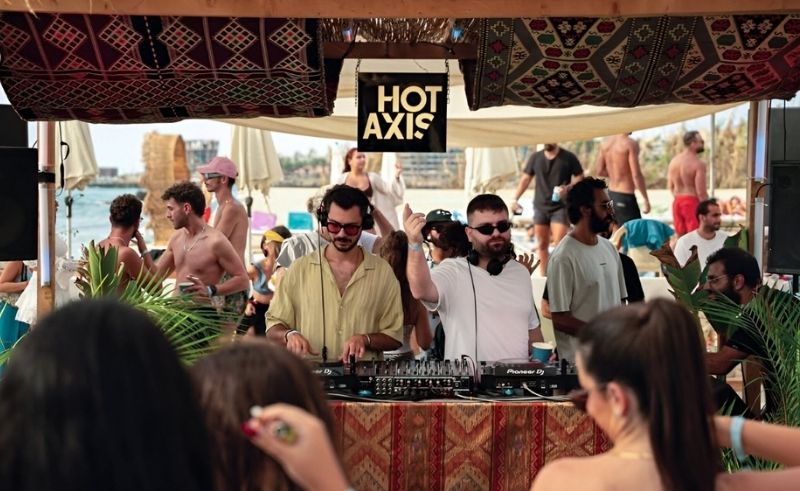
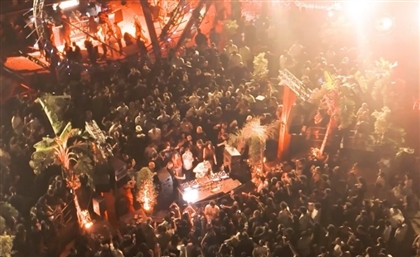
It’s no secret that Beirut doesn’t do half-measures when it comes to nightlife. Against the backdrop of political chaos, power cuts, and the economy in freefall, the city still manages to pulse with music till dawn, its dancefloors becoming sanctuaries for a generation that needs release. That spirit is what very much drives Hot Axis, a Beirut-based collective that is currently shaping the future of the electronic nightlife scene in the region.
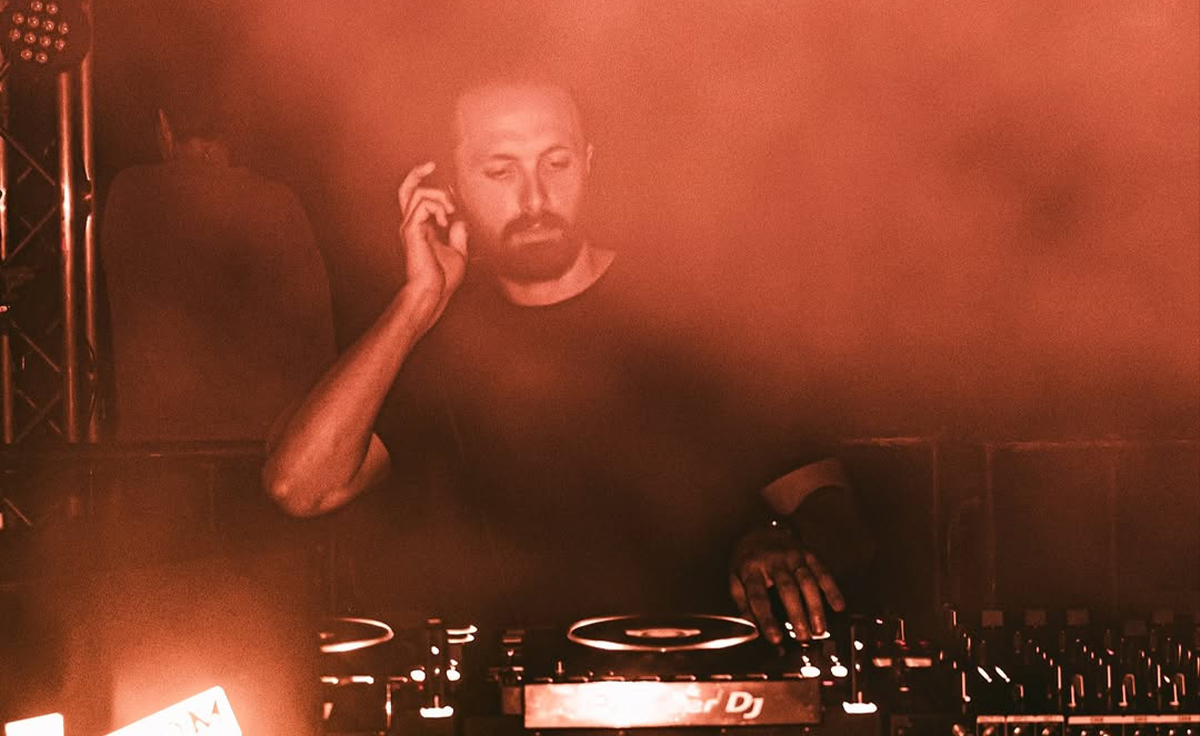
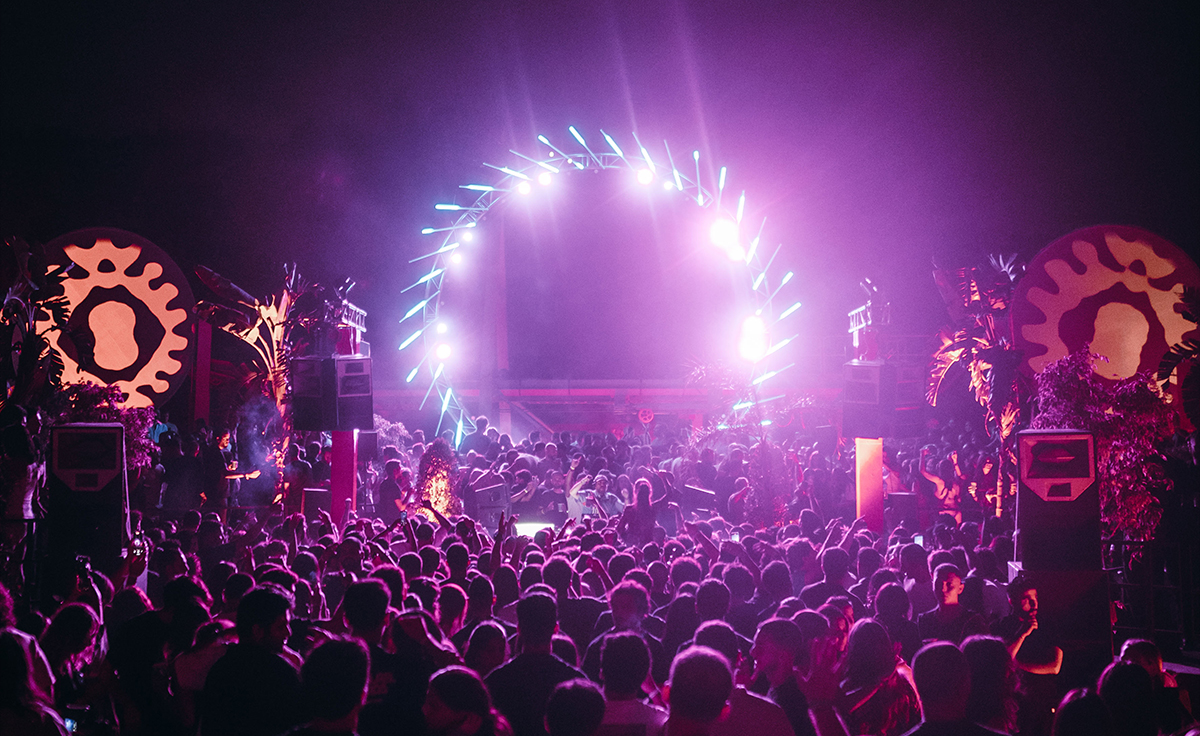
But at its core, the collective is a humble group of party organizers, self-proclaimed professional ravers-turned-entrepreneurs, who decided at one point during COVID to build something bigger than one-off events. And so now, a few years later, they have grown into one of the region’s most ambitious nightlife engines. From artist bookings and production to operations and marketing, the crew has built an ecosystem that powers some of the region’s most recognised party concepts and festivals, including retrogroove, Somewhere…, Aegis Festival, and Lovescape, along with a roster of prominent DJs under their agency, the likes of Misty, Rolbac, Nic Merheb and more.
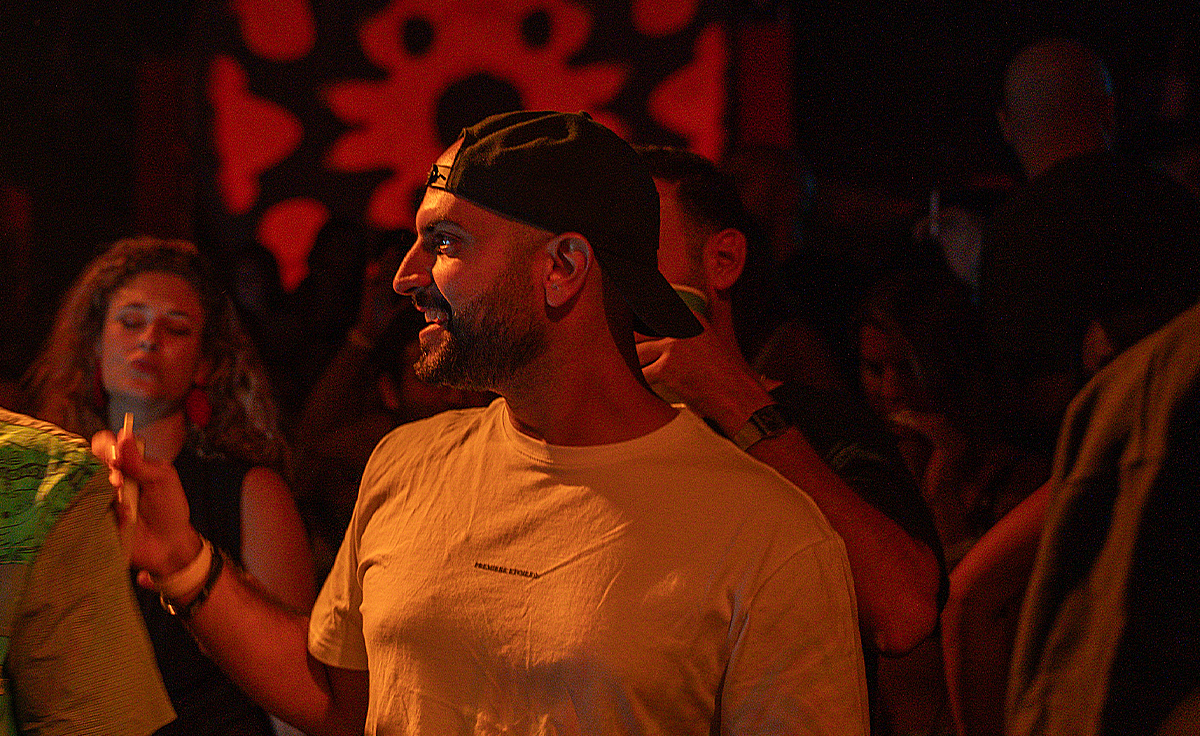
We sat down with founders James Khoury and Ronald Hajjar to trace Hot Axis’ rise, from a consolidation of party brands to one of the region’s leading nightlife powerhouses, and how they’re keeping the scene alive against the odds.
How would you describe Hot Axis to someone who’s never heard of it?
James: Hot Axis is an entertainment powerhouse that connects audiences, artists, and brands under one umbrella, shaping experiences on and off the dancefloor.
Ronald: At the core, we’re a group of nightlife enthusiasts and entrepreneurs who live and breathe music and events. What we do is create dancefloor experiences across the region, and moments that stick. Our drive has always been about building communities around music, and shaping the scene.
What was the original vision when you started Hot Axis, and how did you evolve it over time?
James: Ronald, Ralph Nasr, and I had been working in nightlife for years, each with our own brands. The idea was simple: if we consolidated under one entity, we’d be able to push harder, reach further, and actually build something sustainable. Hot Axis became that platform, a way to showcase what we know and what we do best, while giving the brands the backbone they need to grow.
Ronald: The vision was always to create a structure in an industry that often thrives on chaos. We wanted to build an entity that gathered different types of expertise, bookings, production, operations, marketing, and channel that energy in one engine. Over time, that structure gave us the strength to expand on a regional level.
From your perspective, what makes Hot Axis different from other agencies or event producers across the region?
James: It really comes down to the team. Each of us has a different angle and certain type of expertise in nightlife, and when you put that together, it shows. We’re not just chasing numbers, we have a vision and ideas that go beyond the commercial side of this industry.
Ronald: The difference is our structure and in how we approach nightlife, and events in general. We don’t just follow the trends; we carve out a space that reflects the sound, the atmosphere, and the values we stand for, which are specific to every brand.
Our focus is on curating experiences that feel intentional, safe spaces, strong communities, and music that speaks to the right crowd.

Can you walk me through your process, how does an idea go from a concept to a full Hot Axis event?
James: Every event starts with the brand. Each one has its own character, and we build everything around that, from the communications to the bookings, to the venue, down to the details of the onsite experience. The brand is the compass.
Ronald: We pay close attention to what our community wants. What they want to hear, how they want to party, what feels right for them. The event grows out of that dialogue, and that’s how we keep it authentic.
You’re working across boutique gatherings and festival-scale productions. How do you decide what to invest in, and how do you balance experimenting with maintaining the Hot Axis feel?
James: We always weigh things like demand, budget, partners, and operational risk, but most importantly, we check if it aligns with the brand. We’ll test new ideas within clear limits, but if it doesn’t serve the crowd or the artist, we let it go.
Ronald: The common thread is trust. People trust that what we put out will make sense. We can experiment, as long as the flow is honest and the sound stays true.
Hot Axis has a roster of local and regional artists. How do you discover and select them?
James: Skills matter, of course, but so does having a sound that connects with crowds. We look at experience, how the industry responds to them, and if we feel their style adds something to the scene. For us, production and releases is also a key factor in our selection.
Ronald: For me, it’s about storytelling. We look for DJs who can read a room and take it somewhere without being loud about it. If someone can shift the mood with subtle choices and still move the crowd, that’s when we know they belong with us.
How do you support artists beyond bookings?
James: We step in with content, positioning, and smart routing to help them grow beyond the local market. It’s about building careers, not just sets. We work with them a lot on their music, productions and align with them on every aspect of their career.
Ronald: And our brands themselves act as platforms. They give artists the right stage to showcase their sound in front of the right audience, backed by the solid structure and team we have built.
Each concept has its own audience. How do you keep them unique but still tied to Hot Axis?
James: Each brand is a promise. retrogroove is warm, groove-driven energy, somewhere…is about beauty in simplicity, Aegis is where art meets music on a large scale. What ties them together is the consistency, safe spaces, sound quality, flow, and the sense of community that people feel when they’re there.
Ronald: I see it like one house with many rooms. Each room has its own mood, its own tempo, but the handwriting is the same. That’s why people move between our brands so easily, they know the essence and the right intentions are there.
You’ve taken Hot Axis across the region and to Europe. How do you make sure the brand essence stays intact internationally?
James: We only partner with people who understand our approach, and we choose venues that align with each brand. We don’t copy-paste events; we adapt to each city, making sure it fits the context.
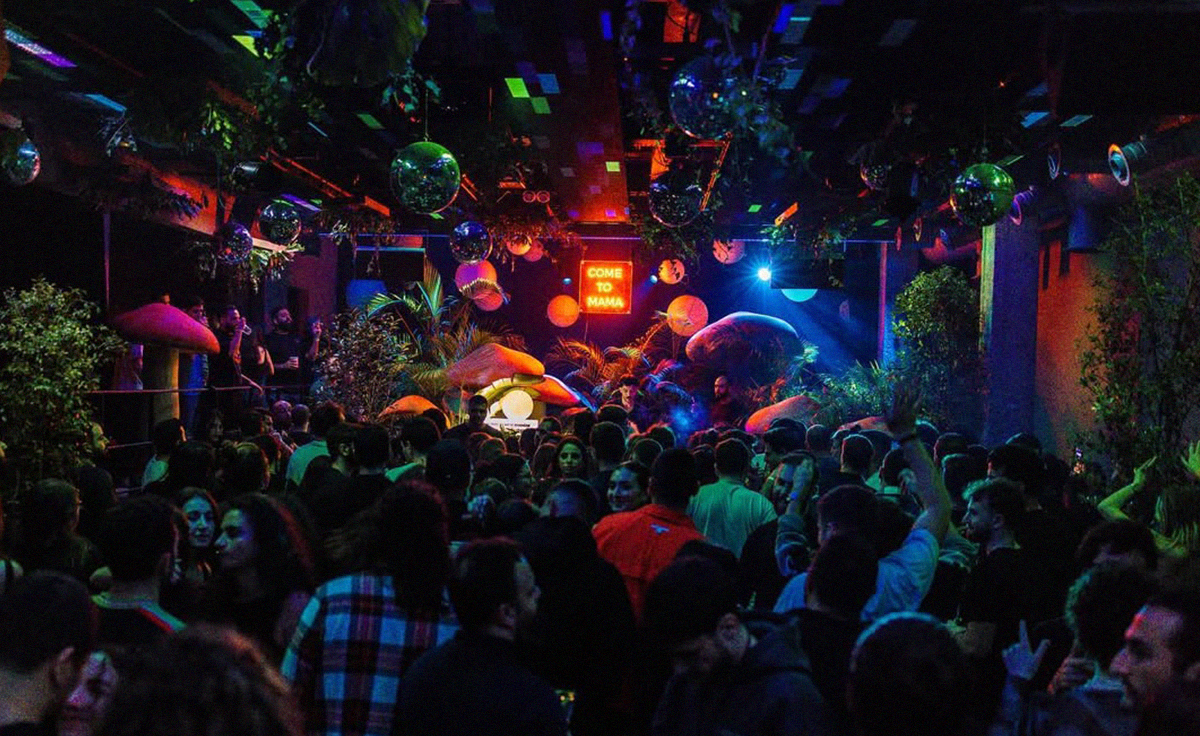
Ronald: What we bring abroad isn’t just a name or a logo, it’s our way of doing things. Whether it’s Beirut, Dubai, Paris or Barcelona, the same care goes into the timing, the sound, and the welcome people get at the door.
What has been the most challenging event to produce, and why?
James: Festivals, without doubt. The complexity is another level, especially in Lebanon without political instability and uncertainty. Months of preparation go into creating something seamless, and while it’s exhausting, the reward is seeing it all come alive.
You’re handling bookings, production, design, branding…how do you juggle being both the creative minds and business side?
James: We draw clear lines. Creativity drives the story, operations keep it practical, finance secures the future. We come together on facts and leave egos out of it.
Ronald: It’s about balance. You can’t kill the spark, but you can’t ignore the numbers either. Both matter equally if you want to last in this game. We have a lot of internal debates over those topics, and try to end it with a constructive plan that feeds both sides.
How do you stay flexible in such a volatile political and economic climate, and keep growing?
James: We run through ‘what if’ scenarios before every show, so we’re ready for changes. Risk assessment is constant. At the end of the day, people crave experiences that let them escape and express themselves, and that need keeps our community coming back.
Ronald: Adaptability is the only way through. Things will go wrong, and you have to be ready to pivot while making sure the crowd never feels the difference.
How do you measure success?
James: From a business standpoint, yes, it’s the numbers. But numbers don’t mean much if people aren’t coming back. The real success is in the energy of the dancefloor, the smiles, and the feedback we hear after the night is over.
Ronald: For me it’s simple, if the next morning people are asking, “When’s the next party?” That's when we know we’ve done it right.