





10 Years of Feedasoul: Shifting MENA Dance Music from Import to Export
Lebanese DJ, producer and founder of Feedasoul Records, Patrick Nakhili reflects on the label's evolution over the past decade.
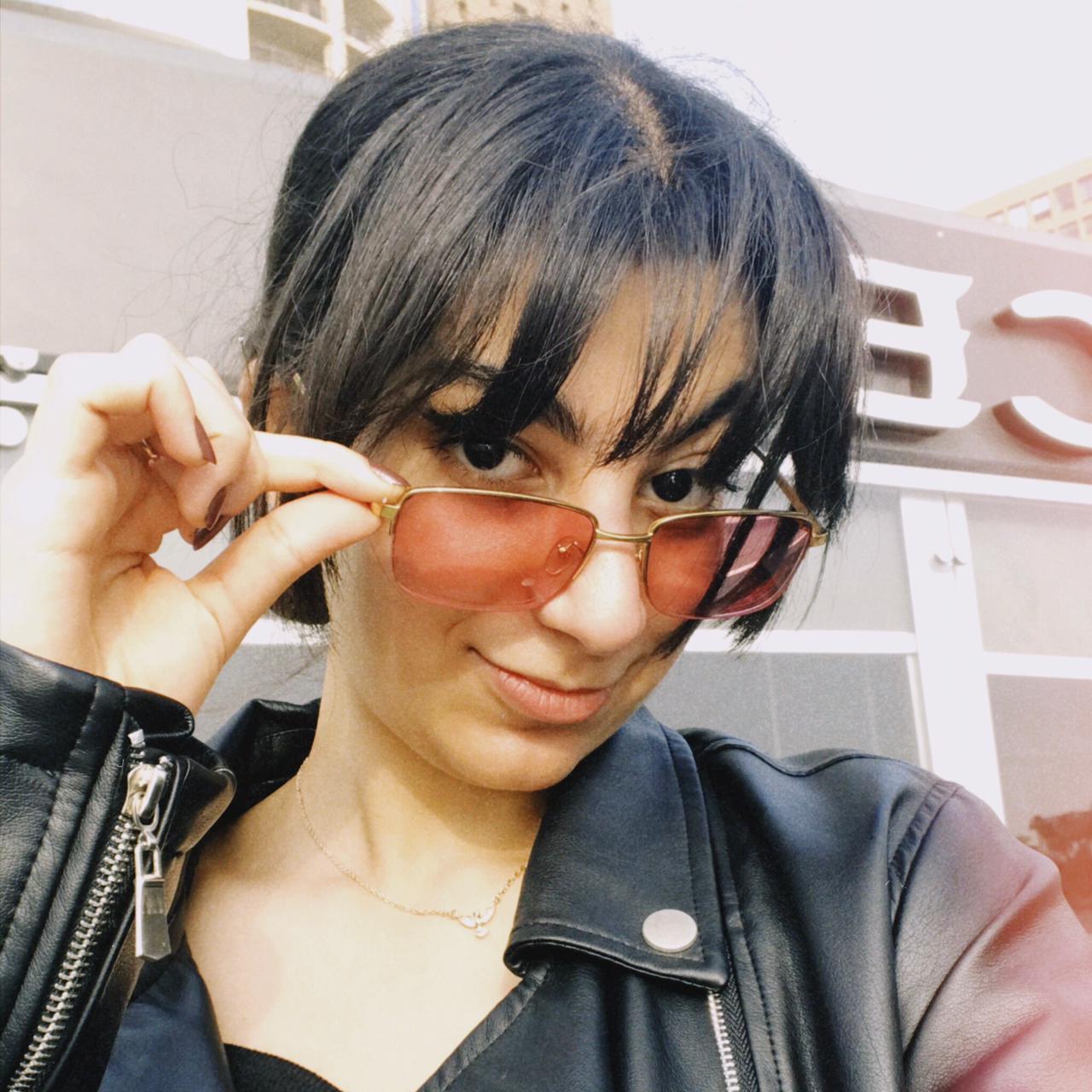
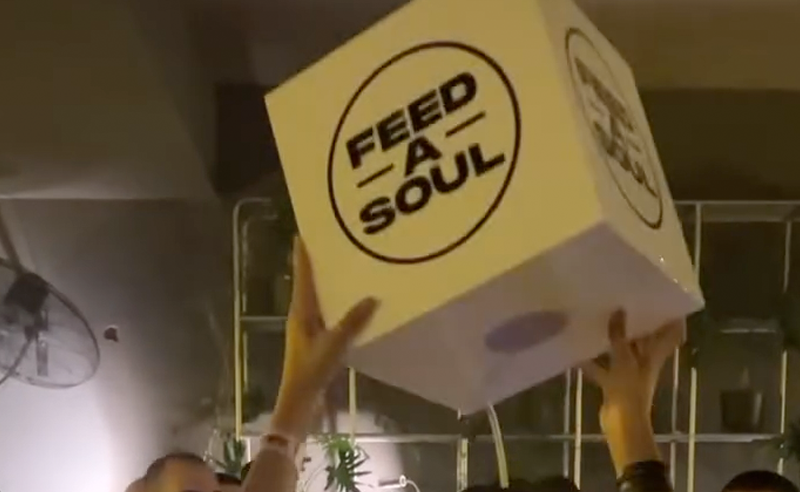
Ten years doesn’t fit on a fifteen-track record, but Feedasoul’s new 10-Year VA compilation album makes a defining statement about where the Middle East's electronic music scene stands today. The milestone album brings together veteran family members and fresh regional voices, serving less as a nostalgic look back and more as a reflection on how a humble project from Byblos reshaped the region's house music ecosystem.
"This record isn't a summary of ten years," says co-founder Patrik Nakhili. "It's a snapshot of where we are and the people carrying it forward. What we want people to see isn't that Feedasoul made a good compilation. It's where the region's electronic scene is at today. That decade taught me where the line is. You listen objectively, but you also build a relationship, because without one you can't help direct anything. And directing is delicate. You want to pull someone toward what the label is without pulling them away from themselves."
Named after a real local municipal sign erected in the old souk of Byblos after the label founders spent a summer blasting underground music in the town square, Feedasoul’s 10-Year compilation features original productions from the likes of Gharam Electric, Monokultur, Awadly & Messery, Romax, Rolbac and more - capturing the evolution of the electronic scene and where it is today, and standing in stark contrast to the landscape in which the label first emerged.
In Lebanon circa 2016, if you were a producer making house music, the options were stark: send your demos to labels in Berlin or London and pray for a reply, or let them gather digital dust. Despite house music having a long-standing footprint across the Middle East at the time, the global electronic trends were quickly shifting toward harder, faster techno. And so, the region’s warmer, soulful sounds got scattered and forgotten, a gap that Feedasoul would soon come to take the first steps in filling.
Yet, the initial plan for Patrick when he launched Feedasoul Records wasn't a grand venture to fix the industry. It began as an unscripted conversation in a small coffee shop between him and his friends, who were similarly obsessed with electronic music. “There wasn’t much of a plan,” recalls Nakhili, who co-founded the label alongside fellow DJ Majd Al Alam. “Majd said, ‘Let’s start a label'. That was that. But the gap was real. We didn’t think a label would fix anything. We just wanted somewhere to put the music we loved.”
Unlike the bustling, highly competitive nightlife ecosystem of Beirut, Feedasoul’s roots were planted miles north in Byblos. The ancient coastal city had virtually no house music scene to speak of, a detail that proved crucial to the label’s foundational identity.
"Nothing existed in Byblos as far as house music goes. That's exactly why we had to make something," Nakhili reflects. "The town's lack gave us the thing we wanted, or rather it meant we had to give it to ourselves. It also gave us a small room and nothing to do but listen. We weren't part of a scene; we were making one for ourselves, and that forces you to be sure about what you like. I honestly don't know who we'd have become if we'd been part of Beirut's scene. Byblos is home, and it made us curious enough to go looking for our own thing."
Over the past decade, Feedasoul’s catalogue has casually drifted across house, soul, funk, jazz, disco, lo-fi and underground sounds, yet the underlying DNA remains instantly recognisable. For Nakhili, defining the label’s signature sound comes down to feeling over strict genres.
"House was the headline, soul was the essence," he explains. "If we break it down: warm chords that keep a stiff beat human. A bit of swing against the 4/4. A dusty sample carrying something a splice sample pack never will."
While early digital releases established their aesthetic, it was Feedasoul’s debut 12-inch vinyl release in 2020, House For The Soul, that marked a permanent turning point. "Six years on, it still slaps," Nakhili says. "That's where the vision got clearer, and we got locked in, pun intended."
As Feedasoul matured, its scope expanded beyond Lebanon into an international network connecting regional talent with global artists. Yet this expansion revealed a frustrating dynamic within the Arab world’s music landscape: exceptional talent existed, but a pervasive lack of trust kept it underground.
"We'd approach regional artists, and they'd be stoked, like they'd been waiting for someone to ask. That always struck me as strange. Why were they waiting?" Nakhili asks. "Some of it was not trusting a regional label to do the job properly. Some of it was fear of being judged. So our role changed. It became about making artists feel safe enough to send the music, and earning the trust that we'd push it properly. The lack was no longer in the talent or the platforms. It became in the communication and trust between the two."
With Lebanon facing severe economic collapse, political unrest, and widespread upheaval, the core Feedasoul team eventually scattered across the globe; Majd moved to the US and later Greece, while Jad relocated to Dubai, where Nakhili eventually joined him. Party operations took a backseat, and the team channelled everything into maintaining a consistent release schedule amid existential doubts.
"For a while it felt wrong. You feel guilty putting out music while people are suffering," Nakhili admits. "Then it clicked that the thing that looks like celebration for some is also expression or coping for others. That's why artists make anything at all. After that, we stopped questioning whether to keep going. We couldn't change what was happening. We could help people express it and get it heard. That felt like the least we could do."
That perseverance has shifted the balance from importing global culture to exporting local artistry. "We consume far more music than we supply," Nakhili notes. "We want to contribute to the export rather than the import. House didn't come from here, but if more producers in the region are making it and pushing each other, eventually something comes out that's ours. So it is more of an invite than a 'look at what we can do.'"
A decade of managing an independent label with slim profit margins fundamentally reshapes how one listens to music. Before starting out, Nakhili assumed the hardest part would be sourcing great tracks.
"The hard part is getting people to believe their music is worth sharing, and not be afraid of feedback," he quips. "What doesn’t kill you makes you change your snare."
As Feedasoul steps into its second decade, the imprint is doubling down on its founding intention: nurturing Middle Eastern producers while maintaining cross-border bridges.
"We won't stop signing artists from outside. We owe a lot to people abroad who trusted us early, and the bridge works both ways," Nakhili says. "Mostly we want to keep doing this as long as we can do it well, and make a real difference in a few artists' careers along the way." Through every crisis, relocation, and shifting industry trend, Feedasoul's core test for a record remains unshakeable: "It's gotta move you, make you feel something, you know? That won't change ever!"
Related Articles
Trending This Week
-

-
-
 Oct 30, 2026
-