




Egypt to Raise Health Spending by 25% in 2026/2027 Plan
The government's new development plan also increases allocations for education, utilities and social housing.

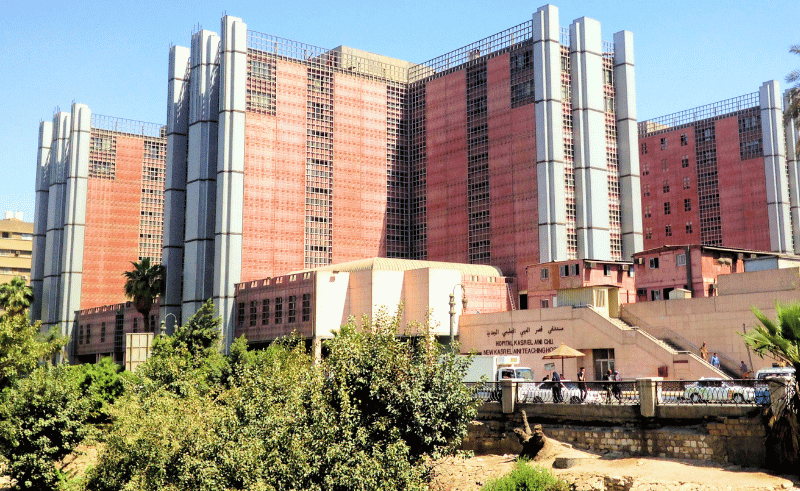
The Ministry of Planning and Economic Development has announced increases in spending on health, education and essential services as part of Egypt's 2026/2027 economic and social development plan.
Presented by Minister Ahmed Rostom during a Senate session chaired by Essam El-Din Farid, the plan raises health allocations by 25%, pre-university education spending by 11.5% and higher education allocations by 11%.
Spending on utilities, drinking water and sanitation will increase by 22%, while social housing allocations will rise by 21%. According to the ministry, total investments under the plan are projected to reach EGP 3.7 trillion. The private sector is expected to account for EGP 2.2 trillion, or 59% of total investments, while the public sector will contribute EGP 1.5 trillion.
The investment-to-GDP ratio is projected at approximately 17%. The ministry said measures aimed at regulating public investments and rationalising spending have supported continued growth in private investment and expanded the role of the private sector in economic activity.
Key priorities outlined in the plan include completing the first phase and launching the second phase of the 'Hayah Kareema' rural development initiative, accelerating the implementation of the universal health insurance system and strengthening energy security, food security and human capital development.
According to the ministry, the plan seeks to improve the quality of services available to citizens while boosting productivity and economic growth across sectors, with health, education and basic services receiving particular emphasis.
The ministry added that the plan balances support for productive sectors and private investment in areas such as industry, agriculture and communications with a social protection approach aimed at ensuring equitable distribution.
Despite ongoing pressures on global supply chains and inflation, it said the government had opted to expand investment in human development rather than reduce it.
- Previous Article SceneNoise x Amsterdam Dance Event Present CROSSFADE: Egypt
- Next Article Koffee Kulture Just Dropped a Summer Smoothie Lineup
Related Articles

Trending This Week
-
-
-
 Oct 24, 2026
 -