From entertainment hubs to heritage districts, these projects show how Saudi Arabia is rethinking urban development.
Saudi Arabia is entering a new phase of city-building. Under Vision 2030, large-scale developments are being designed as fully integrated urban environments — places meant to be lived in, worked in, and experienced — rather than standalone attractions. Ranging from heritage-focused districts and coastal resort cities to dense urban centres and experimental new formats, the projects below illustrate how the Kingdom is using city-building as a tool to reshape its future...
Qiddiya City
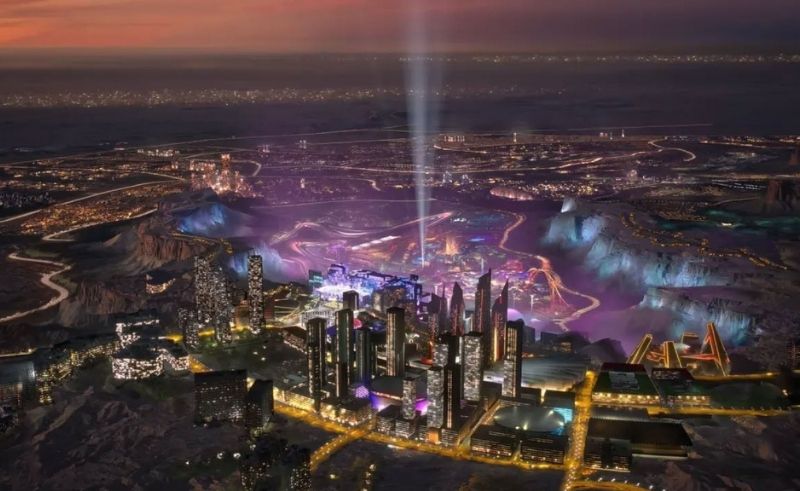
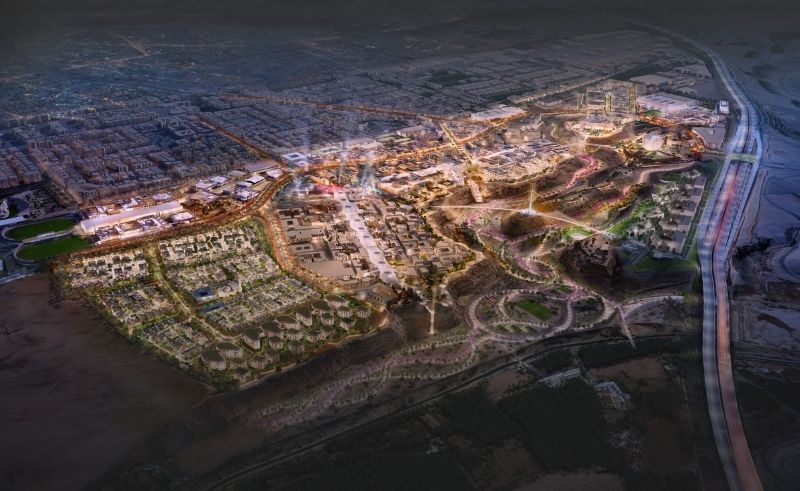
Positioned as Saudi Arabia’s capital of entertainment, sports, and culture, Qiddiya City is an all-in-one destination designed for spectacle.
The city will feature theme parks, sports arenas, concert venues, racetracks, film studios, golf courses, a gaming and esports district, and the Mercedes-AMG World of Performance, offering immersive automotive experiences. It will also house sports and arts academies, reinforcing its role as a youth-driven city.
With Six Flags Qiddiya already operating, the city aims to provide Saudi youth with new opportunities, targeting 67% of residents under the age of 35. Beyond international tourism, Qiddiya is designed to become a vibrant domestic destination — a place where Saudis can spend their holidays without leaving the Kingdom.
Amaala
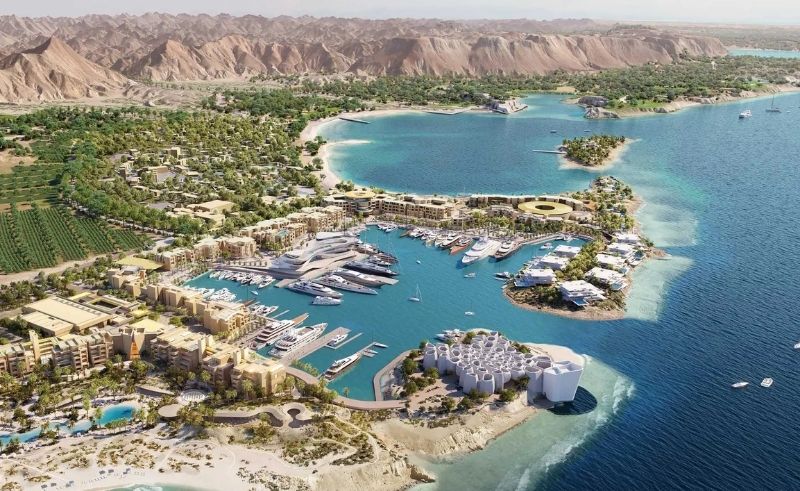
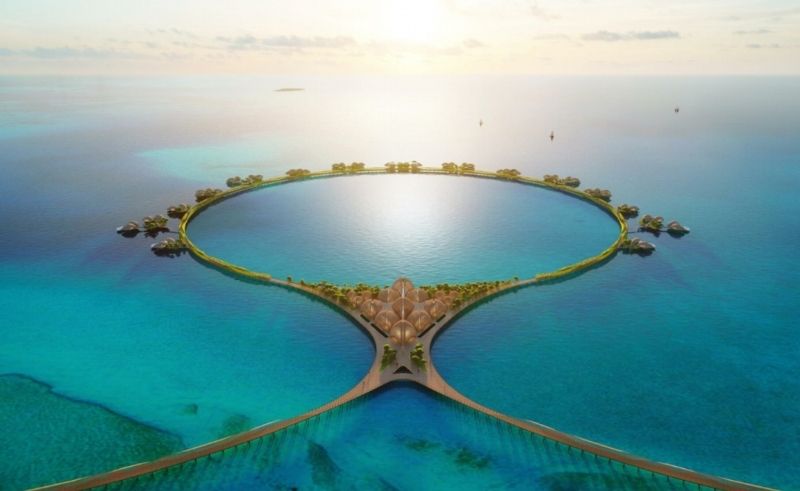
Set along the pristine Red Sea coast in north-west Saudi Arabia, Amaala is a luxury tourism destination inspired by the energy and tranquillity of the sea.
Designed as a year-round wellness and lifestyle retreat, Amaala will operate on 100% renewable energy, achieve a zero-carbon footprint, and send no waste to landfills. The destination is scheduled to open by 2026 the first six of its 31 resorts, alongside the Amaala Yacht Club and the Corallium Marine Life Institute positioning it as one of the most sustainability-driven luxury destinations in the world.
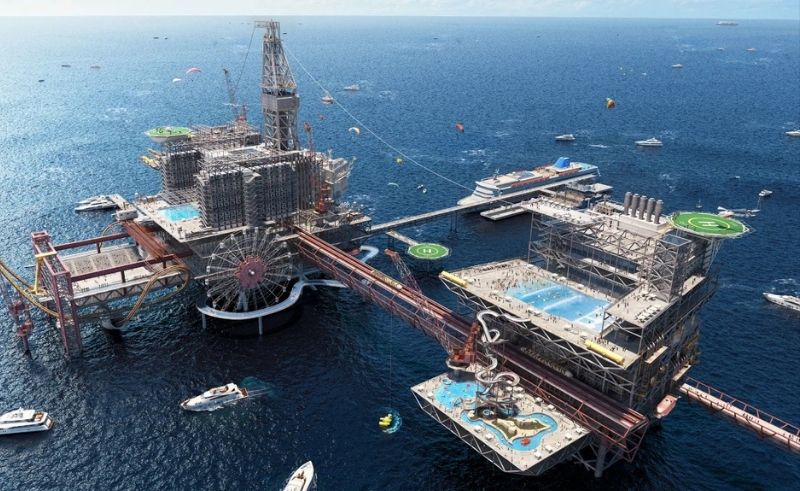
THE RIG
become the world’s first adventure tourism destination built on an offshore platform.
Located in the Arabian Gulf, the project will include over 70 attractions, ranging from extreme adventure sports and an offshore amusement park to the world’s first immersive cinema on a repurposed jack-up rig. Additional features include diving centres, helipads, esports zones, retail, a marina, and experiences both above and below sea level. At peak season, THE RIG will be able to welcome up to 10,000 visitors per day, offering the perfect experience to spend the day or stay overnight across its three on-platform hotels.
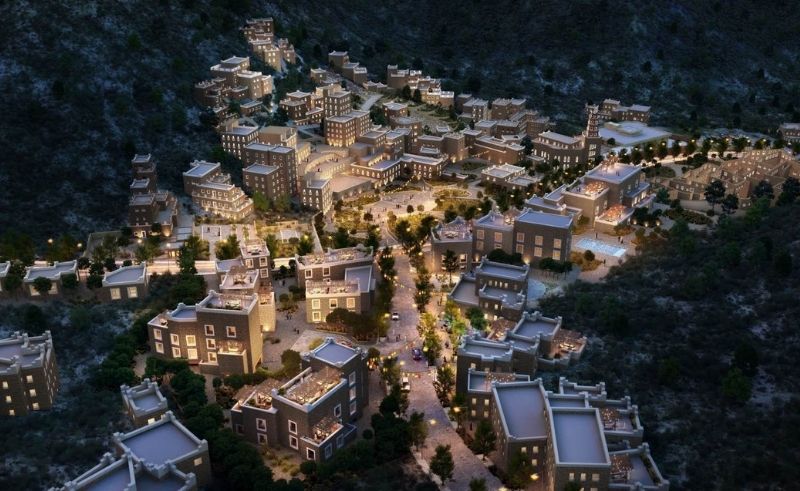
Soudah Peaks
Perched on the Kingdom’s highest peak at 3,015 metres above sea level, Soudah Peaks is a luxury mountain tourism destination unlike anything else in Saudi Arabia.
By 2033, the development will include 2,700 hotel rooms and suites, 1,336 residential units, and 80,000 square metres of commercial space, with the first phase scheduled to open by 2027. Designed to preserve the culture and heritage of Soudah and Rijal Almaa, the destination blends natural beauty, architecture, and high-altitude living – quite literally above the clouds.
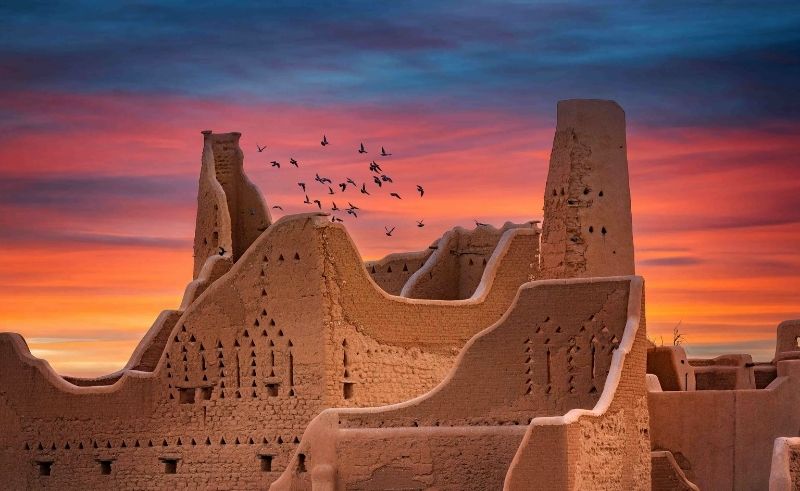
Diriyah
The birthplace of the Kingdom and Saudi Arabia’s first capital, Diriyah is a beautifully preserved mud-brick city with more than 600 years of authentic Najdi history and culture.
Diriyah is being transformed into a fully walkable heritage city, offering places to live, work, shop, dine, and explore – all while celebrating Saudi identity. The development surrounds At-Turaif, a UNESCO World Heritage Site, positioning Diriyah as a global cultural destination rooted in history rather than spectacle.
NEOM
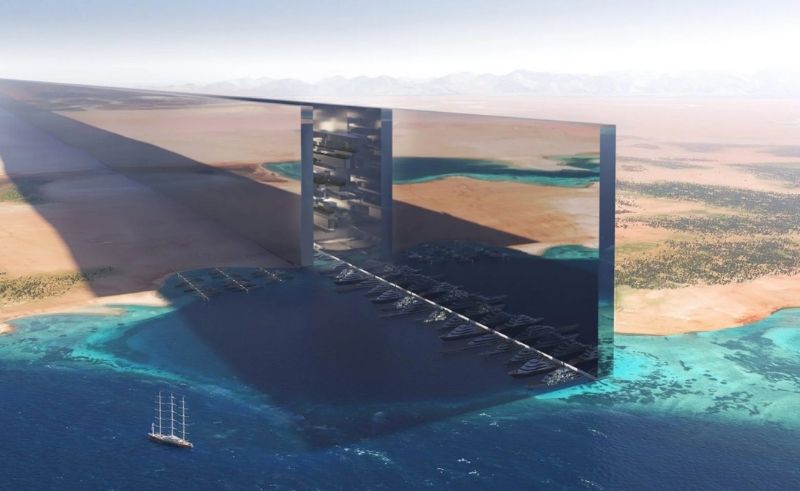
NEOM is set to transform Saudi Arabia’s Red Sea coast into a futuristic global hub and one of the world’s most ambitious development projects. It brings together four groundbreaking destinations, each redefining a different aspect of urban life. The Line, its most radical and debated concept, reimagines the city as a revolutionary linear form. Oxagon is planned to become a floating and coastal industrial city positioned at the crossroads of three continents. While in the mountains, Trojena is set to become a year-round global destination for outdoor adventure and alpine sports. Completing the vision is Sindalah, a luxury island retreat where nature, sustainable design, and cutting-edge technology seamlessly converge.
New Murabba
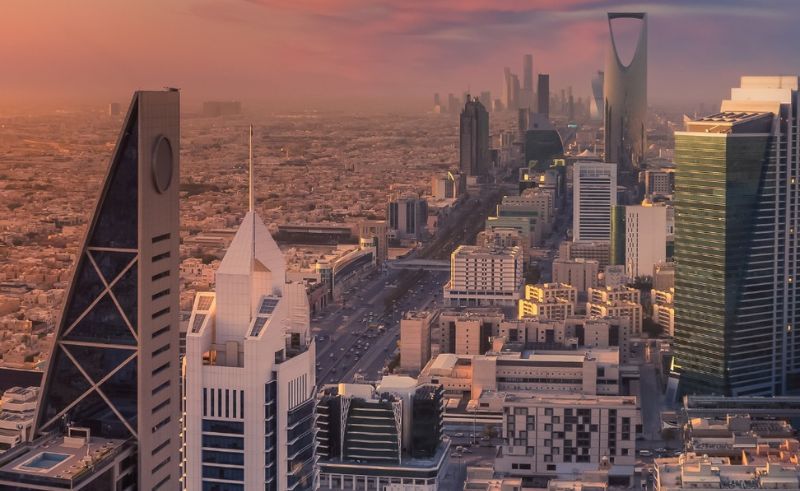
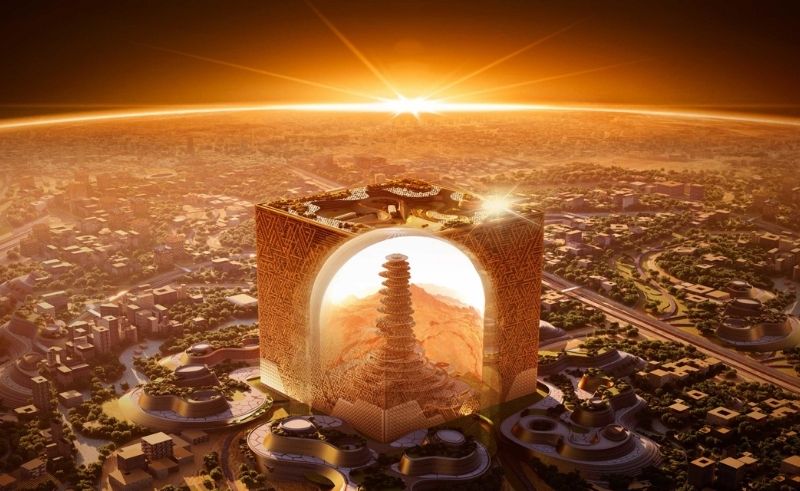
Designed to be one of the largest modern downtowns in the world, New Murabba will become Riyadh’s new central district, spanning over 25 million square metres of floor area.
At its heart sits The Mukaab, a monumental 400m tall, long and wide cubic structure that will house cultural, entertainment, retail, and hospitality spaces. The development will include over 100,000 residential units, redefining Riyadh’s skyline and establishing a new model for large-scale urban living.
The Red Sea
The Red Sea project is transforming Saudi Arabia’s untouched western coastline into a world-class sustainable tourism destination.
Spanning 90 pristine islands, with 75% preserved for conservation, the destination will operate entirely on renewable energy. Upon completion in 2030, it will feature 50 hotels with 8,000 rooms and 1,000 residential properties.
Shura Island will act as the central hub, while Ummahat Islands will host ultra-luxury private resorts and Sheybarah Island is already iconic for its stainless-steel overwater villas. Inland, Desert Rock will offer a dramatic mountain resort carved into stone, with villas and hotel rooms integrated directly into the rock formations.
Mohammed bin Salman Non-Profit City
Mohammed bin Salman Non-Profit City, also known as Misk City, is the world’s first non-profit city, dedicated to youth empowerment, innovation, volunteerism, and community leadership. Designed to host the ecosystem of the Mohammed bin Salman Foundation, Misk Foundation, the city is planned as a digital, walkable, and sustainable environment.
More than 44% of the city is dedicated to green open spaces, reinforcing its focus on human-centred living and social impact rather than commercial profit.
AlUla
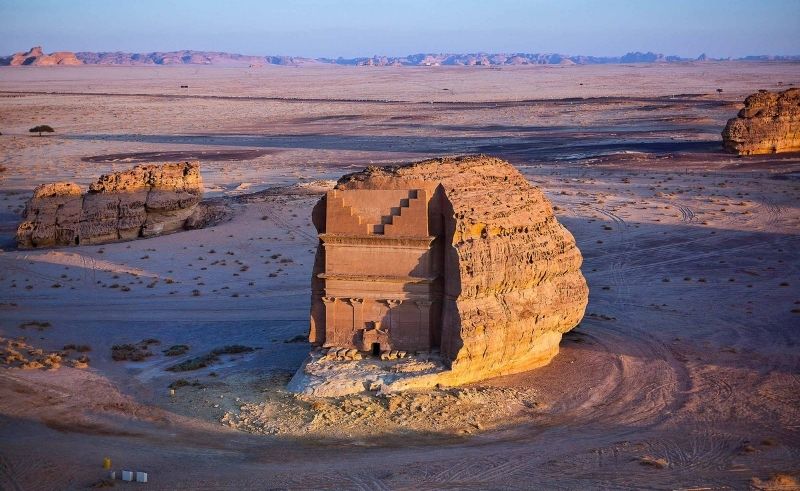
Home to more than 200,000 years of largely unexplored human history, AlUla is defined by dramatic mountains, canyons, and Hegra — Saudi Arabia’s first UNESCO World Heritage Site, featuring over 100 Nabataean tombs carved into sandstone cliffs.
With eco-luxury hotels, an expanded international airport, world-class art festivals, and cultural programming, AlUla has been transformed into a global cultural destination. It attracted over 500,000 visitors across 2024 and 2025, with plans to welcome more than 1 million visitors annually by 2030.





 Mar 30, 2026