





Beyond the Grand Mosques: Here Are Some of Saudi's Significant Mosques
Beyond the Grand Mosques, these historic sites reveal key moments in early Islam – marking faith, change and the foundations of a growing Muslim community.
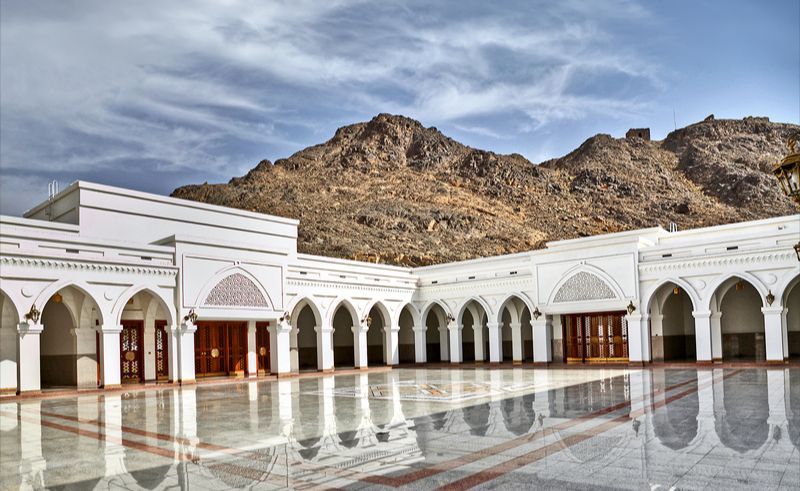
We all know the Grand Mosques of Mecca and Madinah, the heart of Islamic worship and pilgrimage. But Saudi Arabia is also home to lesser-known mosques that carry deep religious and historical significance.
These often-overlooked sites mark key moments in early Islamic history, places where pivotal changes in religious practice occurred and the foundations of the Muslim community took shape. Some are tied to the life of the Prophet Muhammad, while others reflect how communal worship evolved over time. Those sites hold stories of migration, faith and community.
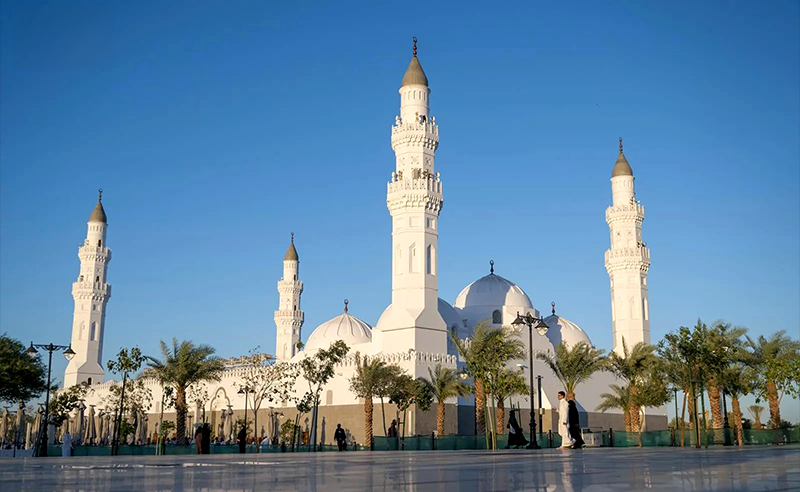
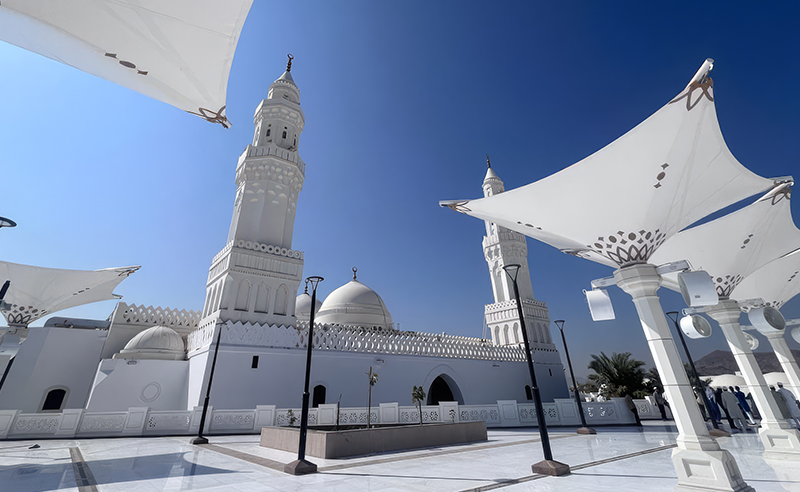
- Quba Mosque
Founded by Prophet Muhammad in 622 CE (1 AH) following his migration from Mecca to Madinah, Quba Mosque is widely regarded as the oldest mosque in Islam. Located just 3.5 km southwest of Al-Masjid an-Nabawi, it marks the very first space where a Muslim community gathered for prayer. More than its age, the mosque holds deep spiritual significance: praying here is believed to carry the reward of an Umrah, according to Islamic tradition. Today, its bright white domes and expansive courtyards stand as a quiet yet powerful reminder of the origins of Islamic worship, where faith, migration, and community first converged.
Masjid Al-Qiblatayn, Madinah
Set in Madinah, Masjid Al-Qiblatayn—literally “the mosque of the two qiblas”—marks a defining moment in Islamic history. It was here, during prayer, that a revelation instructed Prophet Muhammad and his companions to change the direction of prayer from Jerusalem to Mecca. The mosque stands as a physical reminder of this pivotal shift, symbolising both a literal and a spiritual reorientation.
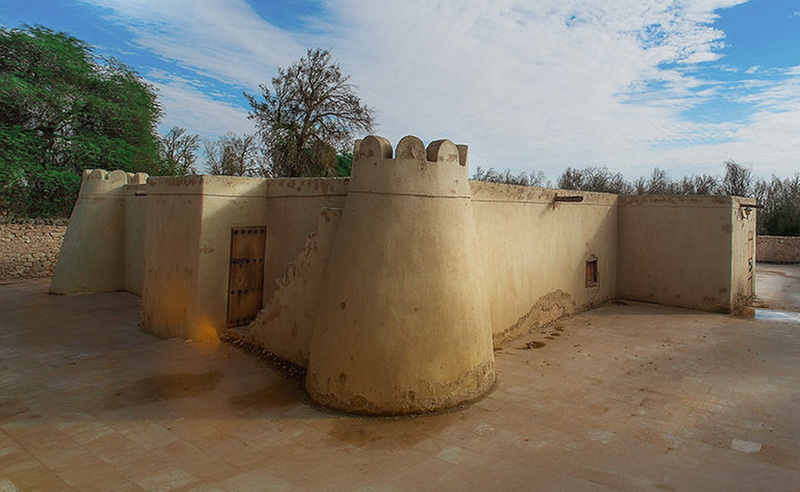
Jawatha Mosque, Al Ahsa
Tucked within the oasis region of Al Ahsa, Jawatha Mosque is among the earliest mosques in eastern Arabia, dating back to the 7th century. It holds particular historical significance as one of the first places where Friday prayers were established outside Madinah. Although modest in scale today, its enduring presence reflects the early spread of Islam beyond its original heartlands.
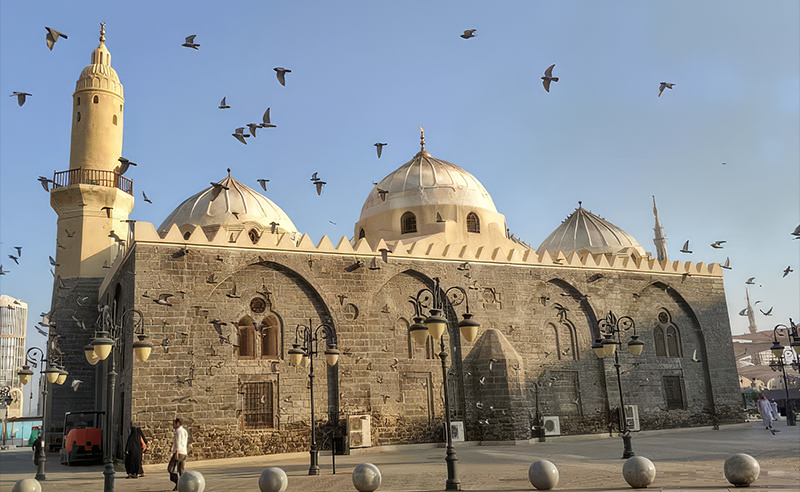
Al Ghamamah Mosque, Madinah
Just a short distance from Al-Masjid an-Nabawi, Al-Ghamamah Mosque is believed to mark the site where Prophet Muhammad performed the Salat Al-Istisqa (prayer for rain). Its name, “Al-Ghamamah,” meaning “the cloud”—is tied to accounts of a cloud shading the Prophet during prayer. With its Ottoman-era architecture and open surroundings, the mosque exudes a quiet, reflective atmosphere rooted in both history and legend.
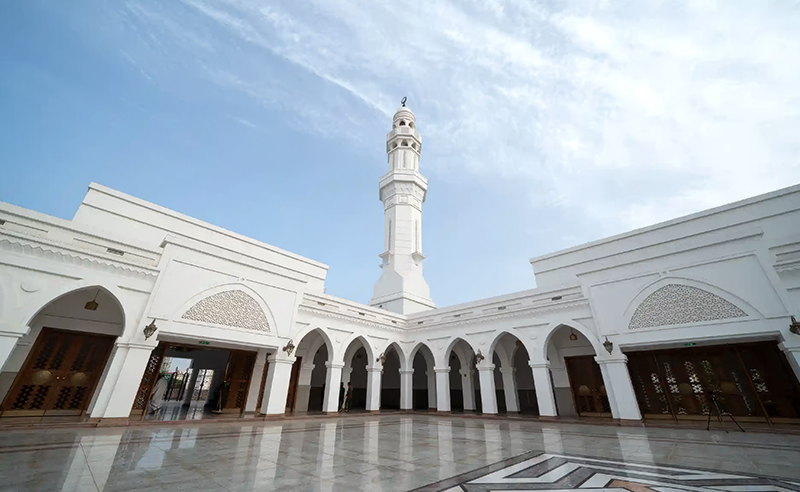
The Seven Mosques, Madinah
Known collectively as the Seven Mosques, this cluster of small historic mosques sits at the foot of Mount Sila and is closely linked to the events of the Battle of the Trench. Although not all survive today, the site includes mosques associated with key figures such as Salman al-Farsi, the religious Iranian companion.
Historically, the group referred to a smaller cluster of mosques, but nearby sites were later folded in, sometimes for convenience, sometimes due to proximity. Today, only a few of the original mosques remain. These small, simple structures hold significance primarily through their location, which continues to be associated with one of the key moments in early Islamic history.
- Previous Article Women's Football Academies Across the MENA Region
- Next Article Riyadh University of Arts to Open Applications in May
Related Articles

Trending This Week
-
-
 Mar 30, 2026
 -
-