





How Egypt is Boosting its Airports via Public-Private Partnerships
Egypt is revamping its airports through public-private partnerships and smart technology, aiming to boost tourism, attract investment, and modernize operations while keeping state ownership.

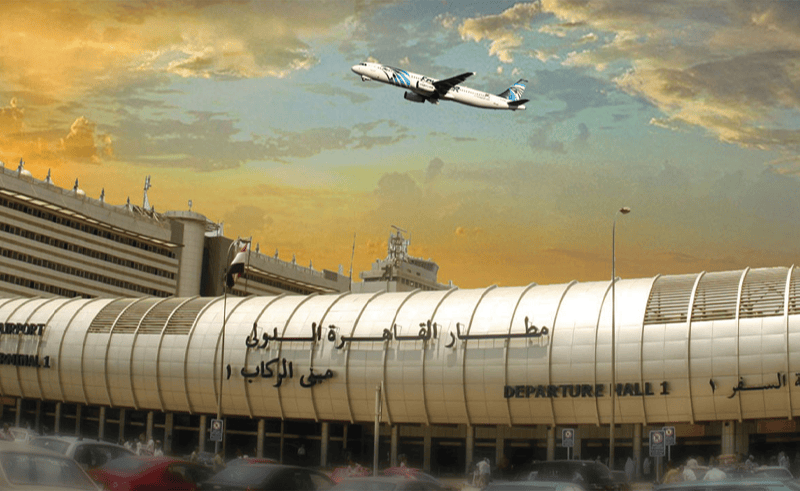
In one of Egypt's largest aviation infrastructure development programmes in decades, the state is rolling out a new national strategy to modernise its airport network, aiming to boost tourism, improve service quality, and attract foreign investment. The plan centres on public-private partnerships and digital transformation, allowing the private sector to help operate airports while the state retains ownership of these key assets.
In total, Egypt plans to involve the private sector in operating 11 airports around the country, starting with Hurghada International Airport, Egypt’s second-busiest airport in terms of air traffic. According to officials, developing Hurghada's airport is a key step towards increasing tourism in the Red Sea and meeting Egypt's 30 million tourists by 2030 target.
Passenger traffic across Egyptian airports has been rising steadily, driven by tourism growth and increased international connectivity, highlighting the need for more efficient and scalable airport operations.
Beyond management changes, the strategy places strong emphasis on smart technology. The Ministry of Civil Aviation has begun advanced talks with global aviation IT firm SITA to implement a comprehensive digital transformation plan for Egyptian airports, including e-booking systems, artificial intelligence applications, baggage tracking, self-service platforms, and enhanced cybersecurity.
These measures aim to improve traveller experience and position Egypt as a more competitive regional aviation hub, while also modernising airport services in line with international standards.
A key component of the plan is the proposed Terminal 4 at Cairo International Airport, which will nearly double the airport's passenger capacity to more than 60 million per year, and incorporate advanced technologies to support future growth. After this keystone USD 4.5 billion project, Egypt plans to double the passenger capacities of all the country’s airports, with particular emphasis on major tourism destinations such as Sharm El-Sheikh, Luxor, Aswan, Alamein, and Marsa Matrouh.
Officials and analysts view the airport strategy as part of broader economic reforms designed to encourage private investment while maintaining state control over strategic infrastructure. By combining investment, technology, and operational expertise, Egypt hopes to transform its airports into efficient, revenue-generating hubs that support tourism, trade, and long-term economic development.
- Previous Article Riyadh Mood Launches First Riyadh Season Record
- Next Article Inside Egypt’s Seven UNESCO World Heritage Sites