


Bahrain's Alaa Alaradi Kept Her Work a Secret Until She Won an Award
In the Q&A ahead, Alaradi shares with SceneStyled how her whole journey into design started, how FTA finally cracked the secret open, and what shifted after the win.
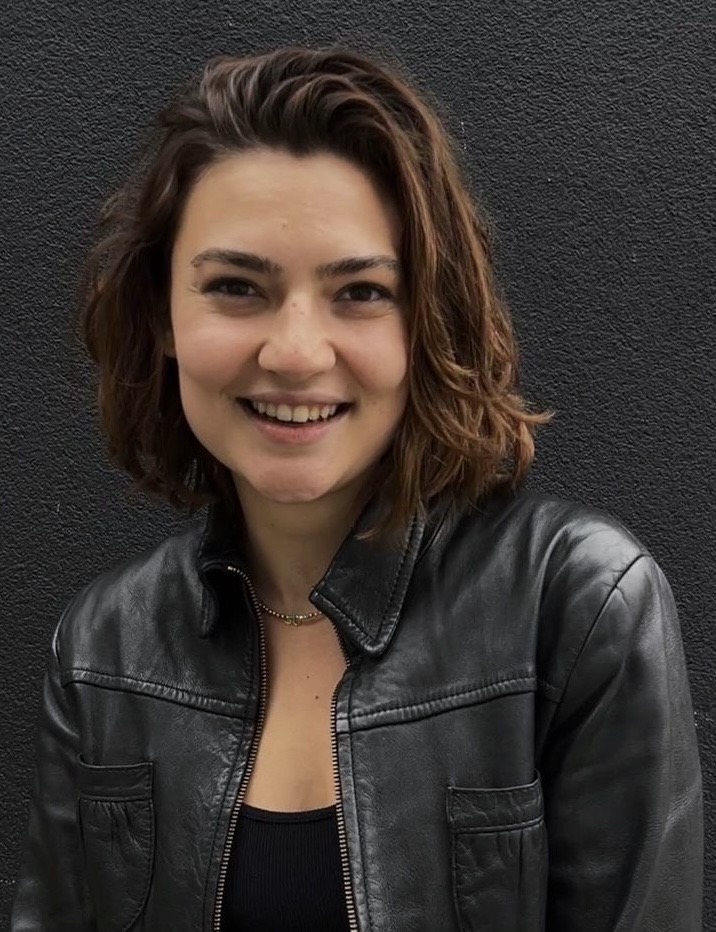
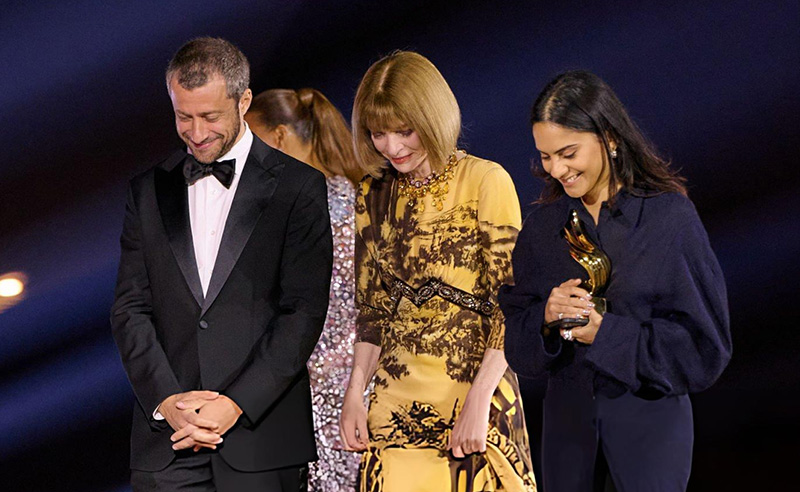
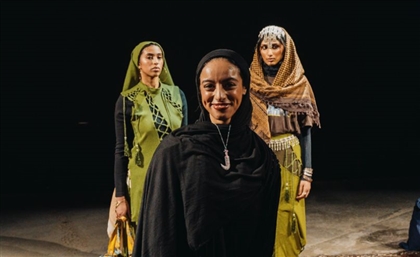
On the flight home from Fashion Trust Arabia, Debut Talent Award in hand, Alaa Alaradi finally confessed to her mom: she’s a fashion designer. For the last two years, while her parents thought life was moving along as expected, she’d been secretly completing an MA in fashion in Geneva with her sister Nour as co-conspirator.
Just a few hours before in Qatar, in a room full of industry legends and future talents, Anna Wintour handed Alaradi her award. Her mom might not know who Anna Wintour is, or the weight of that moment, but Alaradi felt something shift the second the secret was finally out – and her mom listened with pride.
In the Q&A ahead, Alaradi shares with SceneStyled how her journey into design started, how FTA finally cracked the secret open, and what shifted (and didn’t) after the win.
 Q: Most people learned about your work after winning the Fashion Trust Arabia Prize in 2025, but taking a step back, tell me about your journey into fashion?
I was born in Bahrain and then I moved to Switzerland when I was really young and I stayed there for a couple of years. When I was 18, I went back to live with my older sister who had stayed in Switzerland and was basically under her wing for most of the time I was at university.
She gave me the green light to pursue fashion, whereas my parents were way more conservative. They would have wanted me to do something in finance or chemical engineering. And I got scared. But she encouraged me - you're here with me, don't worry about mom and dad. They don't have to know.
Q: How did your parents finally find out you work in fashion?
Actually, the moment broke really recently. I called my mom from the plane after FTA and I was like, yeah, so I won a prize for something.
 She doesn't know who Anna Wintour is. She doesn't know fashion in that sense. But I told her and she was super proud of me. I guess I didn't have to go into details about what led me to that in a sense, but she knows what I do for a living now. She's really proud of that.
But if I had said that when I was 18 out of school, there was no way that was going to slide.
Q: How does it feel that they now know?
I’m more confident now in who I am, where I’m from, and what I do. A few years ago, I felt like being an Arab designer making transparent pieces was somehow ‘too much.’ I kept everything quiet - my Instagram was private, even my LinkedIn didn’t have my last name.
When Fashion Trust Arabia happened, it changed something. I wasn’t just accepted in my region - I was recognised for exactly what I do. That gave me the freedom to stop shrinking myself.
Growing up, pursuing a creative career felt unrealistic unless you were wealthy - and even then, it wasn’t taken seriously. My parents worked hard to put me through school, so choosing fashion felt like a risk I couldn’t afford to fail at.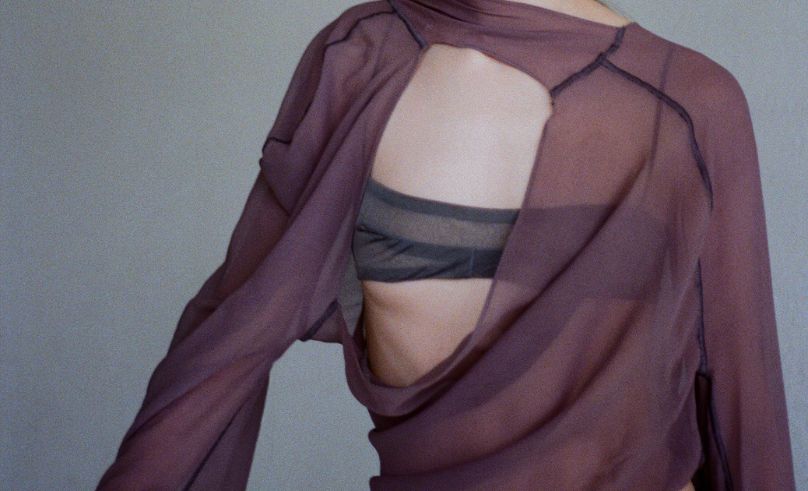 Q: Tell me a bit more about your MA collection and your creative process?
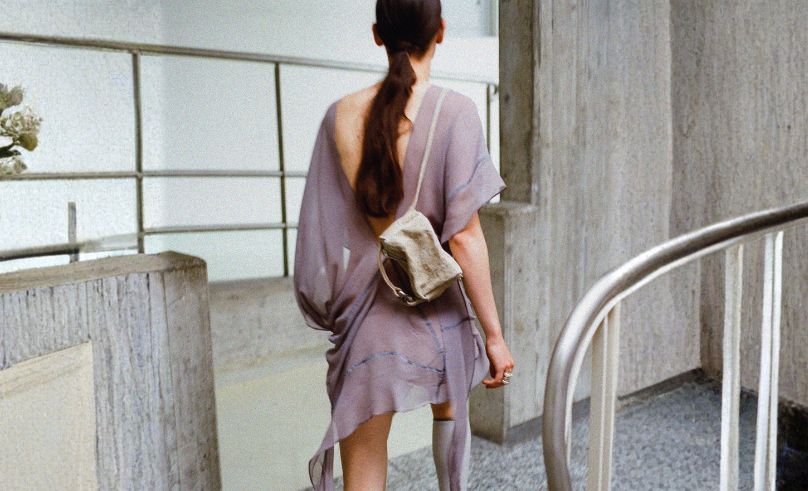
I wanted something feminine, but not catering to the male gaze. People would comment this is so “girly,” but that doesn't make it soft or fragile. She could have this fluid movement, yet feel raw and powerful.
I worked with both pattern cutting and draping. Some pieces are sculptural, with 20 pieces of patterns on a dress, and others are made completely on the spot with my fitting model Nora. I would see how comfortable she is in the design, how she moves, how reacts.
One of my looks, an organza silk top and skirts, was a complete accident. This was supposed to be a lining for something else. Now, it’s one of my most requested looks.
Q: You mentioned potential judgments about modesty around the clothes you design, have you shifted your approach thinking about your audience being either regional or global?
I think my pieces work across all. How I styled it for my MA is its full fragrance. But then if you take individually the pieces, just the blouse for example, or the jewelry, I think it's totally wearable and styleable. And I think that's what I always kept in mind, region or not.
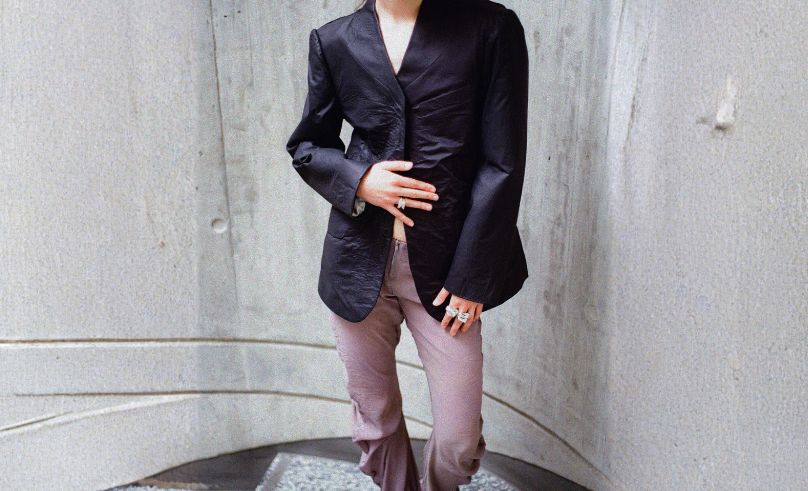 I don't make clothes for them to sit at the back of my closet. When I'm making I'm always thinking about who's going to wear them. And in my case it was my friends. I actually don't have any archive pieces of my own because literally my friends are wearing them. They're all like dripped in me, there's no point otherwise.
Q: It feels like you have this obsession with textures, tell me more about it?
Yes, exactly, when thinking of the design I wanted to make something that felt like my hand – I know that sounds weird. I kept telling my teachers “handwriting,” which confused them, but I meant it needed this clay-like element. That’s how I move, how I drape, how I make jewelry – the red thread through everything.
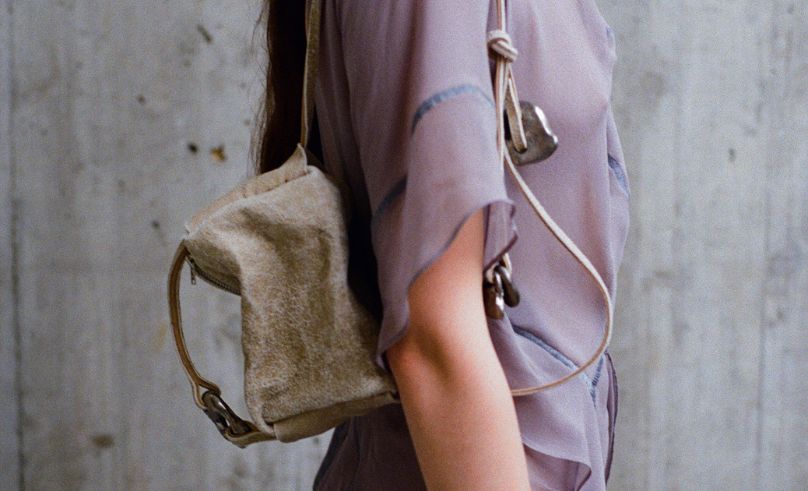
I only used leather and silk for the clothes; even the ceramics on the bags are actual clay. The silks are hand-dyed, too. People assume it’s about sustainability. It’s not, it’s just better: richer color, more control, and cheaper. Buy one roll of white ecru, run trials, and you can turn it into any color and have this beautiful texture.
Q: How did jewelry integrate into your collection and what was your process of making?
I loved making jewelry for myself and then it kind of organically started growing into something else. When I needed a break from working on my collection all the time, I would go to the jewelry department in my university after hours and just sit and polish jewelry for 10 hours.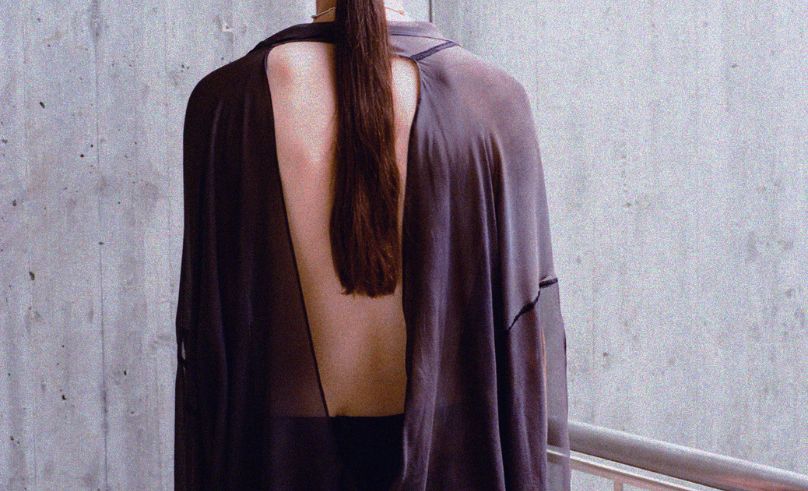 People kept telling me not to waste my time on it since I technically was not graded on it, but I knew I wanted to integrate it in my collection. It's very similar in terms of my clothing design because it's almost like draped jewelry. I made the pieces in wax and then I cast them in silver, which makes pretty much all the jewelry pieces like a one-off. I don't think I can produce something “clean”, to be honest.
Q: How was it meeting all the incredible designers across the region?
What made Fashion Trust Arabia special was the sense of community. I became really close with the other finalists in my category - Fatma Elshabbi and Ayham Hassan. There’s something very Arab about it; everyone shows up for each other. Fatma’s mom came to the awards and ended up being all of our mom, taking photos and cheering us on.
The established designers were just as generous. Karthik Research was open about business and how he works, and Ziad from Eveningwear immediately stepped into a big brother role.
So yes, I won FTA - but I also gained mentors. There’s real momentum right now. It feels like a movement, not isolated success stories. The region is finally being recognised for what it is: a serious force in fashion.-2ad61c84-5c63-4ebe-8a98-9358ee61fa78.jpg) Q: What are you doing now?
Q: What are you doing now?
A lot has shifted since FTA. I’ve received incredible support from the industry, and for now I want to focus on learning before building something of my own. There’s no rush to compete with the big houses - being inside them is valuable too. It’s about taking it step by step.
I’m currently finishing a womenswear internship at Louis Vuitton in Paris, which I’ve loved. Designing within someone else’s DNA is a skill - you create for yourself, but you also learn to create within a house’s codes and structure. Every maison operates differently. What stood out to me at Louis Vuitton is the diversity within the teams, which isn’t always common.
As an Arab designer, being here matters. It’s about proving I belong at this level - and about making space for others from the region. We deserve a seat at the table.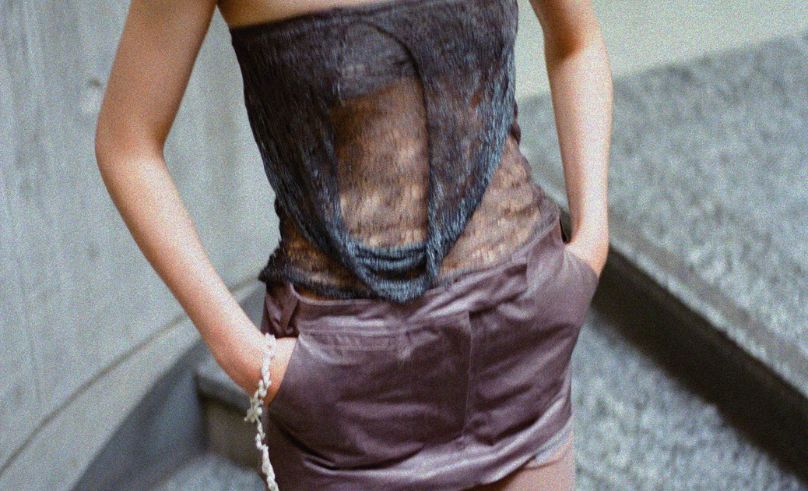 Q: Do you want to eventually start your own brand?
It’s happening whether I plan for it or not. I’ve been asked to create a few pieces for a store, but I don’t want to suggest I’m going fully commercial. It’s a small run - pieces I can produce myself - and we’ll see where it leads. It still feels strange to think of myself as a business. I’m one woman making everything, just taking life step by step.
I recently moved to Paris, though I’m not sure if it’s permanent. I need to pay rent, but that doesn’t have to come from my brand - especially at this stage, when it’s not generating real income.
I’m not in a rush, even if people say I should capitalise on the FTA momentum. If the work is strong now, it will still be strong later. Good things take time.