


Travel Guide Dubs Downtown 'The Brooklyn of Cairo'
Named Cairo's coolest neighbourhood by 'Brooklyn Of', Downtown has been the heart of Egypt's independent art scene for generations. Today, a new wave of creatives are carrying that legacy forward.
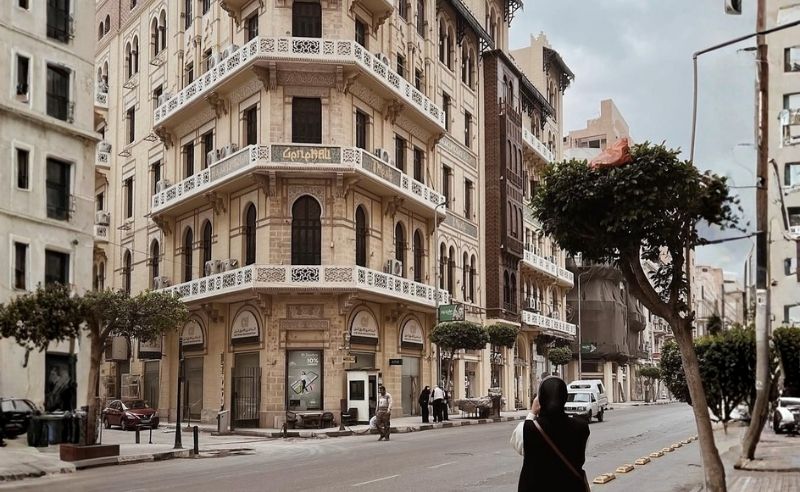
'Brooklyn Of', a travel publication that names a single "coolest neighbourhood" in more than 150 cities worldwide, has handed Cairo's title to Downtown. The tag is shorthand for that one neighbourhood in a city where independent culture and creative energy thrive. According to 'Brooklyn Of' Founder Per Stenius, the reasoning for Wust Al Balad was simple: "Crumbling grandeur, an art scene that started right there, and streets that stay loud well past midnight."
Walk from Talaat Harb Square outward and the case makes itself. It’s a neighbourhood where the architecture, the history and the present-day scene are simultaneously telling a story that has been carried through generations. This is where the country's independent art scene took root, and now that same appetite for something independent has resurfaced in a fresh wave of galleries, concept stores, specialty coffee and design-led hotels, all packed into the same few blocks.
Nowhere is the layering of art and culture more obvious than in the cafés, which have never just served coffee here. They were newsrooms, salons, stages for some of Cairo's earliest theatre and film screenings. Café Riche has been there since 1908: Naguib Mahfouz was regular enough to base 'Karnak Café' on the place. A few streets over, Horreyah, meaning "freedom," opened in 1936 on Bab El Louq and was built, local lore has it, over the resting place of Ahmed Orabi.
Places like Gemaykah and Estoril keep the same old-school register going, and at Le Grillon, renown painter Salah Enani’s gifted his artworks that line the walls of the bar, including a standout piece of his collection, 'Gossip at Le Grillon'.
The creative activity surrounding Cinema Radio has become one of the most vivid expressions of downtown’s new wave: Diwan for English and Arabic books, Sip for specialty coffee, Almeria for Mediterranean cuisine, all within a few steps of each other. Round the corner, the new concept store 6901 stacks Egyptian food, vinyl and its own clothing line on a street increasingly lined with Egyptian-owned boutiques.
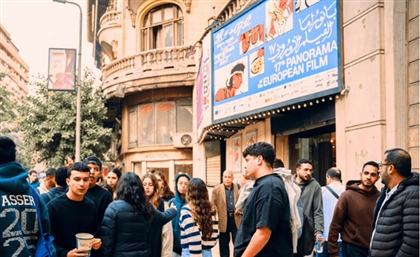
Any list of Downtown’s creative institutions feels incomplete without Zawya, Cairo's first real arthouse cinema: it screens the independent, festival-circuit films the multiplexes skip, and it planted itself in Downtown because, as its founder puts it, that's simply where its audience already lives.
For the past few years, Cairo Design Week even turned the whole neighbourhood into a living exhibition with events held at: the Tamara Building, Kodak Court, The Warehouse, The Factory, Garage, Mazeej Balad, the Café Riche Building, Founders Space, Villa Bab El Louq, the Italian Consulate, Bayt Divaz.
Everything in the neighbourhood exists in conversation with each other, Downtown is where historic buildings find new purpose and a new generation of creatives make the place their own. The result is a neighbourhood where the city’s past isn’t preserved for nostalgia. Brooklyn may be the reference, but Downtown has never really needed one.
- Previous Article SceneNoise x Amsterdam Dance Event Present CROSSFADE: Egypt
- Next Article The Intricate Beauty of Ben Youssef Madrasa