



Ibn Hattuta Was on the Hantavirus Ship. His Message: Free Palestine.
When Arab travel influencer Kasem Hato found himself as a passenger on the MV Hondius, site of the hantavirus outbreak, global media paid close attention. He chose to talk about Palestine instead.
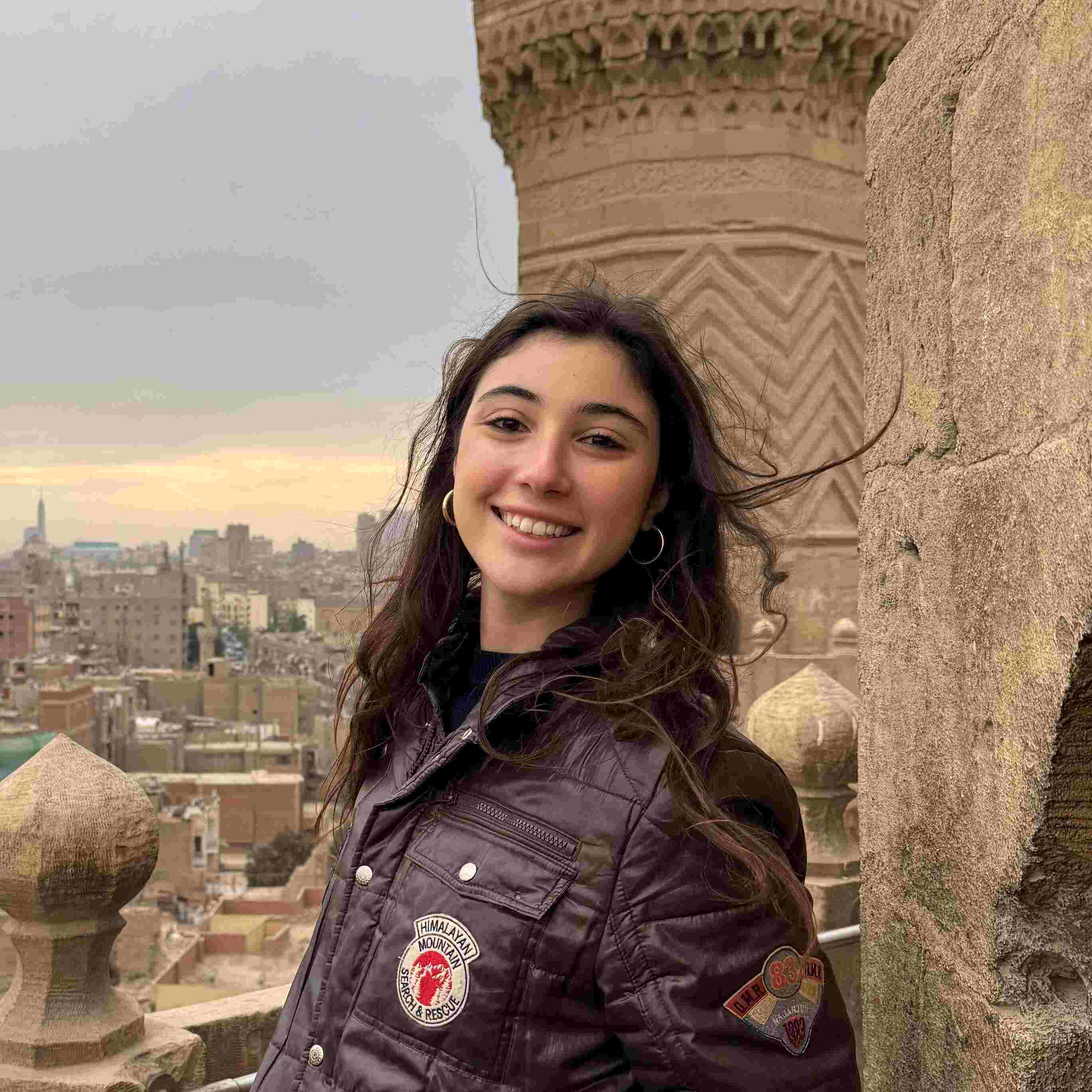
Palestinian-Jordanian Kasem Hato is one of the largest Arab travel influencers in the world. Known as Ibn Hattuta among his 3.65 million YouTube subscribers, his stated goal is to visit every country in the world.
That’s how he found himself onboard the MV Hondius departing from Argentina when the hantavirus broke out, killing three of his shipmates and infecting nine others to date. But from behind quarantine walls, Hato does not want to talk about the lethal virus. Instead, he’s focused on Palestine.
“Palestine has always been the compass of how I find value in life. I don’t want this media attention for myself, but I want to give it value. That’s how the idea of bringing attention to Palestine came to me.”
Hato is currently quarantining in his Turkey apartment, where he’s working on puzzles and learning new languages. He is not afraid for his health. “If you look at the timeline of how these people died, you would not be scared. The media made it way bigger than it actually was,” he says.
Every Country in the World — Except Palestine
With 109 countries under his belt, Hato has not stopped travelling for the past ten years. He even considers himself “professionally homeless,” only visiting his parents in Jordan for a few days a year.
At this rate, Hato might succeed in visiting every country in the world. Except his own.
“I was raised in a Palestinian family, so everything revolved around the cause.”
Indigenous to Jaffa, Hato is aware that Palestine is a country he has never seen and might never see. “It’s heartbreaking, the fact that I never visited my own land or my own city, even though I’ve been to hundreds of cities,” says Hato. “Maybe my kids will see it once Palestine is free.”
For most of his career, Hato had only ever made content in Arabic — English media is openly not his target audience.
But in 2021, when the Sheikh Jarrah neighborhood in occupied East Jerusalem went viral for the eviction of Palestinian families, that changed: “That was the first time I ever made an English video.”
That first video was an explanation of what was happening in Sheikh Jarrah, and he was among the first Arab influencers to post about it in English. Hato relied on his following to share the video to English-speaking friends, and it had a huge influence.
“One of my friends was climbing Mount Everest at the time. He showed my video to his expedition team and many of them found out about Sheikh Jarrah through it, even while they were on the top of the world,” says Hato.
Since then, nearly every time Hato speaks about Palestine publicly, he does it in English.
Hato says, “I like making content that makes people think. That’s why I rarely make videos about Palestine in Arabic; the Arab world knows enough about Palestine.”
If he manages to reach every country in the world except for Palestine, he would rely on his fans once again. “I would use my fanbase and friends in Palestine to make a video without going there,” he says.
Hato believes it would be a strong message to the world. “There are millions of Palestinians living outside of Palestine whose families were forcibly removed from their land. My family is one of them; I know the exact street where my grandfather lived. We have succeeded in so many countries, we have travelled everywhere. The only country that we are not able to go to is our homeland.”
Due to Israel’s illegal occupation and discriminatory travel regulations, Hato may never have the chance to see his country.
No Deal Without Palestine
If you want to partner with Kasem Hato, you have to support Palestine. This is a condition he made clear when global media outlets started reaching out about his experience on the MV Hondius.
“I was contacted by thousands of media outlets that at some point in life I wished to be interviewed by. But I saw how Palestine was being covered by all these outlets, and that changed everything.”
For Hato, big names like CNN, BBC, and Good Morning America called to mind skewed headlines about Gaza. “I thought to myself, all of these people are watching my stories — it’s a great time to send a strong message,” Hato says.
One Instagram story post later and the language used by media representatives reaching out to him suddenly changed. ‘Hi Kasem, I am reaching out from so-and-so media, and I’m pro-Palestine,’ they would begin.
To Hato, that felt like success. “People in media who have not covered a true genocide — I wouldn’t trust them with anything,” he says.
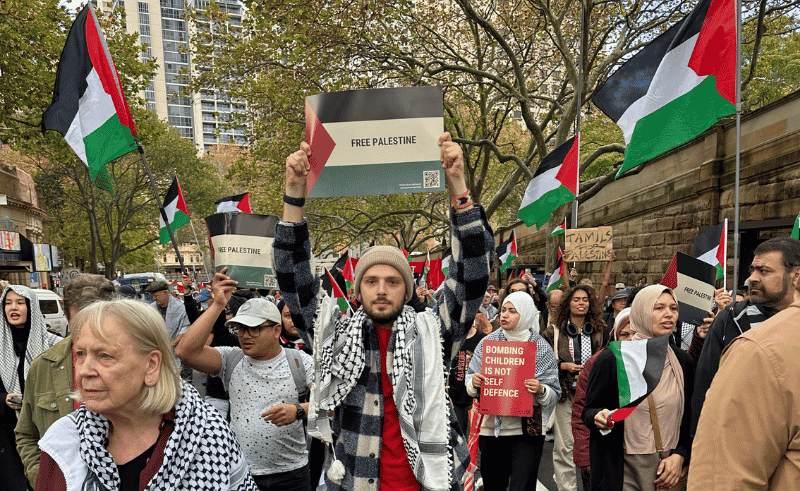
While others might take advantage of global media attention as an opportunity to centre themselves or grow their channels, Hato saw his situation differently. “It was a great opportunity, but I always try to find a bigger picture,” he says.-3bae12e3-a38a-4b68-9e00-e0210352a819.png) ‘We Have the Same Struggle’
‘We Have the Same Struggle’
In Hato’s opinion, everything about travel is political. “I just document stories I encounter. Sometimes they happen to be more political than others, but I’ve always been covering travel the same way,” he says.
Kashmir was one of the places that made its way onto Hato’s travel itinerary in 2019. “It was another story I wanted to cover, but if you watch the video, you’re going to find it highly political,” he says. “I was talking to people about their struggles, and people were empathising with me because I’m Palestinian.”
Every time Hato would say he was from Palestine, people would come and hug him. “‘We are with you, free Palestine’ they would say, and I looked at them and saw people who are oppressed,” he explains.
When he asked Kashmiris why they cared so much about Palestine, he says, “they would tell me it’s because we have the same struggle.”
This might seem political at face value, but Hato says it’s just like any other video where he documents the authentic stories he encounters. “I love going to places that either are less known or misunderstood,” he says.
The Countdown Continues
While Hato is grateful for the time off to pause and focus on other ambitions like learning languages, he plans on hitting the road again the moment his quarantine ends. “This is an adventure, but it’s also my day-to-day. It’s my life,” he says.
In the meantime, he wants the world to do its research on Palestine. “People should research, read, and talk to real people in Palestine to understand the true story of what’s happening there,” he says, “Anyone who does research is going to find out the facts, and it’s very easy to do. We have so many tools to do it.”
Hato also believes weakness and fear are keeping people from recognizing the truth. “Unfortunately, many people live with double standards. It’s easy to care about animals, trees, love, and peace. But when there’s an actual genocide happening in our backyards, ‘it’s complicated.’”
To Hato, the truth is not complicated at all. “There is no in between. It’s very obvious who’s the oppressor and who’s being oppressed.”
Related Articles

Trending This Week
-
-
 Sep 10, 2026
 -
 Sep 10, 2026
 -